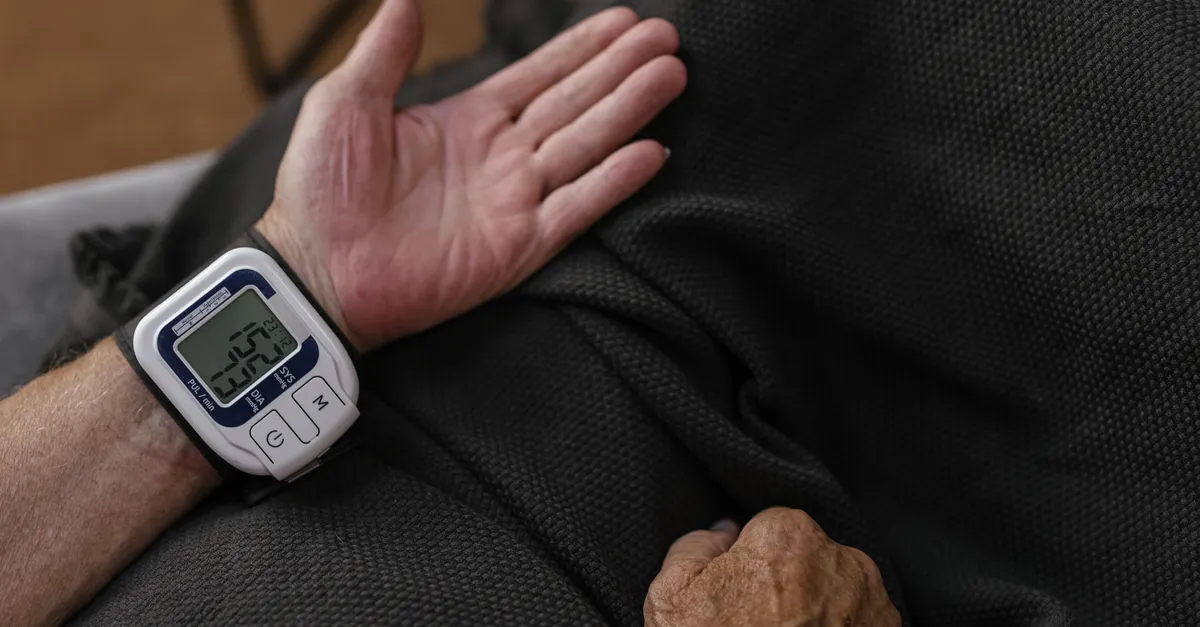
As the global population ages, the need for innovative solutions to support older adults becomes increasingly urgent. Remote health monitoring for elderly care has emerged as a promising approach, allowing seniors to maintain independence while ensuring their well-being is closely observed. By leveraging digital technologies, caregivers and healthcare providers can track vital signs, detect early warning signs, and intervene before minor issues escalate. However, as these systems become more prevalent, it is essential to understand not only their benefits and technologies but also the privacy and security challenges they introduce.
Understanding Remote Health Monitoring in Senior Care
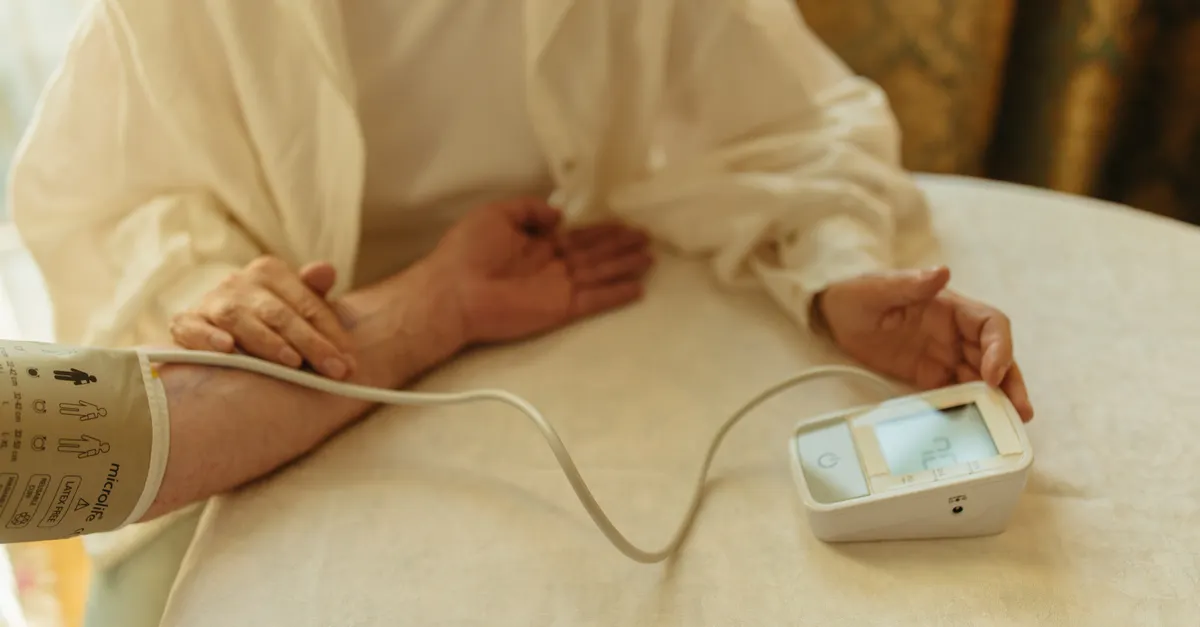
Remote health monitoring refers to the use of digital tools and connected devices to collect, transmit, and analyze health data from individuals outside traditional clinical settings. For older adults, this means that vital signs, medication adherence, activity levels, and even sleep patterns can be tracked from the comfort of their own homes. The primary goal is to provide continuous oversight, reduce hospital visits, and empower both seniors and their caregivers with timely information.
This approach is particularly relevant for elderly care because it addresses common challenges such as mobility limitations, chronic disease management, and the need for prompt medical attention. By enabling proactive interventions, remote monitoring supports aging in place and enhances the overall quality of life for seniors.
Key Technologies Powering Remote Health Monitoring
Modern remote health monitoring systems rely on a combination of IoT (Internet of Things) devices, wearable sensors, and mobile applications. According to a 2024 research review, IoT systems that integrate wearable devices and smartphone apps are especially effective for tracking health metrics in elderly adults. These technologies work together to collect real-time data, which is then transmitted securely to healthcare providers or family members.
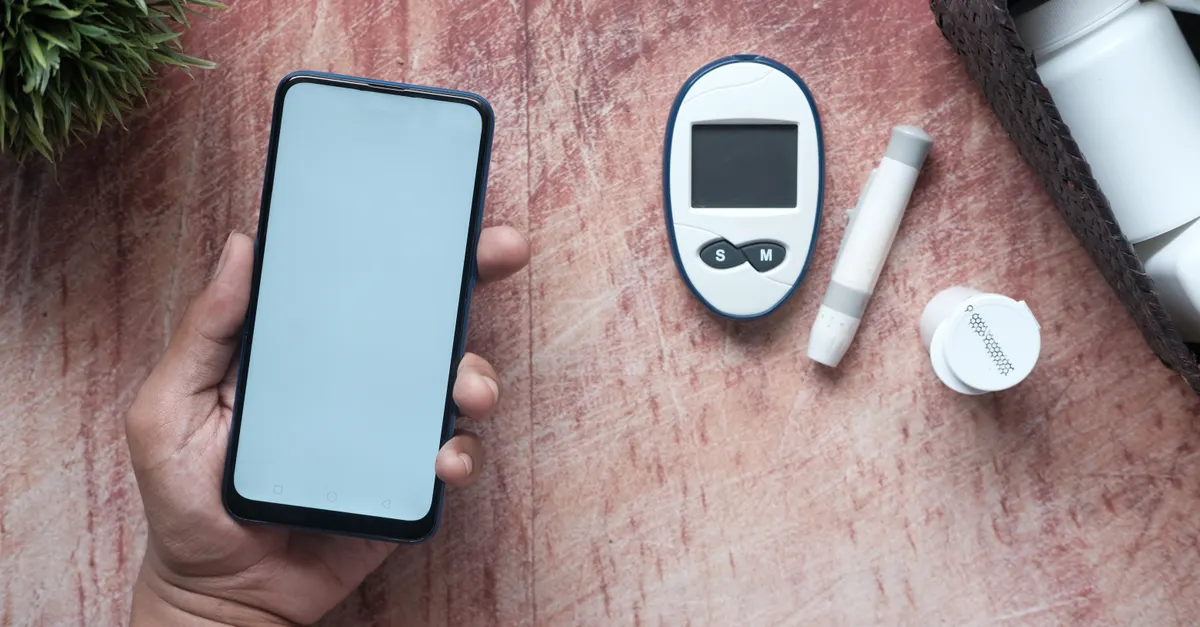
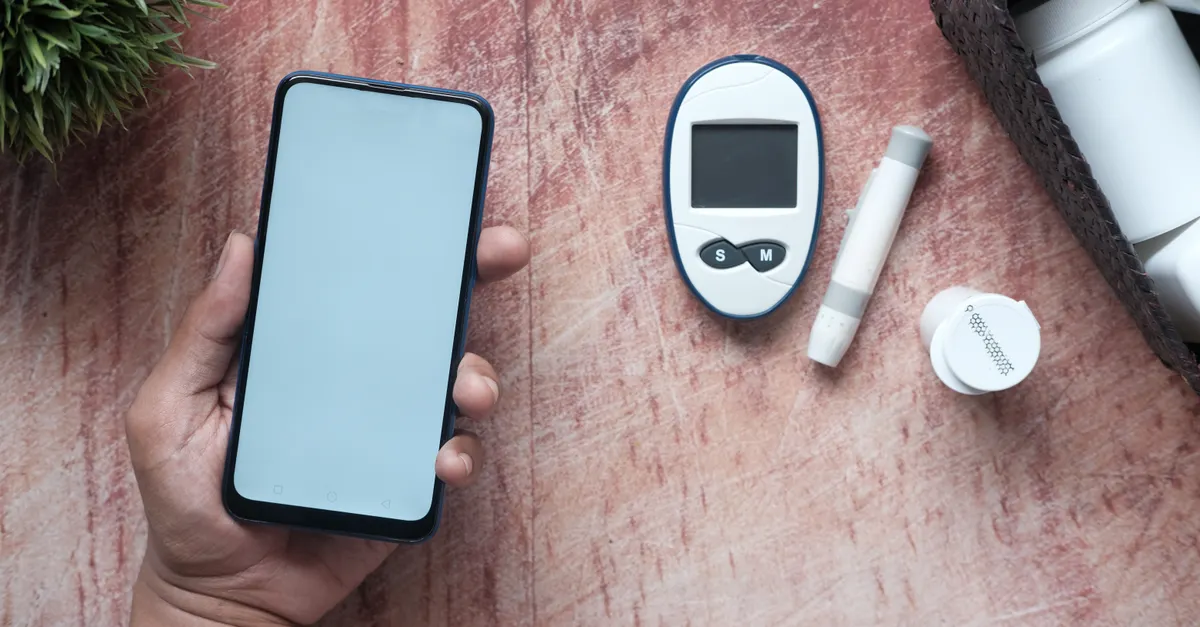
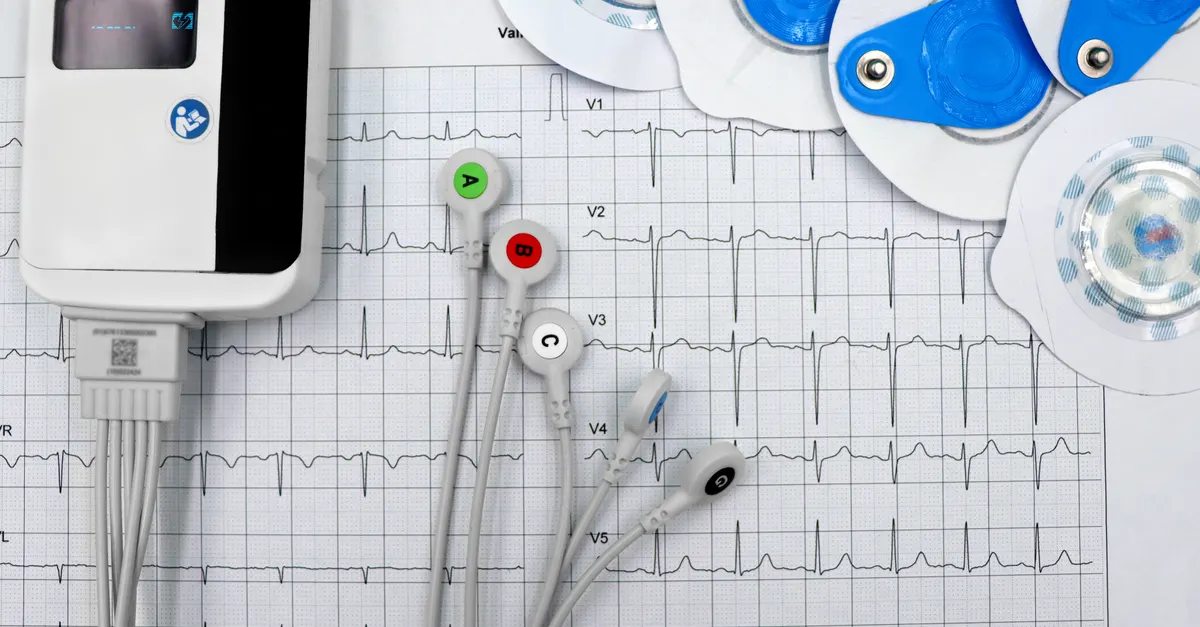
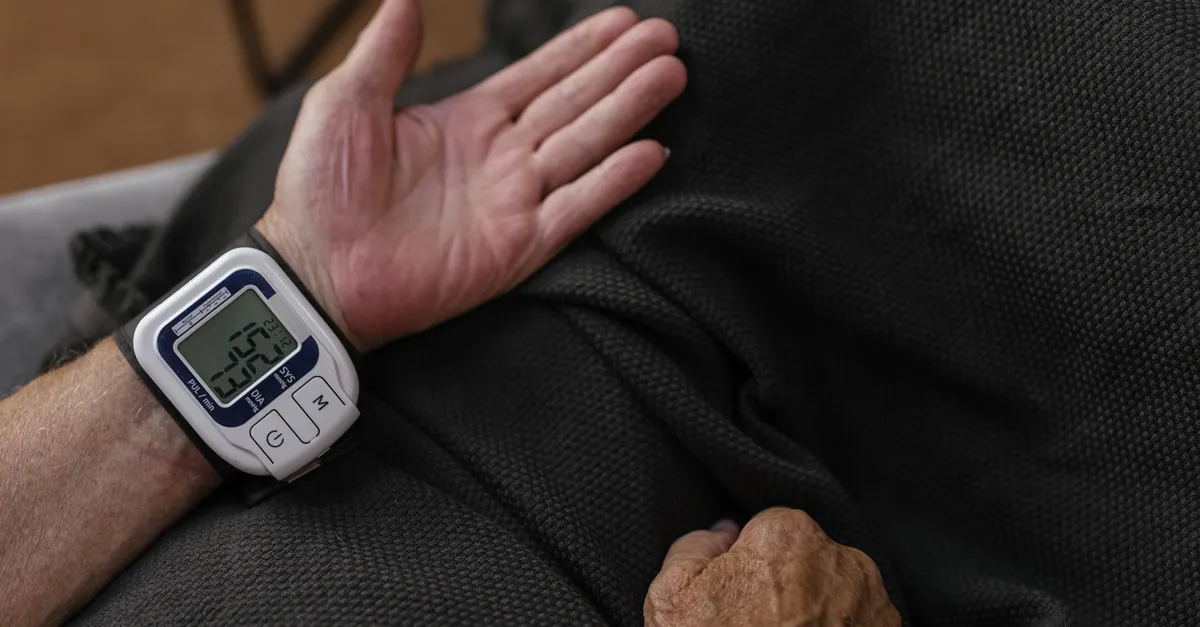
- Wearable devices: Smartwatches, fitness trackers, and specialized medical sensors can monitor heart rate, blood pressure, oxygen saturation, and even detect falls. These devices are designed for comfort and ease of use, making them suitable for daily wear by seniors.
- In-home sensors: Motion detectors, smart scales, and connected pill dispensers help monitor activity levels, weight changes, and medication compliance.
- Mobile applications: User-friendly apps allow seniors and caregivers to view health data, receive reminders, and communicate with healthcare professionals.
- Cloud-based platforms: Data collected from devices is often stored and analyzed in secure cloud environments, enabling advanced data analytics and timely alerts.
The seamless integration of these technologies ensures that health information is continuously available, supporting early intervention and personalized care plans. For those interested in the top features of remote health monitoring devices, it’s important to consider device compatibility, battery life, and ease of use.
Advantages of Remote Monitoring for Older Adults
The adoption of remote health monitoring in elderly care brings several notable benefits. Research indicates that these systems can significantly improve healthcare efficiency for seniors at risk of complications. Here are some of the main advantages:
- Early detection of health issues: Continuous monitoring allows for the identification of subtle changes in health status, enabling prompt medical intervention before problems worsen.
- Reduced hospitalizations: By catching potential complications early, remote monitoring can decrease the need for emergency room visits and hospital admissions.
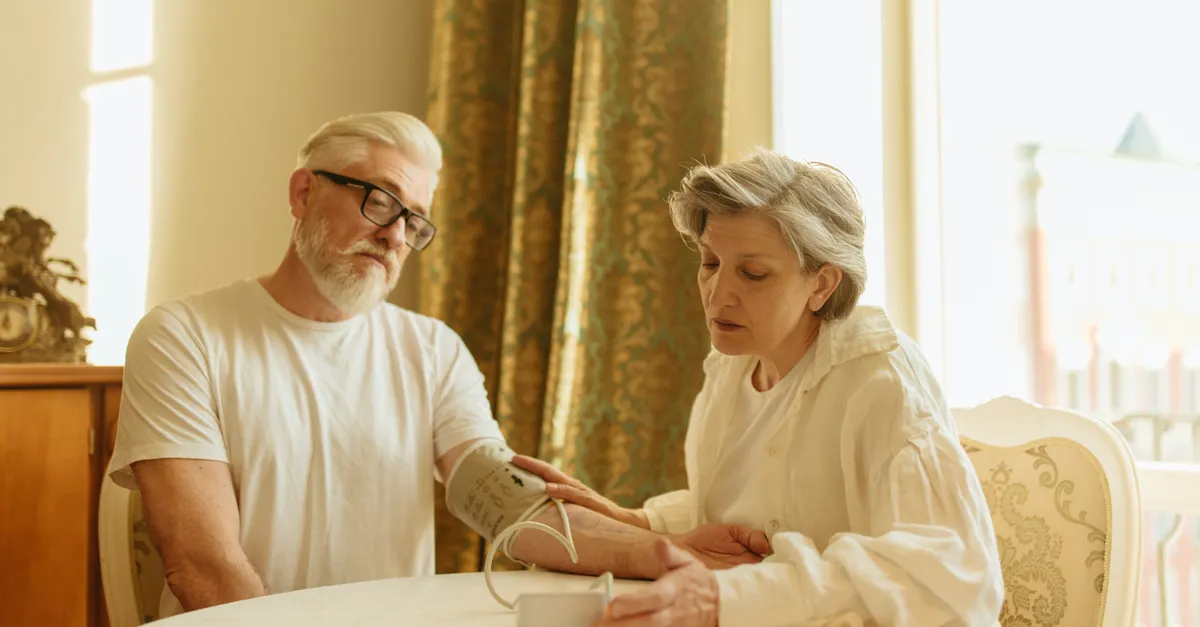
- Enhanced independence: Seniors can remain in their own homes longer, with the reassurance that their health is being monitored remotely.
- Improved communication: Caregivers and healthcare providers receive real-time updates, facilitating better coordination and more informed decision-making.
- Personalized care: Data-driven insights allow for tailored care plans that address the unique needs of each individual.
Additionally, remote monitoring supports caregivers by reducing the burden of constant in-person supervision. It also helps healthcare systems allocate resources more efficiently, focusing attention on those who need it most.
Privacy and Security: Critical Concerns in Remote Monitoring
While the benefits of remote health monitoring are substantial, the collection and transmission of sensitive health data raise important privacy and security concerns. Older adults may be especially vulnerable to data breaches, unauthorized access, or misuse of their personal information.
Key privacy and security issues include:
- Data confidentiality: Health information must be protected from unauthorized access at every stage—during collection, transmission, and storage.
- User consent and control: Seniors should have clear information about what data is being collected, who can access it, and how it will be used.
- Device vulnerabilities: Wearables and in-home sensors may have security flaws that could be exploited if not properly updated or configured.
- Cloud security: Data stored in the cloud must be encrypted and managed according to strict security standards to prevent breaches.
To address these risks, manufacturers and service providers must implement robust encryption, regular security updates, and transparent privacy policies. Caregivers and seniors should also be educated about best practices, such as using strong passwords and recognizing phishing attempts. Ultimately, building trust in remote health monitoring systems depends on demonstrating a strong commitment to safeguarding personal health data.
Challenges and Limitations in Implementation
Despite the promise of remote health monitoring, several challenges can hinder its widespread adoption in elderly care:
- Technology adoption: Some seniors may find it difficult to use or adapt to new devices, especially if they have limited experience with technology.
- Connectivity issues: Reliable internet access is essential for real-time monitoring, but may not be available in all locations.
- Device limitations: Wearables and sensors may have battery life constraints, require regular maintenance, or lack interoperability with other systems.
- Cost considerations: While remote monitoring can be cost-effective in the long run, initial setup costs and ongoing subscription fees may be barriers for some families.
- Data overload: The sheer volume of data generated can overwhelm caregivers and healthcare providers if not managed with effective analytics tools.
Addressing these challenges requires collaboration between technology developers, healthcare professionals, and policymakers to ensure that solutions are accessible, user-friendly, and sustainable.
How Caregivers and Providers Use Remote Monitoring Data
The real value of remote health monitoring lies in how data is used to inform care decisions. Caregivers can receive alerts about unusual activity patterns, missed medications, or abnormal vital signs, allowing for timely check-ins. Healthcare providers can analyze trends over time, adjust treatment plans, and prioritize patients who need immediate attention.
Advanced data analytics platforms help filter and interpret the vast amounts of information collected, ensuring that only actionable insights are presented. This targeted approach reduces unnecessary interventions and supports more efficient, personalized care.
Cost-Effectiveness of Remote Health Monitoring
One of the often-cited advantages of remote health monitoring is its potential for cost savings. By reducing hospital admissions and enabling early intervention, these systems can lower overall healthcare expenses. However, the cost-effectiveness depends on several factors, including the type of devices used, the scale of implementation, and the specific needs of the elderly population.
For families concerned about expenses, there are affordable remote health monitoring solutions available that balance functionality with budget considerations. It’s important to compare options and consider both upfront and ongoing costs when choosing a system.
Frequently Asked Questions
What are the main benefits of remote health monitoring for seniors?
The primary benefits include early detection of health issues, reduced hospitalizations, greater independence for seniors, improved communication between caregivers and providers, and more personalized care plans.
How is privacy protected in remote health monitoring systems?
Privacy is protected through data encryption, secure device design, and strict access controls. Seniors and caregivers should also be informed about data collection practices and given tools to manage their privacy settings.
What challenges might families face when adopting remote health monitoring?
Common challenges include learning to use new devices, ensuring reliable internet connectivity, managing costs, and addressing concerns about data privacy and security.
Conclusion
Remote health monitoring represents a significant advancement in elderly care, offering improved oversight, early intervention, and enhanced quality of life for older adults. However, as these systems become more integrated into daily life, it is crucial to address the privacy and security concerns that accompany the collection and use of sensitive health data. By prioritizing robust security measures and transparent practices, the benefits of remote monitoring can be fully realized—empowering seniors to age safely and independently while giving families and healthcare providers the tools they need to deliver effective, compassionate care.