Remote health monitoring is transforming the way care is delivered to individuals with heart conditions. By leveraging digital technologies, heart patients can now have their vital signs and symptoms tracked from home, reducing the need for frequent hospital visits. This approach not only enhances convenience but also supports early detection of potential issues, helping to improve health outcomes. In this guide, we’ll explore the technologies behind remote health monitoring for heart patients, the benefits and challenges, and what influences patient willingness to adopt these solutions—especially in settings where resources may be limited.
Understanding Remote Health Monitoring for Cardiac Care
Remote health monitoring refers to the use of digital tools and connected devices to collect, transmit, and analyze health data from patients outside of traditional clinical environments. For individuals with heart conditions, this means that important metrics such as heart rate, blood pressure, and rhythm can be monitored continuously or at regular intervals, allowing healthcare providers to intervene earlier if issues arise. This model is particularly valuable for those managing chronic conditions like heart failure or arrhythmias, where timely adjustments to treatment can make a significant difference.
The importance of these solutions for heart patients lies in their ability to bridge gaps in care, especially for those who may have difficulty accessing clinics due to distance, mobility, or other barriers. By enabling real-time or near-real-time data sharing, remote monitoring supports more personalized and proactive care.
Key Devices Used in Remote Monitoring for Heart Patients
A variety of remote monitoring devices are available for heart patients, ranging from simple wearables to advanced implantable sensors. These tools are designed to capture specific health metrics and transmit them securely to healthcare teams for review.
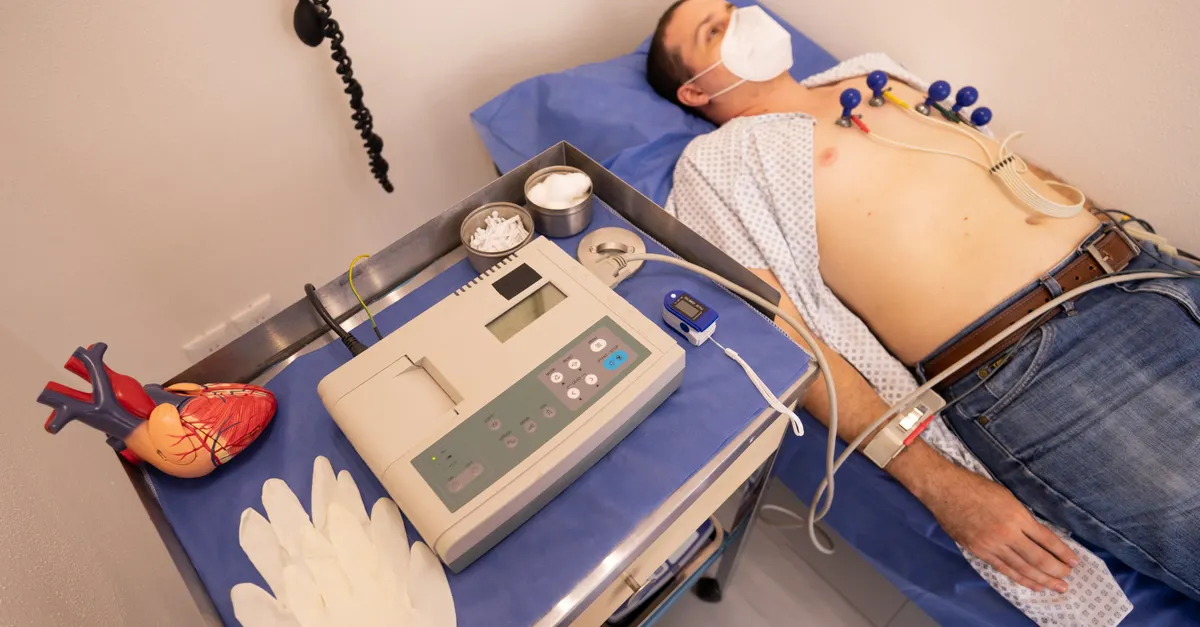
- Wearable monitors: Devices such as smartwatches and fitness trackers can measure heart rate, activity levels, and sometimes even detect irregular rhythms. Some models are equipped with electrocardiogram (ECG) capabilities, providing valuable data for patients with arrhythmias.
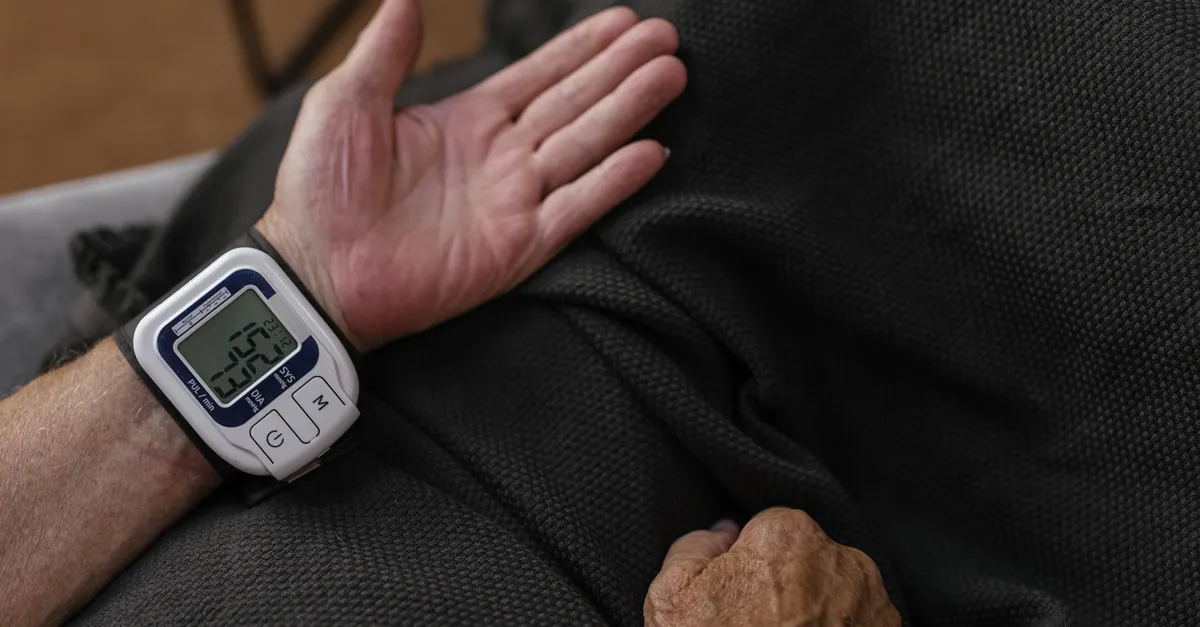
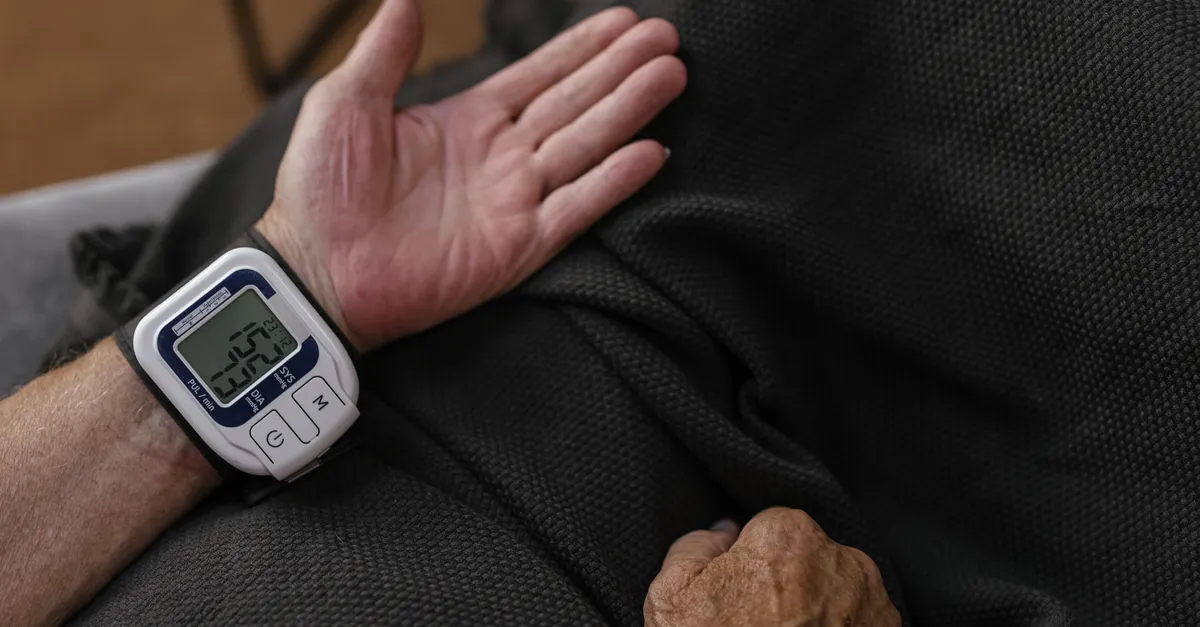
- Blood pressure cuffs: Connected blood pressure monitors allow patients to record readings at home and share them with their care team. This is especially useful for managing hypertension, a common risk factor for heart disease.
- Weight scales: Sudden changes in weight can signal fluid retention in heart failure patients. Smart scales can automatically log and transmit weight data, alerting clinicians to potential problems.
- Implantable cardiac monitors: Devices like CardioMEMS are placed inside the body to track metrics such as pulmonary artery pressure. These sensors provide continuous, highly accurate data for patients with advanced heart failure.
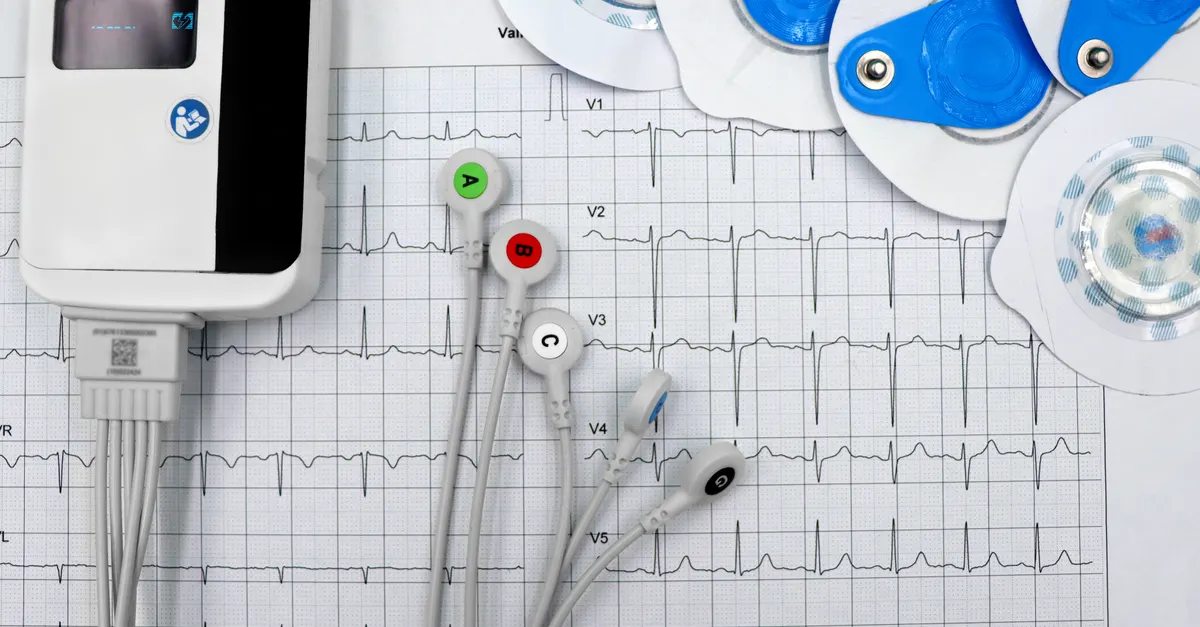
- Holter monitors and event recorders: These portable devices record heart rhythms over days or weeks, helping to diagnose intermittent arrhythmias.
The integration of these devices into daily life is becoming easier, with many solutions designed for user-friendliness and minimal disruption. Some systems also connect with mobile apps, allowing patients to view their own data and receive reminders or alerts.
How Remote Monitoring Improves Outcomes for Heart Patients
The adoption of remote health monitoring for heart patients has been linked to several important benefits. By enabling continuous or frequent tracking of vital signs, these technologies support earlier detection of complications and more timely interventions.
- Reduced hospitalizations: Remote monitoring can help identify warning signs before they escalate, allowing for adjustments in medication or care plans that may prevent hospital admissions, as detailed in research on early intervention.
- Improved medication adherence: Reminders and feedback from digital platforms can encourage patients to take medications as prescribed, which is critical for managing chronic heart conditions.
- Enhanced patient engagement: Having access to their own health data can empower patients to take a more active role in their care, leading to better self-management.
- Personalized care: Continuous data streams enable clinicians to tailor treatment plans to each patient’s unique needs, rather than relying solely on periodic office visits.
These benefits are particularly significant for older adults and those with mobility challenges. For more on how these technologies support seniors, see our discussion of remote health monitoring for elderly care.
Patient Willingness to Adopt Remote Monitoring Technologies
While the advantages of remote monitoring are clear, the success of these solutions depends on patient willingness to use them. Recent research, including a study on cardiovascular patients in resource-limited settings, highlights several factors that influence adoption.
Patient willingness is shaped by perceptions of usefulness, ease of use, and trust in technology. In resource-limited environments, additional barriers may include cost, access to reliable internet, and familiarity with digital devices. The cited study found that many patients expressed interest in remote monitoring if it could reduce clinic visits and improve their health, but concerns about affordability and technical support were common.
Key factors influencing acceptance include:
- Perceived benefit: Patients are more likely to embrace remote monitoring if they believe it will lead to better health outcomes or greater convenience.
- Ease of use: Simple interfaces and clear instructions increase the likelihood of regular use, especially among older adults or those less comfortable with technology.
- Support and training: Access to education and troubleshooting resources helps patients feel confident in using new devices.
- Cost and accessibility: In resource-limited settings, the expense of devices and data plans can be a significant barrier. Programs that subsidize costs or provide devices through healthcare systems may improve uptake.
Understanding these factors is crucial for healthcare providers and policymakers aiming to expand the reach of remote patient monitoring in diverse communities.
Challenges and Limitations in Implementing Remote Monitoring
Despite its promise, remote health monitoring for heart patients faces several challenges that can limit its effectiveness and accessibility.
- Technology access: Not all patients have smartphones, tablets, or reliable internet connections, particularly in rural or low-income areas.
- Cost: Devices and associated data services may be unaffordable for some, and insurance coverage varies widely.
- Data privacy and security: Transmitting sensitive health information raises concerns about confidentiality and unauthorized access.
- Integration with clinical workflows: Healthcare teams may need to adjust their processes to incorporate remote data into decision-making effectively.
- Patient engagement: Some individuals may be reluctant to use new technology or may not use devices consistently, reducing the potential benefits.
Addressing these challenges requires collaboration between technology developers, healthcare providers, and policymakers. Solutions may include designing more affordable devices, expanding broadband access, and offering user-friendly platforms that integrate seamlessly with existing healthcare systems. For those comparing different care options, it can be helpful to review the remote health monitoring vs in-home care discussion to understand the trade-offs.
Conclusion: The Future of Cardiac Remote Monitoring
Remote health monitoring is poised to play an increasingly important role in the management of heart conditions. By enabling continuous oversight and early intervention, these technologies offer the potential to improve outcomes and quality of life for heart patients. However, realizing these benefits depends on addressing challenges related to cost, technology access, and patient willingness—especially in resource-limited settings. As healthcare systems evolve, a focus on patient-centered design and equitable access will be key to ensuring that the advantages of remote monitoring reach those who need them most.
Frequently Asked Questions
What types of heart conditions can be monitored remotely?
Remote monitoring is commonly used for conditions such as heart failure, arrhythmias (irregular heartbeats), hypertension, and recovery after cardiac procedures. Devices can track heart rate, rhythm, blood pressure, and other vital signs relevant to these conditions.
Are remote monitoring devices covered by insurance?
Coverage varies depending on the device, the patient’s condition, and the healthcare system. In some regions, programs like Medicare may cover certain remote monitoring services for eligible patients. It’s important to check with your provider and insurer for specific details.
How do patients in low-resource settings access remote monitoring?
Access can be limited by cost, technology infrastructure, and availability of support. Some healthcare programs provide devices or subsidies, and community health workers may assist with setup and training. Efforts to expand affordable remote health monitoring solutions are ongoing in many areas.