Remote health monitoring is transforming the way seniors receive care, making it possible to track vital signs and health conditions from the comfort of home. As more families and healthcare providers turn to technology to support aging in place, understanding how to set up remote health monitoring becomes increasingly important. This guide will walk through the essential components, safe setup procedures, and key considerations for seniors and their caregivers, focusing on practical steps and when to seek professional assistance.
Understanding Remote Health Monitoring for Older Adults
Remote health monitoring refers to the use of digital technology to collect health data from individuals outside of traditional clinical settings. For seniors, this approach offers a way to manage chronic conditions, detect health changes early, and maintain independence. By leveraging telehealth and connected devices, seniors can benefit from more consistent oversight while reducing the need for frequent in-person visits.
The importance of remote monitoring for seniors lies in its ability to provide timely information to healthcare providers and family members. This can lead to faster interventions, better management of chronic illnesses, and peace of mind for everyone involved. However, seniors may face unique challenges, such as adapting to new technology or ensuring data privacy, which must be addressed for successful implementation.
Essential Components of a Remote Health Monitoring System
A comprehensive remote health monitoring setup typically includes several key elements. According to the Agency for Healthcare Research and Quality, remote patient monitoring uses digital medical devices to track health data outside traditional care settings. For seniors, the most common components are:
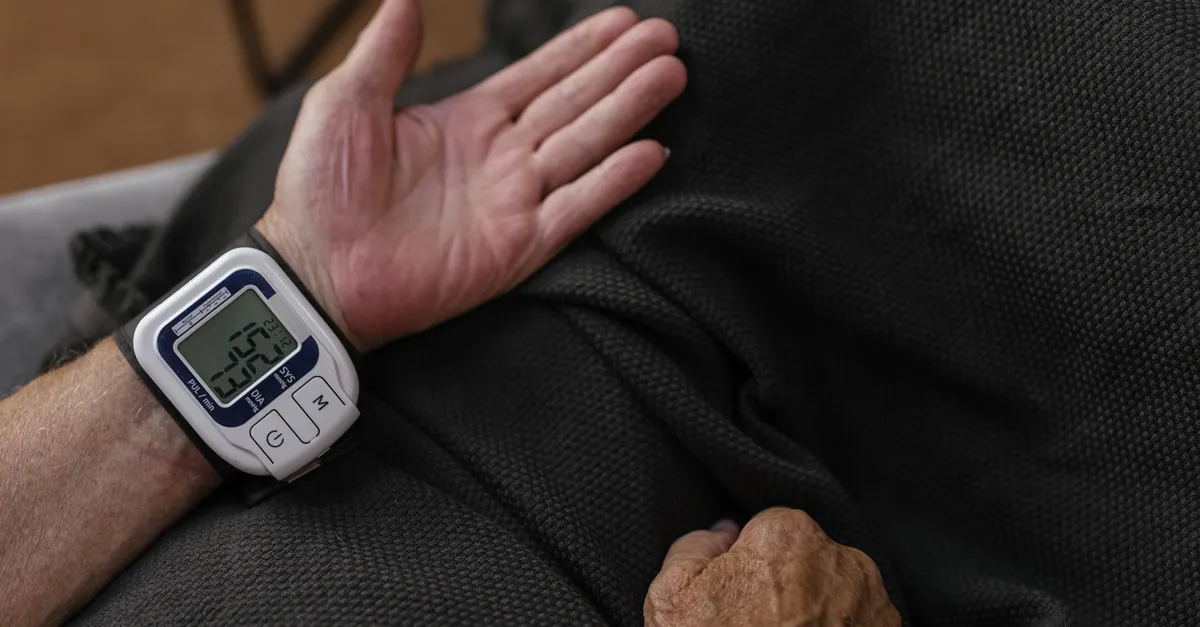
- Vital sign monitors – Devices such as blood pressure cuffs, pulse oximeters, and thermometers that automatically record and transmit readings.
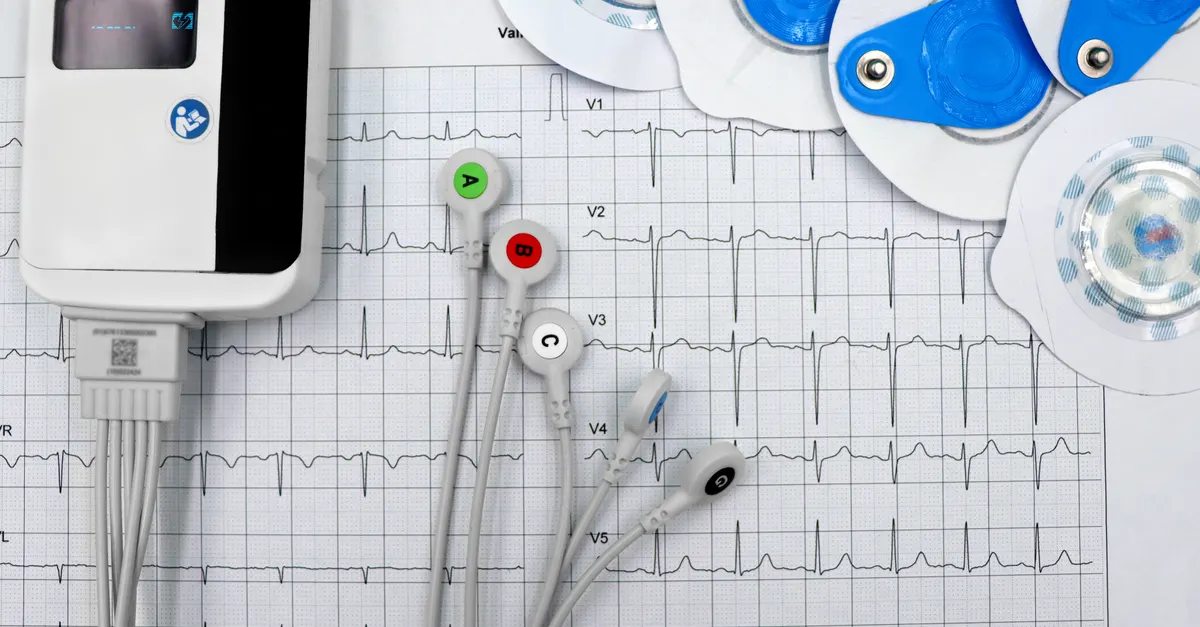
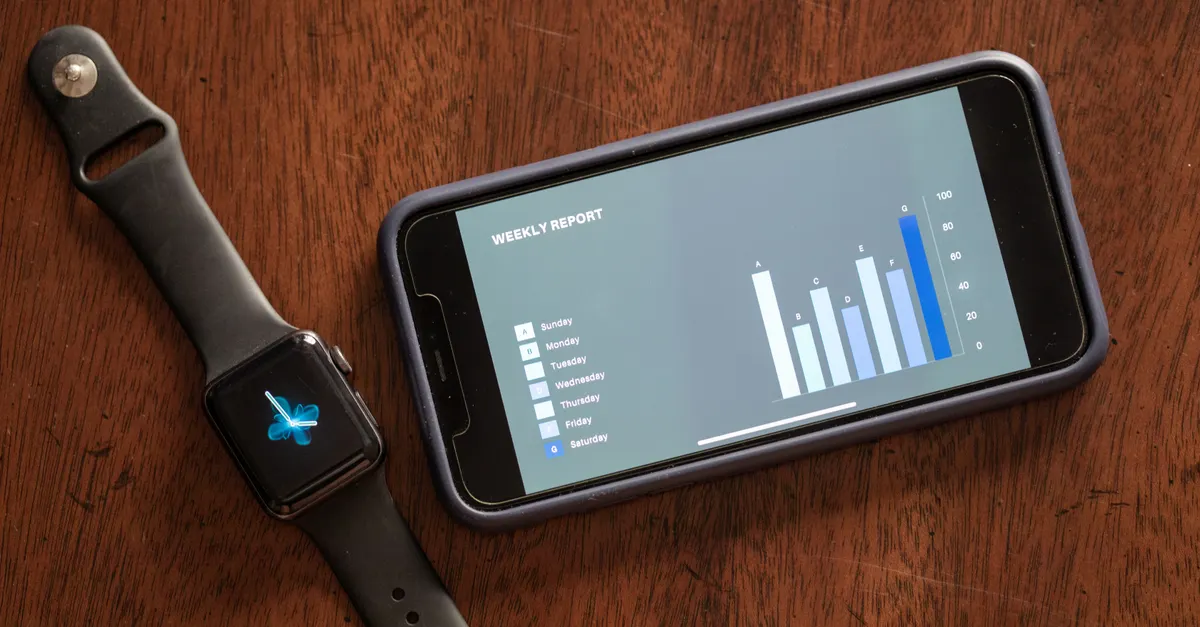
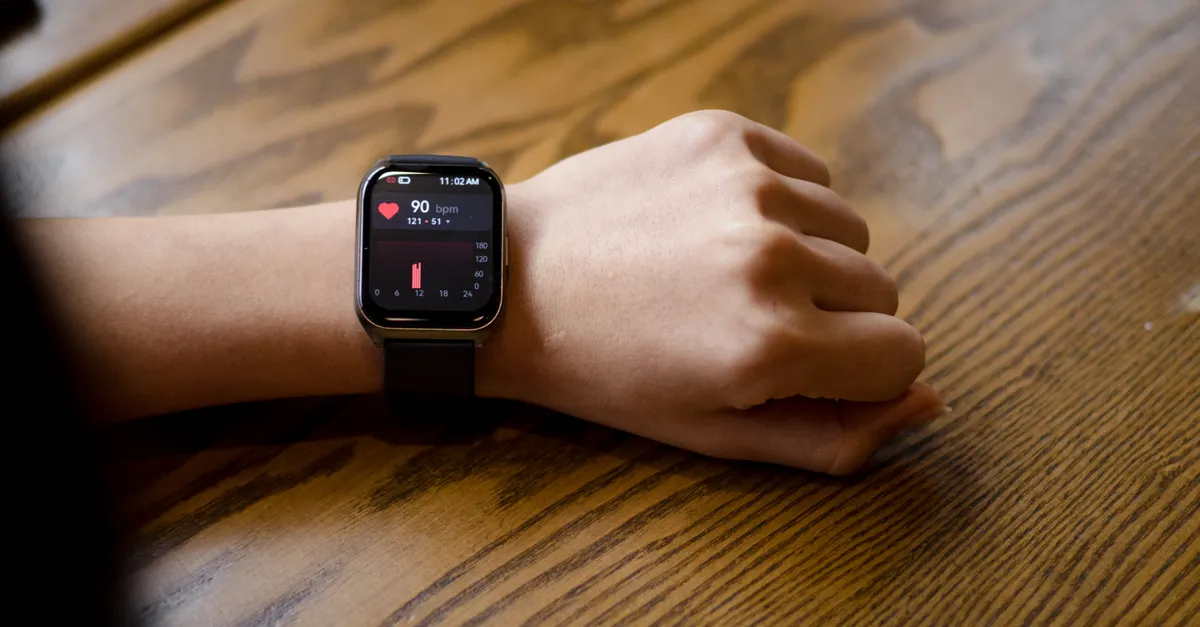
- Wearable sensors – Items like smartwatches or fitness trackers that monitor heart rate, activity levels, and sleep patterns.
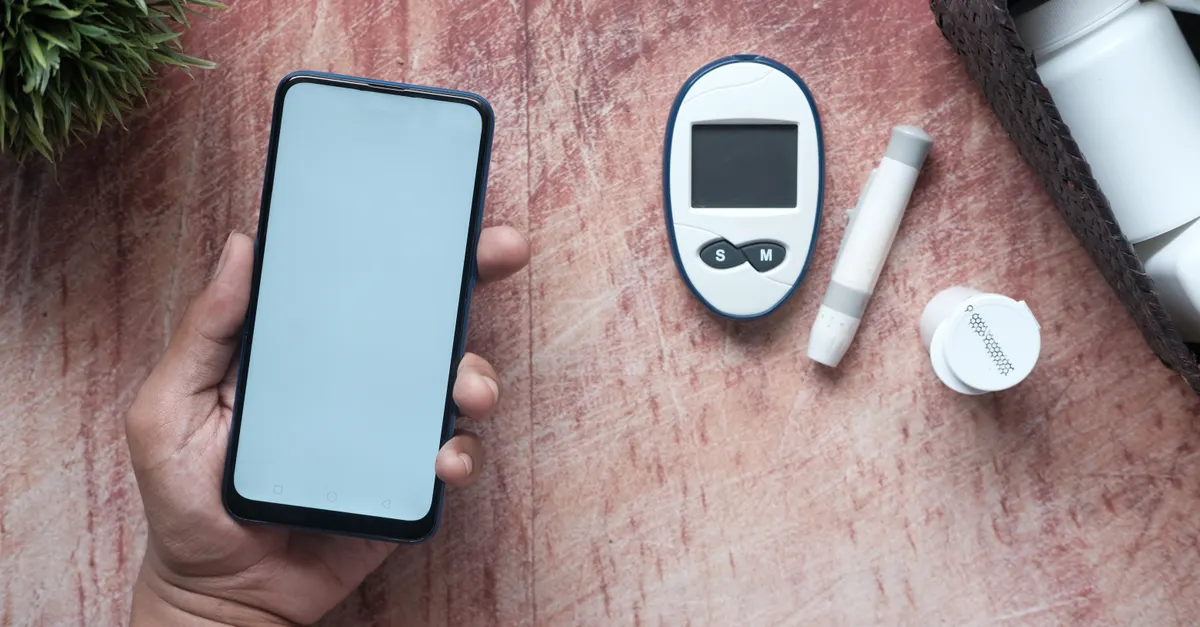
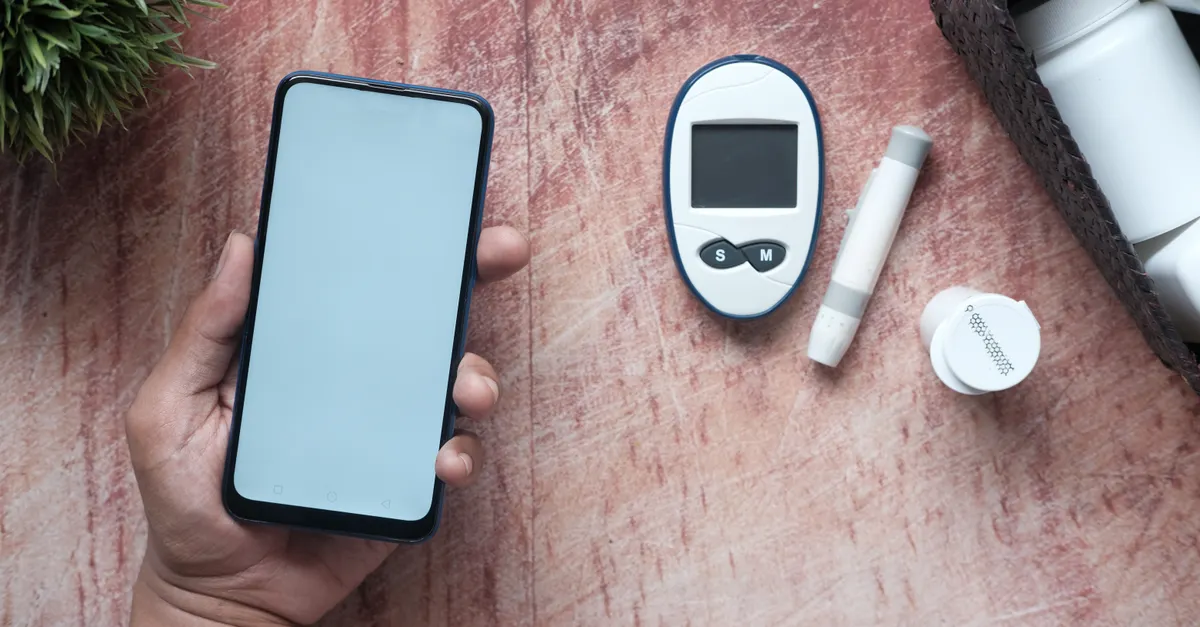
- Glucose meters – Essential for seniors managing diabetes, these devices can sync with mobile apps for real-time tracking.
- Medication dispensers – Automated pill organizers that remind users to take medications and alert caregivers if a dose is missed.
- Communication platforms – Secure apps or portals that allow seniors, caregivers, and healthcare providers to share information and receive alerts.
These devices work together by collecting data and sending it to a central platform, where it can be reviewed by healthcare professionals or family members. Some systems integrate with home Wi-Fi routers to ensure reliable connectivity. The choice of devices should be tailored to the senior’s specific health needs and comfort with technology.
How to Set Up Remote Health Monitoring for Seniors
Setting up a remote health monitoring system involves several steps, each requiring careful consideration to ensure safety and effectiveness. While the process may seem straightforward, it is crucial to understand the technology and recognize when to involve healthcare professionals.
-
Assess the Senior’s Needs
Begin by identifying which health conditions require monitoring. For example, seniors with chronic conditions like heart disease or diabetes may need specific devices such as blood pressure monitors or glucose meters. Consider mobility, cognitive abilities, and any sensory limitations that could affect device use.
-
Select Appropriate Devices
Choose devices that are easy to operate and have clear displays. Look for options with automatic data transmission to minimize manual input. If possible, select devices that are compatible with each other and can be managed through a single platform or app. Consulting with a healthcare provider can help ensure the right choices are made.
-
Set Up the Technology Safely
Follow manufacturer instructions for each device, paying close attention to safety warnings and setup procedures. Ensure that devices are placed in accessible locations and that charging or battery replacement is manageable. Avoid making modifications or repairs yourself—if a device is not working as expected, contact the manufacturer or a professional technician.
-
Connect Devices to a Secure Network
Most remote health monitoring devices require a stable internet connection. Use a secure Wi-Fi network and set strong passwords to protect data. If help is needed with network setup, consider involving a trusted family member or IT professional.
-
Train Seniors and Caregivers
Provide clear, step-by-step instructions on how to use each device. Hands-on demonstrations can be helpful, and written guides should be easy to read. Encourage questions and practice using the devices before relying on them for daily monitoring.
-
Establish Communication with Healthcare Providers
Work with healthcare professionals to set up data sharing and alert preferences. Many systems allow automatic transmission of readings to providers, who can then respond to concerning trends. Discuss how and when to contact providers if issues arise.
-
Monitor and Maintain the System
Regularly check that all devices are functioning properly and that data is being transmitted as expected. Schedule periodic reviews with healthcare providers to assess the effectiveness of the monitoring system and make adjustments as needed.
It is important to remember that while many steps can be completed at home, professional assistance should be sought for device selection, troubleshooting, or any concerns about data security.
Integrating Monitoring Systems with Healthcare Services
Effective remote health monitoring relies on seamless integration with existing healthcare services. This means that data collected from devices should be accessible to healthcare providers, allowing them to make informed decisions about the senior’s care.
Many healthcare providers now offer telehealth platforms that support remote monitoring. These platforms allow for secure sharing of patient data, virtual consultations, and timely interventions. Integration can also help coordinate care among multiple providers, ensuring that everyone involved has access to the latest health information.
For seniors managing chronic conditions, integration with healthcare services can improve outcomes and reduce hospitalizations. If you are comparing care options, you may find it helpful to explore the differences between remote health monitoring vs in-home care to determine which approach best fits your needs.
Privacy and Security in Remote Health Monitoring
Protecting the privacy and security of health information is a top priority, especially when dealing with sensitive patient data. Seniors and caregivers should be aware of the potential risks and take steps to safeguard personal information.
- Use devices and platforms that comply with healthcare privacy regulations, such as HIPAA in the United States.
- Set strong, unique passwords for all accounts and devices.
- Limit data sharing to trusted healthcare providers and family members.
- Regularly update device software and apps to address security vulnerabilities.
- Be cautious of phishing attempts or unsolicited requests for personal information.
If there are concerns about privacy or if a security breach is suspected, contact the device manufacturer or a healthcare provider immediately. Never attempt to bypass security features or modify device settings without professional guidance.
Conclusion and Next Steps
Setting up a remote health monitoring system for seniors can offer significant benefits, including improved health outcomes, greater independence, and peace of mind for families. The process involves selecting the right devices, ensuring safe installation, integrating with healthcare services, and maintaining strong privacy protections.
While many aspects of setup can be managed at home, it is essential to involve healthcare professionals for device selection, troubleshooting, and ongoing support. By taking a thoughtful, safety-focused approach, seniors and their caregivers can harness the power of technology to support healthy aging.
Frequently Asked Questions
What are the main benefits of remote health monitoring for seniors?
Remote health monitoring enables seniors to manage chronic conditions more effectively, reduces the need for frequent clinic visits, and allows for early detection of health changes. It also provides peace of mind for caregivers and families by ensuring regular oversight.
What should I consider when choosing devices for remote health monitoring?
Look for devices that are easy to use, have clear instructions, and are compatible with each other. Consider the senior’s specific health needs, comfort with technology, and the ability to connect with healthcare providers. Professional advice can help ensure the best fit.
How can caregivers and family members be involved in remote health monitoring?
Caregivers can assist with device setup, monitor data, and communicate with healthcare providers. Many systems allow caregivers to receive alerts and updates, making it easier to respond quickly to any health concerns.