Remote health monitoring devices have become a cornerstone of modern healthcare, enabling clinicians and caregivers to track vital health information from a distance. As these technologies evolve, understanding which features truly matter can help individuals, families, and healthcare providers make informed choices. Whether managing chronic conditions, supporting aging in place, or enhancing preventive care, knowing what to look for in these devices ensures better outcomes and a smoother experience for everyone involved.

Key Features That Define Effective Remote Health Monitoring
When evaluating top features of remote health monitoring devices, several core elements stand out for their impact on patient care and usability. Devices that offer continuous monitoring enable healthcare professionals to receive real-time updates, which is crucial for early intervention and ongoing management. According to a systematic review published in 2024, continuous monitoring not only improves patient self-care but also enhances communication between patients and their care teams.
Other essential attributes include:
- Accuracy and reliability: Readings must be trustworthy to inform clinical decisions.
- User-friendly design: Devices should be simple to operate, especially for seniors or those with limited technical skills.
- Data connectivity: Seamless transmission of health data to healthcare providers is vital, whether via Bluetooth, Wi-Fi, or cellular networks.
- Battery life: Longer battery life reduces the risk of missed readings and ensures consistent monitoring.
- Alerts and notifications: Timely alerts for abnormal readings help prompt immediate action.
- Integration with digital health records: Devices that sync with electronic health records (EHRs) streamline care coordination.
- Data security and privacy: Protecting sensitive health information is critical for patient trust and regulatory compliance.
Prioritizing these features helps ensure that remote monitoring tools are both effective and practical for daily use.
Common Types of Remote Health Monitoring Devices
There is a wide variety of devices designed to monitor different aspects of health remotely. The most prevalent types include:
- Blood pressure monitors: These devices track blood pressure trends and transmit readings directly to healthcare professionals, supporting hypertension management and early detection of cardiovascular issues.
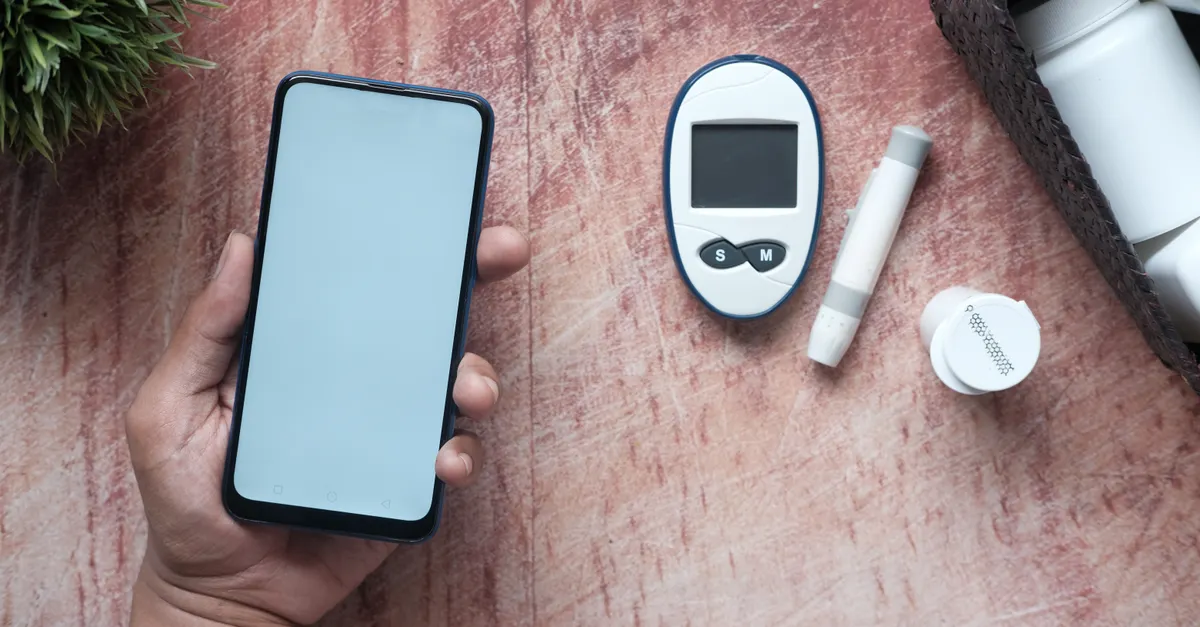
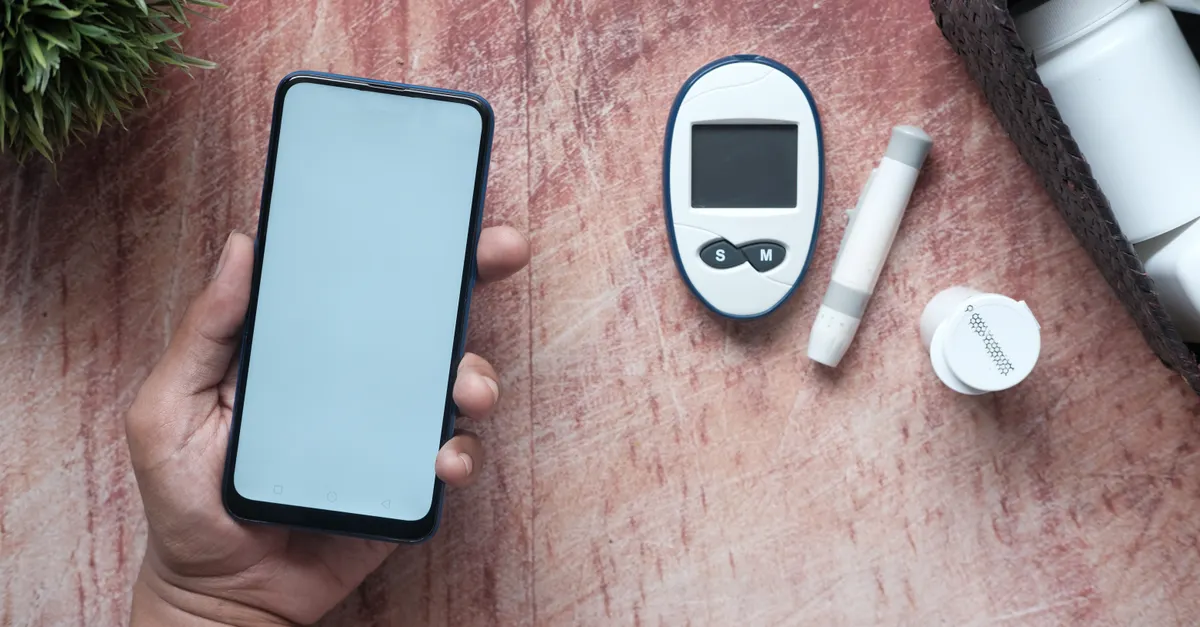
- Glucometers: Used by individuals with diabetes, these tools measure blood glucose levels and often provide real-time data to clinicians for better glycemic control.
- Pulse oximeters: These measure blood oxygen saturation and pulse rate, which is especially valuable for patients with respiratory conditions.
- ECG monitors: Portable ECG devices can detect irregular heart rhythms and other cardiac events, sending alerts when intervention is needed.
- Wearables: Smartwatches and fitness bands track activity, sleep, heart rate, and sometimes even more advanced metrics, offering a holistic view of health.
Each device serves a specific purpose, but they all share the goal of providing actionable data to both patients and healthcare providers. For a deeper dive into device selection, you might find guidance on how to choose remote health monitoring devices particularly helpful.
Benefits of Remote Health Monitoring for Patients and Providers
The adoption of remote health monitoring brings substantial advantages to both individuals and the broader healthcare system. One of the most significant benefits is the reduction in hospital admissions and overall medical spending. As reported by industry sources in 2024, remote monitoring has led to fewer emergency visits and hospitalizations, easing the burden on healthcare facilities.
Additional benefits include:
- Improved self-management: Patients become more engaged in their own care, tracking their health metrics and making informed lifestyle choices.
- Early detection of issues: Continuous data collection allows for the identification of health concerns before they escalate.
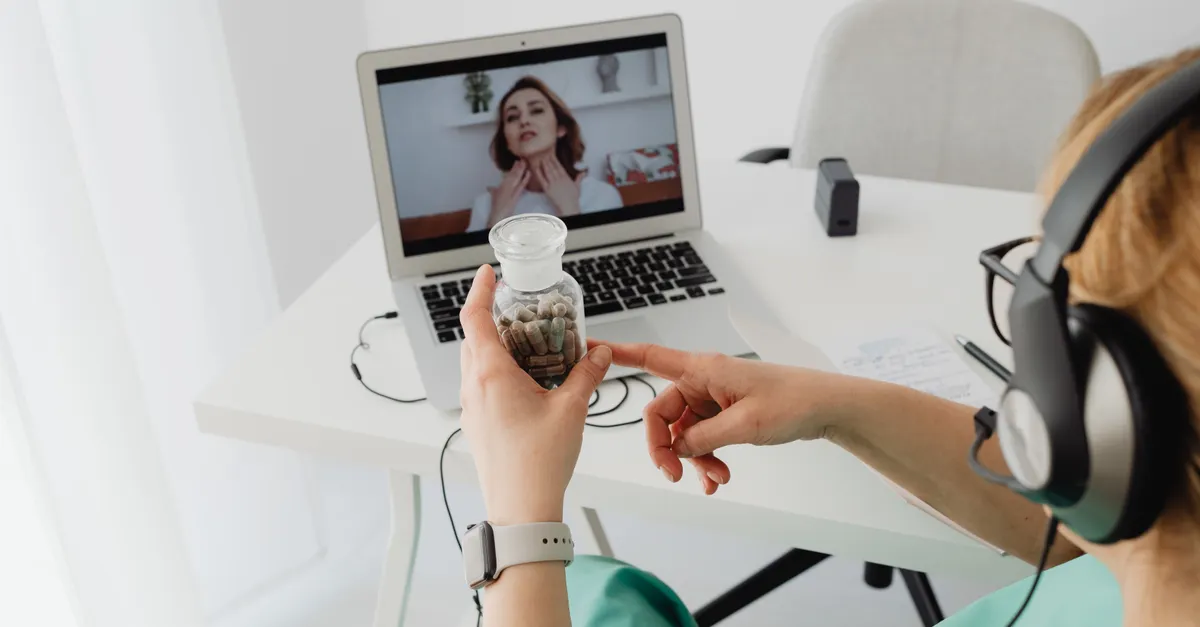
- Enhanced communication: Real-time data sharing fosters better dialogue between patients and their care teams.
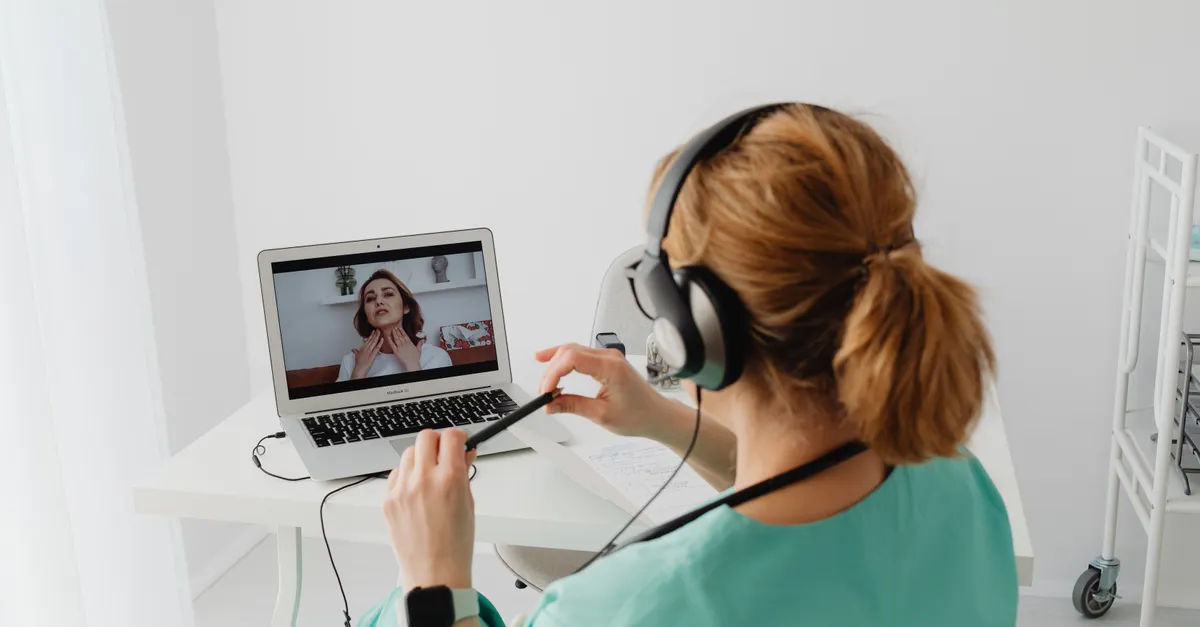
- Convenience and comfort: Individuals can monitor their health from home, reducing the need for frequent clinic visits.
For those seeking affordable remote health monitoring solutions, the market now offers a range of options that balance cost with essential functionality.
Challenges and Considerations in Remote Health Monitoring
Despite the clear benefits, implementing remote health monitoring is not without its challenges. One of the most pressing concerns is data privacy and security. With sensitive health information being transmitted over digital networks, robust encryption and compliance with privacy regulations are essential.
Other common challenges include:
- Technical barriers: Not all users are comfortable with technology, and device setup or troubleshooting can be daunting for some.
- Connectivity issues: Reliable internet or cellular access is required for real-time data transmission, which may not be available in all areas.
- Integration with existing systems: Ensuring that new devices work seamlessly with current healthcare infrastructure can be complex.
- Data overload: Clinicians may face challenges managing and interpreting large volumes of patient data.
Addressing these challenges requires a combination of user education, technical support, and careful device selection. For those managing chronic illnesses, understanding the role of remote health monitoring for chronic conditions can provide additional insights into overcoming these obstacles.
Integrating Remote Monitoring Devices with Healthcare Systems
A critical, yet often overlooked, aspect of remote health monitoring is how these devices fit into the larger healthcare ecosystem. Effective integration ensures that data collected by devices is not siloed but instead becomes a valuable part of the patient’s overall health record.
Key strategies for successful integration include:
- Interoperability: Devices should use standard data formats and protocols, making it easier to share information with electronic health record systems.
- Automated data transfer: Reducing manual entry minimizes errors and saves time for both patients and providers.
- Centralized dashboards: Aggregating data from multiple devices into a single platform gives clinicians a comprehensive view of patient health.
- Collaboration with IT departments: Healthcare organizations should work closely with technology teams to ensure secure and efficient integration.
When remote monitoring tools are well-integrated, they support coordinated care, improve clinical decision-making, and ultimately lead to better patient outcomes. As healthcare systems continue to evolve, the ability to connect devices with digital records and care teams will become even more important.
Frequently Asked Questions
What are the most important features to prioritize in remote health monitoring devices?
The most important features include accuracy, ease of use, real-time data connectivity, long battery life, timely alerts, and integration with health records. Prioritizing these ensures reliable monitoring and effective communication with healthcare providers.
How do remote health monitoring devices improve patient care?
These devices enable continuous tracking of vital signs and health metrics, allowing for early detection of issues and more proactive care. They also empower patients to manage their own health, reduce unnecessary hospital visits, and facilitate better communication with clinicians.
What types of remote health monitoring devices are commonly used?
Common devices include blood pressure monitors, glucometers, pulse oximeters, ECG monitors, and various wearables that track activity and vital signs. Each serves a unique role in monitoring specific health conditions.
Conclusion
Choosing the right remote health monitoring device involves more than just picking the latest gadget. By focusing on top features of remote health monitoring devices—such as accuracy, ease of use, connectivity, and integration with healthcare systems—patients and providers can maximize the benefits of these powerful tools. As the healthcare landscape continues to shift toward digital solutions, understanding these essential features will help ensure that remote monitoring supports better health outcomes, greater efficiency, and improved patient engagement.