Remote health monitoring is transforming how seniors manage chronic conditions, offering new ways to track health from home and stay connected with healthcare providers. With more older adults living independently and dealing with ongoing health issues, these technologies are becoming essential tools for daily care. Understanding how remote health monitoring works, its benefits, and the challenges it presents—especially around privacy and security—can help seniors and caregivers make informed decisions about integrating these systems into their routines.
Understanding Remote Health Monitoring for Older Adults
Remote health monitoring refers to the use of digital devices and communication technologies to collect, transmit, and analyze health data from individuals outside traditional clinical settings. For seniors with chronic conditions such as diabetes, heart disease, or hypertension, this approach enables continuous observation of vital signs and symptoms without frequent in-person visits. By sharing real-time information with healthcare professionals, seniors can receive timely interventions and personalized care plans tailored to their unique needs.
This method is particularly relevant for older adults, who often face mobility challenges or live far from healthcare facilities. By leveraging remote patient monitoring (RPM), seniors can maintain a higher level of independence while still benefiting from medical oversight.
Key Benefits for Managing Chronic Conditions
The advantages of remote health monitoring for chronic conditions are significant, especially for seniors aiming to manage their health proactively. According to a systematic review by the NIH in 2024, remote monitoring systems can enhance chronic disease management by providing real-time data and continuous patient oversight. This leads to earlier detection of potential health issues and more effective interventions.
- Improved health outcomes: Continuous tracking allows for prompt responses to abnormal readings, reducing the risk of complications.
- Greater independence: Seniors can remain at home while still receiving professional guidance, minimizing the need for hospital visits.
- Enhanced communication: Direct data sharing between patients and providers fosters better collaboration and more personalized care.
- Reduced healthcare costs: By preventing hospitalizations and emergency visits, remote monitoring can help lower overall medical expenses.
For those interested in exploring the latest remote health monitoring technology trends, understanding these benefits can help identify which solutions best fit their needs.
Technologies and Devices Commonly Used
A variety of devices and platforms support remote health monitoring for seniors. These tools are designed to be user-friendly and to collect relevant health information efficiently.
- Wearable devices: Items such as smartwatches, fitness trackers, and medical-grade sensors can monitor heart rate, activity levels, sleep patterns, and more.
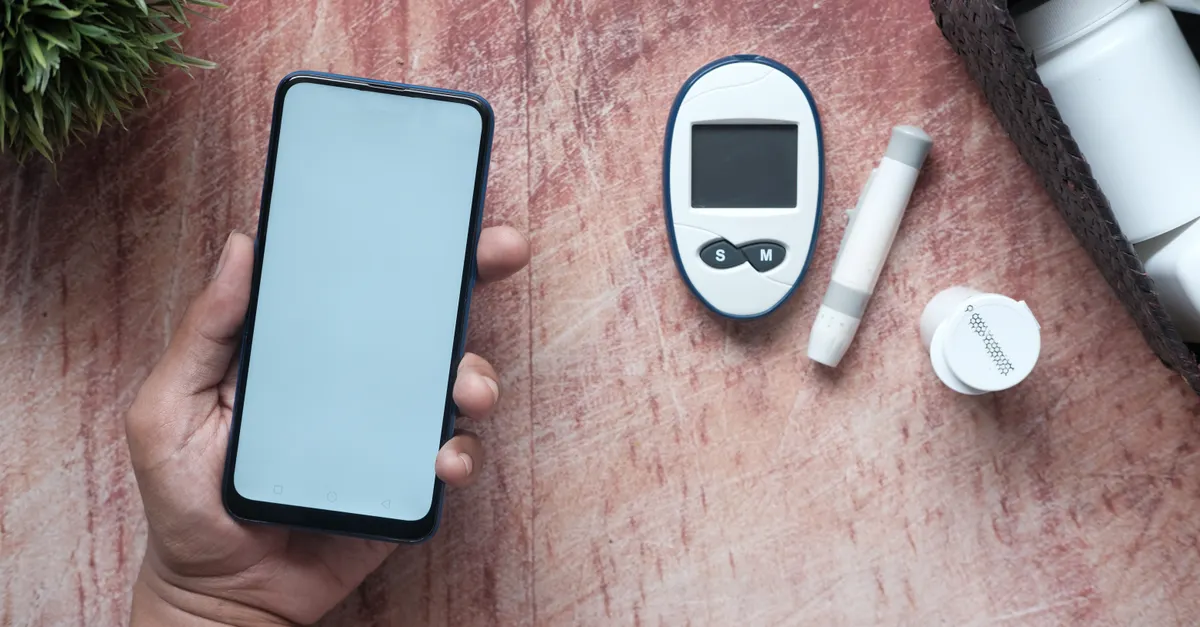
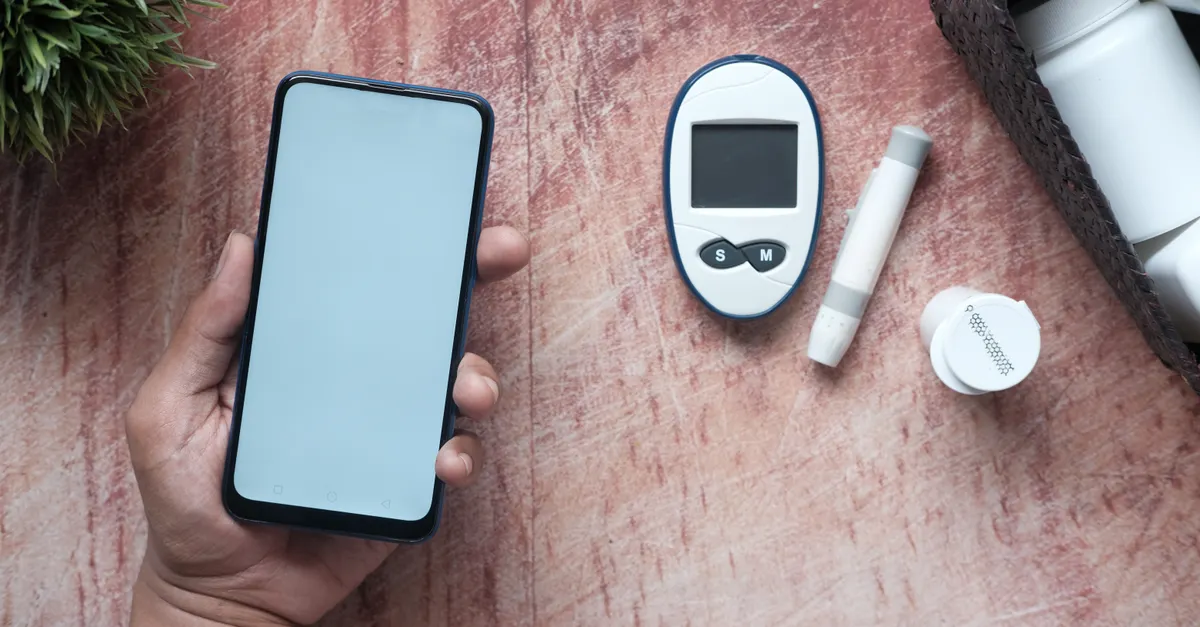
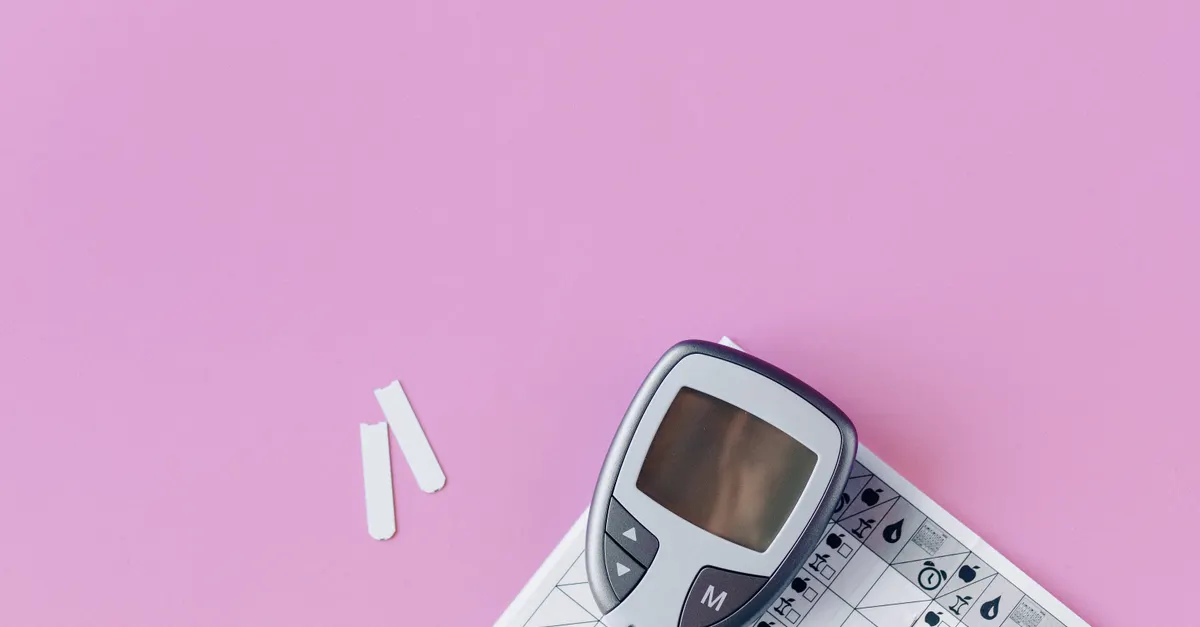
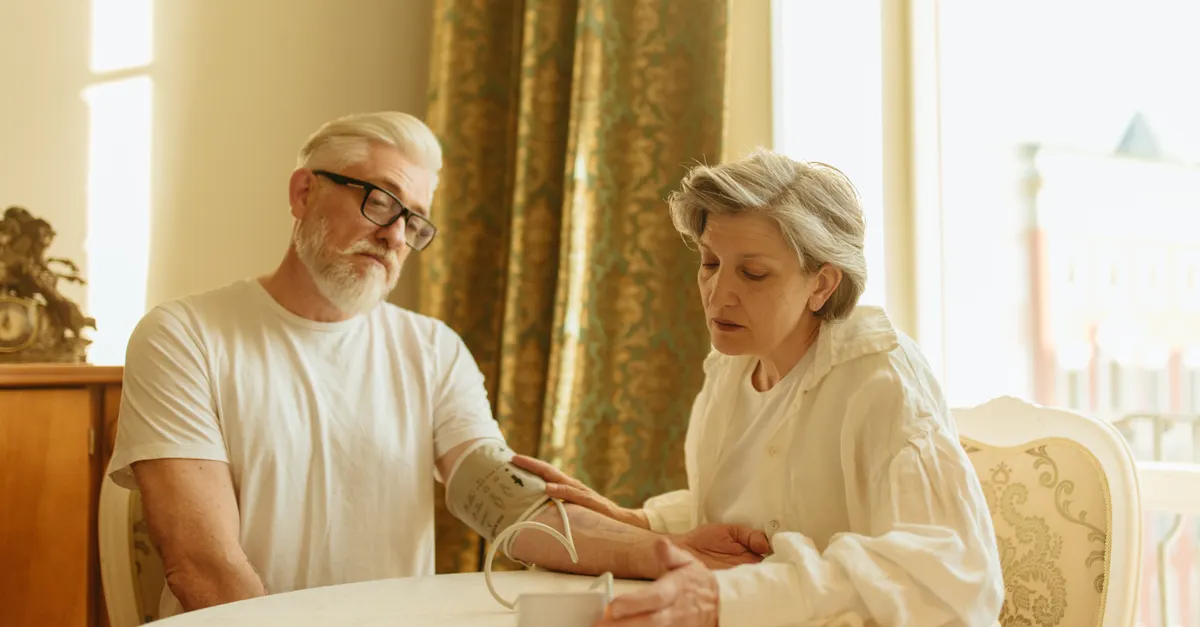
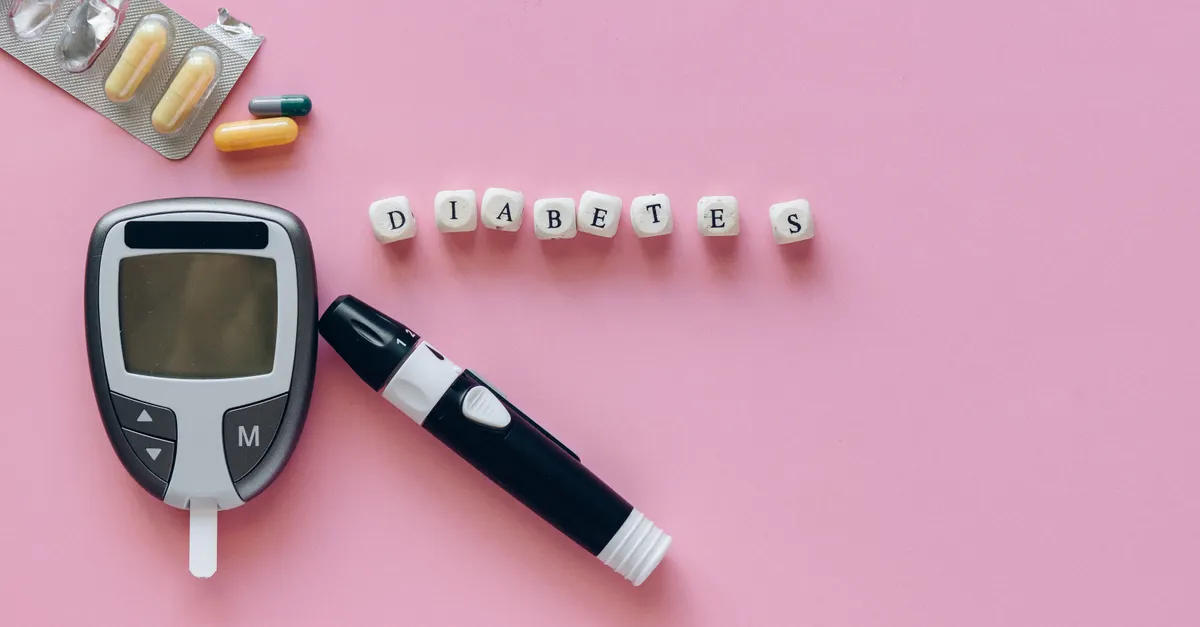
- Connected medical equipment: Devices like blood pressure monitors, glucometers, and pulse oximeters can transmit readings directly to healthcare providers.
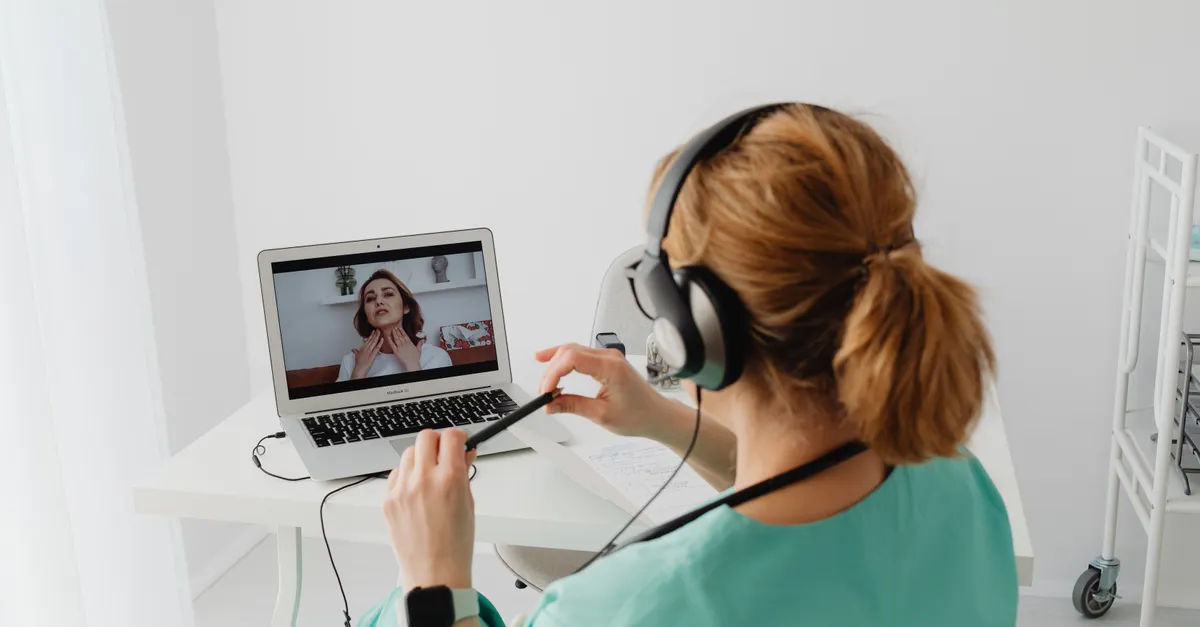
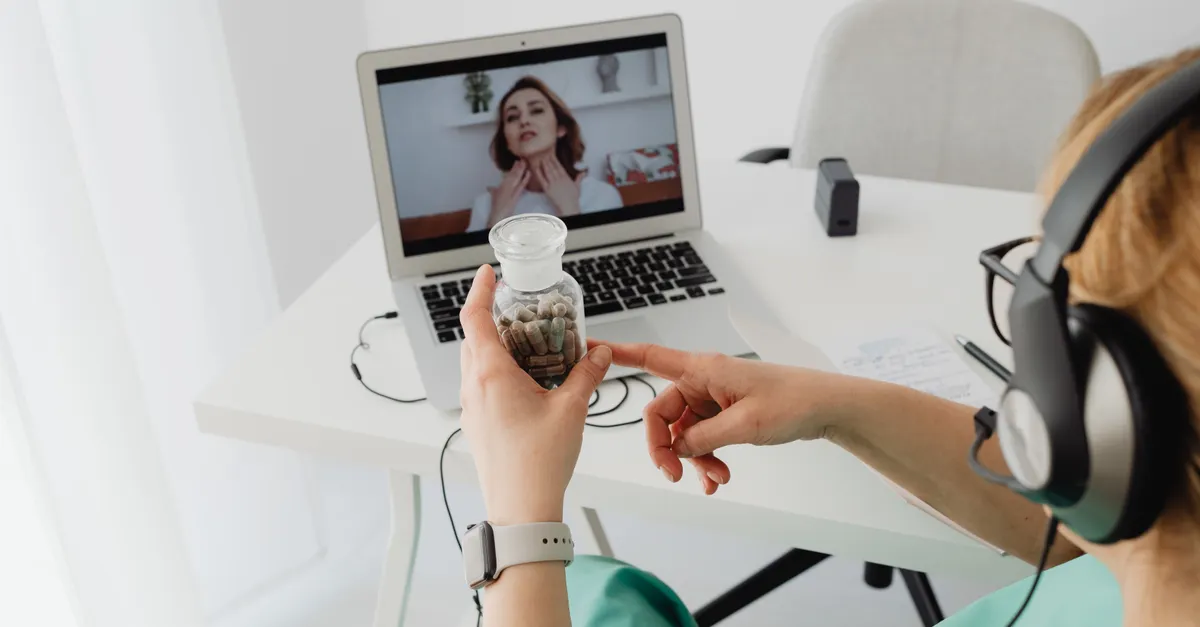
- Telehealth platforms: Video conferencing and secure messaging enable virtual consultations, making it easier for seniors to communicate with their care teams.
- Medication management tools: Smart pill dispensers and reminder apps help ensure adherence to prescribed regimens.
Many of these devices are designed with seniors in mind, featuring large displays, simple interfaces, and automated alerts. When selecting equipment, it’s important to consider ease of use, compatibility with existing systems, and the ability to share data securely with healthcare professionals.
Challenges and Barriers to Adoption
While the benefits of remote health monitoring are clear, there are several challenges that can hinder its successful implementation among older adults.
- Technical literacy: Some seniors may find it difficult to operate digital devices or troubleshoot connectivity issues.
- Access to technology: Reliable internet access and compatible smartphones or tablets are not always available, particularly in rural or underserved areas.
- Privacy and security concerns: Seniors and their families may worry about how personal health information is stored and shared.
- Cost: The price of devices and ongoing service fees can be a barrier, especially if insurance coverage is limited.
- Integration with care teams: Not all healthcare providers are equipped to receive and interpret remote data, which can limit the effectiveness of monitoring programs.
Caregivers play a crucial role in helping seniors overcome these obstacles. They can assist with device setup, provide ongoing support, and advocate for solutions that meet the unique needs of their loved ones.
Addressing Privacy and Security in Remote Monitoring
One of the most important—and often overlooked—aspects of remote health monitoring for chronic conditions is the protection of sensitive health data. Seniors and their families must be aware of the privacy and security risks associated with digital health technologies.
Common Privacy and Security Risks
- Unauthorized access: If devices or platforms are not properly secured, unauthorized individuals could gain access to personal health information.
- Data breaches: Healthcare data is a frequent target for cybercriminals, and breaches can result in identity theft or financial loss.
- Inadequate data encryption: Without strong encryption, data transmitted between devices and healthcare providers may be intercepted.
- Unclear data ownership: Seniors may not always know who has access to their information or how it is being used.
Mitigating Privacy and Security Concerns
- Choose devices and platforms that comply with recognized healthcare data protection standards, such as HIPAA in the United States.
- Use strong, unique passwords for all accounts and enable two-factor authentication where possible.
- Regularly update device software to patch security vulnerabilities.
- Discuss data sharing policies with healthcare providers and ensure you understand who can access your information.
- Be cautious about sharing health data with third-party apps or services that may not have robust privacy protections.
Addressing these concerns proactively can help seniors and their families feel more confident about adopting remote health monitoring solutions. If there are doubts about the security of a particular device or service, it’s wise to consult with a healthcare professional or a trusted technology advisor before proceeding.
Conclusion and Practical Recommendations
Remote health monitoring offers valuable support for seniors managing chronic conditions, enabling better health outcomes and greater independence. However, it is essential to weigh the benefits against potential challenges, particularly regarding privacy and security. Seniors and caregivers should take the time to evaluate devices, understand how data is handled, and communicate openly with healthcare providers about their needs and concerns.
When considering remote monitoring solutions, look for user-friendly devices, clear privacy policies, and support from both family and medical professionals. Remember that while technology can enhance care, it should never replace professional medical advice. If symptoms worsen or there are concerns about device accuracy, always consult a healthcare provider.
Frequently Asked Questions
How does remote health monitoring compare to traditional check-ups?
Remote health monitoring provides continuous data and allows for early detection of issues, while traditional check-ups offer in-person assessments and direct interaction with healthcare providers. Many seniors find that combining both approaches leads to more comprehensive care. For a deeper comparison, see the discussion of remote health monitoring vs traditional check-ups.
Are remote health monitoring devices covered by insurance?
Coverage varies depending on the device, the healthcare provider, and the insurance plan. Some Medicare and private insurance plans may cover certain remote patient monitoring services, but it’s important to check with your provider for specifics.
What should I look for when choosing a remote health monitoring device?
Prioritize ease of use, compatibility with your healthcare provider’s systems, strong privacy protections, and reliable customer support. Reading reviews and consulting with your doctor can help you select the best option for your needs.