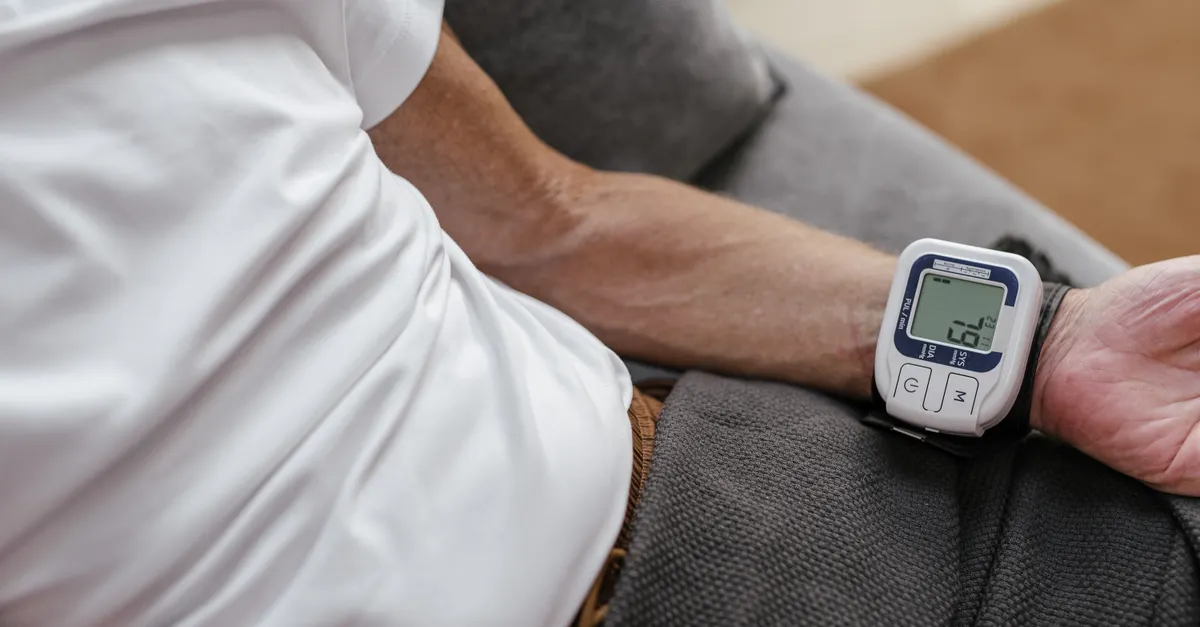
As our loved ones age, ensuring they receive the best healthcare becomes a priority. With advancements in technology, remote health monitoring has emerged as a modern alternative to traditional check-ups. This comparison is crucial for seniors and their caregivers, as it helps in understanding which method offers better health outcomes, convenience, and cost-effectiveness. Whether you’re a caregiver or a senior exploring your healthcare options, this article will guide you through the benefits and limitations of each approach.
For a deeper dive into how remote health monitoring works, you can explore more about how does remote health monitoring work.
Quick Comparison
| Aspect | Remote Health Monitoring | Traditional Check-Ups |
|---|---|---|
| Key Features | Uses digital devices for continuous health data collection | In-person visits with healthcare professionals |
| Pros |
|
|
| Cons |
|
|
| Ideal Use-Case | Best for seniors with mobility issues or chronic conditions | Suitable for those needing comprehensive assessments |
Remote Health Monitoring for Seniors
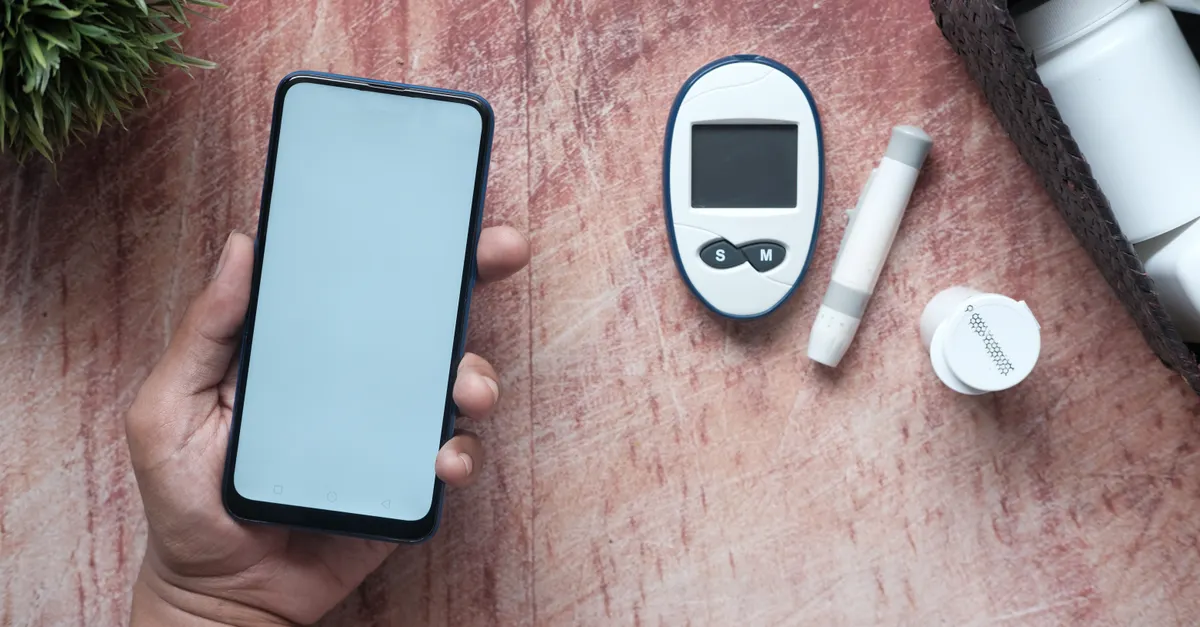
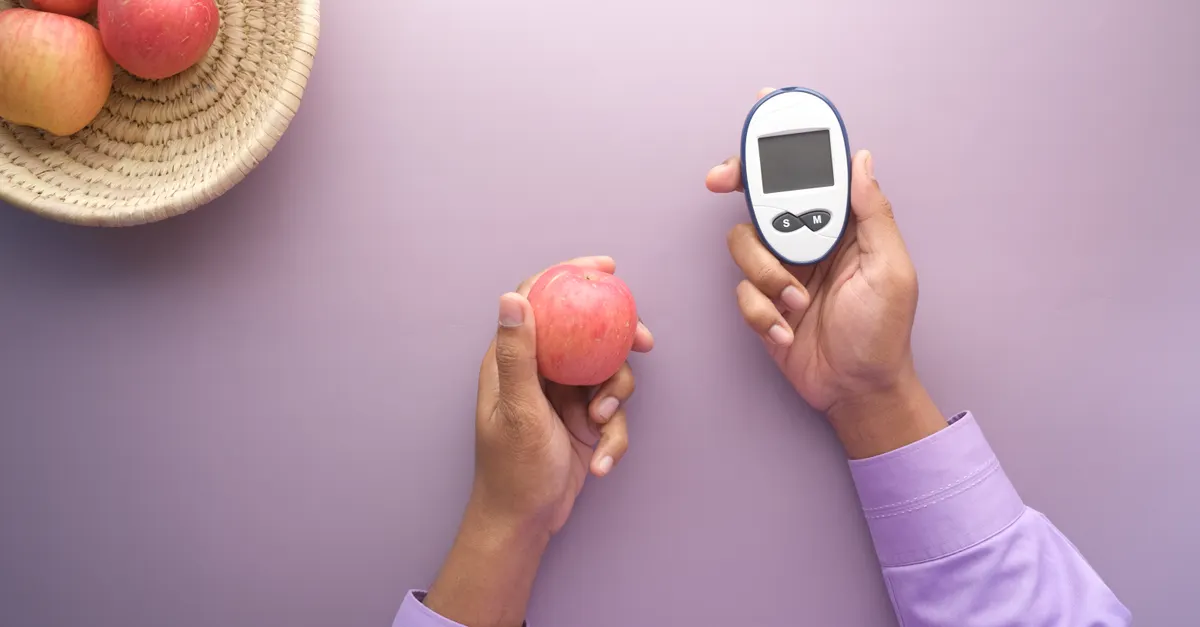
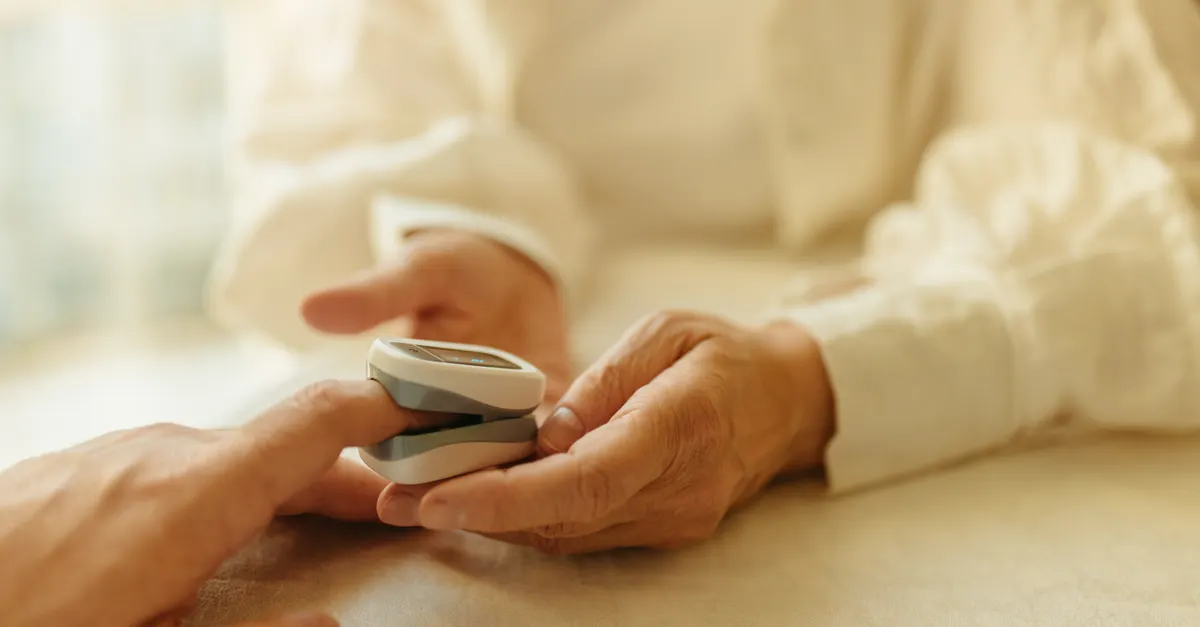
Remote health monitoring leverages technology to provide healthcare services outside traditional settings. This approach is particularly beneficial for seniors, offering continuous monitoring through devices like blood pressure monitors and weight scales. According to studies on remote monitoring, remote patient monitoring can lead to a 9.6% mean decrease in hospitalizations and a 3% mean decrease in all-cause mortality. Additionally, it can reduce emergency room visits by 30% and lower mortality rates by more than 40% over 12 months for patients with chronic conditions.
Pros
- Allows for real-time health tracking and alerts
- Improves access to healthcare for those in remote areas
- Facilitates better management of chronic diseases
Cons
- Dependence on reliable internet connectivity
- Requires seniors to be comfortable with technology
Traditional Check-Ups for Seniors
Traditional check-ups involve scheduled visits to healthcare facilities, where seniors receive face-to-face consultations with medical professionals. This method provides a comprehensive evaluation of a patient’s health, allowing for immediate medical interventions if necessary. While traditional check-ups are thorough, they can be time-consuming and may pose challenges for seniors with mobility issues.
Pros
- Direct interaction with healthcare providers ensures personalized care
- Immediate access to diagnostic tools and treatments
- Opportunity for comprehensive health assessments
Cons
- May require significant travel and waiting times
- Can be costly without insurance coverage
Head-to-Head Comparison
When comparing remote health monitoring and traditional check-ups, several factors come into play. In terms of performance, remote monitoring offers continuous data collection, which can be crucial for managing chronic conditions. However, traditional check-ups provide a comprehensive assessment that can catch issues not detectable through remote devices.
Regarding features, remote monitoring utilizes wearable devices and telehealth services, while traditional check-ups rely on in-person evaluations. Build quality of remote monitoring devices varies, and seniors must ensure they use reliable equipment. Pricing for remote monitoring can be more affordable in the long run, reducing the need for frequent hospital visits.
In terms of durability, remote devices require regular maintenance and updates, whereas traditional methods depend on the availability of healthcare professionals. Ultimately, remote monitoring is best for tech-savvy seniors with chronic conditions, while traditional check-ups are ideal for those needing comprehensive evaluations.
Which One Should You Choose?
The choice between remote health monitoring and traditional check-ups depends on individual needs and circumstances. For seniors who are comfortable with technology and have chronic conditions, remote monitoring offers convenience and continuous care. On the other hand, seniors who prefer face-to-face interactions and require comprehensive assessments may benefit more from traditional check-ups. It’s essential to consider factors such as mobility, access to technology, and personal preferences when making this decision.
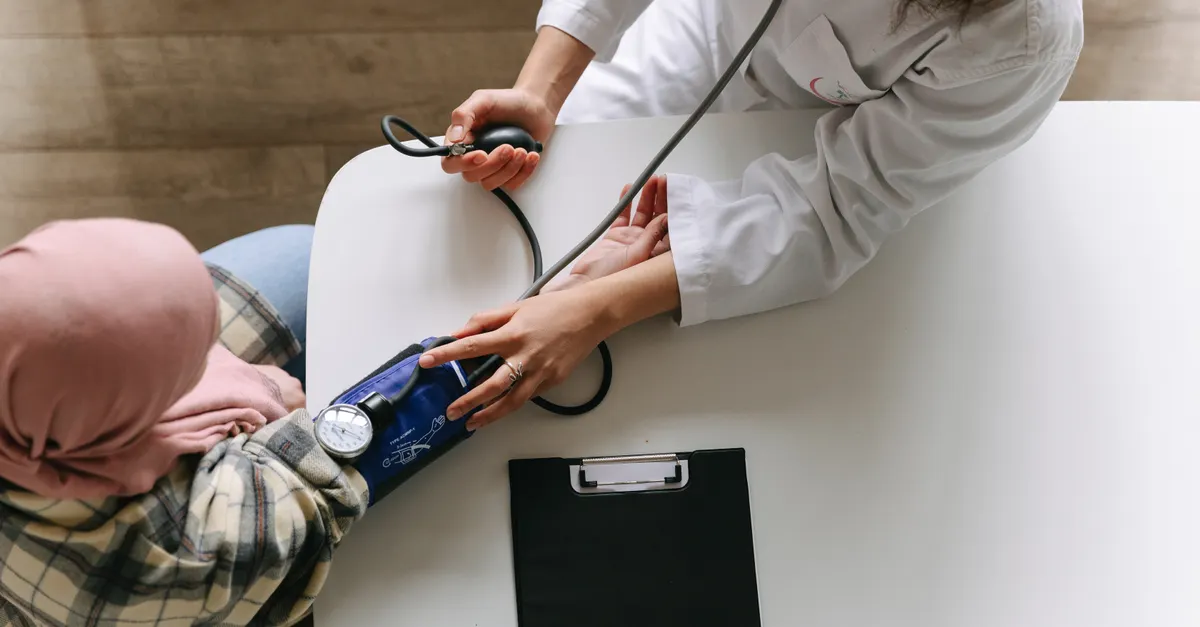
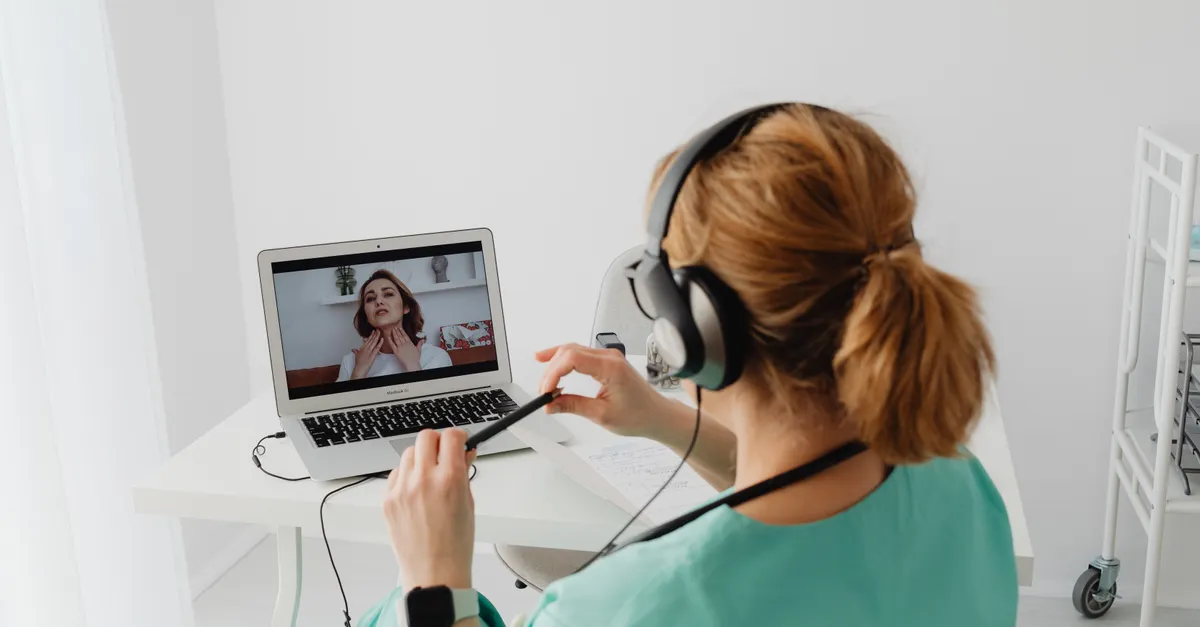
One of the critical factors influencing the decision between remote health monitoring and traditional check-ups is the role of healthcare providers. In remote health monitoring, healthcare providers play a pivotal role in interpreting data collected from devices and providing timely interventions. This requires a robust communication channel between seniors and their healthcare teams to ensure that any anomalies detected are addressed promptly. On the other hand, traditional check-ups rely on direct interactions, where healthcare providers can immediately assess and respond to a patient’s condition.
Patient adherence and engagement are also crucial in determining the success of remote health monitoring. Seniors need to be motivated to regularly use their monitoring devices and report any issues. This can be challenging, especially for those who are less familiar with technology. Education and support from caregivers and healthcare providers can enhance adherence, ensuring that seniors reap the full benefits of remote monitoring.
Finally, seniors’ preferences and satisfaction with their healthcare approach play a significant role in determining which method is more suitable. While some seniors may appreciate the convenience and independence offered by remote health monitoring, others may value the personal touch and reassurance provided by traditional check-ups. Understanding these preferences can guide caregivers and healthcare providers in recommending the most appropriate healthcare strategy for each individual senior.
Frequently Asked Questions
What are the benefits of remote health monitoring for seniors?
Remote health monitoring offers continuous health tracking, reduces hospital visits, and improves management of chronic conditions, making it highly beneficial for seniors.
How do traditional check-ups compare to remote monitoring in terms of effectiveness?
Traditional check-ups provide comprehensive assessments and immediate medical interventions, while remote monitoring offers continuous data collection and convenience.
Are there any safety concerns associated with remote health monitoring for seniors?
While remote health monitoring is generally safe, it requires seniors to be comfortable with technology and ensure data privacy and security.
Conclusion
Both remote health monitoring and traditional check-ups have their unique advantages and limitations. The best choice depends on the senior’s specific healthcare needs, comfort with technology, and personal preferences. By understanding the benefits and challenges of each approach, seniors and their caregivers can make informed decisions that enhance their quality of life and healthcare outcomes.