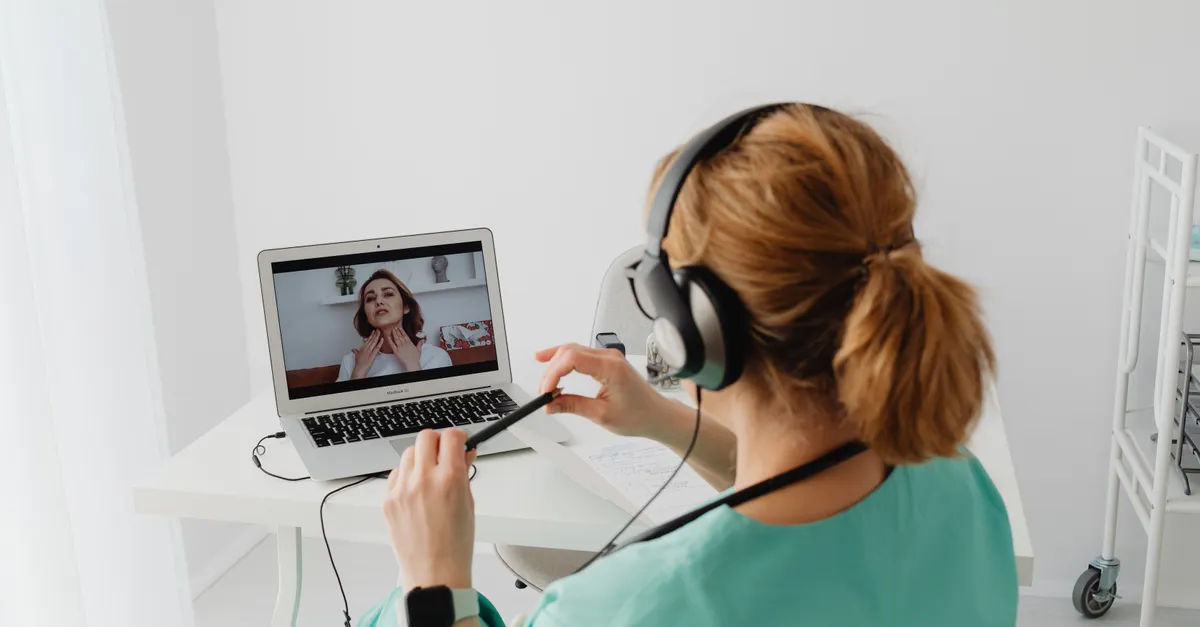
Remote health monitoring has rapidly evolved in recent years, becoming a cornerstone of modern senior care. As more older adults seek to age in place and maintain their independence, technology is stepping in to bridge gaps in healthcare access, safety, and daily wellness. This article explores the most significant remote health monitoring technology trends shaping senior healthcare, with a focus on innovations designed specifically for the needs of older adults.
Understanding the Shift: Trends Shaping Remote Health Monitoring
The landscape of remote health monitoring has changed dramatically, especially since the COVID-19 pandemic. According to academic research, the pandemic accelerated the adoption of digital health solutions, making telemedicine and virtual care mainstream for many populations, including seniors. These changes are not just temporary; they have set new expectations for how healthcare can be delivered outside traditional settings.
Key trends currently influencing this field include:
- Telehealth expansion: Video consultations, remote check-ins, and digital follow-ups are now routine, improving access for seniors who may have mobility or transportation challenges.
- Wearable health devices: Devices that track heart rate, blood pressure, glucose levels, and activity are increasingly common and designed with seniors in mind.
- Integration of AI and machine learning: Algorithms help detect anomalies in health data, alert caregivers, and even predict potential health events before they occur.
- Data-driven care: Continuous streams of health data enable more personalized and proactive interventions, reducing hospitalizations and improving outcomes.
Research from the University of Illinois at Chicago highlights that these technologies not only improve patient access and outcomes but also help reduce healthcare costs by minimizing unnecessary hospital visits and enabling earlier interventions.
Innovations Designed for Senior Needs
While many remote health monitoring solutions are available, those tailored for older adults address specific challenges such as ease of use, accessibility, and integration with daily routines. Here are some of the most impactful innovations:
Senior-Friendly Wearables
Modern wearable devices have evolved beyond fitness tracking. For seniors, devices now offer features like fall detection, medication reminders, and emergency alert buttons. Designs prioritize comfort, large displays, and simple interfaces. Some even integrate with medical alert systems to provide immediate assistance if needed.
Voice-Activated Health Assistants
Voice technology is making remote health monitoring more accessible for seniors who may struggle with touchscreens or small buttons. Devices that respond to voice commands can record symptoms, remind users to take medications, or connect them with healthcare providers. This hands-free approach reduces barriers for those with limited dexterity or vision.
AI-Powered Monitoring Platforms
Artificial intelligence is being embedded in remote monitoring platforms to analyze trends in health data. For example, AI can flag irregular heart rhythms or changes in daily activity that may indicate a health issue. These platforms often connect directly to healthcare teams, enabling timely interventions and reducing the risk of complications.
Integration with Telehealth Services
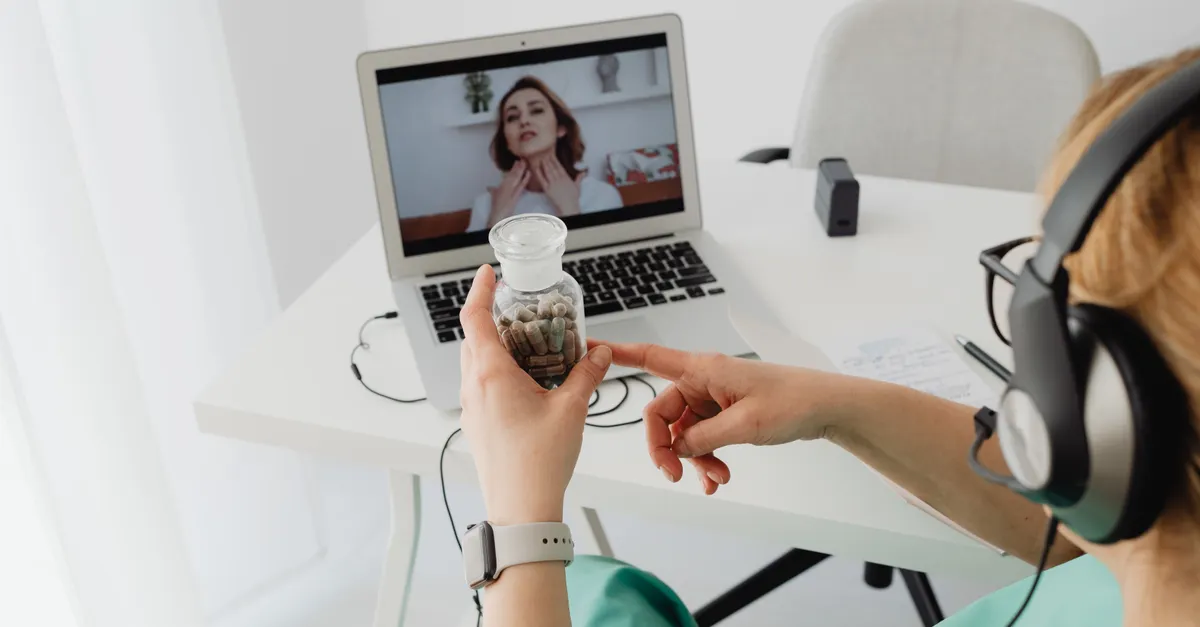
Remote monitoring devices now seamlessly connect with telehealth platforms, allowing healthcare providers to access real-time data during virtual visits. This integration supports more accurate assessments and personalized care plans, especially for chronic disease management.
Accessible Home Monitoring Tools
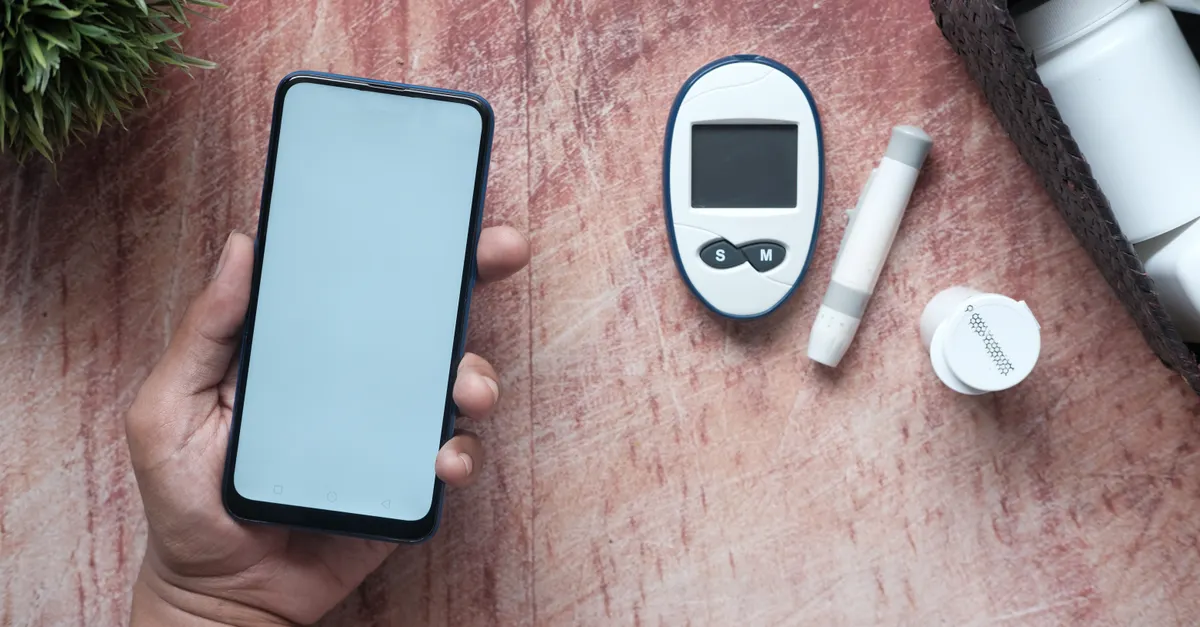
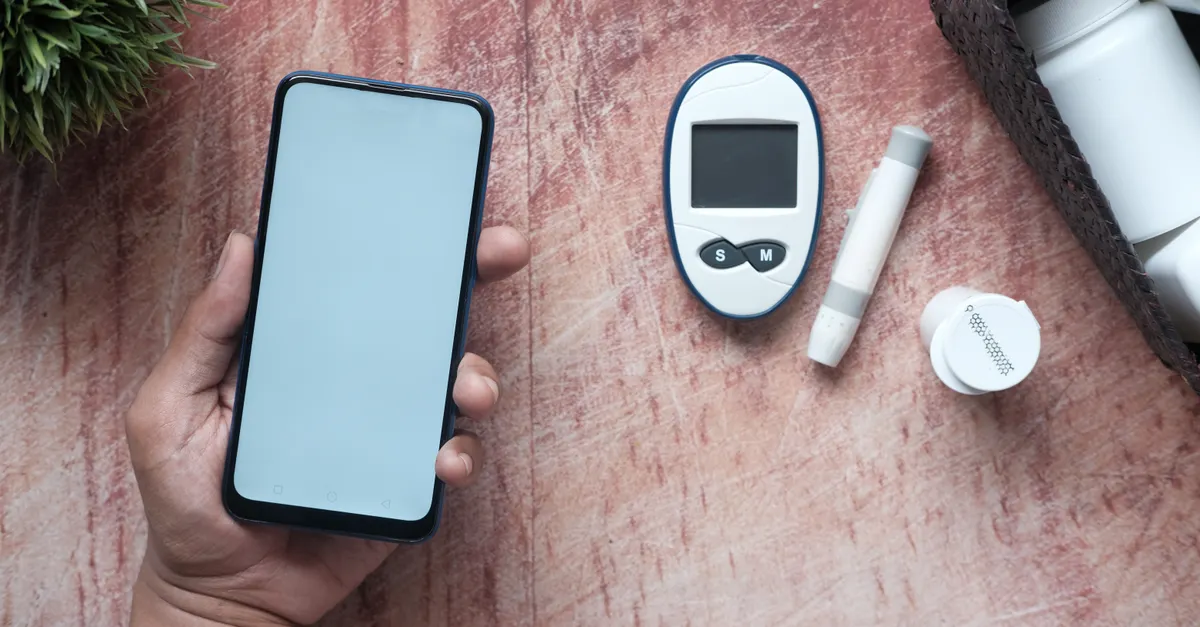
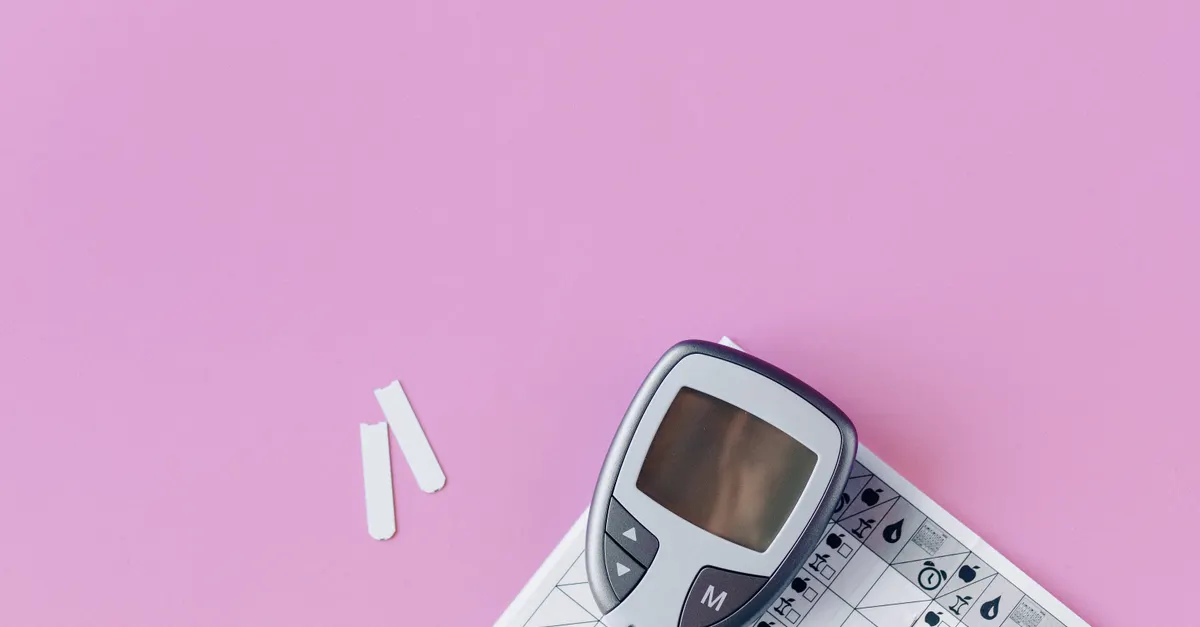
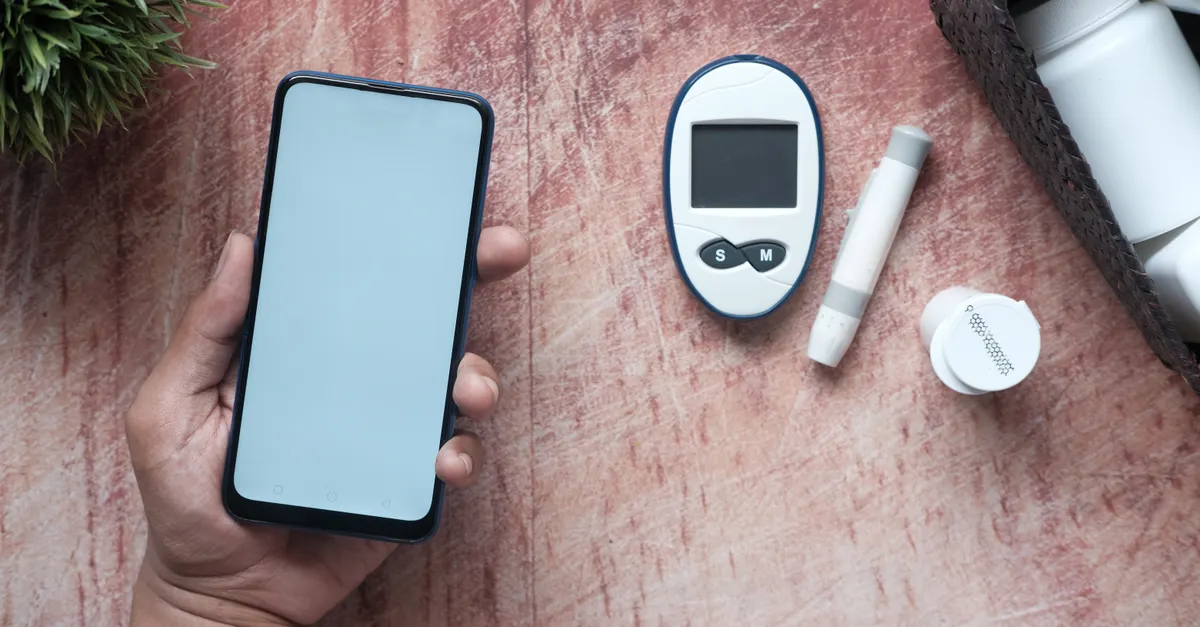
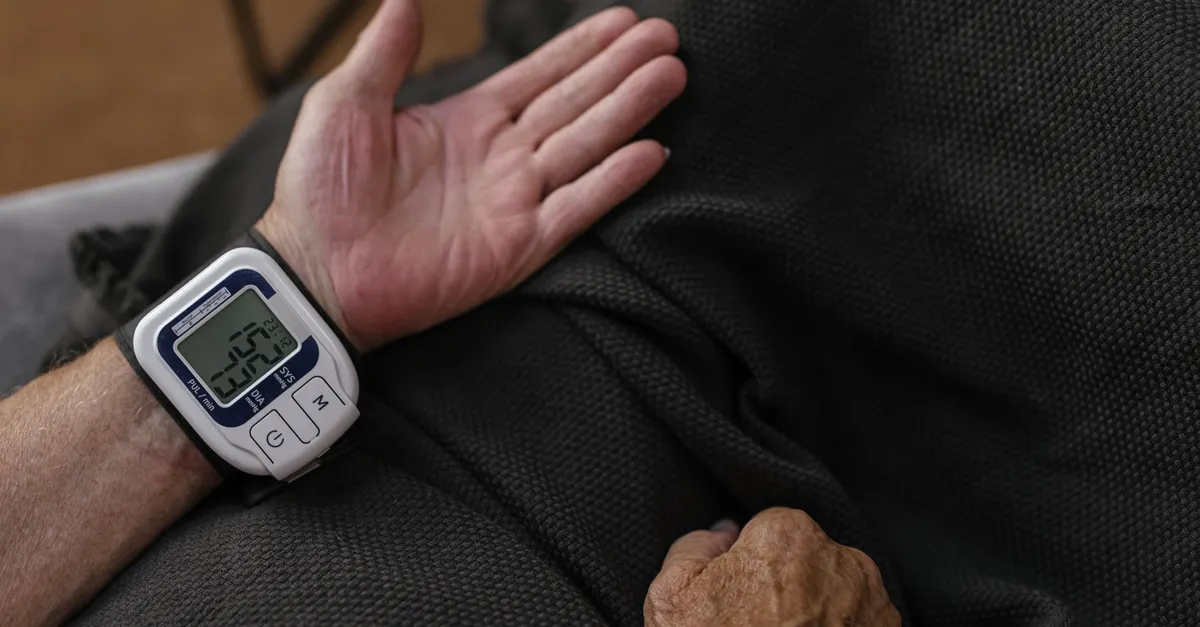
Home-based devices such as smart blood pressure cuffs, digital scales, and glucose monitors are increasingly designed with seniors in mind. Features like large displays, audio feedback, and automatic data syncing make it easier for older adults to manage their health independently.
For those interested in comparing the latest options, resources like a best remote health monitoring devices guide can help identify user-friendly solutions.
Overcoming Challenges: Barriers to Adoption for Seniors
Despite the promise of remote health monitoring, several challenges remain, particularly for older adults. Understanding these barriers is essential for successful implementation and long-term adoption.
Technology Literacy and Accessibility
Many seniors may feel intimidated by new technology or lack experience with smartphones and digital devices. Solutions that offer simple interfaces, clear instructions, and robust customer support are more likely to be embraced. Community education and training programs can also help bridge the digital divide.
Data Privacy and Security Concerns
With the increase in data collection comes heightened concern about privacy. Seniors and their families often worry about who can access sensitive health information and how it is protected. Developers are responding by implementing stronger encryption, secure data storage, and transparent privacy policies. It’s important for users to understand how their data is managed and to choose devices from reputable providers.
Connectivity and Infrastructure Limitations
Reliable internet access is a prerequisite for many remote monitoring solutions. Seniors in rural or underserved areas may face connectivity issues, limiting the effectiveness of these technologies. Expanding broadband access and offering devices that can operate offline or with minimal connectivity are important steps toward inclusivity.
Cost and Reimbursement
While remote health monitoring can reduce long-term healthcare costs, the initial investment in devices and services can be a barrier. Insurance coverage and reimbursement policies are evolving, but not all solutions are covered. Seniors and caregivers should explore available benefits and support programs to offset costs.
Pros and Cons of Remote Health Monitoring for Seniors
Pros:
- Improved access to healthcare, especially for those with mobility challenges
- Early detection of health issues through continuous monitoring
- Enhanced independence and peace of mind for seniors and families
- Potential reduction in hospitalizations and emergency visits
Cons:
- Potential technology learning curve for some seniors
- Concerns about data privacy and security
- Dependence on reliable internet connectivity
- Upfront costs for devices and services
Looking Ahead: The Future of Remote Health Monitoring for Seniors
The future of remote health monitoring promises even greater integration of technology and personalized care. Anticipated advancements include:
- Smarter AI algorithms that can predict health events with greater accuracy and provide tailored recommendations.
- Interoperability between devices and healthcare systems, allowing seamless sharing of health data across providers.
- Expanded telemedicine capabilities that incorporate more diagnostic tools and real-time monitoring during virtual visits.
- Greater focus on preventive care, using continuous data to identify risks and intervene before health issues escalate.
- Personalized health coaching delivered through digital platforms, supporting seniors in managing chronic conditions and maintaining wellness.
As these technologies continue to evolve, the emphasis will remain on making solutions more user-friendly, accessible, and secure for older adults. Collaboration between technology developers, healthcare providers, and senior advocacy organizations will be key to ensuring that innovations truly meet the needs of this growing demographic.
Conclusion
Remote health monitoring is transforming senior care by enabling proactive, personalized, and accessible healthcare outside traditional settings. The latest remote health monitoring technology trends reflect a commitment to meeting the unique needs of older adults, from user-friendly wearables to AI-powered platforms and integrated telehealth services. While challenges remain, ongoing innovation and a focus on inclusivity are paving the way for better health outcomes and greater independence for seniors. For those considering these solutions, understanding the best practices for remote health monitoring can help maximize the benefits and ensure a smoother transition to digital care.
Frequently Asked Questions
How does remote health monitoring improve healthcare outcomes for seniors?
By providing continuous, real-time data to healthcare providers, remote health monitoring enables earlier detection of health issues, more personalized care plans, and quicker interventions. This leads to fewer hospitalizations, better management of chronic conditions, and improved overall well-being for seniors.
What are the main challenges seniors face with remote health monitoring technology?
The primary challenges include technology literacy, concerns about data privacy, the need for reliable internet connectivity, and the upfront cost of devices. Addressing these barriers requires user-friendly designs, strong privacy protections, expanded broadband access, and supportive reimbursement policies.
What future advancements can be expected in remote health monitoring for seniors?
Future developments are likely to include smarter AI for predictive health analytics, better integration between devices and healthcare systems, expanded telemedicine features, and more personalized digital health coaching. These advancements aim to make remote monitoring even more effective and accessible for older adults.