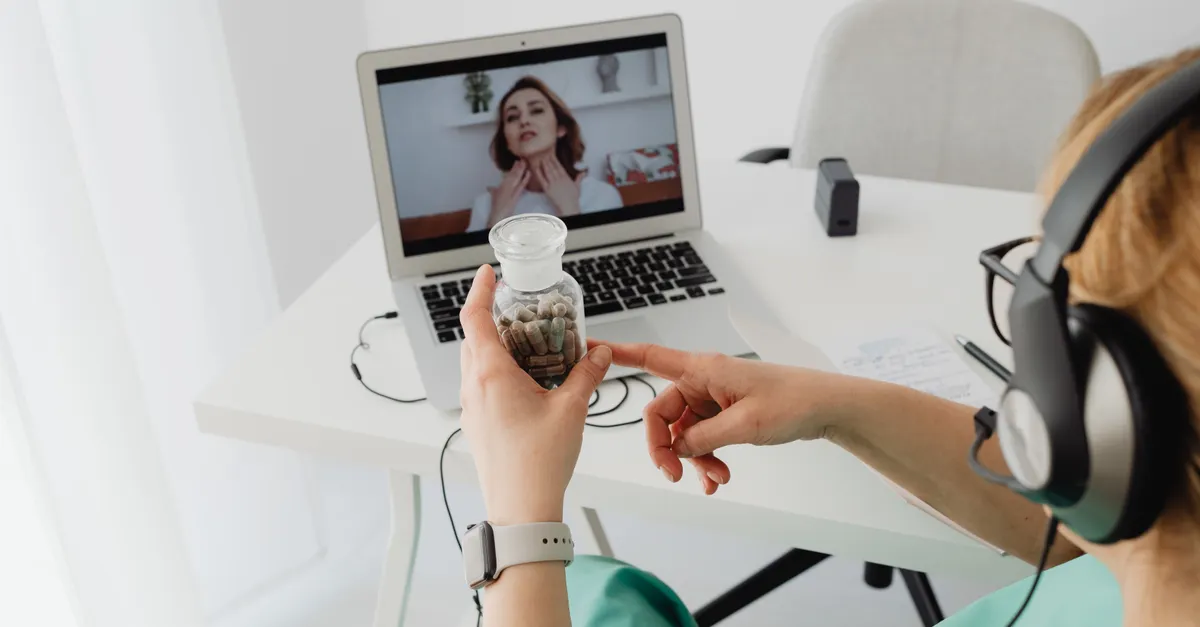
Remote health monitoring has become an essential part of modern senior care, allowing older adults to maintain independence while ensuring their well-being is closely observed. As the senior population grows and chronic health conditions become more prevalent, families and healthcare providers are increasingly turning to technology to bridge the gap between in-person visits and daily health needs. Understanding best practices for remote health monitoring is crucial for anyone looking to implement these systems effectively and safely, especially given the unique challenges and requirements of older adults. This guide explores the advantages, obstacles, and actionable strategies for successful remote health monitoring, always emphasizing the importance of professional oversight and knowing when to seek expert help.
Key Advantages of Remote Health Monitoring for Older Adults
Implementing remote health monitoring systems offers several significant benefits for seniors and their caregivers. These advantages go beyond convenience, directly impacting health outcomes and quality of life.
- Continuous Observation: Remote patient monitoring enables healthcare professionals to track vital signs and health trends in real time. According to a systematic review published in 2024, this approach allows for prompt responses to changes in a senior’s condition, reducing the risk of complications.
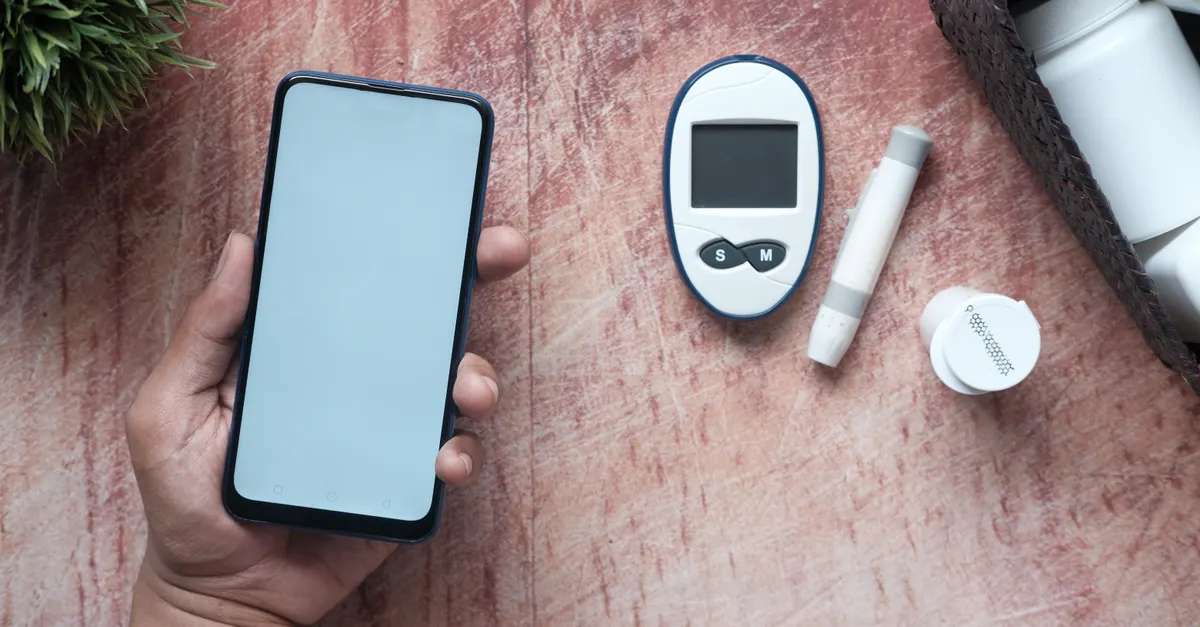
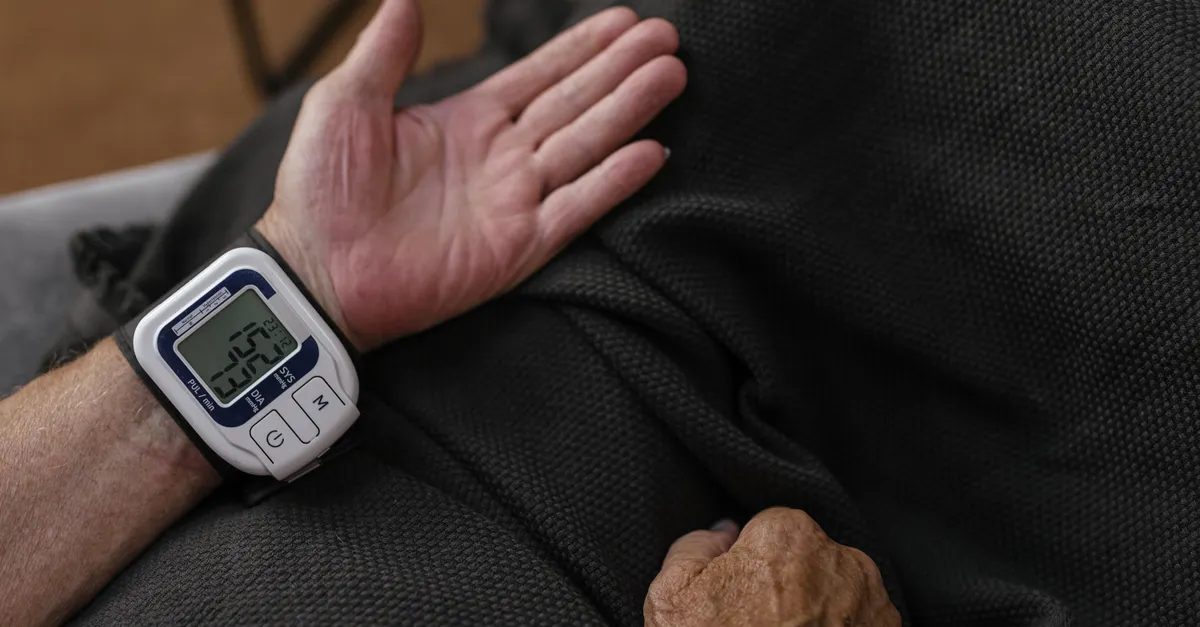
- Chronic Disease Management: Many seniors live with conditions such as hypertension, diabetes, or heart disease. Remote monitoring supports ongoing management by providing regular biometric data, which helps adjust treatment plans quickly and effectively.
- Enhanced Patient Engagement: Studies show that seniors who use remote monitoring tools are more likely to stay engaged with their care plans. This increased involvement often leads to better adherence to medication and lifestyle recommendations.
- Reduced Hospitalizations: By catching issues early, remote monitoring can help prevent unnecessary hospital admissions, which is especially important for seniors who may face higher risks during hospital stays.
- Support for Independent Living: With the reassurance of continuous monitoring, many older adults can remain in their homes longer, maintaining autonomy while still receiving appropriate medical oversight.
These benefits are most pronounced when remote health monitoring is tailored to the specific needs and routines of older adults, ensuring both safety and comfort.
Common Obstacles in Setting Up Remote Monitoring for Seniors
While the advantages are clear, implementing remote health monitoring for seniors comes with its own set of challenges. Addressing these obstacles early can make the difference between a successful program and one that fails to deliver meaningful results.
- Technological Barriers: Not all seniors are comfortable with digital devices or apps. Some may have limited experience with smartphones, tablets, or wearable sensors, making initial setup and ongoing use a hurdle.
- Accessibility Issues: Physical limitations such as impaired vision, hearing loss, or reduced dexterity can make it difficult for some seniors to interact with technology. Devices must be chosen and configured with these factors in mind.
- Patient Engagement: Keeping seniors motivated to use monitoring devices consistently can be challenging. Engagement strategies need to be age-appropriate and sensitive to individual preferences.
- Data Security Concerns: Protecting sensitive health information is critical. Seniors and their families may worry about privacy and the risk of data breaches.
- Integration with Existing Care: Remote monitoring should complement, not replace, traditional healthcare. Ensuring seamless communication between remote systems and healthcare providers is essential for coordinated care.
Many of these challenges can be addressed through thoughtful planning, clear communication, and the involvement of healthcare professionals at every stage.
Best Practices for Remote Health Monitoring in Senior Care
To maximize the benefits and minimize the risks, it is important to follow evidence-based strategies when setting up remote health monitoring for older adults. Below are key practices to guide successful implementation.
1. Choose Age-Appropriate Devices
Select monitoring tools that are specifically designed for seniors. Look for devices with large displays, simple interfaces, and clear audio cues. When evaluating options, consider resources like how to choose remote health monitoring devices to ensure the right fit for individual needs.
2. Prioritize Professional Oversight
Remote health monitoring should always be supervised by qualified healthcare providers. Regular review of data by nurses or physicians ensures that any concerning trends are addressed promptly. Encourage seniors and their families to reach out to professionals if they notice unusual readings or symptoms.
3. Integrate with Telehealth Services
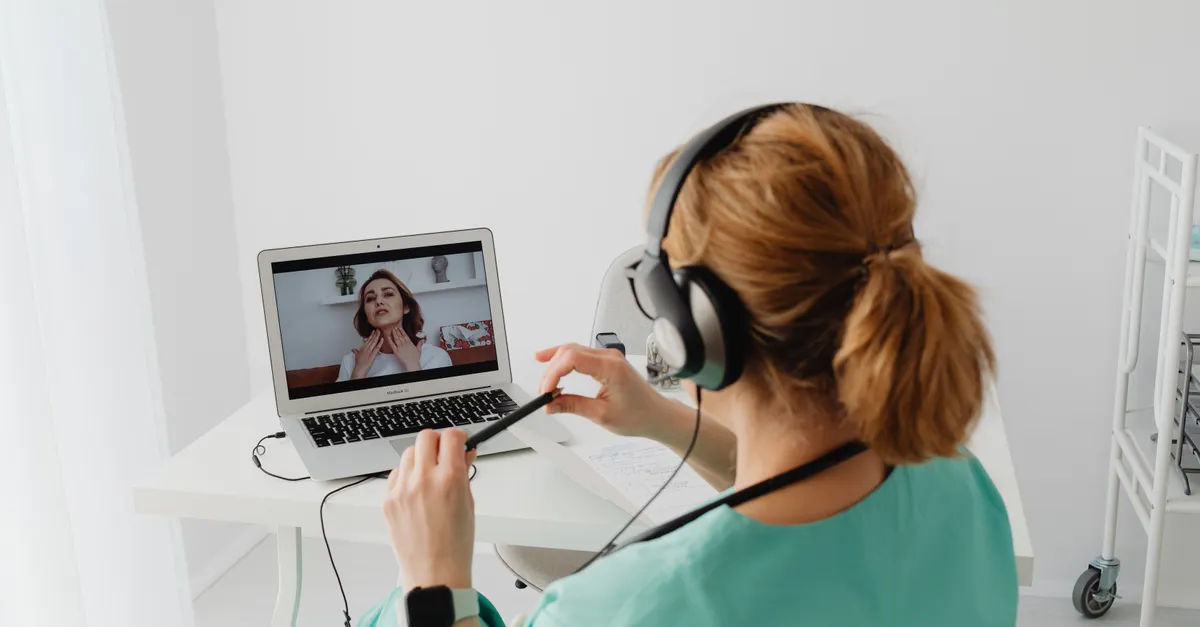
Combining remote monitoring with telehealth visits creates a more comprehensive care model. According to research, this approach is especially effective for seniors who require regular biometric monitoring. Telehealth appointments allow for timely adjustments to care plans based on real-time data.
4. Address Accessibility and Usability
Make sure devices are easy to use for those with vision, hearing, or mobility challenges. Features like voice prompts, tactile buttons, and adjustable font sizes can make a significant difference. Provide hands-on training and written instructions tailored to the senior’s abilities.
5. Ensure Data Security and Privacy
Protecting personal health information is a top priority. Use devices and platforms that comply with healthcare privacy standards, such as HIPAA in the United States. Educate seniors and caregivers about safe data practices, including password management and recognizing phishing attempts.
6. Foster Patient Engagement
Encourage seniors to take an active role in their health monitoring. Use reminders, positive reinforcement, and easy-to-understand feedback to keep them motivated. Involve family members or caregivers when appropriate, as social support can boost adherence.
7. Align with Regulatory and Reimbursement Guidelines
If remote monitoring is part of a formal healthcare plan, ensure compliance with relevant regulations. For example, the Centers for Medicare & Medicaid Services (CMS) has specific billing and documentation requirements for reimbursement. Staying informed about these guidelines helps avoid administrative issues and ensures continued access to services.
Integrating Remote Monitoring with Existing Healthcare Systems
Successful remote health monitoring for seniors depends on seamless integration with current healthcare practices. This means sharing data securely with primary care providers, specialists, and caregivers, and ensuring that remote monitoring complements in-person visits rather than replacing them. Many healthcare systems now use electronic health records (EHRs) that can receive data from remote monitoring devices, making it easier to track trends and coordinate care.
Healthcare professionals should work closely with seniors and their families to develop personalized monitoring plans, adjusting as health needs change. Regular communication between all parties helps maintain trust and ensures that remote monitoring remains a supportive tool rather than a source of confusion or anxiety.
Conclusion
Remote health monitoring offers a powerful way to support seniors in managing their health, staying independent, and reducing the risk of serious complications. By understanding the unique challenges faced by older adults and following best practices for remote health monitoring, families and healthcare providers can create systems that are safe, effective, and tailored to individual needs. Professional oversight remains essential, and it is important to seek medical guidance whenever there are concerns about a senior’s health or the functioning of monitoring equipment. With thoughtful implementation, remote monitoring can become a valuable part of comprehensive senior care.
Frequently Asked Questions
What technologies are most important for effective remote health monitoring?
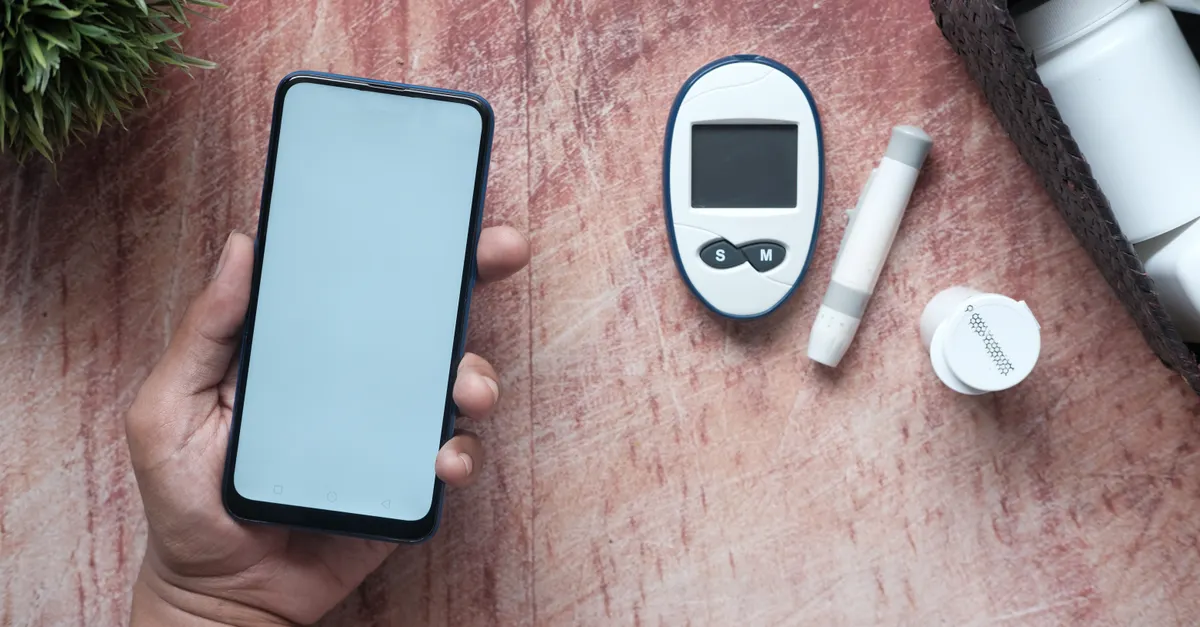
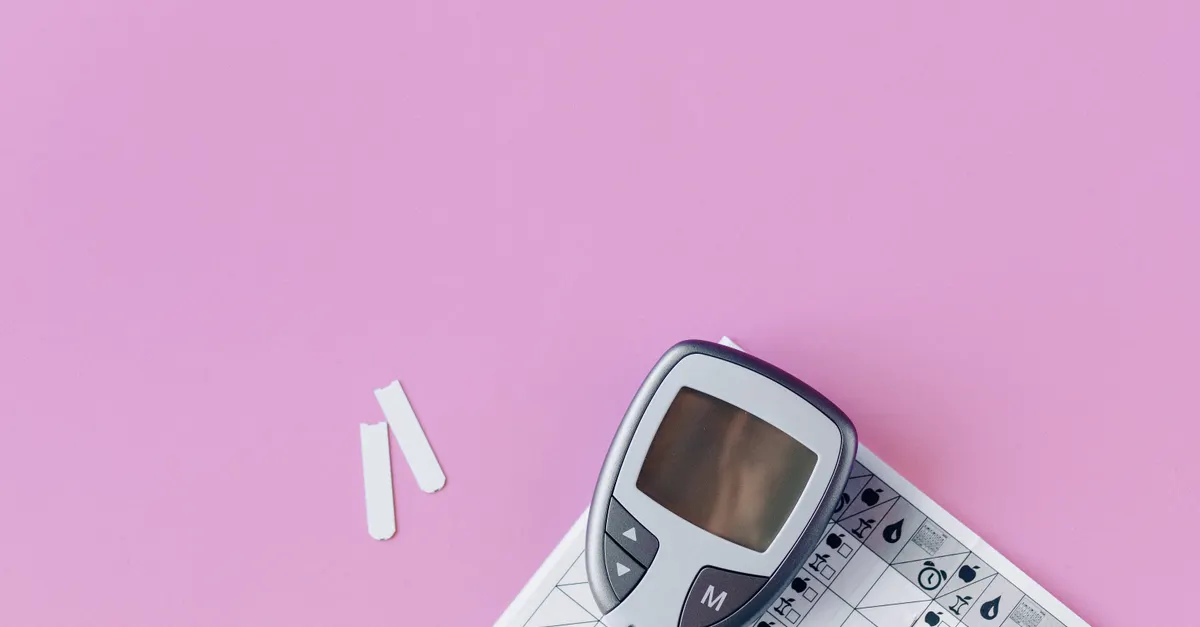
Key technologies include wearable sensors, blood pressure monitors, glucose meters, and devices that track heart rate or oxygen saturation. These tools often connect to mobile apps or web platforms, allowing healthcare providers to review data remotely. It’s important to choose devices that are user-friendly and suitable for seniors’ specific health needs.
How does remote health monitoring improve outcomes for seniors?
Remote monitoring enables early detection of health changes, which allows for timely intervention and adjustment of treatment plans. This proactive approach can prevent hospitalizations, improve chronic disease management, and enhance overall quality of life for seniors.
What should families consider when starting remote health monitoring for an older adult?
Families should assess the senior’s comfort with technology, physical abilities, and specific health conditions. It’s also important to involve healthcare professionals in selecting and setting up devices, provide training and support, and ensure that data privacy and security measures are in place.