In the competitive world of metal fabrication, maximizing material efficiency is crucial for both cost control and sustainability. Steel stamping material nesting strategies play a pivotal role in ensuring that every sheet or coil of steel is used to its fullest potential. By optimizing how parts are arranged and cut from raw material, manufacturers can significantly reduce waste, improve throughput, and enhance overall profitability.
This article explores practical approaches to material nesting in steel stamping, with a focus on actionable techniques, software tools, and process improvements. Whether you are an engineer, production manager, or quality specialist, understanding these methods can help you streamline operations and achieve better results from your stamping projects.
For those interested in related process improvements, you may also want to review how to reduce tool wear in heavy gauge stamping, which covers additional ways to boost efficiency and extend tool life in demanding production environments.
Why Material Nesting Matters in Steel Stamping
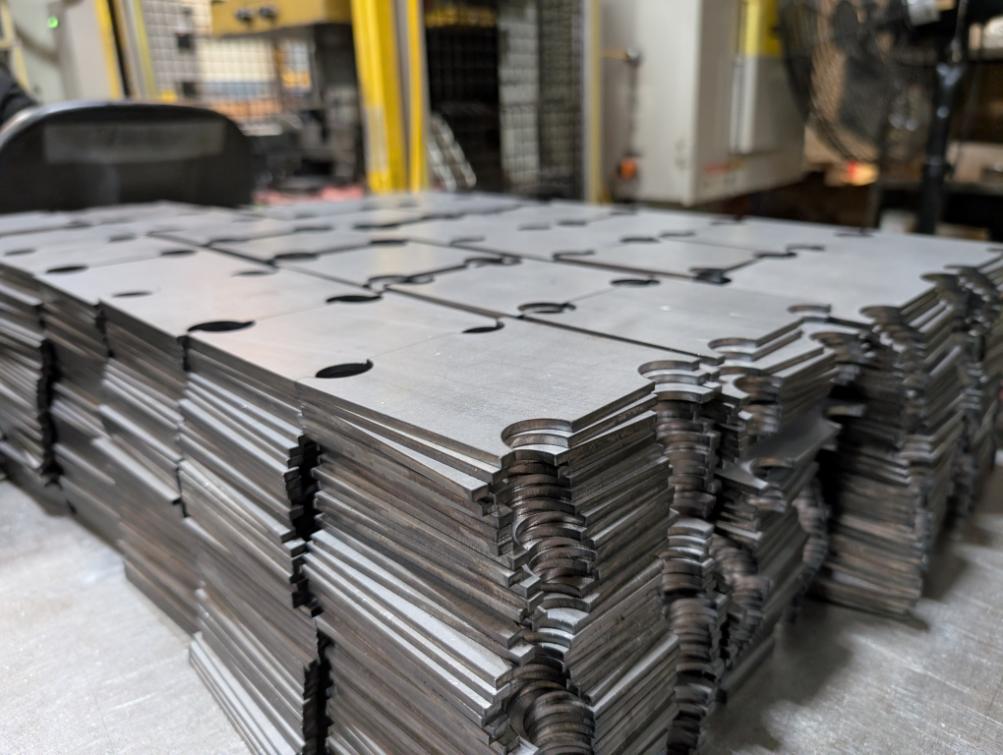
Material nesting refers to the process of arranging multiple part shapes on a sheet or coil of steel to minimize scrap and maximize yield. In stamping operations, the cost of raw material is often one of the largest expenses, so even small improvements in nesting efficiency can have a significant financial impact.
- Reduced Waste: Efficient layouts mean less unused material, lowering overall costs.
- Improved Productivity: Smart nesting can decrease the number of setups and changeovers required.
- Sustainability: Less scrap translates to a smaller environmental footprint.
- Consistent Quality: Optimized nesting can help maintain part integrity and reduce defects.
Core Principles of Steel Stamping Material Nesting
To achieve optimal results, it’s important to understand the foundational principles behind effective nesting. These include:
- Part Orientation: Rotating parts to fit more efficiently on the sheet can drastically improve material usage. However, some parts may have orientation restrictions due to grain direction or functional requirements.
- Common-Line Cutting: Arranging parts so they share a cut line reduces the number of cuts needed and minimizes scrap between parts.
- Part Grouping: Nesting similar or compatible parts together can simplify production and reduce tool changes.
- Edge Utilization: Placing parts close to the edge of the material ensures minimal leftover strips.
- Software Optimization: Modern nesting software uses algorithms to automatically generate the most efficient layouts, factoring in part geometry, material properties, and machine constraints.
Advanced Approaches to Material Layout Optimization
Beyond basic nesting, advanced strategies can further enhance material utilization in steel stamping. These include:
- Dynamic Nesting: Adjusting layouts in real-time based on actual production data, such as coil width variations or material defects.
- Batch Nesting: Combining orders or part runs to create larger, more efficient nests across multiple jobs.
- Remnant Management: Tracking and reusing leftover material from previous runs to minimize waste.
- Simulation and Virtual Testing: Using digital twins or simulation software to test different nesting scenarios before actual production.
Integrating Nesting Software in Steel Stamping Operations
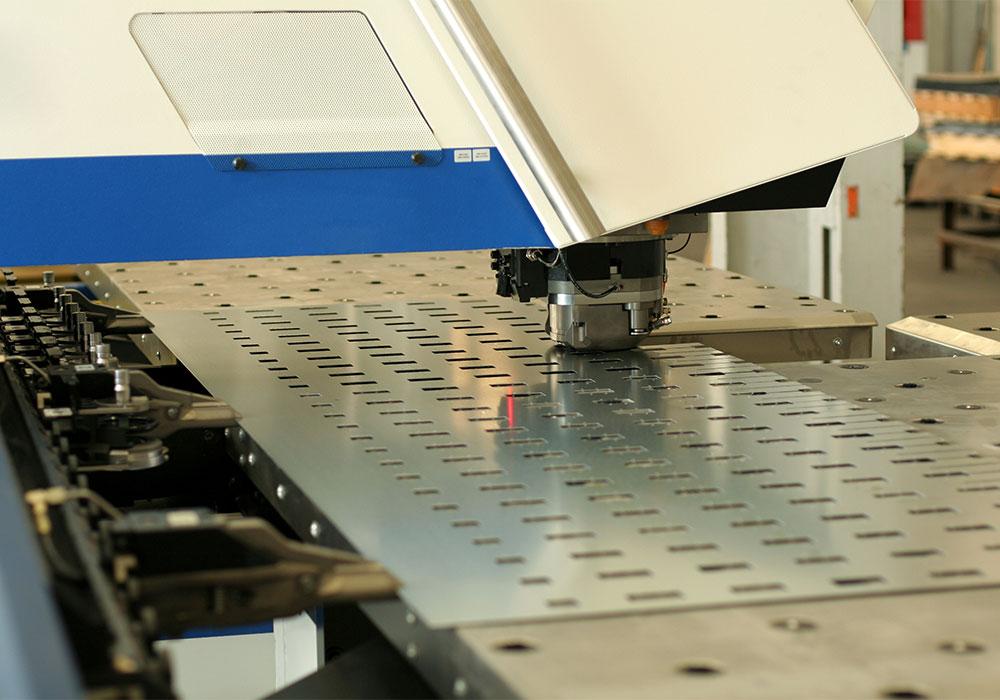
Today’s manufacturing environments rely heavily on digital tools to improve efficiency. Nesting software can automatically generate layouts that maximize material usage, taking into account part geometry, sheet size, and machine capabilities. These programs often allow for:
- Automatic rotation and mirroring of parts for better fit
- Simulation of different nesting scenarios
- Integration with CAD and ERP systems for seamless workflow
- Real-time feedback on material yield and projected scrap
When selecting a nesting solution, consider factors such as ease of use, compatibility with your existing systems, and the ability to handle complex part geometries. For more insights into the stamping process and its challenges, the MCR Safety metal stamping blog provides detailed information on industry best practices.
Common Challenges and Solutions in Material Nesting
While the benefits of optimized nesting are clear, several challenges can arise in practice:
- Irregular Part Shapes: Complex geometries can make it difficult to achieve high material yield. Advanced software and manual adjustments may be needed.
- Material Defects: Surface flaws or thickness variations can impact nesting efficiency. Dynamic nesting and real-time inspection help address these issues.
- Production Flexibility: Last-minute order changes or rush jobs can disrupt planned nests. Batch nesting and remnant management can provide greater adaptability.
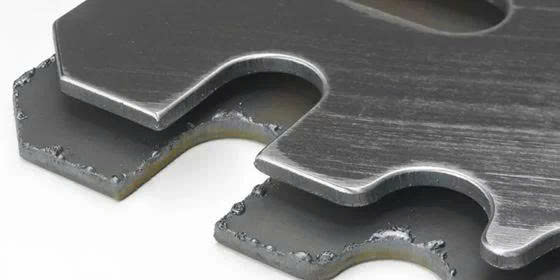
- Quality Control: Tight nesting may increase the risk of burrs or edge defects. For tips on maintaining edge quality, see how to minimize burrs in stamped parts.
Best Practices for Implementing Material Nesting in Stamping
To get the most from your nesting efforts, consider these practical recommendations:
- Collaborate Across Teams: Involve design, production, and quality assurance early in the process to identify constraints and opportunities.
- Standardize Part Designs: Where possible, use standard sizes and shapes to simplify nesting and reduce setup times.
- Regularly Review Nesting Performance: Analyze yield data and adjust strategies as needed to respond to changing material costs or production demands.
- Invest in Training: Ensure operators and engineers are familiar with the latest nesting software and techniques.
- Integrate Quality Checks: Incorporate inspection steps to catch defects early and avoid costly rework. For guidance, see how to inspect stamped steel parts for quality.
Material Handling and Safety Considerations
Efficient nesting is only part of the equation. Safe and effective material handling is also essential to avoid damage and ensure operator safety. Proper coil and sheet handling techniques can minimize the risk of injury and material defects. For more on this topic, refer to how to handle coil stock for stamping.
FAQ: Steel Stamping Material Nesting
What is the main goal of material nesting in steel stamping?
The primary objective is to maximize material utilization by arranging parts in a way that minimizes scrap and reduces costs. This leads to more efficient production and less environmental impact.
How does nesting software improve the stamping process?
Nesting software automates the layout process, quickly generating optimal arrangements for parts based on their geometry and the available material. This reduces manual effort, increases consistency, and helps achieve higher material yield.
Can nesting strategies help with quality control?
Yes, effective nesting can reduce the risk of defects such as burrs or edge damage by ensuring proper spacing and orientation of parts. Integrating quality checks into the nesting and stamping workflow further enhances part accuracy and consistency.
Are there industry standards for material nesting?
While there are no universal standards, many manufacturers develop internal guidelines based on material type, part geometry, and equipment capabilities. Using advanced software and regularly reviewing performance helps maintain best practices.
Conclusion
Adopting robust steel stamping material nesting strategies is essential for manufacturers aiming to control costs, improve sustainability, and maintain high quality. By leveraging modern software, cross-team collaboration, and continuous improvement, stamping operations can achieve significant gains in efficiency and profitability. For ongoing success, regularly review your nesting processes and stay informed about new technologies and best practices in the field.