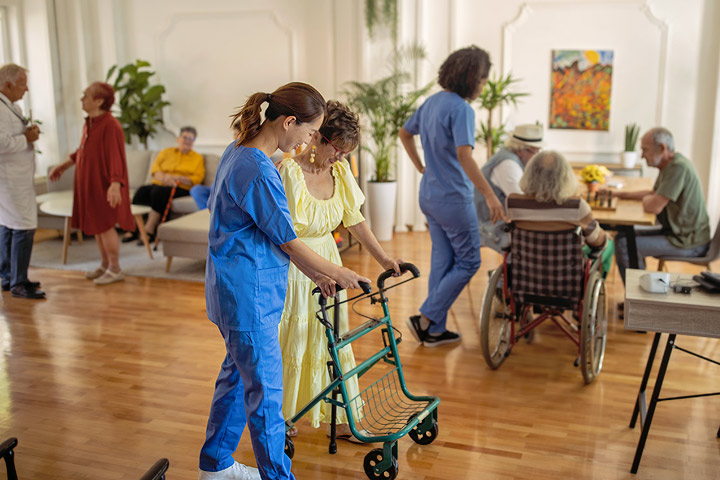
Maintaining autonomy at home is a priority for many older adults and individuals with disabilities. Adopting safe independent living practices can help ensure that daily routines remain manageable, enjoyable, and secure. By focusing on practical strategies, anyone can create an environment that supports both comfort and self-assurance, reducing risks and fostering peace of mind.
Whether you are living alone, supporting a loved one, or planning for the future, understanding the essentials of independent living safety is key. From home modifications to personal routines, small changes can make a significant difference. For those interested in related topics, learning about how to handle coil stock for stamping can also provide insights into safety and efficiency in other areas of life.
Creating a Safer Home Environment
The foundation of safe independent living practices begins at home. A well-organized, hazard-free space allows for greater freedom and minimizes the risk of accidents. Here are some essential steps to consider:
- Remove tripping hazards: Secure loose rugs, clear walkways, and keep cords tucked away to prevent falls.
- Improve lighting: Install bright, energy-efficient bulbs in hallways, staircases, and entryways. Consider motion-sensor lights for added convenience.
- Install grab bars and handrails: Bathrooms, stairs, and other high-risk areas benefit from sturdy supports.
- Organize frequently used items: Store everyday essentials within easy reach to avoid unnecessary stretching or climbing.
- Check smoke and carbon monoxide detectors: Test alarms regularly and replace batteries as needed.
Personal Safety Routines for Daily Confidence
Beyond the physical environment, daily habits play a crucial role in maintaining independence. Establishing routines that prioritize safety can help prevent common mishaps and support ongoing well-being.
- Keep emergency contacts accessible: Post important phone numbers near the phone and program them into mobile devices.
- Use assistive devices: Canes, walkers, and medical alert systems can provide extra support and reassurance.
- Stay hydrated and nourished: Prepare easy-to-access snacks and drinks to maintain energy throughout the day.
- Follow medication schedules: Use pill organizers or alarms to ensure medications are taken correctly and on time.
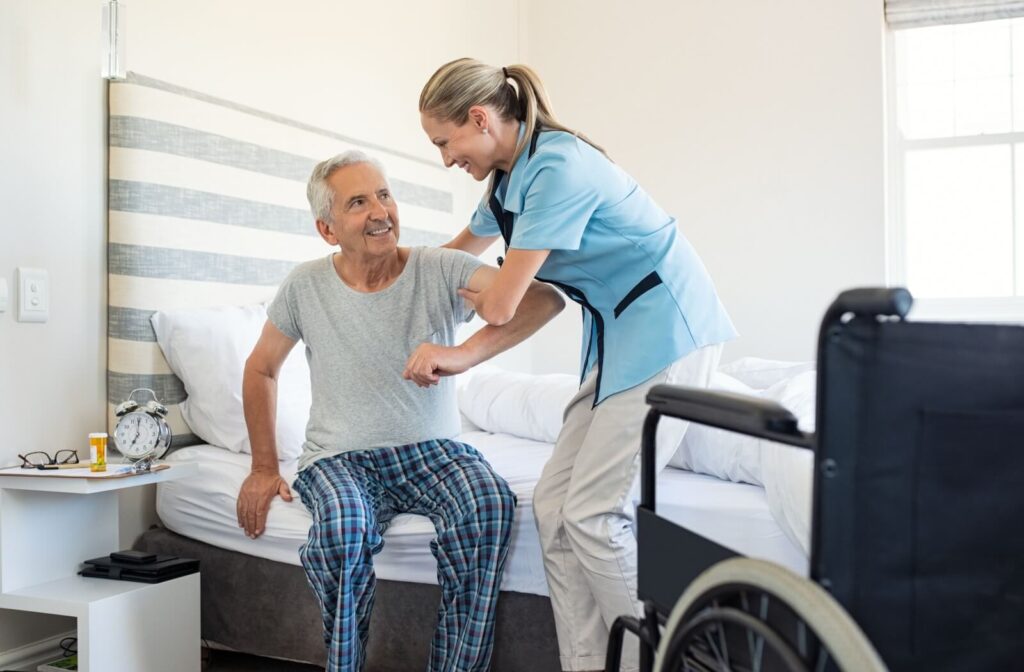
- Practice safe mobility: Move slowly, wear non-slip footwear, and avoid rushing, especially when getting up from a seated or lying position.
Technology and Tools for Enhanced Security
Modern technology offers a range of solutions that support safe independent living practices. From smart home devices to personal emergency response systems, these tools can make daily life easier and safer.
- Medical alert systems: Wearable devices can connect users to emergency services at the push of a button.
- Smart locks and video doorbells: Enhance security and allow for remote monitoring of visitors.
- Automatic pill dispensers: Help manage complex medication schedules and reduce the risk of missed doses.
- Voice-activated assistants: Control lights, thermostats, and appliances hands-free, reducing the need to move around unnecessarily.
Social Connections and Community Resources
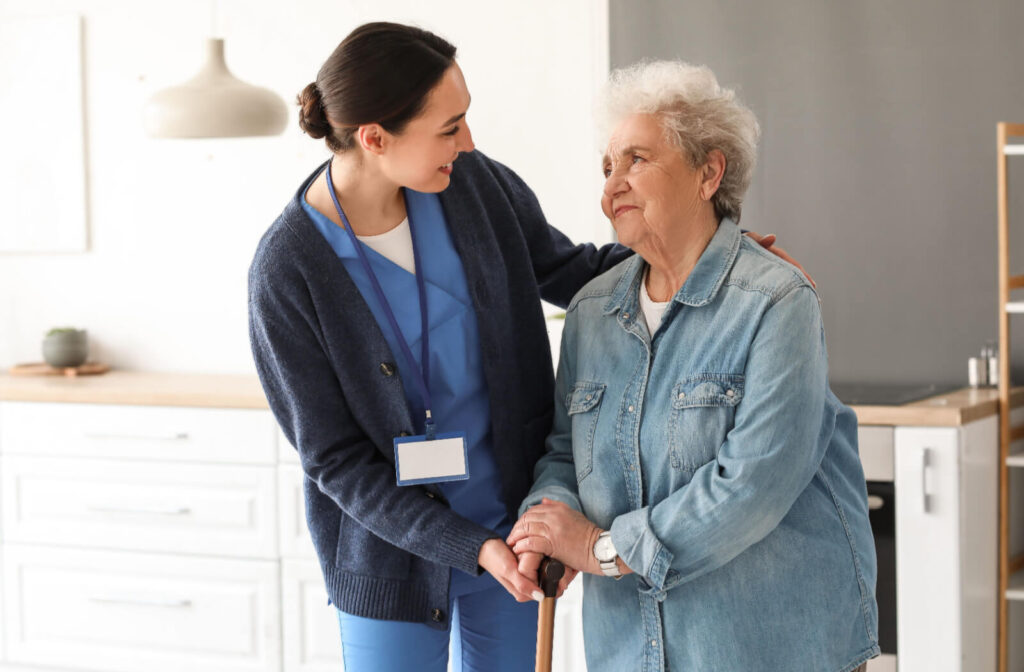
Staying connected with friends, family, and local organizations is an important aspect of living independently. Social engagement not only supports emotional health but also provides a safety net in case of emergencies.
- Regular check-ins: Schedule calls or visits with loved ones to maintain relationships and ensure well-being.
- Community programs: Many local centers offer transportation, meal delivery, and social activities tailored to seniors and individuals with disabilities.
- Neighbor networks: Establishing a rapport with neighbors can create a sense of community and provide quick assistance if needed.
For a comprehensive overview of essential safety strategies, consider reading essential safety tips every senior living alone needs to know, which covers additional practical advice for those living independently.
Adapting to Changing Needs
As circumstances evolve, so do the requirements for maintaining independence. Regularly assessing living spaces and routines ensures that safety measures remain effective and relevant.
- Conduct periodic home assessments: Review the environment for new hazards or areas needing improvement.
- Update emergency plans: Make sure all contacts and procedures are current, especially after significant life changes.
- Stay informed about new technologies: Advances in assistive devices and home automation can offer additional support as needs change.
- Seek professional advice: Occupational therapists or home safety experts can provide personalized recommendations.
Frequently Asked Questions
What are the most important steps to prevent falls at home?
To minimize the risk of falls, keep walkways clear, secure loose rugs, install grab bars in bathrooms, and ensure adequate lighting throughout the home. Wearing non-slip shoes and using mobility aids when needed also help maintain stability.
How can technology support independent living for seniors?
Technology such as medical alert systems, smart home devices, and automatic medication dispensers can enhance safety and convenience. These tools allow for quick emergency response, remote monitoring, and easier management of daily tasks.
What community resources are available for those living alone?
Many communities offer services like meal delivery, transportation, and social activities through senior centers or local organizations. Building connections with neighbors and participating in community programs can provide additional support and engagement.