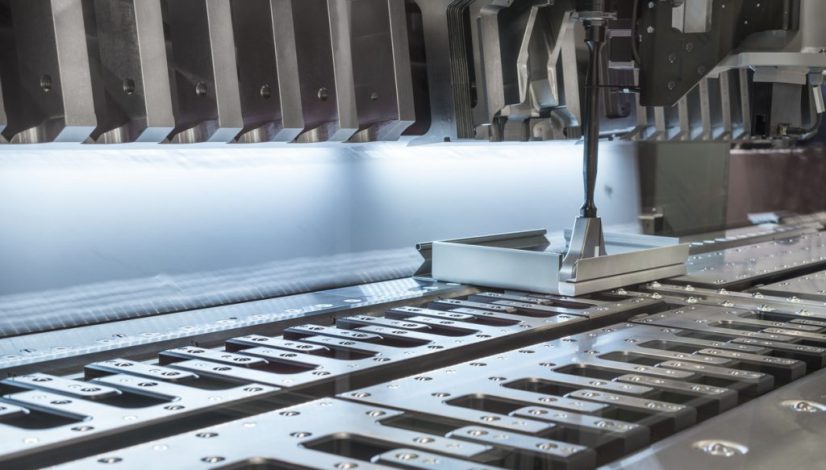
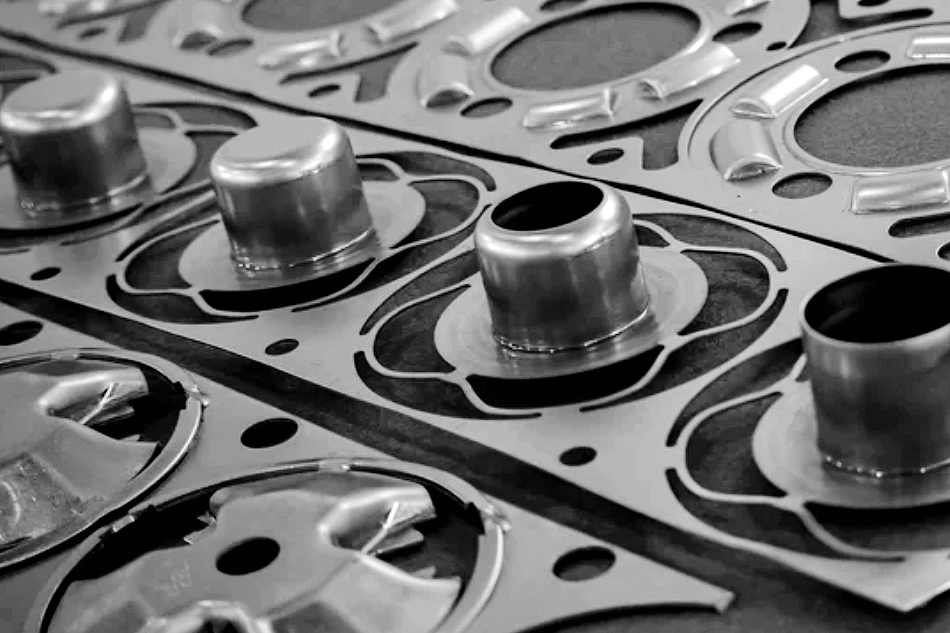
Understanding the difference between hot and cold steel stamping is essential for manufacturers, engineers, and anyone involved in metal fabrication. Both methods are widely used in producing steel components, but each offers unique advantages, limitations, and applications. Choosing the right process can impact product quality, cost, and efficiency.
This article provides a clear comparison of hot and cold stamping processes, highlighting their main distinctions, benefits, and best-use scenarios. Whether you are new to metalworking or seeking to optimize your production, knowing these differences will help you make informed decisions.
For a deeper dive into the fundamentals of metal stamping, you may find the what is steel stamping process guide useful before exploring the distinctions between hot and cold techniques.
How Hot and Cold Stamping Processes Work
Both hot and cold stamping are methods of shaping steel using dies and presses, but they differ in the temperature at which the metal is processed. This temperature difference leads to variations in material properties, tooling requirements, and end-use applications.
Hot Steel Stamping Explained
Hot stamping, also known as hot forming, involves heating steel to a high temperature—typically above 900°C (1,652°F)—before pressing it into the desired shape. At these elevated temperatures, steel becomes more malleable, allowing for complex shapes and deeper draws without cracking.
- Steel is heated in a furnace until it reaches a specific forming temperature.
- The heated blank is quickly transferred to a die and pressed into shape.
- Rapid cooling (quenching) in the die hardens the steel, increasing its strength.
This process is often used for automotive safety parts, such as structural reinforcements, where high strength and precision are required.
Understanding Cold Steel Stamping
Cold stamping, or cold forming, is performed at or near room temperature. The steel blank is placed directly into the stamping press without prior heating. The process relies on the natural ductility of the steel at ambient temperatures.
- Steel remains at room temperature throughout the process.
- High-pressure presses shape the metal using custom dies.
- Cold stamping is ideal for simpler shapes and thinner materials.
This method is commonly used for mass production of components like brackets, washers, and enclosures, where speed and cost-efficiency are priorities.
Key Differences Between Hot and Cold Steel Stamping
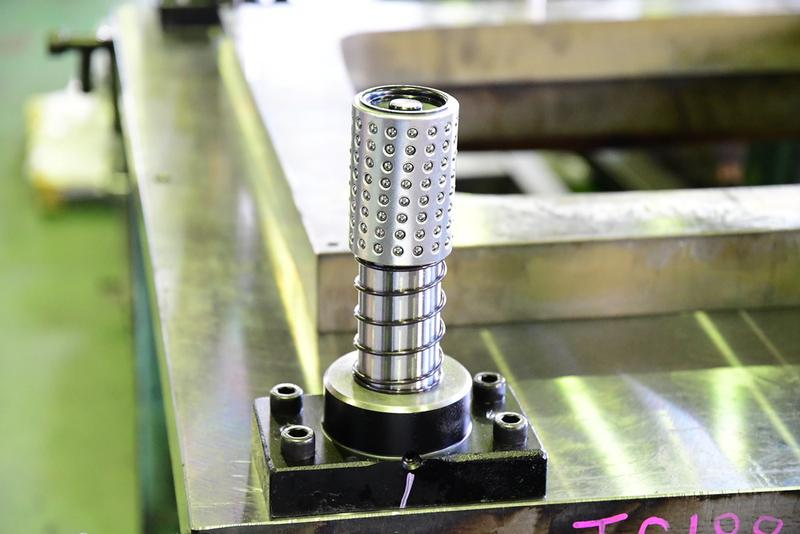
The difference between hot and cold steel stamping lies in several critical factors, including temperature, material properties, tooling, and applications. Understanding these distinctions helps determine which method best suits a particular project.
| Aspect | Hot Stamping | Cold Stamping |
|---|---|---|
| Processing Temperature | Above 900°C (1,652°F) | Room temperature |
| Material Ductility | High (easier to shape complex forms) | Lower (best for simple shapes) |
| Strength of Finished Part | Very high (due to quenching) | Moderate to high (depends on steel grade) |
| Tool Wear | Lower (softer material during forming) | Higher (harder material increases wear) |
| Surface Finish | Rougher, may require post-processing | Smoother, often ready for use |
| Production Speed | Slower (requires heating/cooling) | Faster (no heating needed) |
| Typical Applications | Automotive safety parts, structural components | Brackets, enclosures, mass-produced items |
Advantages and Disadvantages of Each Stamping Method
Benefits of Hot Stamping
- High Strength: Produces parts with exceptional mechanical properties.
- Complex Shapes: Allows for deep draws and intricate geometries.
- Reduced Springback: Less distortion after forming, improving dimensional accuracy.
However, hot stamping requires significant energy for heating, specialized equipment, and may result in a rougher surface finish that needs further treatment.
Advantages of Cold Stamping
- Cost-Effective: Lower energy consumption and faster cycle times.
- Superior Surface Finish: Parts often require little to no post-processing.
- Efficient for Mass Production: Ideal for high-volume, simple components.
On the downside, cold stamping is less suitable for thick or complex parts and can lead to increased tool wear due to higher forming forces.
Choosing the Right Steel Stamping Process
Selecting between hot and cold stamping depends on several factors:
- Part Complexity: Hot stamping is better for intricate or deep-drawn parts.
- Required Strength: If maximum strength is needed, hot stamping is preferred.
- Production Volume: Cold stamping is more efficient for large runs of simple shapes.
- Surface Requirements: Choose cold stamping for parts where finish is critical.
- Budget and Equipment: Consider available resources and cost constraints.
For more information on safety and best practices in metal forming, refer to this comprehensive guide on sheet metal forming die operations and safety.
Applications and Industry Use Cases
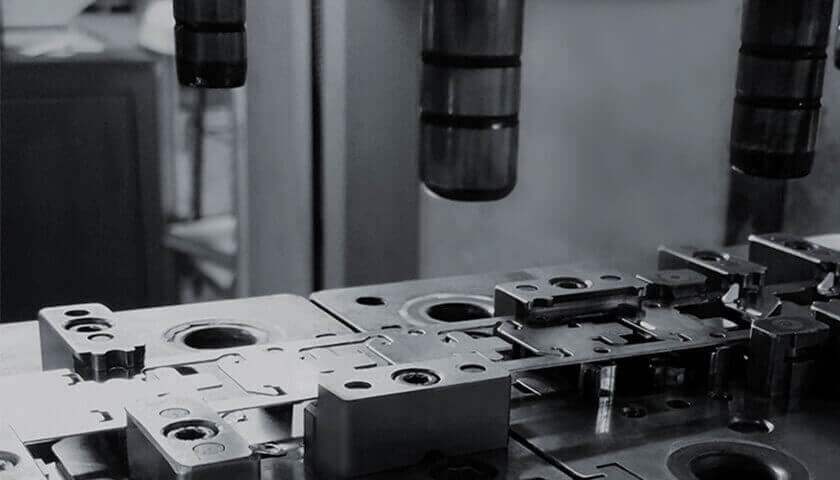
The choice between hot and cold stamping influences the types of products that can be manufactured efficiently and cost-effectively. Here are some typical applications for each process:
- Hot Stamping: Widely used in the automotive industry for crash-resistant components, such as A-pillars, B-pillars, and door beams. Also used in aerospace and heavy machinery where strength is paramount.
- Cold Stamping: Common in the production of electrical enclosures, appliance parts, brackets, and hardware. Its speed and cost-effectiveness make it suitable for consumer goods and electronics.
If you are interested in related safety resources for independent living environments, explore the independent living safety resources available on our site.
Frequently Asked Questions
What is the main difference between hot and cold steel stamping?
The primary distinction is the temperature at which the steel is processed. Hot stamping heats the steel above its recrystallization point, making it easier to form complex shapes and resulting in higher-strength parts. Cold stamping is performed at room temperature, making it faster and more cost-effective for simpler components.
Which process is better for high-strength applications?
Hot stamping is generally preferred for high-strength applications, such as automotive safety parts, because it produces components with superior mechanical properties due to the quenching process.
Can cold stamping be used for thick or complex parts?
Cold stamping is best suited for thinner materials and simpler shapes. For thick or highly complex parts, hot stamping is more effective as it reduces the risk of cracking and allows for greater formability.
Does hot stamping require special equipment?
Yes, hot stamping requires furnaces for heating the steel and specialized dies capable of withstanding high temperatures and rapid cooling. This can increase initial setup costs compared to cold stamping.
How does tool wear compare between the two methods?
Tool wear is generally lower in hot stamping because the steel is softer when formed. In cold stamping, the harder steel increases tool wear, leading to more frequent maintenance or replacement of dies.