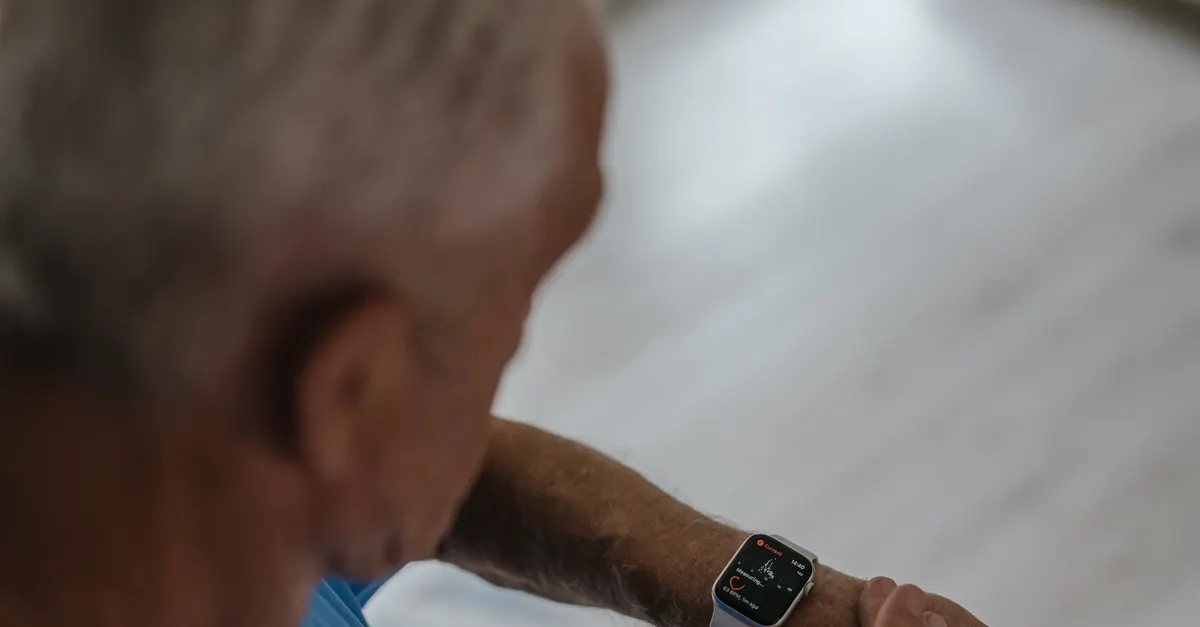
Smart home technology is rapidly transforming how people of all ages live, but its impact on older adults is especially significant. As more seniors express a desire to remain in their own homes and maintain independence, connected devices and automation tools offer practical solutions for safety, comfort, and daily convenience. However, alongside these benefits, unique challenges and concerns—particularly around privacy and security—require careful consideration. This guide explores how smart home technology for elderly individuals can support aging in place, the specific advantages and obstacles, and how to address the most pressing risks.

Understanding Smart Home Solutions for Older Adults
Smart home technology refers to a range of devices and systems that automate or remotely control home functions, often using wireless connectivity and voice commands. For seniors, these tools can mean more than just convenience—they can be lifelines that support independent living, reduce reliance on caregivers, and provide peace of mind for families. From voice-activated assistants to automated lighting and security systems, the options are expanding each year.
The importance of these technologies for older adults lies in their ability to address common challenges associated with aging, such as limited mobility, memory issues, and the need for rapid emergency response. By integrating the right devices, seniors can enjoy greater autonomy while staying safe and connected.
Key Benefits of Smart Home Technology for Elderly Individuals
The advantages of adopting smart home solutions are well-documented, especially for those seeking to age in place. Research highlights several ways these technologies improve daily life:
- Remote Control and Automation: Devices like smart plugs and smart thermostats allow seniors to adjust appliances, lighting, and temperature without needing to move around the house. This is particularly helpful for those with limited mobility, as noted in a study published by the National Institutes of Health.
- Voice-Activated Assistance: Voice-activated assistants such as Amazon Echo or Google Home enable hands-free operation of many home functions, from setting reminders to making phone calls.
- Emergency Support: Smart home devices can be programmed to alert caregivers or emergency services if a fall or unusual activity is detected. According to a University of Illinois study, these features have proven beneficial during medical emergencies.
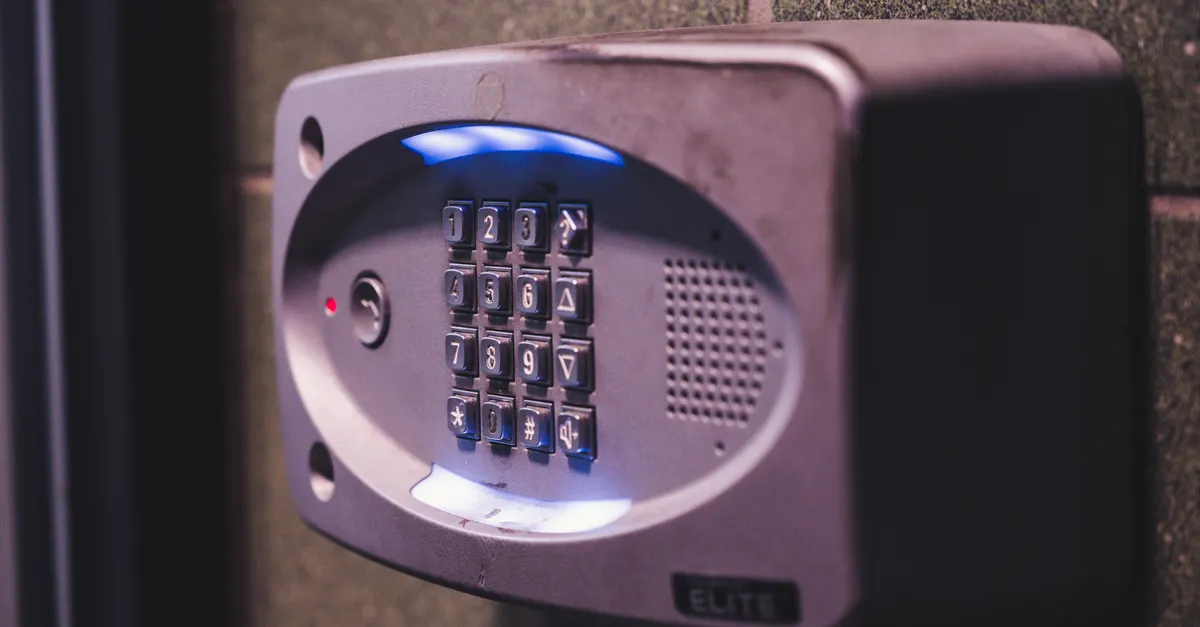
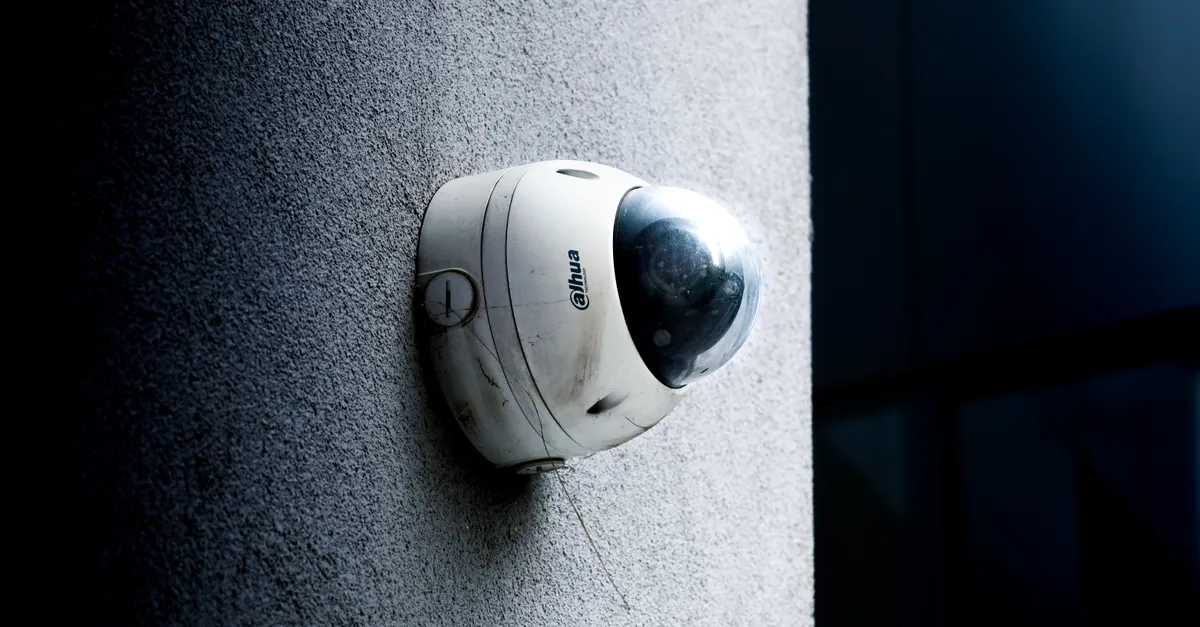
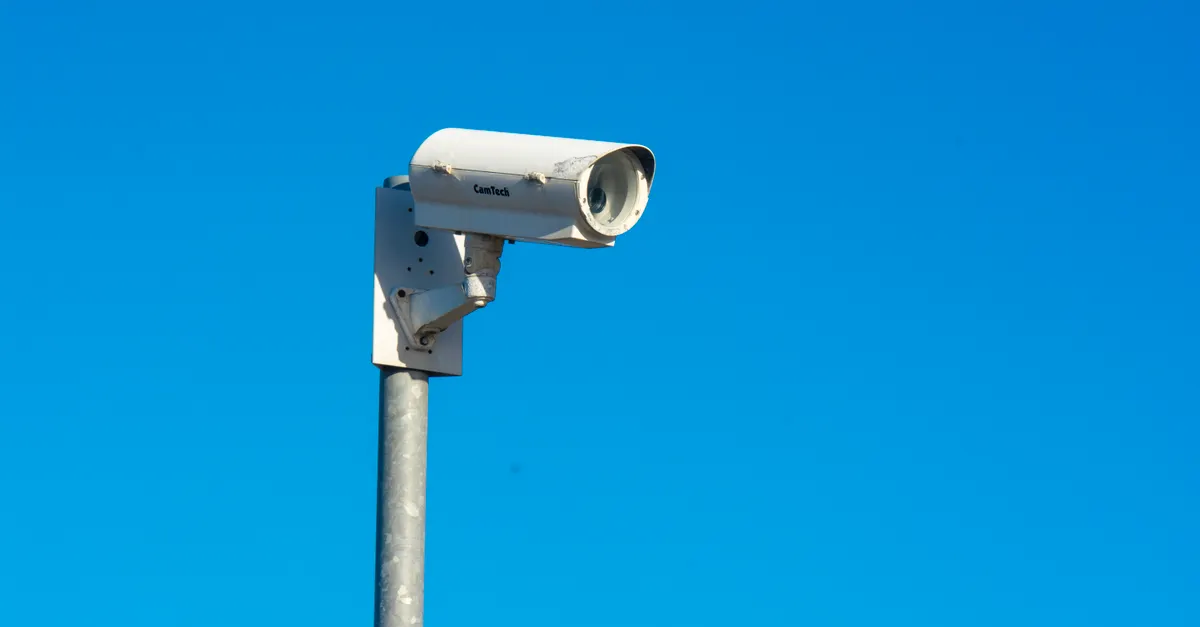
- Enhanced Security: Systems like smart locks and home security cameras for elderly offer real-time monitoring and alerts, helping seniors feel safer at home.
- Routine Management: Automated reminders for medication, appointments, or household tasks can help seniors maintain their routines and independence.
These benefits collectively support not only the individual but also caregivers and family members, who gain reassurance from being able to check in remotely and receive alerts if something seems amiss.
Barriers to Adopting Smart Home Devices
Despite the clear advantages, there are notable challenges that can hinder seniors from fully embracing smart home technology. Understanding these barriers is crucial for families and caregivers looking to implement such solutions.
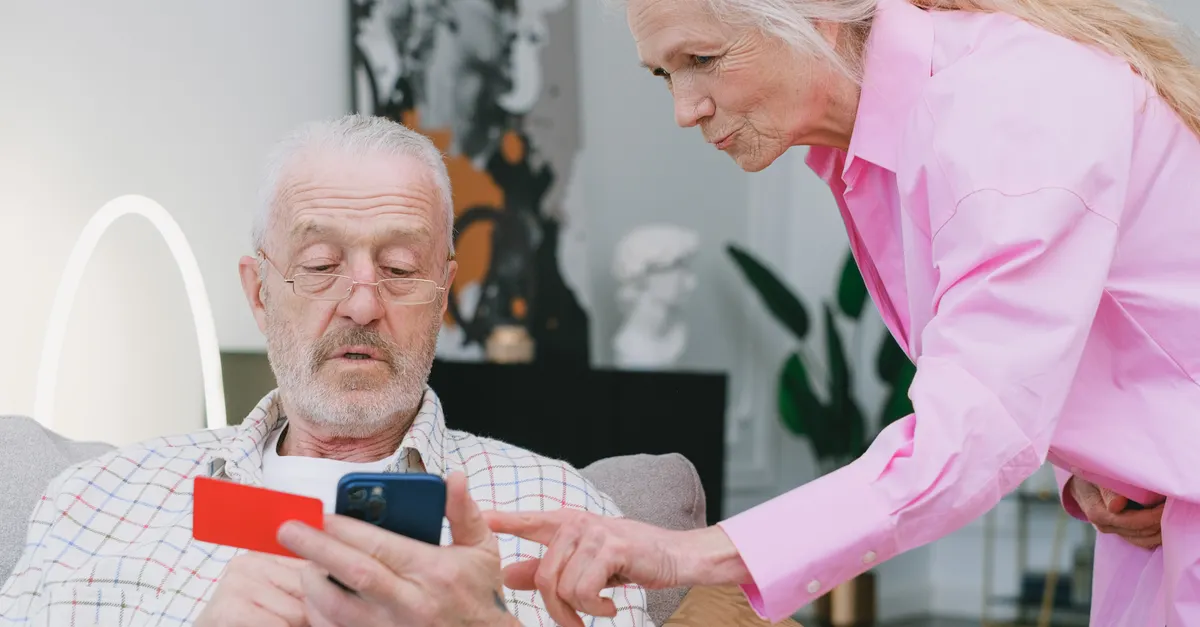
- Technological Confidence: Many older adults may feel intimidated by new devices or unsure about how to operate them. This lack of confidence can slow adoption and reduce the effectiveness of the technology.
- Complex Setup: Some smart home products require initial configuration that can be confusing or physically demanding, especially for those with limited dexterity or vision.
- Privacy and Security Concerns: Worries about data collection, potential hacking, and loss of personal privacy are common. According to AgeTech Collaborative, these concerns are among the top reasons seniors hesitate to use connected devices.
- Cost: While prices are dropping, the upfront investment for a comprehensive system can be significant, which may deter some households.
To overcome these challenges, it is essential to select user-friendly devices, provide adequate training, and address privacy and security issues directly.
Managing Privacy and Security Risks in Smart Homes
Privacy and security are central concerns when it comes to smart home technology for elderly users. Seniors may be more vulnerable to certain risks, such as unauthorized access or data misuse, making it vital to take proactive steps to safeguard their information and well-being.
Common Privacy and Security Risks
- Unauthorized Access: Weak passwords or poorly configured devices can allow outsiders to gain control of smart home systems.
- Data Collection: Many smart devices collect and transmit data about daily routines, which could be exploited if not properly protected.
- Phishing and Scams: Seniors may be targeted by fraudulent messages or calls related to their smart devices.
Practical Steps to Enhance Security
- Use Strong, Unique Passwords: Avoid default settings and create complex passwords for each device and account.
- Enable Two-Factor Authentication: Many platforms offer this extra layer of protection, which should be activated whenever possible.
- Regularly Update Software: Keeping device firmware and apps up to date helps patch vulnerabilities.
- Limit Data Sharing: Review privacy settings and disable unnecessary data collection features.
- Educate Users: Provide clear instructions and ongoing support to help seniors recognize suspicious activity and respond appropriately.
For families managing multiple users or access points, resources on how to manage smart home access can be especially helpful in setting boundaries and permissions.
By taking these precautions, seniors and their loved ones can enjoy the benefits of smart home technology while minimizing potential downsides.
Choosing the Right Devices for Independent Living
Selecting the most suitable smart home devices depends on individual needs, preferences, and comfort with technology. Here are some categories and examples that often work well for older adults:
- Voice-Activated Assistants: Devices like Google Nest or Amazon Echo are popular for hands-free control and easy communication.
- Smart Lighting: Automated bulbs and switches can be programmed to adjust based on time of day or occupancy, reducing fall risks.
- Smart Thermostats: These help maintain comfortable temperatures and can be controlled remotely, which is especially useful for those with mobility issues.
- Security Systems: Smart locks, doorbell cameras, and motion sensors provide added safety and can send alerts to family members.
- Medication Reminders: Specialized devices can prompt users to take medications at the right time, supporting health and routine.
When choosing products, look for those with simple interfaces, clear instructions, and strong customer support. Involving the senior in the selection process can also help ensure the technology meets their needs and comfort level.
Pros and Cons of Smart Home Technology for Seniors
While the advantages of smart home technology are substantial, it is important to weigh them against potential drawbacks to make informed decisions.
Pros
- Supports independent living and aging in place
- Improves safety through monitoring and alerts
- Offers convenience with automation and voice control
- Reduces caregiver burden by enabling remote check-ins
Cons
- Potential privacy and security vulnerabilities
- Learning curve for new users
- Initial setup and maintenance can be challenging
- Costs may be prohibitive for some households
Conclusion: Balancing Safety, Convenience, and Privacy
Smart home technology offers powerful tools for seniors seeking to maintain independence and safety at home. The benefits—ranging from daily convenience to emergency support—are clear, but so are the challenges. By carefully selecting devices, providing education, and taking steps to address privacy and security, older adults and their families can maximize the advantages while minimizing risks. For those interested in a deeper dive into practical strategies, resources on smart home safety for independent living provide further guidance.
Frequently Asked Questions
What are the best smart home devices for seniors?
The most effective devices for older adults typically include voice-activated assistants, smart lighting, smart thermostats, and home security systems. These tools are valued for their ease of use and ability to support daily routines and safety.
How does smart home technology support aging in place?
By automating household tasks, providing reminders, and enabling remote monitoring, smart home technology helps seniors remain in their homes longer and with greater confidence. Features like emergency alerts and fall detection add an extra layer of security.
What privacy and security concerns should seniors consider?
Key concerns include unauthorized access to devices, data collection by manufacturers, and potential scams targeting vulnerable users. Seniors and caregivers should use strong passwords, enable two-factor authentication, and stay informed about device settings to protect privacy.