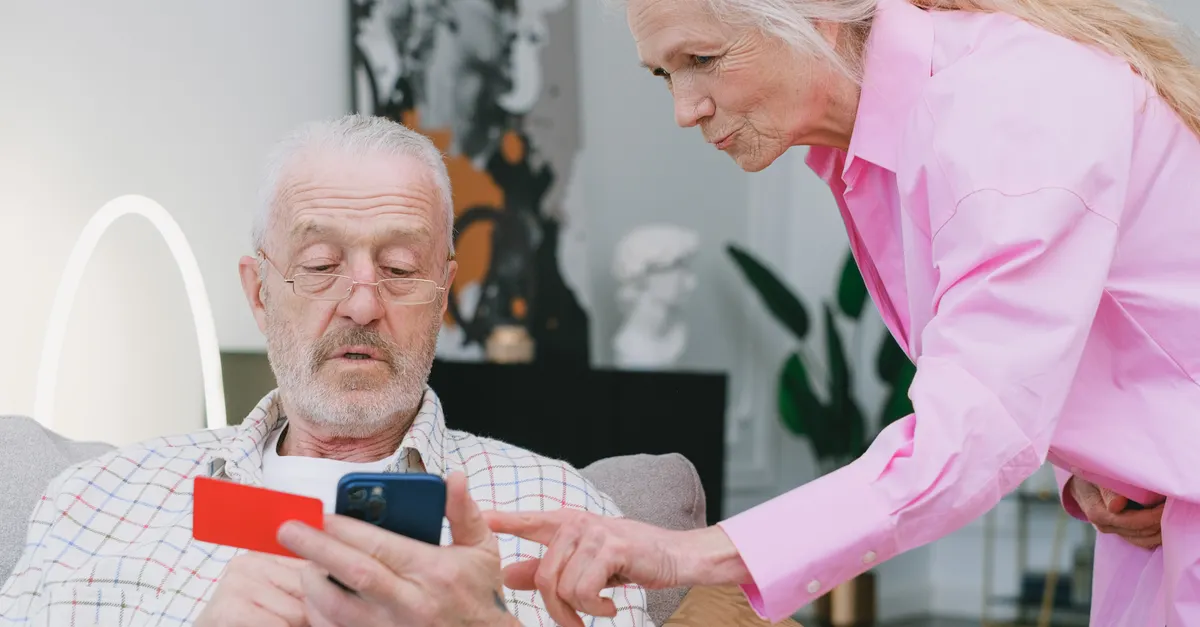
Creating a safe and comfortable environment for older adults is essential for their well-being and independence. As people age, physical changes and health conditions can increase the risk of accidents at home. Understanding how to secure your home for elderly residents involves more than just basic modifications—it requires a thoughtful approach that addresses common hazards, incorporates modern technology, and prepares for emergencies. This guide explores practical strategies to help families and caregivers make informed decisions, focusing on non-invasive improvements and recognizing when professional assistance is needed.
Understanding Common Home Hazards for the Elderly
Identifying potential dangers is the first step in making a home safer for older adults. Falls are the leading cause of injury among seniors, often resulting from cluttered walkways, inadequate lighting, or slippery surfaces. Other risks include:
- Loose rugs and cords: These can easily trip someone with limited mobility or vision.
- Poorly lit areas: Dim lighting in hallways, staircases, and entryways increases the likelihood of falls.
- Slippery bathroom floors: Water spills and smooth tiles pose a significant slipping hazard.
- Unsecured furniture: Chairs or tables that move unexpectedly can cause loss of balance.
- Stairs without handrails: Lack of support makes it difficult for elderly residents to navigate safely.
- Unmarked steps or thresholds: Changes in floor level can be hard to detect, especially for those with vision impairment.
By systematically assessing each room, families can prioritize which areas need immediate attention and plan for further improvements.
Fall Prevention Strategies
Preventing falls is at the core of how to secure your home for elderly residents. According to the National Institute on Aging, installing a ramp with handrails at the entrance and ensuring good lighting at the top and bottom of stairs are effective measures. Here are additional strategies:
- Remove clutter: Keep walkways clear of shoes, bags, and other obstacles.
- Install grab bars: Place sturdy bars in hallways and near steps for extra support.
- Use non-slip flooring: Opt for textured tiles or add non-slip mats in high-risk areas like bathrooms and kitchens.
- Secure carpets and rugs: Use double-sided tape or non-slip backing to prevent shifting.
- Maintain handrails and banisters: Ensure they are firmly attached and extend the full length of stairs.
For those with mobility challenges, consider consulting a professional to assess whether a mobility aid or home modification is appropriate. In some cases, occupational therapists can provide tailored recommendations to further reduce fall risk.
Enhancing Bathroom Safety
The bathroom is one of the most hazardous areas for elderly residents due to slippery surfaces and tight spaces. To improve safety:
- Install grab bars: Place bars near the toilet, shower, and bathtub to assist with sitting and standing.
- Use non-slip mats: Place these both inside and outside the shower or tub to reduce slipping.
- Consider a raised toilet seat: This makes it easier for those with limited mobility to use the toilet independently.
- Opt for a walk-in shower: If possible, replace traditional tubs with walk-in showers to minimize the need to step over high edges.
- Adjust water temperature: Set the water heater to a safe level to prevent accidental burns.
Adding a shower chair or bench can provide extra stability for those who tire easily or have balance issues. These simple, non-invasive changes can significantly reduce the risk of bathroom accidents.
Improving Home Security for Elderly Residents
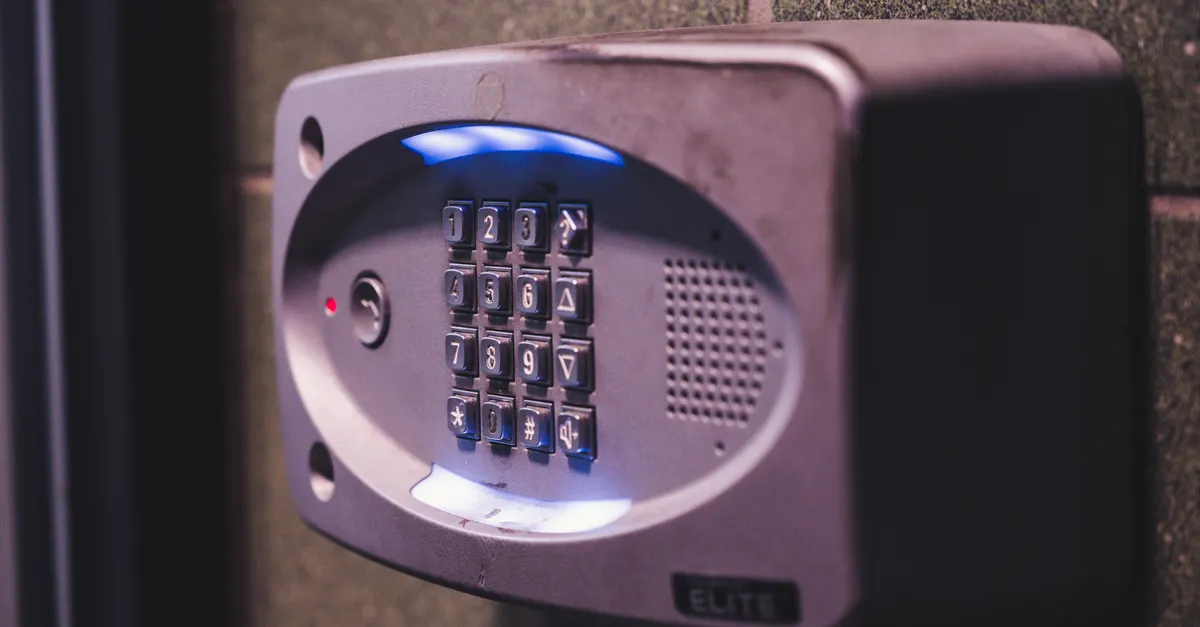
Securing doors and windows is vital for both safety and peace of mind. Elderly residents may be more vulnerable to break-ins or may accidentally wander outside, especially if they have memory issues. Consider these best practices:
- Install sturdy locks: Deadbolts and reinforced strike plates add an extra layer of protection.
- Use door viewers or peepholes: These allow residents to see who is at the door before opening it.
- Secure windows: Window locks and security bars can deter unauthorized entry.
- Consider smart locks: These can be programmed to allow access only to trusted individuals and can be monitored remotely.
- Set up a security system: Alarms and motion sensors can alert caregivers or family members to unusual activity.
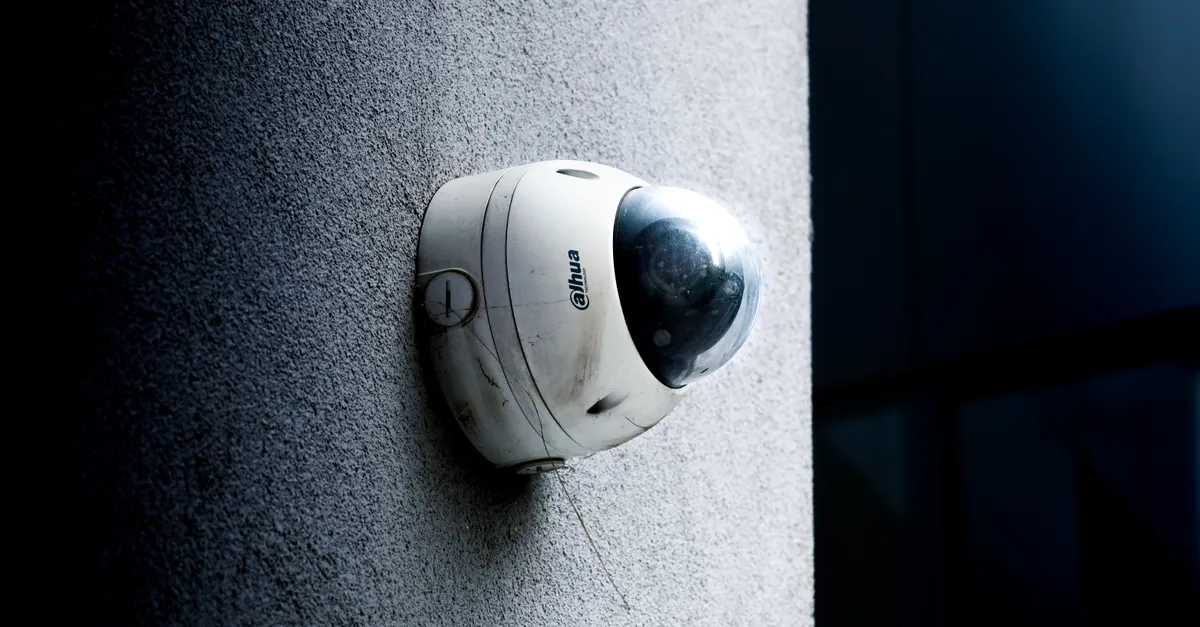
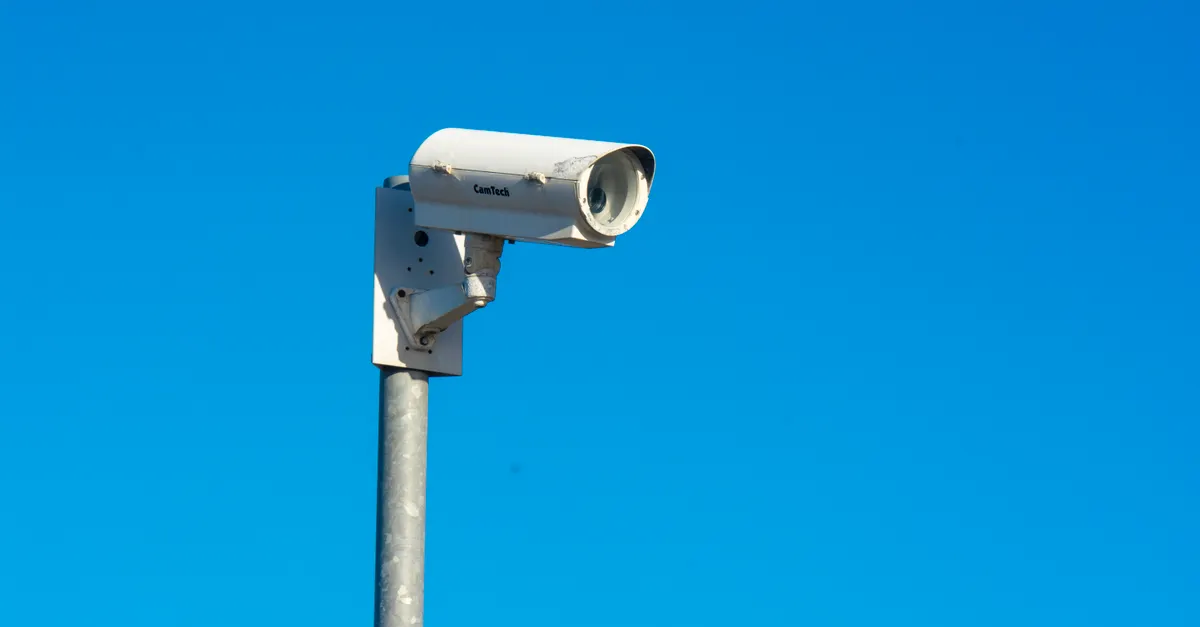
For families interested in remote monitoring, home security cameras for elderly can provide additional oversight and reassurance. Always ensure that any security upgrades respect the privacy and dignity of the resident.
Using Technology to Enhance Home Safety
Modern technology offers new ways to support how to secure your home for elderly residents, going beyond traditional safety measures. Smart home devices can improve convenience, monitor health, and alert caregivers to emergencies. Key options include:
- Smart lighting: Motion-activated lights in hallways, bathrooms, and entryways reduce the risk of falls at night.
- Voice assistants: Devices like smart speakers can help with reminders for medication, appointments, or daily routines.
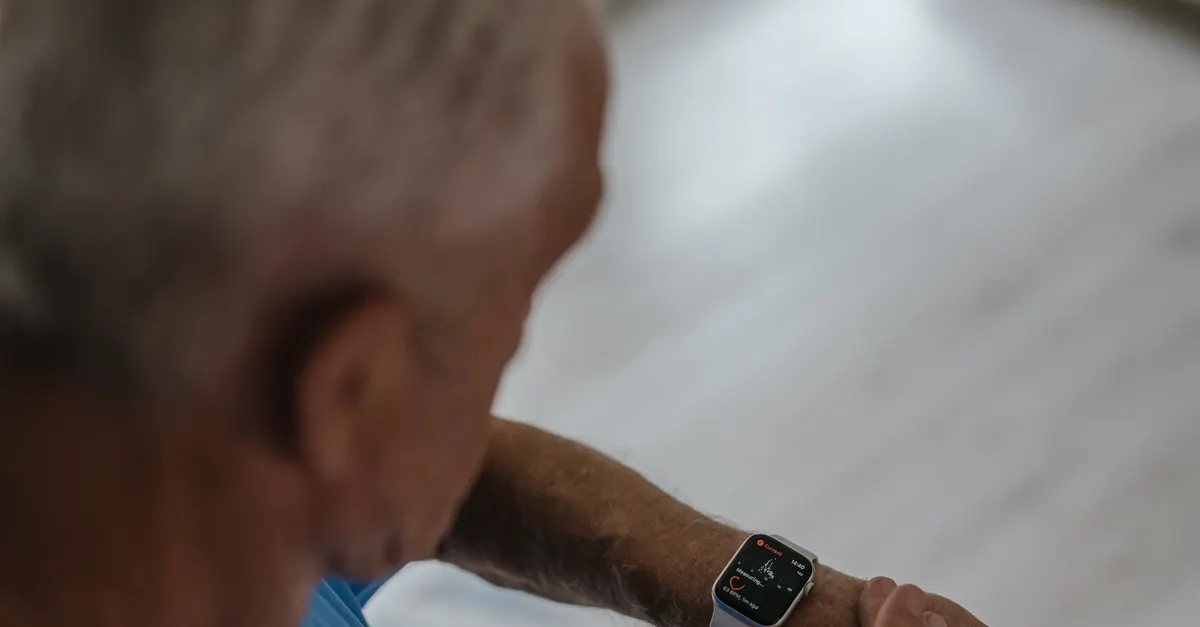
- Medical alert systems: Wearable devices can automatically call for help if a fall is detected.
- Remote monitoring: Sensors can track movement patterns and alert caregivers to unusual activity or inactivity.
- Automated door locks: These allow family members to check if doors are locked and grant access remotely if needed.
Integrating smart home technology for elderly residents can make daily life safer and more manageable. When choosing technology, consider ease of use and privacy concerns, and involve the resident in decisions to ensure comfort with new devices. For added security, review tips on how to keep home automation private to protect personal information.
Emergency Preparedness for Elderly Residents
Being ready for emergencies is a crucial part of how to secure your home for elderly individuals. According to the Health in Aging Foundation, keeping emergency numbers by each phone and ensuring rails and banisters are in place are essential steps. Additional preparedness measures include:
- Post emergency contacts: List important phone numbers—such as family, doctors, and emergency services—near every phone and in easily accessible locations.
- Prepare an emergency kit: Stock up on essentials like water, non-perishable food, medications, a flashlight, and a first aid kit.
- Develop an evacuation plan: Make sure all residents know how to exit the home safely in case of fire or other emergencies.
- Install smoke and carbon monoxide detectors: Test these regularly to ensure they are working properly.
- Practice emergency drills: Review procedures with caregivers and family members so everyone knows what to do in a crisis.
For those using technology, some medical alert systems can automatically notify emergency contacts if a problem is detected. Regularly review and update emergency plans to reflect any changes in health or living arrangements.
Conclusion
Making a home safer for elderly residents requires a combination of awareness, practical modifications, and thoughtful use of technology. By addressing common hazards, implementing fall prevention strategies, enhancing bathroom and home security, and preparing for emergencies, families can create an environment that supports independence and peace of mind. When in doubt, consult professionals for assessments and recommendations tailored to the resident’s unique needs. Prioritizing safety not only prevents accidents but also fosters confidence and comfort for everyone involved.
Frequently Asked Questions
What are the first steps to take when assessing home safety for elderly residents?
Begin by walking through each room to identify hazards such as loose rugs, poor lighting, and cluttered pathways. Focus on areas where falls are most likely, like bathrooms and stairs, and make a list of needed improvements.
How can lighting improvements help prevent accidents?
Good lighting, especially at the top and bottom of stairs and in hallways, makes it easier for elderly residents to see obstacles and changes in floor level. Motion-activated lights and nightlights are simple solutions that can significantly reduce the risk of falls.
When should professional help be sought for home modifications?
If the resident has significant mobility challenges, cognitive impairment, or the home requires structural changes (such as installing ramps or widening doorways), consult an occupational therapist or home modification specialist. They can recommend safe, effective solutions tailored to individual needs.