Advances in digital health are transforming how seniors recover from strokes, making it possible to monitor key health indicators from home. Remote health monitoring for stroke recovery uses technology to connect patients, caregivers, and clinicians, supporting safer and more effective rehabilitation. For older adults, especially those in under-resourced communities, these tools can bridge gaps in care, offering timely feedback and intervention. This article explores the benefits, technologies, challenges, and best practices for using remote monitoring in stroke recovery, with a special focus on blood pressure management and patient engagement.
Understanding Remote Monitoring in Stroke Rehabilitation
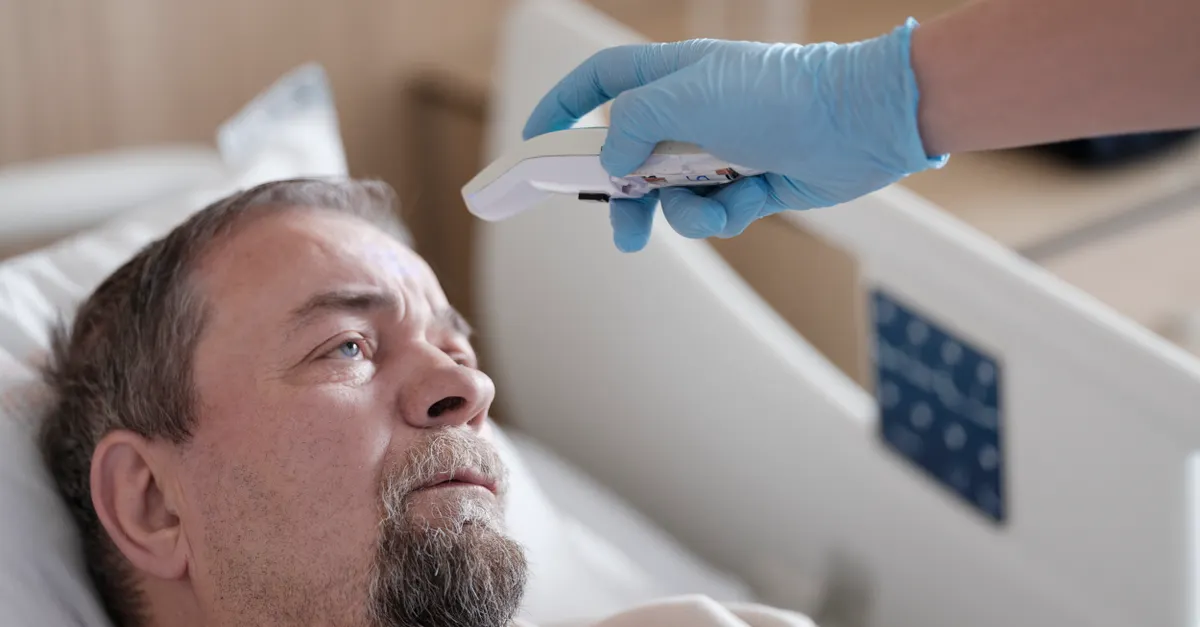
Remote health monitoring refers to the use of digital tools and connected devices to track a patient’s health status outside traditional clinical settings. In the context of stroke recovery, this approach allows seniors to have their vital signs, symptoms, and progress monitored by healthcare professionals while they remain at home. The goal is to detect early warning signs, adjust treatment plans promptly, and support ongoing rehabilitation.
For seniors, this means fewer trips to clinics and hospitals, which can be physically demanding and logistically challenging. Instead, data such as blood pressure, heart rate, and activity levels are transmitted securely to care teams, who can intervene if concerning trends emerge. This model is particularly valuable for those with mobility limitations or living in areas with limited healthcare access.
Key Benefits for Stroke Survivors, Especially in Under-Resourced Areas
The advantages of remote health monitoring for stroke recovery are wide-ranging, but some of the most significant benefits are seen in blood pressure management and patient engagement, especially for seniors in under-resourced communities.
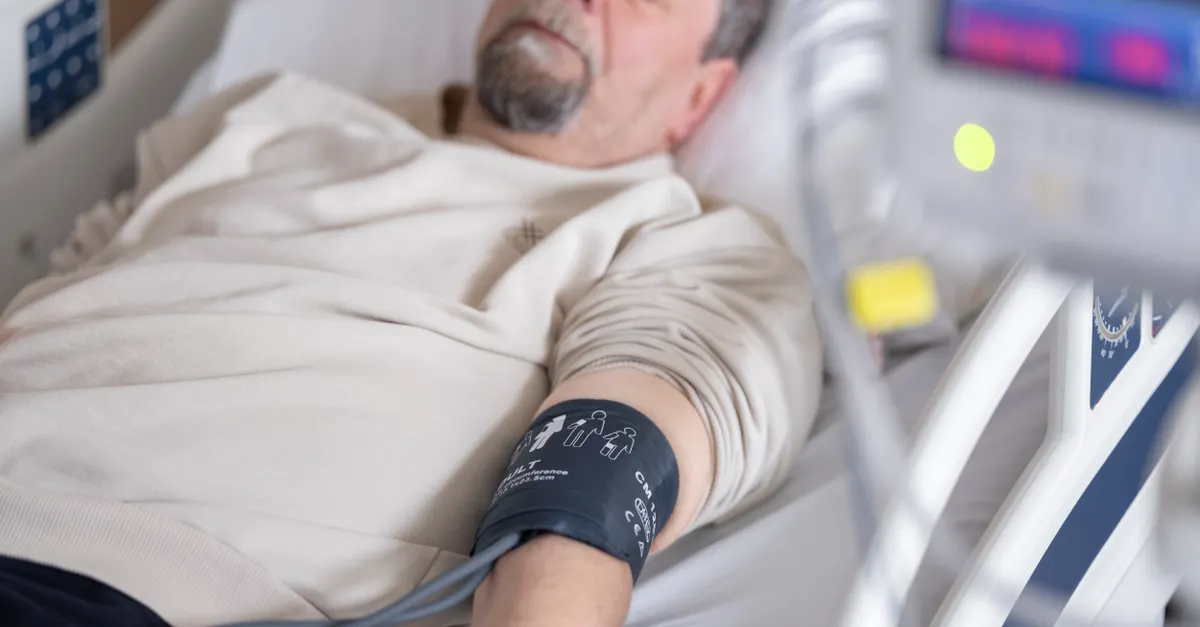
- Improved Blood Pressure Control: According to a study presented at the American Stroke Association’s International Stroke Conference, remote blood pressure monitoring significantly helps stroke survivors in under-resourced areas manage their condition more effectively. By enabling regular, real-time tracking, patients and clinicians can quickly identify and address hypertension risk factors, a major risk factor for recurrent strokes.
- Enhanced Patient Engagement: With remote monitoring, seniors are more involved in their own care. The ability to see their own progress and receive feedback from clinicians fosters a sense of control and motivation, which is crucial for long-term recovery.
- Timely Intervention: Healthcare teams can respond quickly to abnormal readings, preventing complications and reducing the need for emergency care.
- Accessibility: For seniors in rural or under-resourced areas, remote monitoring bridges the gap between home and healthcare providers, reducing disparities in access to post-stroke care.
- Reduced Hospital Readmissions: By catching issues early, remote monitoring can help prevent hospitalizations, which are costly and disruptive for seniors.
These benefits are particularly meaningful in communities where regular in-person follow-up is difficult. Remote monitoring empowers both patients and clinicians to stay connected and proactive in managing recovery.
Technologies Supporting Remote Stroke Recovery
A variety of connected devices and digital platforms enable effective remote monitoring for seniors recovering from a stroke. These technologies are designed to be user-friendly, reliable, and secure, ensuring that both patients and clinicians can trust the data being shared.
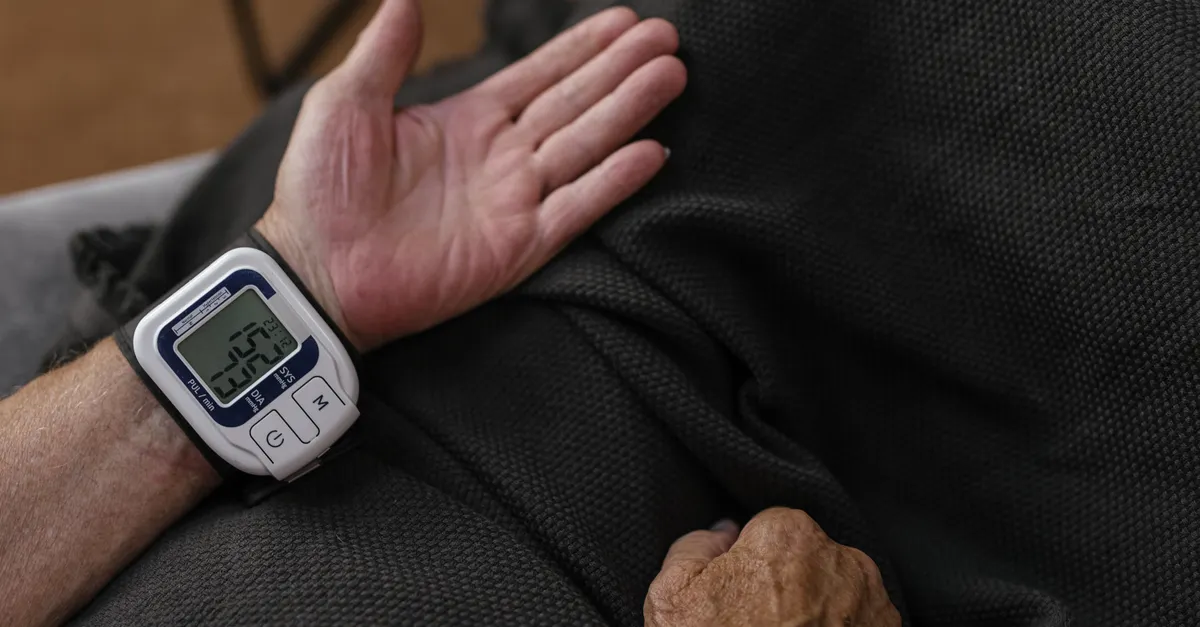
- Blood Pressure Monitors: Automated, Bluetooth-enabled blood pressure cuffs allow seniors to check their readings at home. Data is sent directly to healthcare teams for review.
- Wearable Devices: Smartwatches and fitness trackers can monitor heart rate, physical activity, and even detect falls, providing a comprehensive picture of a patient’s daily health.
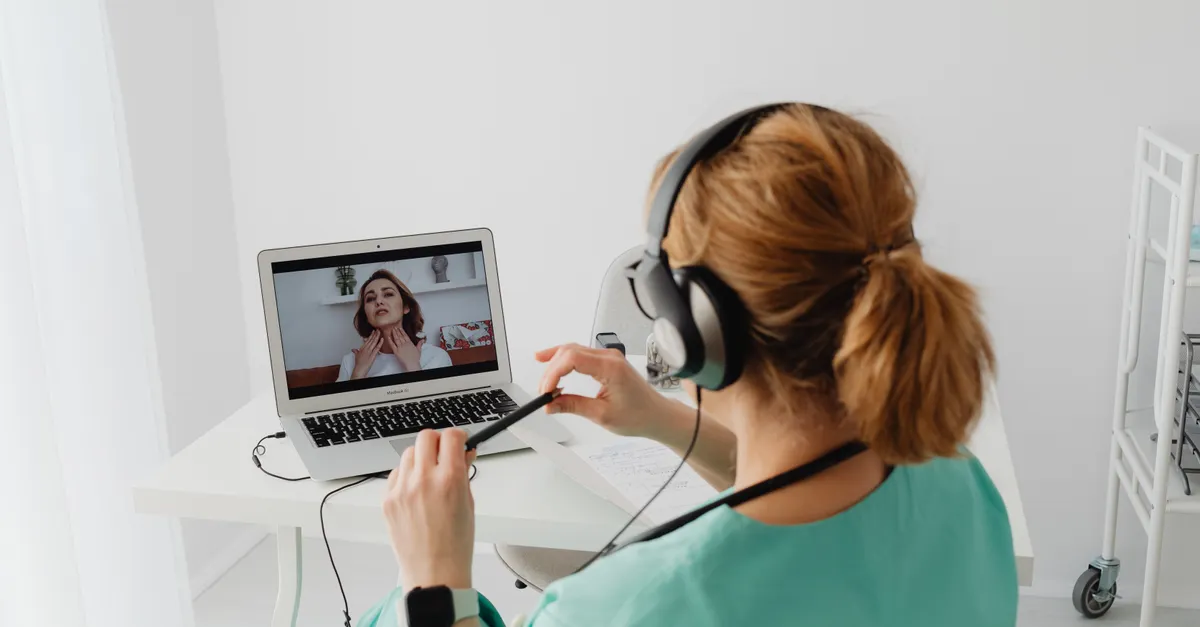
- Telehealth Platforms: Video calls and secure messaging systems enable virtual consultations, medication adjustments, and therapy sessions without the need for travel.
- Medication Dispensers: Automated pill organizers remind users to take their medications and alert caregivers if a dose is missed.
- Mobile Health Apps: These apps help track symptoms, schedule reminders, and provide educational resources for stroke survivors and their families.
When choosing technology, it’s important to consider ease of use and compatibility with a senior’s daily routine. For example, some may benefit from automatic blood pressure monitors that require minimal setup, while others might prefer a wearable fitness tracker for continuous monitoring.
Challenges and Limitations to Consider
While the advantages are clear, implementing remote health monitoring in stroke recovery is not without challenges. Understanding these limitations helps families and care teams set realistic expectations and plan for safe, effective use.
Common Barriers
- Technology Access: Not all seniors have reliable internet or access to smartphones and connected devices, especially in under-resourced areas.
- Digital Literacy: Some older adults may find it difficult to use new technology, requiring additional training and support.
- Data Privacy: Protecting sensitive health information is critical. Systems must comply with privacy regulations and use secure data transmission.
- Device Accuracy: Home monitoring devices must be properly calibrated and maintained to ensure accurate readings.
- Limited Scope: Remote monitoring cannot replace all aspects of in-person care. Physical exams, imaging, and certain therapies still require clinic visits.
Pros
- Convenient and accessible for many seniors
- Supports early detection of complications
- Reduces travel and hospital visits
Cons
- Requires reliable technology and internet
- May be challenging for those unfamiliar with digital devices
- Cannot fully replace in-person medical assessments
To address these challenges, families and care teams should assess individual needs and resources before implementing remote monitoring. In some cases, combining remote monitoring with periodic in-person visits offers the best balance of convenience and safety.
Best Practices for Implementing Remote Monitoring in Senior Stroke Recovery
Effective use of remote health monitoring for stroke recovery depends on thoughtful planning, clear communication, and ongoing support. Here are some strategies to maximize benefits and minimize risks:
- Start with a Professional Assessment: Consult with a healthcare provider to determine which health metrics should be monitored and which devices are appropriate.
- Choose User-Friendly Devices: Select equipment that is easy to operate and maintain. Look for features like large displays, voice prompts, and automatic data syncing.
- Provide Training and Support: Offer hands-on instruction for seniors and caregivers, including how to use devices, interpret readings, and troubleshoot common issues.
- Establish Clear Communication Channels: Ensure that patients know how to contact their care team if they have concerns or notice abnormal readings.
- Monitor Adherence: Use reminders, check-ins, or medication reminder devices to help seniors stick to their monitoring and medication schedules.
- Review Data Regularly: Clinicians should review incoming data frequently and provide feedback or adjust care plans as needed.
- Know When to Seek In-Person Care: Remote monitoring is a supplement, not a replacement, for medical care. If a senior experiences new or worsening symptoms, immediate medical attention is necessary.
Caregivers play a vital role in supporting seniors through this process. Encouragement, patience, and regular check-ins can help build confidence and ensure that technology is used safely and effectively. For more detailed setup advice, you might find this how to set up remote health monitoring guide helpful.
Looking Ahead: The Future of Remote Monitoring in Stroke Care
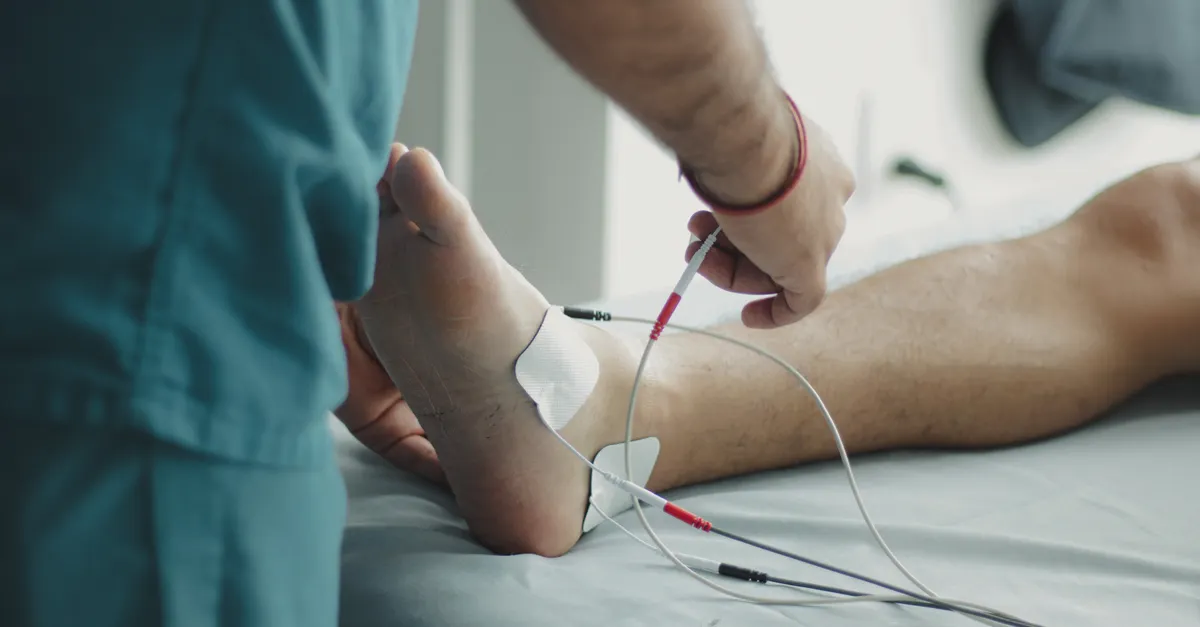
Remote health monitoring is poised to become an even more integral part of stroke recovery, especially for seniors. As technology advances, we can expect more intuitive devices, better integration with electronic health records, and expanded access in underserved areas. These developments will help close care gaps and empower more seniors to recover safely at home.
However, it’s important to remember that technology is only one piece of the puzzle. Ongoing collaboration between patients, caregivers, and healthcare professionals remains essential for successful recovery. By combining digital tools with compassionate, personalized care, we can help seniors achieve the best possible outcomes after a stroke.
Frequently Asked Questions
What are the main benefits of remote monitoring for seniors after a stroke?
Remote monitoring supports better blood pressure control, increases patient engagement, and allows for earlier detection of complications. These benefits are especially important for seniors in areas with limited access to in-person care.
Are there any risks or downsides to using remote health monitoring?
While remote monitoring offers many advantages, it also has limitations. Seniors may face challenges with technology use, and not all health issues can be managed remotely. It’s crucial to use these tools alongside regular medical supervision.
How can caregivers help seniors succeed with remote monitoring?
Caregivers can assist by setting up devices, providing reminders, and helping interpret readings. Ongoing encouragement and communication with healthcare providers are also key to ensuring safe and effective use.