Remote health monitoring is transforming how older adults manage their well-being at home. With digital health solutions becoming more accessible and user-friendly, seniors and their families are increasingly interested in weaving these technologies into everyday routines. Understanding the benefits, recognizing the challenges, and following safe usage guidelines are essential for making the most of these tools—while ensuring that seniors remain empowered and supported in their health journey.
Understanding Remote Health Monitoring for Older Adults
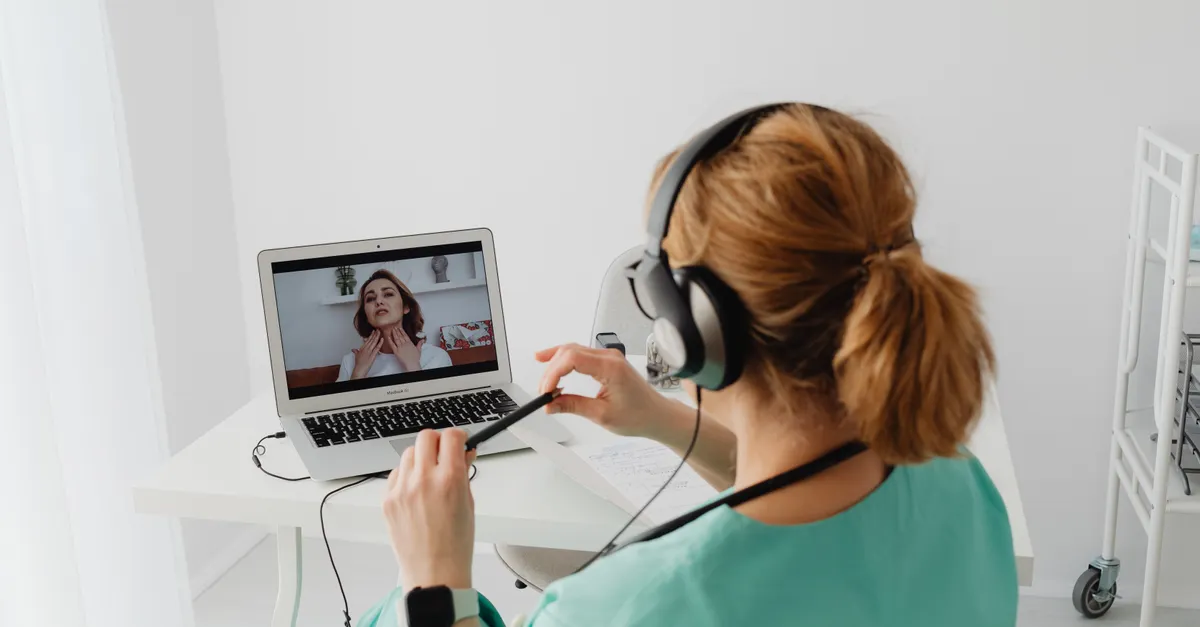
Remote health monitoring refers to the use of digital devices and software to track health indicators outside traditional clinical settings. For seniors, this means leveraging technology to monitor vital signs, chronic conditions, and daily health metrics from the comfort of home. These systems can include wearable devices, smart home sensors, and mobile health apps, all designed to collect and transmit data to healthcare providers or caregivers for ongoing evaluation.
This approach is especially relevant for older adults, who may face mobility challenges or live far from medical facilities. By integrating these solutions into daily life, seniors can maintain greater independence, receive timely interventions, and foster stronger connections with their healthcare teams.
Key Benefits of Integrating Remote Health Monitoring into Daily Life
The advantages of adopting remote health monitoring are significant, particularly for seniors managing chronic conditions or seeking to maintain their independence. According to the Agency for Healthcare Research and Quality, remote patient monitoring enables healthcare providers to oversee patients outside traditional care settings using digital medical devices. This continuous connection can lead to earlier detection of health issues and more personalized care.
Some of the main benefits include:
- Early Detection of Health Changes: Devices can alert users and providers to subtle changes in vital signs or symptoms, supporting prompt action.
- Improved Healthcare Outcomes: By collecting live health data and sharing it with care teams, seniors can benefit from more accurate treatment adjustments and proactive care, as highlighted by HealthTech Magazine in 2023.
- Enhanced Independence: Seniors can manage their health more autonomously, reducing the need for frequent in-person appointments.
- Peace of Mind for Families: Caregivers and loved ones can stay informed about a senior’s health status, even from a distance.
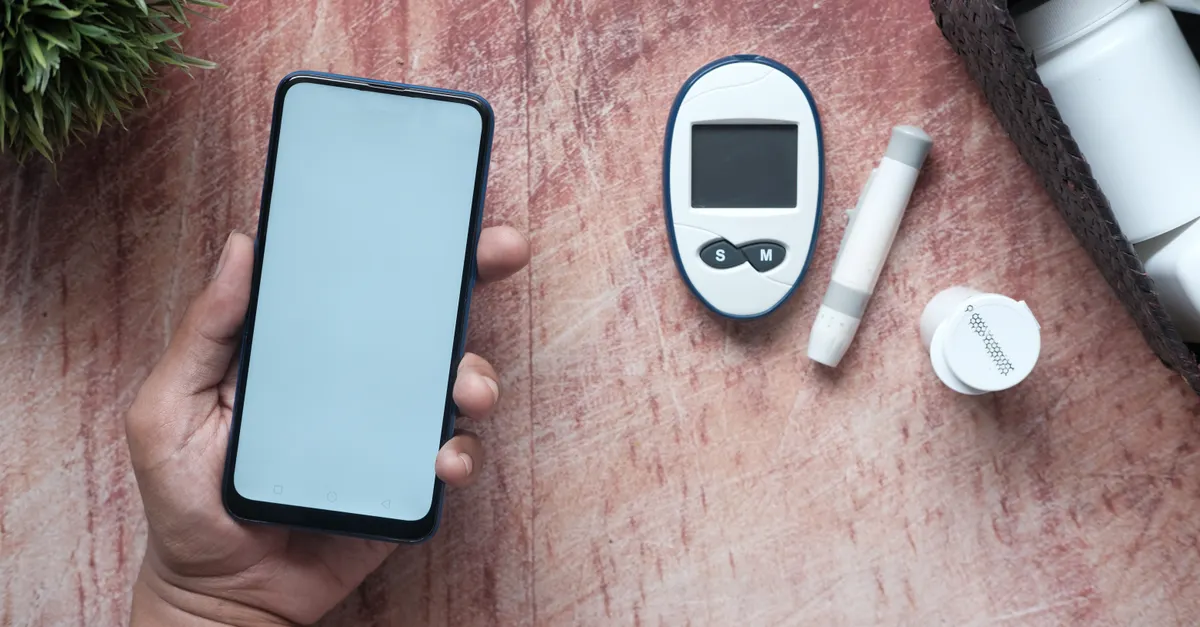
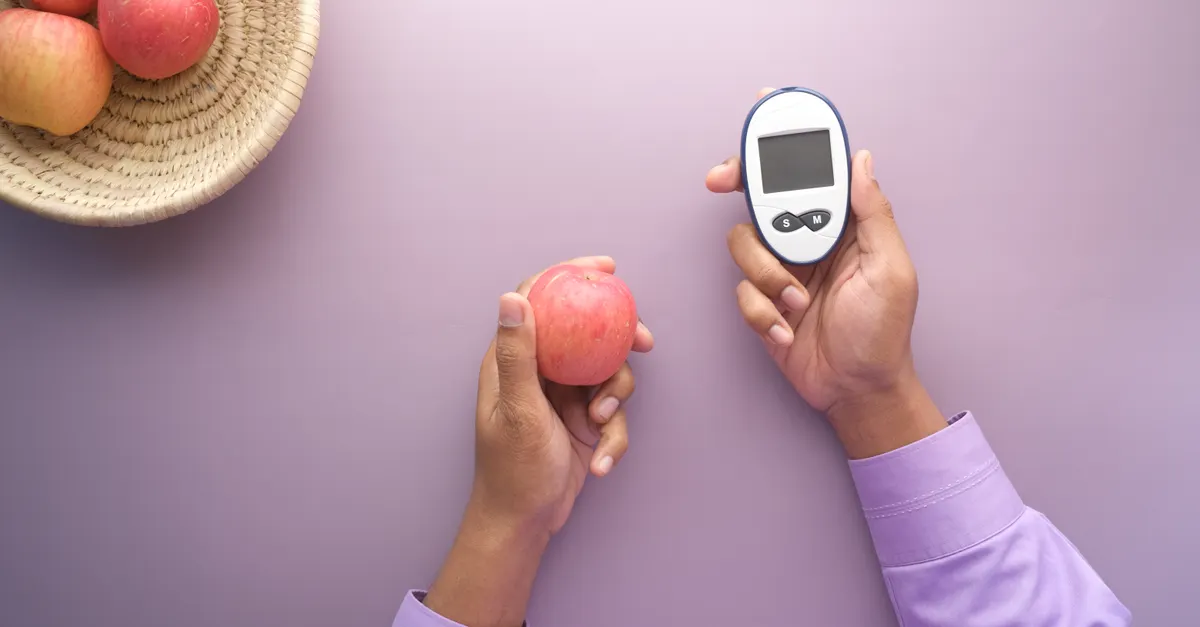
For those with specific conditions, such as diabetes or arthritis, tailored monitoring can be especially valuable. For instance, integrating remote health monitoring for diabetes management into daily routines helps track blood sugar trends and supports better disease control.
Common Challenges and Considerations for Seniors
While the benefits are clear, integrating digital health solutions into daily routines is not without obstacles. Seniors may encounter several challenges when adopting these technologies, and understanding these barriers is crucial for successful integration.
Technical and Usability Barriers
- Learning Curve: Some seniors may find it difficult to learn new devices or apps, especially if they have limited experience with technology.
- Physical Limitations: Issues such as reduced vision, hearing, or dexterity can make device use more challenging.
- Device Maintenance: Remembering to charge, update, or calibrate devices can be a hurdle for some users.
Privacy and Security Concerns
With health data being transmitted electronically, privacy is a valid concern. Seniors and their families should be aware of how their information is stored and shared. It’s important to choose devices and platforms that comply with recognized privacy standards and to understand the permissions granted when setting up new tools.
Connectivity and Reliability
- Internet Access: Reliable internet is often required for real-time data transmission, which may not be available in all homes.
- Device Compatibility: Not all devices work seamlessly together, and some may require specific smartphones or tablets.
Pros and Cons of Daily Integration
Pros:
- Better health tracking and early intervention
- Increased independence and confidence
- Improved communication with healthcare providers
Cons:
- Potential frustration with technology
- Privacy and data security risks
- Possible over-reliance on devices instead of professional advice
Practical Strategies for Incorporating Remote Monitoring into Everyday Routines
Successfully integrating remote health monitoring into daily life requires a thoughtful approach tailored to each senior’s needs and preferences. Here are some practical strategies to help make the transition smoother and more effective:
Start Simple and Build Confidence
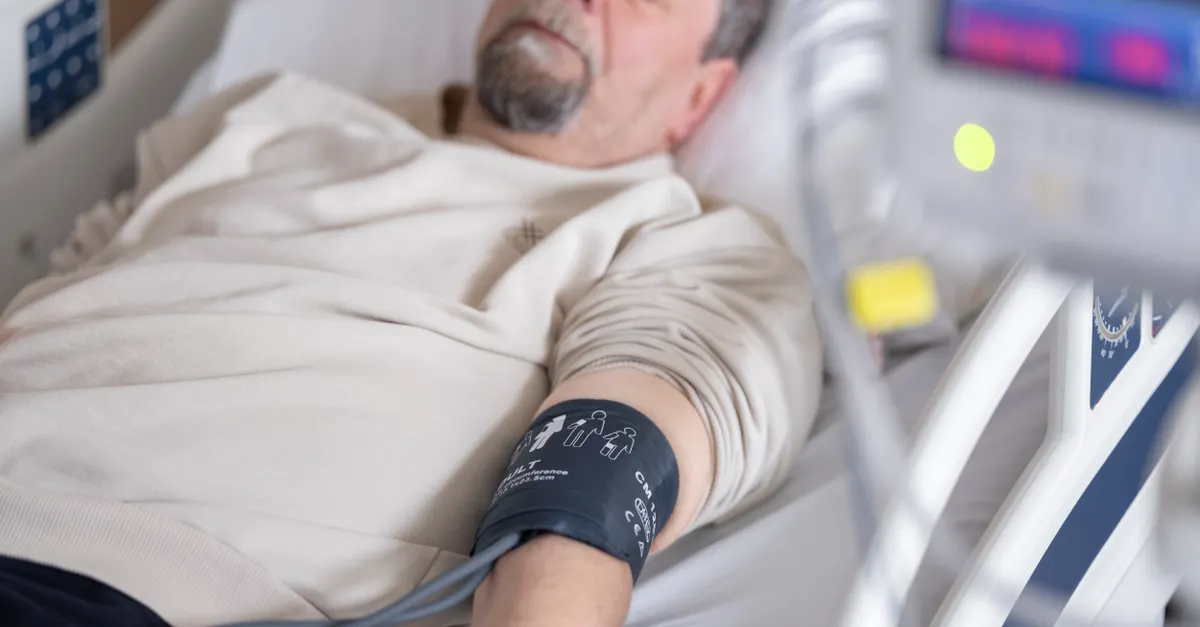
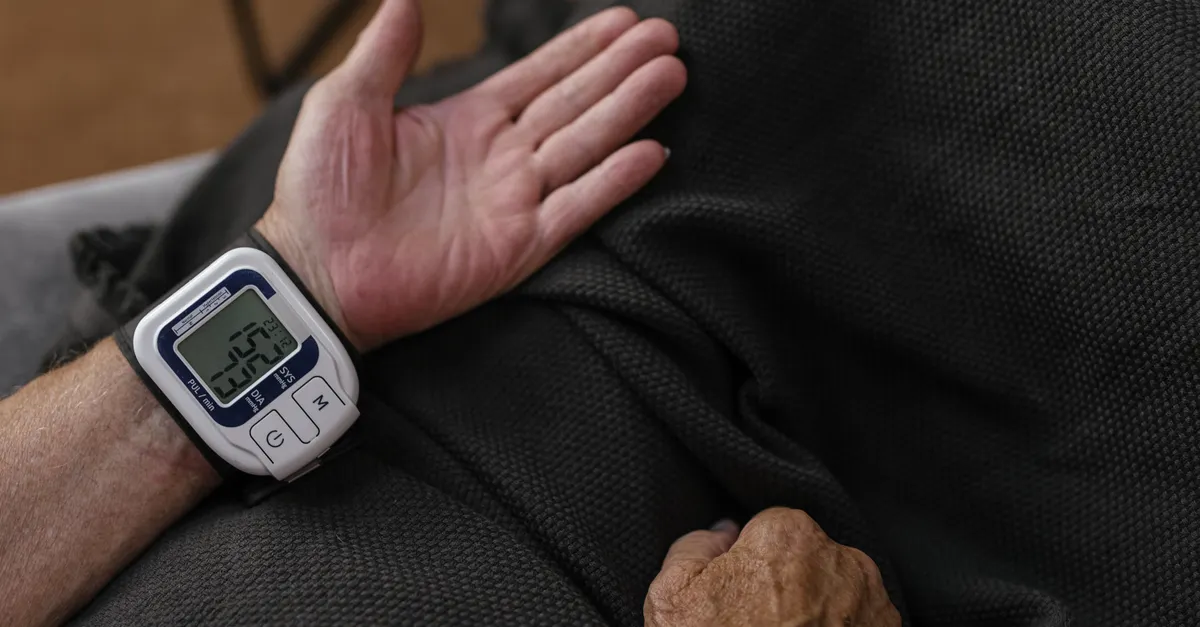
Begin with one device or feature that addresses the most pressing health concern. For example, a blood pressure monitor or a wearable fitness tracker can provide valuable insights without overwhelming the user. Once comfortable, additional devices or features can be added as needed.
Establish a Routine
Incorporate device usage into daily habits, such as checking vital signs after breakfast or before bedtime. Setting reminders—either on the device itself or through a calendar—can help seniors remember to use their smart health device consistently.
Involve Caregivers and Family Members
Caregivers play a crucial role in supporting seniors with technology. They can assist with setup, troubleshooting, and interpreting data. Regular check-ins, whether in person or virtually, help ensure devices are used correctly and that any health alerts are addressed promptly.
Choose User-Friendly Devices
Look for products designed with seniors in mind, featuring large displays, simple interfaces, and clear instructions. Reading remote health monitoring devices reviews can help identify the most accessible and reliable options.
Prioritize Safety and Professional Guidance
While these tools are valuable, they are not a replacement for professional medical advice. Seniors and caregivers should understand the limitations of remote monitoring and know when to contact a healthcare provider—especially if a device reports concerning results or if symptoms change.
Conclusion: Moving Toward Empowered Senior Care
Adopting remote health monitoring can be a meaningful step toward greater independence, improved health outcomes, and peace of mind for seniors and their families. By understanding the benefits, addressing challenges, and following safe integration strategies, older adults can confidently embrace these digital health solutions as part of their everyday lives. Ongoing support from caregivers and healthcare professionals remains essential to ensure that technology enhances, rather than complicates, the care experience.
Frequently Asked Questions
What types of remote health monitoring devices are available for seniors?
There are a variety of devices tailored for older adults, including wearable fitness trackers, blood pressure monitors, glucometers, smart scales, and emergency alert systems. Some devices are designed for specific conditions, while others offer general wellness tracking.
How can caregivers help seniors use remote health monitoring tools?
Caregivers can assist by setting up devices, teaching seniors how to use them, monitoring data, and ensuring that any alerts are addressed. They can also help interpret results and communicate with healthcare providers when necessary.
Are there privacy risks with remote health monitoring?
Yes, transmitting health data electronically can pose privacy and security risks. It’s important to choose devices and apps that comply with recognized privacy standards, use secure connections, and limit data sharing to trusted parties.