Ensuring the safety and well-being of older adults at home is a top priority for many families. As individuals age, their needs change, and so do the risks they face. Setting up a security system tailored for seniors involves more than just installing cameras or alarms—it requires careful consideration of usability, privacy, and the unique challenges that come with aging. This guide explores how to approach home security for seniors, highlighting essential steps and considerations to help families make informed, safe choices.
Understanding the Security Needs of Seniors
Older adults often have distinct security concerns compared to the general population. Factors such as reduced mobility, hearing or vision impairments, and the potential for living alone can increase vulnerability. According to guidance from industry experts, custom security plans should be developed to address the unique layout of a senior’s home and their specific needs, rather than relying on a generic, one-size-fits-all solution.
Common concerns for seniors include:
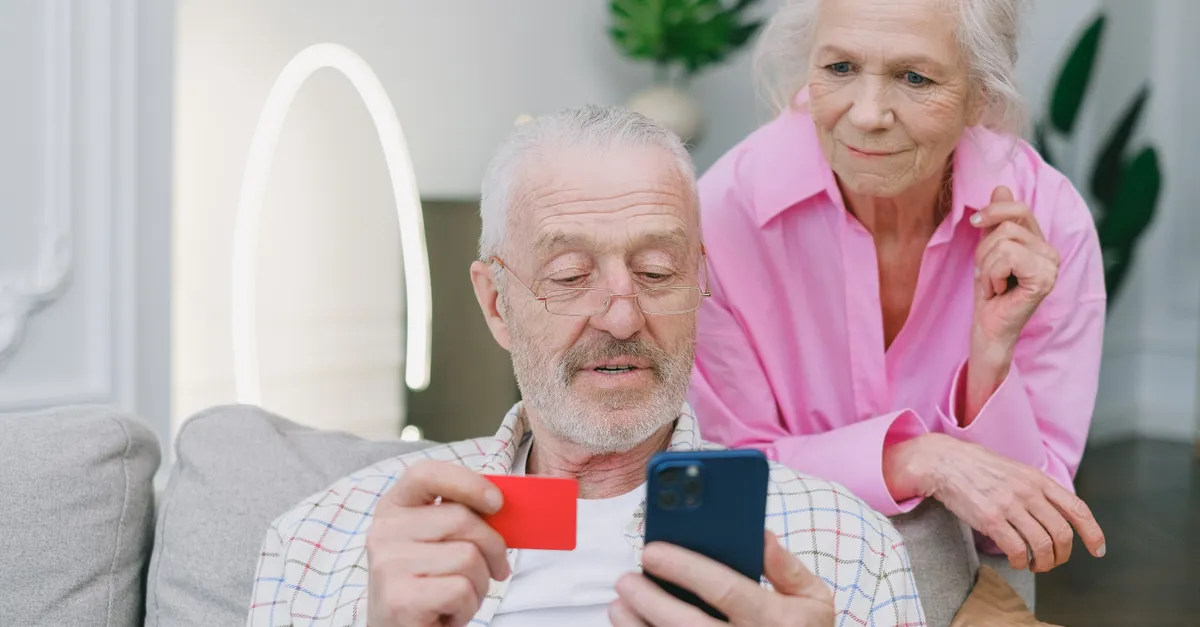
- Unwanted visitors or scams targeting the elderly
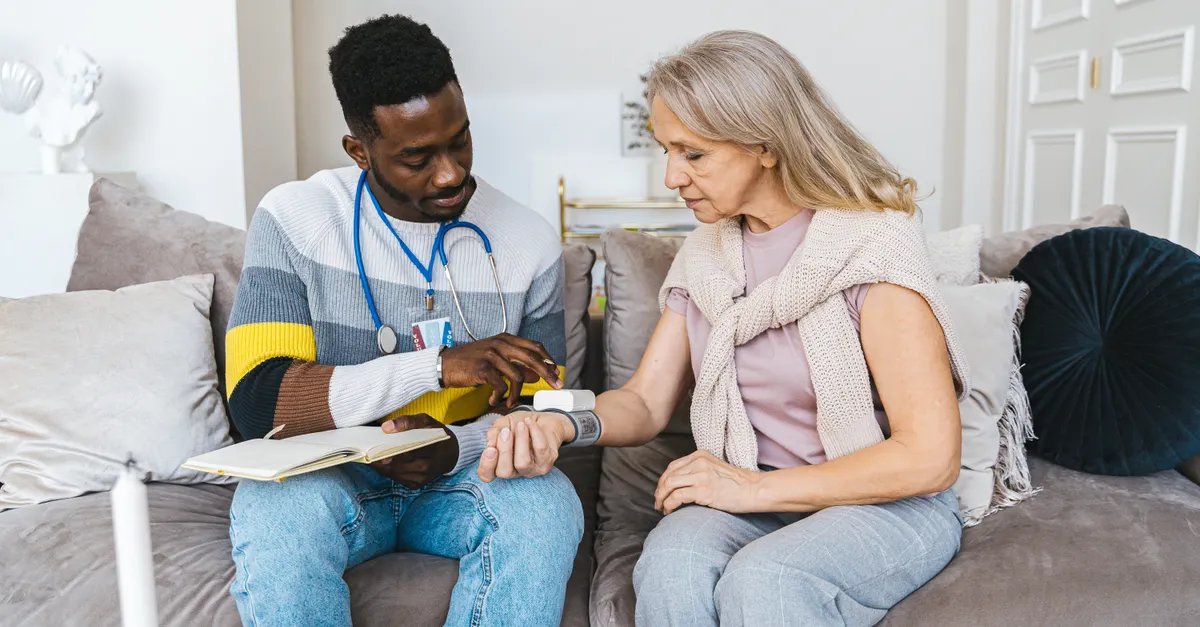
- Medical emergencies where immediate help is needed
- Difficulty operating complex technology
- Potential for falls or accidents in and around the home
Unlike standard home security, systems for seniors should prioritize simplicity, accessibility, and integration with health monitoring or emergency response services. For example, pairing medical alert devices with home security can provide peace of mind for both seniors and their families.
Choosing the Right Security System
Selecting a system that meets the needs of older adults involves more than just picking a reputable brand. The best options are those that combine essential security features with ease of use and adaptability. Here are some important considerations:
- Wireless security systems: These are generally easier to install and maintain, reducing the need for complex wiring or drilling.
- Video doorbells: Allow seniors to see and communicate with visitors without opening the door, which can help prevent scams or unwanted solicitations.
- Smart locks: Provide keyless entry, which is especially helpful for those with limited dexterity or memory issues. For more on this, see our guide to the best smart locks for seniors.
- Medical alert integration: Systems that connect with medical alert services can ensure help is available at the press of a button.
- Caregiver alerts: Some systems offer notifications to family members or caregivers if an unusual event is detected.
When evaluating features, prioritize large, clearly labeled buttons, voice prompts, and systems that offer remote monitoring capabilities. Brands like ADT, SimpliSafe, and Bay Alarm Medical are known for offering solutions that cater to these needs. Additionally, look for systems that offer professional monitoring, so help is always available if an emergency arises.
Balancing Privacy with Security
One of the most overlooked aspects of home security for seniors is the balance between effective protection and maintaining personal privacy. While cameras and sensors can deter intruders and provide valuable information in an emergency, they can also feel intrusive—especially in private areas of the home.
To address these concerns, consider the following strategies:
- Install cameras only in common areas and entry points, avoiding bedrooms and bathrooms.
- Use devices that allow for customizable privacy settings, such as disabling audio recording or setting schedules for when cameras are active.
- Discuss the installation and operation of security devices with the senior, ensuring they understand and consent to the monitoring.
- Choose systems that offer clear data privacy policies and allow users to control who can access video feeds or alerts.
Balancing privacy and safety is especially important when integrating smart home security systems that may collect and store personal data. Open communication and respect for the senior’s preferences are key to finding the right solution.
Installation Considerations and Professional Help
Installing a security system can involve handling electrical components, mounting devices, and configuring software. For seniors, or those assisting them, safety should always come first. Before starting any installation, conduct a preliminary inspection of the home to identify:
- Areas that need coverage, such as entryways, hallways, and common rooms
- Potential obstacles or hazards, like uneven surfaces or cluttered spaces
- Existing wiring or structural limitations that may affect device placement
While some systems are marketed as DIY-friendly, it’s important to recognize the risks involved. If the process requires drilling, electrical work, or complex configuration, it’s best to seek professional installation. According to industry guidance, custom security plans should always account for the unique layout and needs of the home, which a professional can help assess and implement.
Professional installers can also ensure that devices are placed for optimal coverage and accessibility, and that the system is set up to be as user-friendly as possible. For more information on what to expect, see our overview of home security system installation for seniors.
Conclusion
Setting up a home security system for older adults requires a thoughtful approach that goes beyond standard solutions. By focusing on the unique needs of seniors—such as ease of use, integration with health alerts, and privacy concerns—families can create a safer, more comfortable living environment. Always prioritize a safe preliminary inspection and know when to call in professionals to avoid unnecessary risks. With the right planning and support, seniors can enjoy greater independence and peace of mind in their own homes.
Frequently Asked Questions
What are the most important features in a security system for seniors?
The most valuable features include easy-to-use controls, wireless installation, video doorbells, smart locks, integration with medical alert devices, and caregiver notifications. These features help ensure both safety and accessibility for older adults.
How can privacy be protected when installing security cameras for seniors?
To protect privacy, place cameras only in common areas and entryways, avoid private spaces, and choose systems with customizable privacy settings. Always discuss the setup with the senior and obtain their consent before installation.
Is it safe for seniors to install a security system themselves?
While some systems are designed for simple DIY setup, installation can involve risks such as electrical work or heavy lifting. It’s safest to conduct a thorough inspection first and seek professional help for complex installations or if there are any uncertainties about the process.