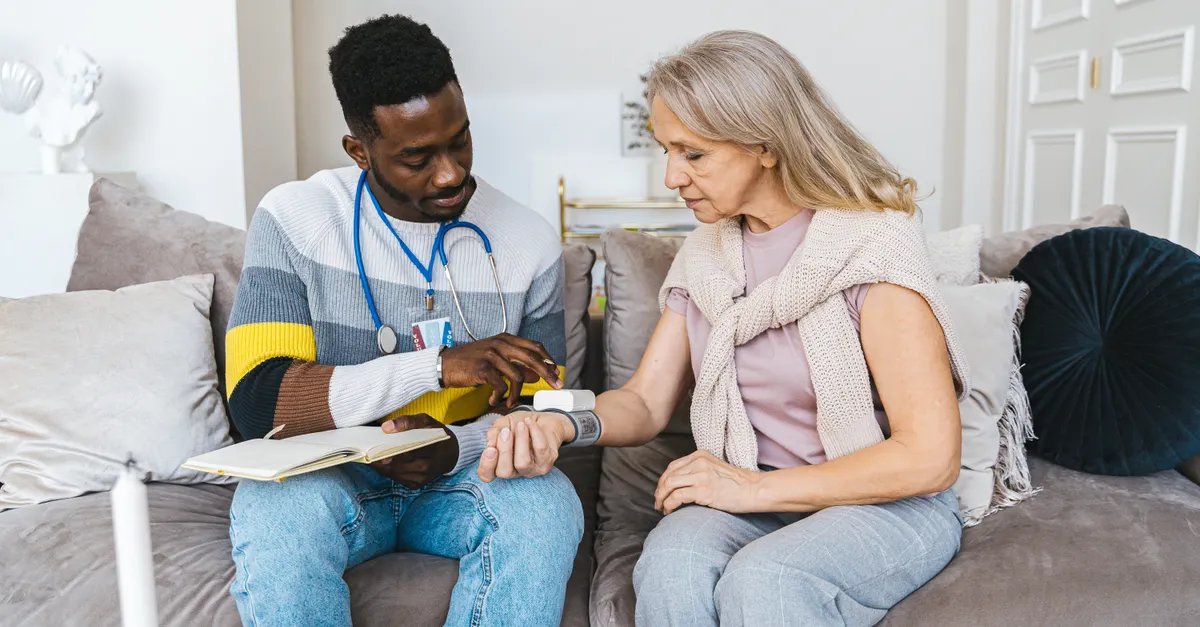
As people age, safety at home becomes a top priority. Many seniors live independently and want to maintain their autonomy, but concerns about falls, break-ins, and medical emergencies can create anxiety for both older adults and their families. Home security monitoring services for elderly individuals are designed to address these challenges, offering peace of mind through features tailored to the unique needs of seniors. This article explores the essential features, costs, and benefits of these services, with a focus on understanding when professional installation is necessary and how to find affordable options.
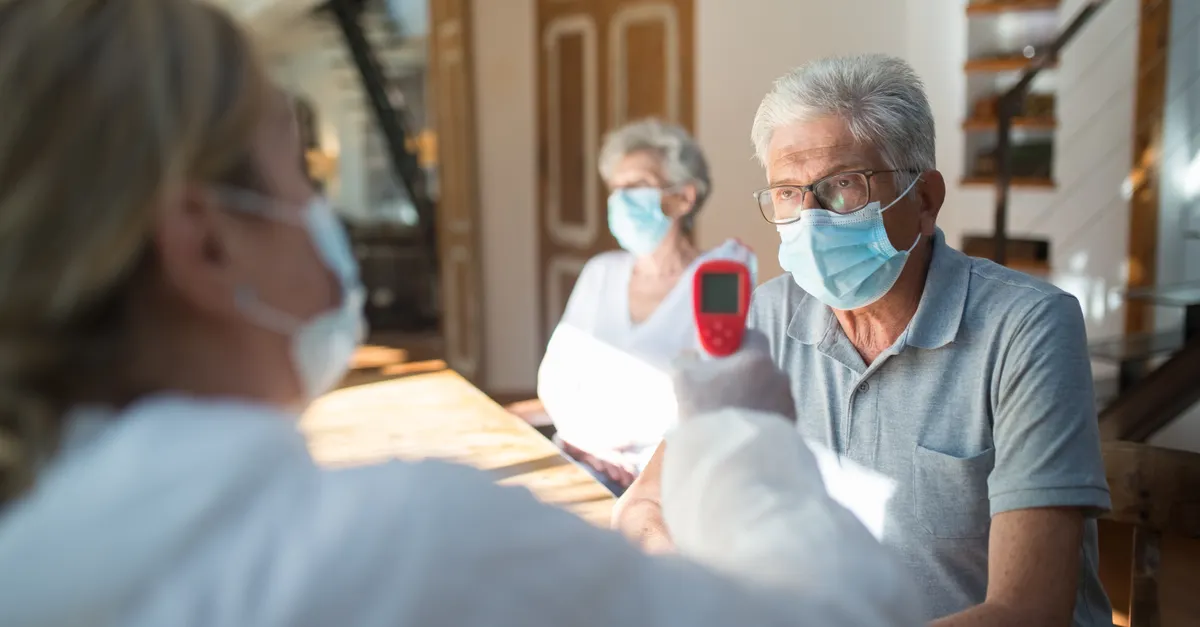
Understanding Senior-Focused Security Monitoring
For older adults, a secure home environment is more than just a comfort—it’s a necessity. Security monitoring services provide continuous oversight, ensuring help is available in case of emergencies. These systems go beyond basic alarms, integrating features like medical alert buttons, motion sensors, and direct communication with emergency responders. The benefits include faster response times, deterrence of intruders, and support during medical incidents, making them a valuable investment for seniors and their loved ones.
Leading Security Systems with Senior-Friendly Features
Several well-known providers offer home security monitoring services for elderly residents, each with unique advantages. Among the most recognized are ADT, SimpliSafe, and Vivint. These companies have developed solutions that prioritize ease of use, reliability, and emergency support.
- ADT: Known for its extensive network of 12 monitoring centers, ADT offers robust protection and specializes in monitoring both security and medical emergencies for older adults. According to SafeHome.org, ADT’s system is designed for quick response and includes features such as wearable panic buttons and two-way voice communication. Seniors also benefit from reliable customer support and affordable pricing, as highlighted by SeniorLiving.org. Notably, ADT provides discounts for AARP members, making it a cost-effective choice for many.
- SimpliSafe: This provider is praised for its straightforward setup and user-friendly devices. SimpliSafe’s systems are easy to operate, with large buttons and clear instructions. While professional installation is available, many seniors appreciate the option for assisted setup, ensuring the system is configured correctly without the need for complex DIY work.
- Vivint: Vivint is known for its smart home integration, allowing seniors to control security devices through voice commands or mobile apps. The system can be customized to include fall detection, emergency pendants, and environmental sensors, offering comprehensive coverage for a range of risks.
When selecting a provider, consider which features align best with the senior’s lifestyle and health needs. For a more detailed look at which systems excel in different categories, you may find this best home security systems for elderly guide helpful.
Affordable and Free Security Options for Seniors
Cost is a significant concern for many older adults, especially those on fixed incomes. While premium systems offer extensive features, there are also affordable and even free options to consider:
- Basic Monitoring Packages: Some companies offer stripped-down versions of their services at lower monthly rates. These may include essential intrusion detection and basic emergency alerts without advanced automation or video monitoring.
- Community Programs: In certain areas, local governments or nonprofit organizations provide free or subsidized security devices to seniors. These programs may include window alarms, door sensors, or personal emergency response systems at little to no cost.
- Discounts for Seniors: Many providers, including ADT, offer special pricing or discounts for older adults. For example, AARP members can access exclusive deals on home security packages, reducing upfront and ongoing costs.
- DIY Devices: While this article focuses on professional solutions, it’s worth noting that some seniors may benefit from simple, low-cost devices such as battery-operated alarms or personal safety alarms that can be carried or worn.
When evaluating these options, it’s important to balance affordability with the level of protection and support required. Free or low-cost solutions may lack professional monitoring or advanced emergency response, so assess whether these trade-offs are acceptable for your situation.
Comparing Emergency Response Capabilities
One of the most critical aspects of home security monitoring services for elderly users is the ability to respond quickly and effectively to emergencies. Not all systems offer the same level of support, so understanding the differences can help you make an informed decision.
Key Emergency Features to Look For
- 24/7 Monitoring: Continuous oversight by trained professionals ensures that help is dispatched immediately in case of an alarm or medical emergency.
- Medical Alert Integration: Many systems include wearable devices or wall-mounted buttons that allow seniors to call for assistance with a single press. ADT, for example, monitors medical emergencies through its network of 12 centers, providing a direct link to emergency responders.
- Two-Way Voice Communication: This feature allows users to speak directly with monitoring center staff, clarifying the nature of the emergency and ensuring the right help is sent.
- Automatic Fall Detection: Some advanced systems can detect falls and trigger an alert even if the user is unable to press a button, which is especially valuable for those with mobility challenges.
- Environmental Sensors: Devices that detect smoke, carbon monoxide, or flooding add another layer of safety, alerting both the resident and the monitoring center to potential dangers.
When comparing providers, ask about response times, the training of monitoring staff, and whether the system supports medical emergencies in addition to security threats. The presence of multiple monitoring centers, as with ADT, can also enhance reliability and reduce the risk of service interruptions.
Installation: Professional Setup vs. Assisted Options
Proper installation is essential to ensure that security systems function as intended. For seniors, professional installation is often the safest choice, as it guarantees that all devices are correctly placed and configured. Many providers offer in-home setup, where technicians handle everything from mounting sensors to connecting communication devices.
Some companies also provide assisted installation, where a technician guides the user through the process remotely. This can be a good compromise for those who are comfortable with technology but want expert oversight. Regardless of the method, avoid complex DIY setups unless you are confident in your ability to follow instructions and test the system thoroughly.
For more information on what to expect during setup, see this overview of home security system installation for seniors.

Conclusion: Making the Right Choice for Senior Safety
Choosing the best home security monitoring services for elderly individuals involves weighing features, costs, and the level of professional support required. Prioritize systems that offer reliable emergency response, senior-friendly controls, and clear communication with monitoring centers. Consider affordable or subsidized options if budget is a concern, but ensure that the chosen solution still provides the necessary level of protection. Professional installation is recommended for most seniors to guarantee optimal performance and peace of mind. By carefully evaluating your needs and the available options, you can create a safer, more secure home environment for yourself or your loved ones.
Frequently Asked Questions
What features are most important in security systems for seniors?
Look for systems with easy-to-use controls, medical alert integration, 24/7 monitoring, and two-way voice communication. Automatic fall detection and environmental sensors are also valuable additions for comprehensive safety.
How much do home security monitoring services for elderly users typically cost?
Costs vary by provider and package. Basic monitoring can start at a low monthly rate, while advanced systems with medical alerts and professional installation may cost more. Discounts for seniors, such as those for AARP members with ADT, can help reduce expenses.
Are there any free or low-cost options available for seniors?
Yes, some community programs and nonprofits offer free or subsidized security devices. Additionally, many providers have basic packages at reduced rates for seniors. Always inquire about available discounts and local resources to find the most affordable solution.