As people age, memory lapses can become more frequent, making everyday tasks and routines more challenging. For many older adults, remembering appointments, taking medications on time, or recalling important names and events can be a daily struggle. Fortunately, advances in voice-activated technology for memory aids are opening new doors for seniors seeking to maintain independence and improve their quality of life. This article explores how these tools work, compares leading options, addresses common challenges, and looks ahead to future developments in this rapidly evolving field.
Why Memory Support Matters for Older Adults
Memory issues among seniors, ranging from mild forgetfulness to more serious conditions like dementia or amnesia, are common. These challenges can impact not only personal safety but also emotional well-being and social engagement. Traditional memory aids—such as written notes, calendars, or pill organizers—have long been used to help manage daily routines. However, as technology becomes more accessible, digital solutions are increasingly being adopted to provide more dynamic and interactive support.
Voice-driven devices and applications offer a hands-free, intuitive way for seniors to receive reminders, store information, and access help when needed. This shift toward technology-based memory aids is especially significant for those who may have difficulty with manual dexterity or vision, as voice commands can bypass these barriers.
How Voice-Activated Technology Works as a Memory Aid
Voice-activated technology refers to devices and software that respond to spoken commands, allowing users to interact without needing to press buttons or navigate screens. For memory support, these systems can perform a variety of helpful functions:
- Setting reminders for medications, appointments, or daily tasks
- Recording notes or lists for later playback
- Answering questions or providing information on demand
- Assisting with communication, such as making phone calls or sending messages
Key features of these tools include natural language processing, which enables the device to understand and respond to conversational speech, and integration with other smart home devices. For seniors, this means they can simply ask for a reminder or dictate a shopping list, making the process seamless and accessible.
Many popular voice activated devices for seniors are designed with user-friendly interfaces, large buttons for setup, and clear audio feedback, ensuring that even those unfamiliar with technology can benefit from their capabilities.
Comparing Leading Voice-Activated Memory Aids
There is a growing range of voice-activated technology for memory aids designed specifically for older adults. Here, we compare three notable categories: intelligent virtual agents, wearable assistants, and portable voice recorders.
Intelligent Virtual Agents
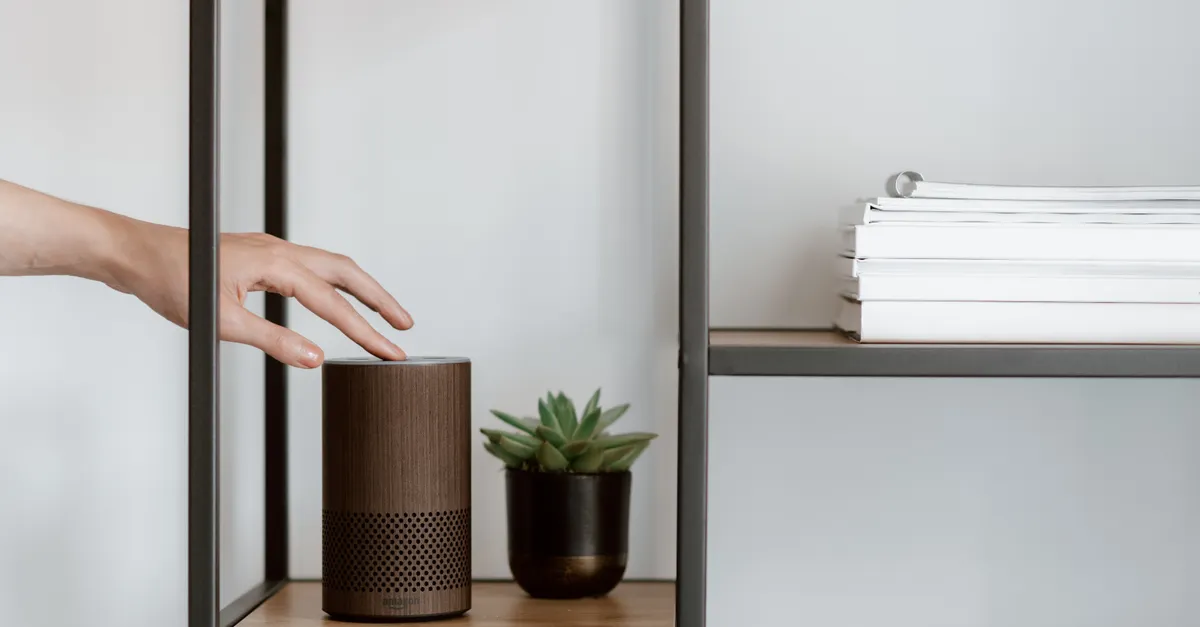
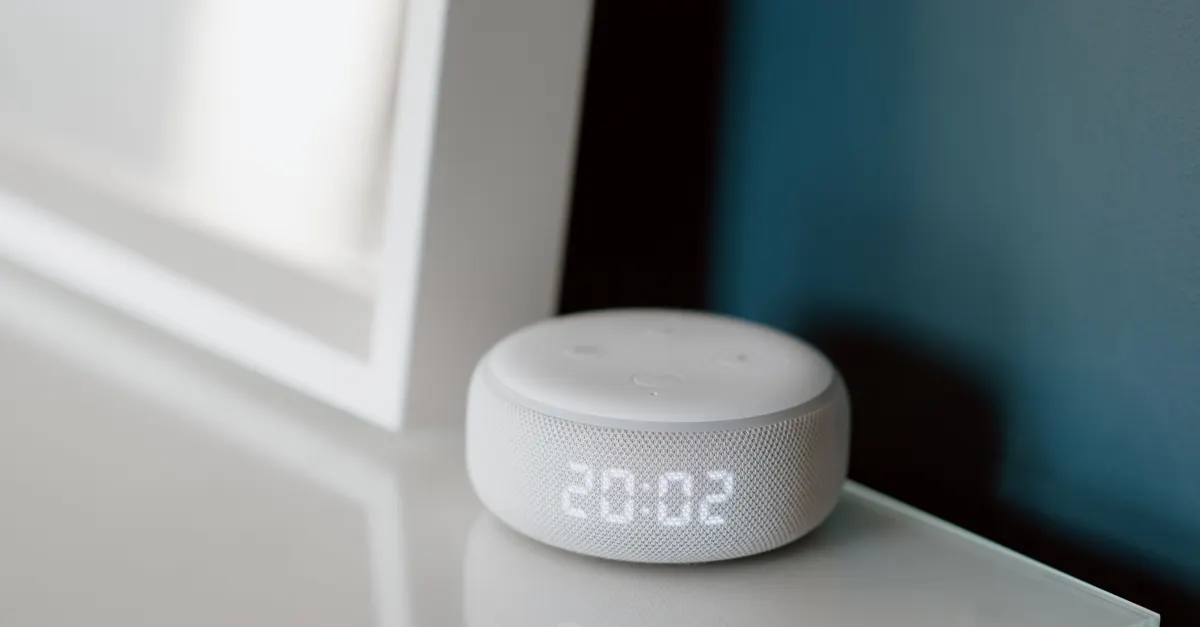
These are AI-powered systems—such as smart speakers or digital assistants—that can interact with users through spoken conversation. According to a systematic review published in 2024, voice-enabled intelligent virtual agents have shown promise in assisting individuals with amnesia and dementia. They can provide reminders, answer questions, and even engage in simple conversations to reduce feelings of isolation.
Pros:
- Hands-free operation and easy setup
- Ability to integrate with other smart devices
- Customizable reminders and routines
Cons:
- Requires a stable internet connection
- May have privacy concerns for some users
- Occasional difficulty understanding speech, especially with accents or speech impairments
Wearable Voice-Based Assistants (e.g., MemPal)
Wearable devices like MemPal are designed to be carried or worn, offering on-the-go support. Developed by the MIT Media Lab, MemPal is a voice-based memory assistant that helps older adults maintain independence by providing reminders and storing important information. Its portability means users can access help wherever they are, not just at home.
Pros:
- Always accessible, even outside the home
- Designed specifically for seniors’ needs
- Can store and replay personalized notes
Cons:
- May require charging or battery replacement
- Initial setup can be confusing for some users
- Device size and comfort may vary
Portable Voice Recorders
Simple portable voice recorders have long been used as memory aids. A study by the Brain Injury Association of America found these devices to be effective for individuals with traumatic brain injury, and they are equally useful for seniors needing to record reminders or important conversations. Unlike smart assistants, they do not require internet access and are generally easy to operate.
Pros:
- No internet connection needed
- Simple, intuitive controls
- Affordable and widely available
Cons:
- Lacks advanced features like automatic reminders
- Limited storage compared to cloud-based options
- Playback navigation can be challenging for some users
How Voice-Activated Memory Aids Compare to Traditional Methods
Traditional memory aids, such as written notes or pillboxes, are effective but require manual updating and can be easily misplaced. In contrast, voice-activated technology for memory aids offers dynamic, interactive support that adapts to the user’s needs. These devices can provide real-time reminders, answer questions, and store information securely, making them a valuable addition to any senior’s toolkit.
For those interested in exploring digital options, there are also senior-friendly apps for memory aids that can be used on smartphones or tablets, offering additional flexibility and features.
Challenges and Considerations for Seniors and Caregivers
While the benefits of voice-activated memory tools are clear, there are also challenges to consider. Some seniors may feel intimidated by new technology or have concerns about privacy and data security. Others may struggle with speech recognition, especially if they have speech impairments or strong accents.
Common obstacles include:
- Difficulty understanding device setup and operation
- Reluctance to trust technology for important tasks
- Physical limitations, such as hearing loss, that affect device use
Caregivers can play a crucial role in supporting seniors as they adopt these tools. Providing hands-on demonstrations, setting up devices, and offering ongoing encouragement can help build confidence. It’s also important to choose devices with clear audio, simple interfaces, and strong customer support.
For those interested in broader applications, voice-activated technology for remote monitoring can add another layer of safety and support, allowing caregivers to check in or receive alerts about a loved one’s well-being.
Looking Ahead: Future Developments in Voice-Activated Memory Support
The field of voice-activated technology for memory aids is rapidly advancing. Future trends are expected to include more personalized and adaptive systems, improved natural language understanding, and deeper integration with other health and wellness technologies. Artificial intelligence will likely play a larger role, enabling devices to learn user preferences and routines over time.
Emerging innovations may also focus on making devices more accessible for those with speech or hearing impairments, as well as enhancing privacy and data protection. As these technologies become more affordable and user-friendly, they will likely become a standard part of memory support for seniors worldwide.
For those just starting out with digital tools, exploring the best tablets for seniors learning technology can be a helpful first step toward building confidence and digital literacy.

Conclusion
Voice-activated memory aids are transforming the way seniors manage daily routines and maintain independence. By offering hands-free reminders, note-taking, and easy access to information, these tools address many of the challenges associated with memory loss. While there are hurdles to adoption, the benefits—especially when supported by caregivers—can be significant. As technology continues to evolve, seniors and their families can look forward to even more effective and accessible solutions for memory support.
Frequently Asked Questions
What are the main benefits of using voice-activated memory aids for seniors?
These devices provide hands-free reminders, easy note-taking, and quick access to information, making daily tasks more manageable for those with memory challenges. They can also help reduce anxiety by offering consistent support and routine.
Are voice-activated memory aids more effective than traditional methods?
For many seniors, voice-activated tools offer greater convenience and adaptability than traditional aids like paper notes or pillboxes. They can be updated in real time, provide audio feedback, and are less likely to be misplaced. However, effectiveness depends on the individual’s comfort with technology and specific needs.
What should caregivers consider when helping seniors use these technologies?
Caregivers should look for devices with simple interfaces, clear audio, and strong customer support. Providing hands-on training, setting up reminders, and offering ongoing encouragement can help seniors feel more comfortable and confident using these tools.