As the global population ages, the need for effective and accessible remote health solutions becomes increasingly important. Voice-activated technology for remote monitoring is emerging as a practical tool to support seniors in maintaining independence and staying connected with healthcare providers. By leveraging natural language and intuitive interfaces, this technology helps bridge the gap between older adults and digital health services, offering new possibilities for monitoring well-being from the comfort of home.
Understanding Voice-Activated Technology in Remote Health Monitoring
Voice-activated technology refers to systems that use speech recognition and conversational AI to interpret and respond to spoken commands. In the context of remote monitoring, these systems can collect health data, remind users about medication, and facilitate communication with caregivers or clinicians. For seniors, this means interacting with devices using natural speech rather than complex menus or small touchscreens, making health management more accessible and less intimidating.
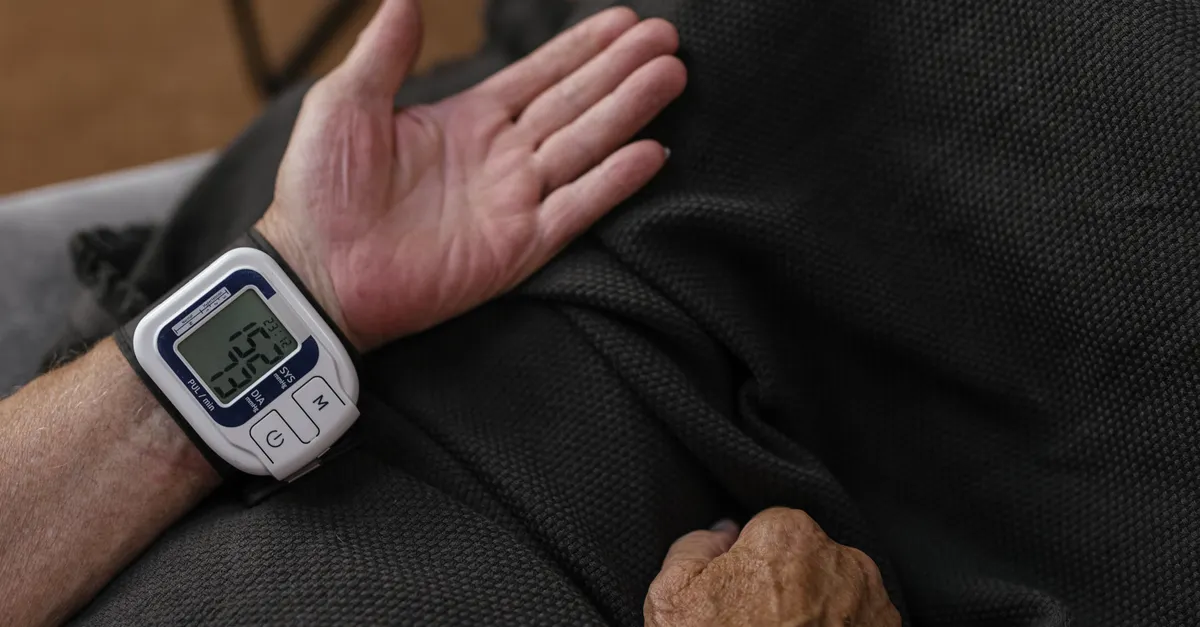
Remote monitoring, broadly defined, involves tracking health indicators such as vital signs, symptoms, or daily routines from a distance, typically using connected devices. Integrating voice-activated solutions into this process allows for hands-free operation, which is particularly valuable for individuals with limited mobility or vision.
Current Uses of Voice-Activated Technology in Healthcare
Healthcare providers and researchers are increasingly exploring how voice-driven systems can enhance patient care. For example, a pilot randomized control trial published in 2024 demonstrated the feasibility of using voice-activated platforms for remote symptom monitoring in heart failure patients. Participants could report symptoms and receive feedback simply by speaking to a device, streamlining the process and reducing the need for in-person visits.
Another clinical study found that voice-based remote care programs can be effectively implemented for vulnerable older adults in rural communities. These programs enable seniors to check in on their health, receive medication reminders, and access support without the need for advanced technical skills. Such applications are particularly beneficial for those who may struggle with traditional digital interfaces.
Beyond symptom tracking, voice-activated assistants are being used to schedule appointments, answer health-related questions, and connect users with emergency services. This integration of conversational AI into daily routines is helping to make healthcare more responsive and personalized for seniors.
For readers interested in broader trends, exploring remote health monitoring technology trends can provide additional context on how these innovations are shaping the future of elder care.
Key Benefits for Seniors Using Voice-Activated Solutions
While voice-activated technology offers advantages for many users, its impact on seniors is especially significant. The following benefits highlight why this approach is gaining traction in remote health monitoring for older adults:
- Accessibility: Seniors with arthritis, limited dexterity, or vision impairment often find touchscreens and small buttons challenging. Voice commands eliminate these barriers, allowing users to interact with devices naturally and comfortably.
- Ease of Use: Unlike traditional digital tools that may require learning new interfaces, voice-activated systems rely on everyday language. This lowers the learning curve and encourages regular engagement, even among those with little technological experience.
- Hands-Free Operation: For individuals with mobility issues or those recovering from surgery, the ability to control devices without physical interaction is invaluable. Voice commands make it possible to request assistance, record health data, or access information while resting or moving about the home.
- Enhanced Safety and Independence: Seniors can use voice-activated devices to call for help in emergencies, set reminders for medication, or check in with caregivers, supporting independent living while ensuring timely intervention when needed.
- Reduced Social Isolation: Conversational AI can facilitate communication with family, friends, and healthcare providers, helping seniors stay connected and engaged, which is crucial for mental and emotional well-being.
Challenges in Adopting Voice-Activated Technology for Remote Monitoring
Despite its promise, implementing voice-driven solutions for remote health monitoring is not without obstacles. Understanding these challenges is essential for successful adoption and ongoing use among seniors.
- Speech Recognition Limitations: Accents, speech impairments, or background noise can affect the accuracy of voice recognition systems. Seniors may become frustrated if devices do not consistently understand their commands.
- Privacy Concerns: Some users may worry about devices listening to their conversations or storing sensitive health information. Addressing these concerns requires clear communication about data security and privacy policies.
- Technical Barriers: Initial setup and troubleshooting can be daunting for those unfamiliar with technology. Support from caregivers or technical assistance is often needed to ensure smooth operation.
- Cost and Accessibility: While many voice-activated devices are becoming more affordable, the cost of connected health systems and reliable internet access can still be prohibitive for some seniors, particularly in rural or low-income areas.
To address these challenges, developers and healthcare providers are working on improving speech recognition algorithms, simplifying device setup, and offering robust customer support. Community programs and family involvement can also help seniors become more comfortable and confident using these tools.
Future Directions for Voice-Driven Remote Monitoring
The future of voice-activated technology for remote monitoring is promising, with ongoing advancements poised to make these systems even more effective and user-friendly. According to industry analysis, voice technology is already significantly impacting healthcare by improving remote patient monitoring and communication.
Emerging trends include the integration of telemedicine platforms with voice assistants, enabling real-time consultations and health assessments without leaving home. As conversational AI becomes more sophisticated, devices will better understand context, adapt to individual speech patterns, and provide more personalized support.
In the coming years, we can expect to see:
- Greater Personalization: Devices that learn user preferences and health histories to deliver tailored reminders, alerts, and health advice.
- Expanded Language Support: Improved recognition of diverse accents, dialects, and languages to serve a broader population.
- Integration with Wearables: Seamless communication between voice assistants and health monitoring wearables for comprehensive, real-time health tracking.
- Enhanced Security: Stronger privacy controls and transparent data management to build trust among users.
These innovations will further empower seniors to manage their health proactively, reduce the burden on caregivers, and support aging in place.

Conclusion
Voice-activated technology is transforming the landscape of remote health monitoring, particularly for seniors who benefit from its accessibility and ease of use. By addressing unique challenges such as mobility limitations and digital literacy, these solutions are making it possible for older adults to take a more active role in their health management. As the technology continues to evolve, a focus on personalization, privacy, and support will be key to ensuring that seniors can fully realize the advantages of remote monitoring in their daily lives.
Frequently Asked Questions
How does voice-activated technology work for remote monitoring?
Voice-activated systems use speech recognition and conversational AI to interpret spoken commands and questions. In remote monitoring, these devices can collect health data, provide reminders, and facilitate communication with healthcare providers, all through natural language interaction.
What are the main benefits of using voice-activated technology for seniors?
Key advantages include improved accessibility for those with mobility or vision challenges, hands-free operation, ease of use, and enhanced safety. Seniors can manage their health, connect with caregivers, and access information without needing to navigate complex digital interfaces.
What challenges might seniors face when using voice-activated technology for remote monitoring?
Common challenges include speech recognition errors, privacy concerns, technical setup difficulties, and the cost of devices or internet access. Support from caregivers and ongoing improvements in technology are helping to address these issues.