
As we age, maintaining independence becomes increasingly important, and assistive technology plays a crucial role in achieving this. From enhancing mobility to ensuring safety, these technologies are designed to support the elderly in their daily lives. However, choosing the right technology can be challenging given the myriad of options available. This guide focuses on highlighting the most effective assistive technologies for the elderly, helping you make informed decisions tailored to specific needs.
Assistive Technology Reviews
1Elsevier Assistive Technology for the Elderly
Best For: Comprehensive Overview
This book provides a thorough exploration of assistive technologies, making it ideal for those seeking an in-depth understanding of the field.

Comprehensive coverage of technologies
Ideal for professionals and caregivers
May be too detailed for casual readers
Why We Like It
This book is known for its detailed exploration of assistive technologies, making it a valuable resource for professionals in the field. It covers a wide range of topics, providing insights into both high-tech and low-tech solutions. This comprehensive approach is particularly beneficial for those looking to understand the full spectrum of available technologies. However, its depth may be overwhelming for those new to the subject.
2The 2023-2028 World Outlook for Disabled and Elderly Assistive Technologies
Best For: Future Trends
Offering a forward-looking perspective, this book is perfect for those interested in the future of assistive technologies.

Insightful future trends analysis
Great for strategic planning
High-level overview may lack detail
Why We Like It
This publication is invaluable for those planning for the future of assistive technologies. It provides a strategic overview of where the industry is headed, making it a useful tool for policymakers and business leaders. While it offers a broad perspective, it may not delve deeply into specific technologies, which could be a drawback for those seeking detailed technical insights.
3LAP Lambert Academic Publishing Assistive Technologies For The Elderly People
Best For: Cultural Insights
This book explores the perception and attitude towards assistive technologies among the Malaysian elderly, offering unique cultural insights.

Unique cultural perspective
Focus on user attitudes
Limited to Malaysian context
Why We Like It
This book offers a unique look at how cultural factors influence the adoption of assistive technologies. It provides valuable insights into the attitudes of the Malaysian elderly, which can inform broader discussions about cultural considerations in technology adoption. However, its focus on a specific demographic may limit its applicability to other regions.
How to Choose the Right Assistive Technology
Understanding Your Needs
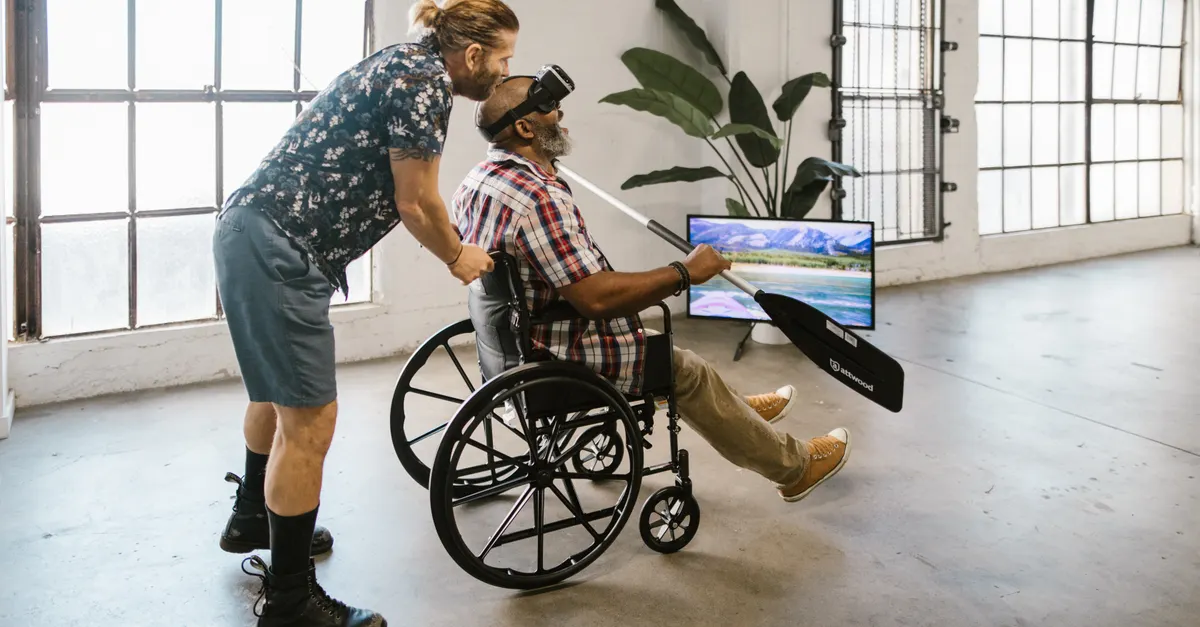
Before selecting any assistive technology, it’s crucial to assess the specific needs of the elderly individual. Consider their daily activities, mobility challenges, and any health conditions that might require specific devices.
Evaluating Compatibility with Smart Home Systems
Integration with smart home systems can enhance the functionality of assistive technologies. Look for devices that can seamlessly connect with existing home automation systems to improve safety and convenience.
Considering Cost and Benefits
While cost is an important factor, it’s essential to weigh it against the benefits provided by the technology. Investing in quality devices that offer significant improvements in quality of life can be more economical in the long run.
Future-Proofing Your Choice
Technology evolves rapidly, so consider devices that can be updated or expanded as new features become available. This ensures that the technology remains useful as needs change over time.
One of the latest trends in assistive technology for the elderly is the integration of artificial intelligence (AI) to enhance user experience and functionality. AI-powered devices, such as smart speakers and virtual assistants, can learn user preferences and adapt to their needs, providing personalized assistance. For instance, AI can help schedule reminders for medication, detect unusual activity patterns, and even alert caregivers in case of emergencies. This level of personalization not only increases the efficiency of assistive devices but also offers a more tailored approach to elderly care.
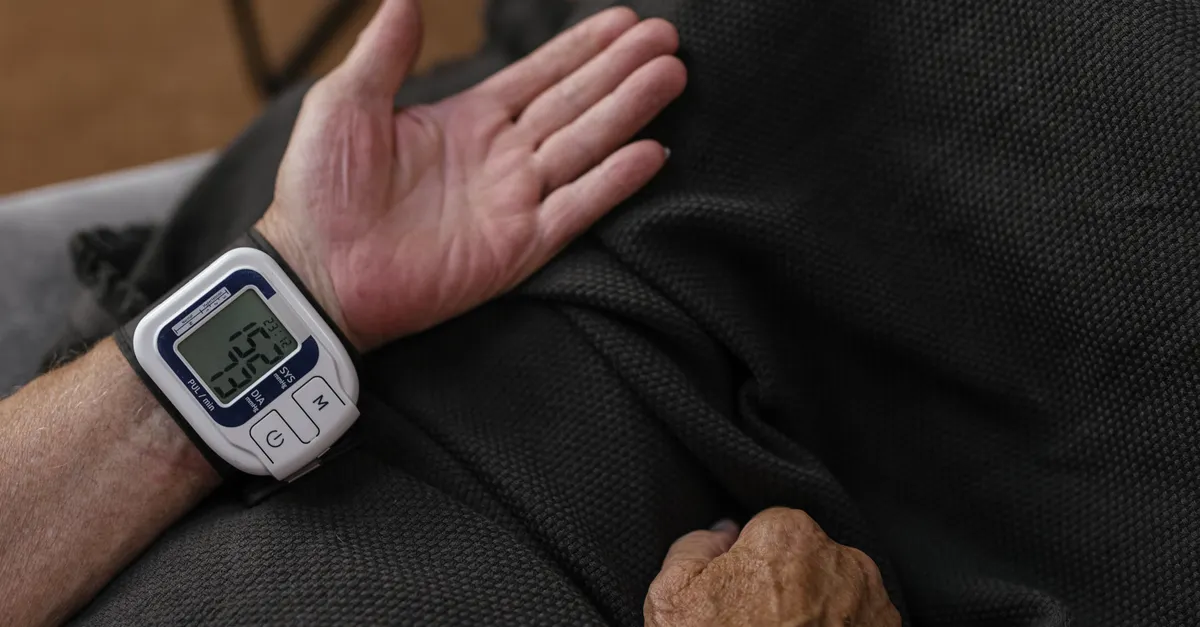
Another significant trend is the development of wearable technology that monitors health metrics in real-time. Devices like smartwatches and fitness trackers are now equipped with advanced sensors that can track heart rate, sleep patterns, and physical activity levels. This data can be shared with healthcare providers to ensure timely medical interventions, thereby preventing potential health issues. The convenience and accessibility of wearable technology make it an attractive option for elderly individuals who wish to maintain their independence while ensuring their health is closely monitored.
When considering the implementation of assistive technology, it is crucial to address potential challenges such as user resistance and technological literacy. Some elderly individuals may feel overwhelmed by new technology or fear loss of privacy. Providing comprehensive training and support can help alleviate these concerns. Additionally, involving elderly users in the decision-making process can lead to higher acceptance rates and ensure that the chosen technology truly meets their needs.
Frequently Asked Questions
What are the most effective assistive technologies for elderly people?
Effective technologies include mobility aids, health monitoring devices, and communication tools that enhance safety and independence.
How do assistive technologies help the elderly maintain independence?
These technologies support daily activities, improve safety, and enable better health management, allowing elderly individuals to live independently for longer.
What are the challenges in implementing assistive technologies for the elderly?
Challenges include ensuring compatibility with existing systems, managing costs, and addressing the learning curve associated with new technologies.
Choosing the right assistive technology involves understanding the specific needs of the elderly and considering how these technologies can integrate into their daily lives. By focusing on compatibility, cost-effectiveness, and future-proofing, families can make informed decisions that enhance the quality of life for their elderly loved ones.