As the population ages, families and caregivers are increasingly faced with the decision of choosing between remote health monitoring and in-home care for their senior loved ones. This comparison is crucial as it impacts the quality of life, healthcare costs, and overall well-being of seniors. Understanding the differences between these two care models can help families make informed decisions that best suit their needs. Whether you’re a family member, a caregiver, or a senior exploring your options, this guide will provide valuable insights into the pros and cons of each approach. For more on enhancing care quality, you might find remote health monitoring for elderly care insightful.
Quick Comparison
| Aspect | Remote Health Monitoring | In-Home Care |
|---|---|---|
| Key Features | Real-time health data, cost-effective, technology-driven | Personalized care, direct human interaction, comprehensive support |
| Pros |
|
|
| Cons |
|
|
| Ideal Use-Case | Best for tech-savvy seniors or those with chronic conditions | Ideal for seniors needing constant supervision and companionship |
For those considering cost-effective solutions, exploring affordable remote health monitoring solutions can be beneficial.
Remote Health Monitoring
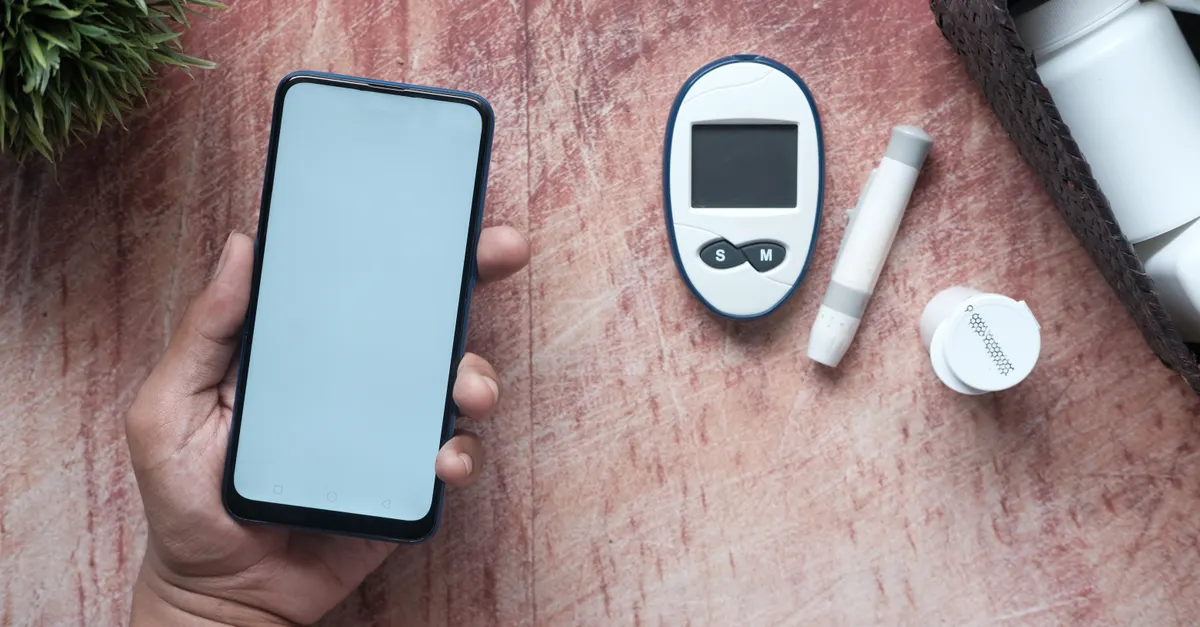
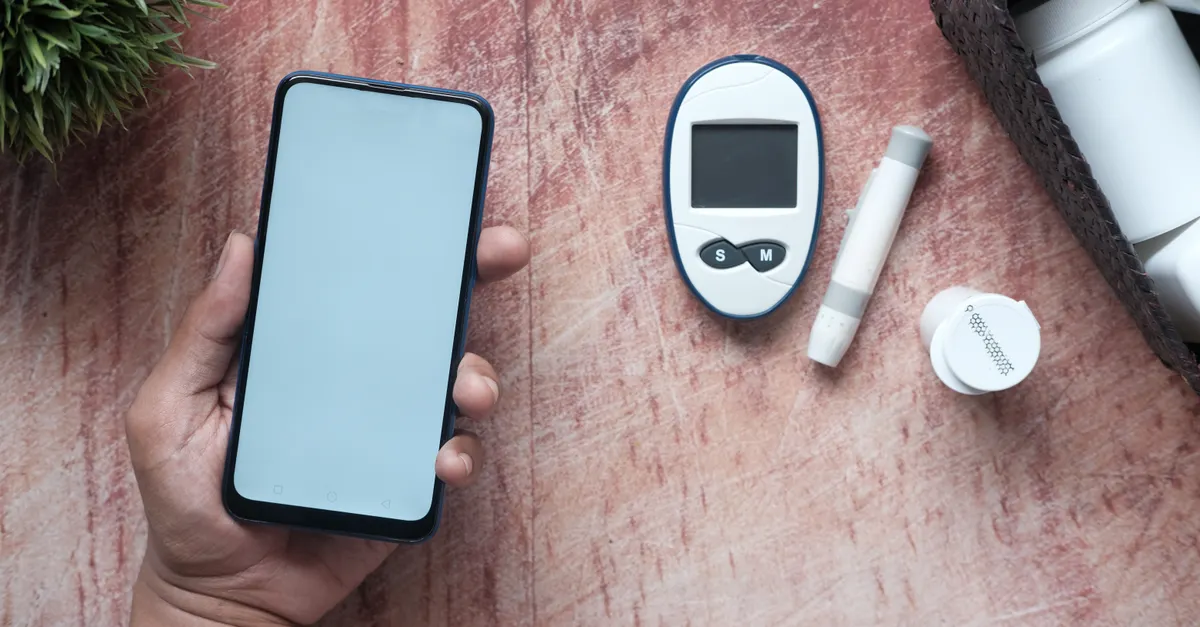
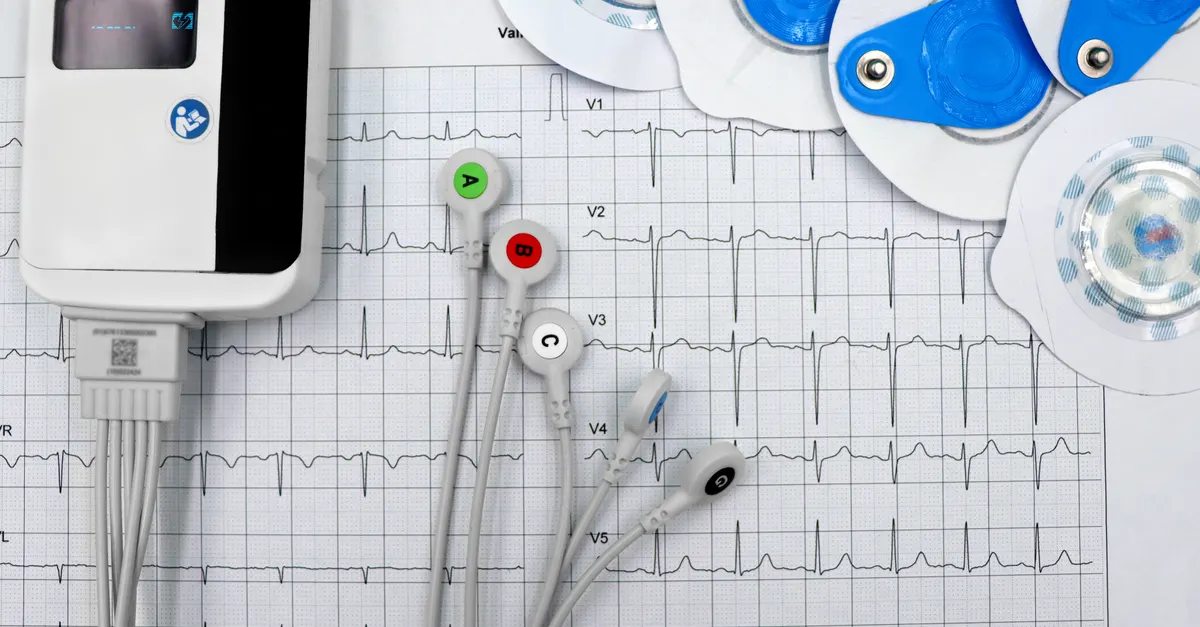
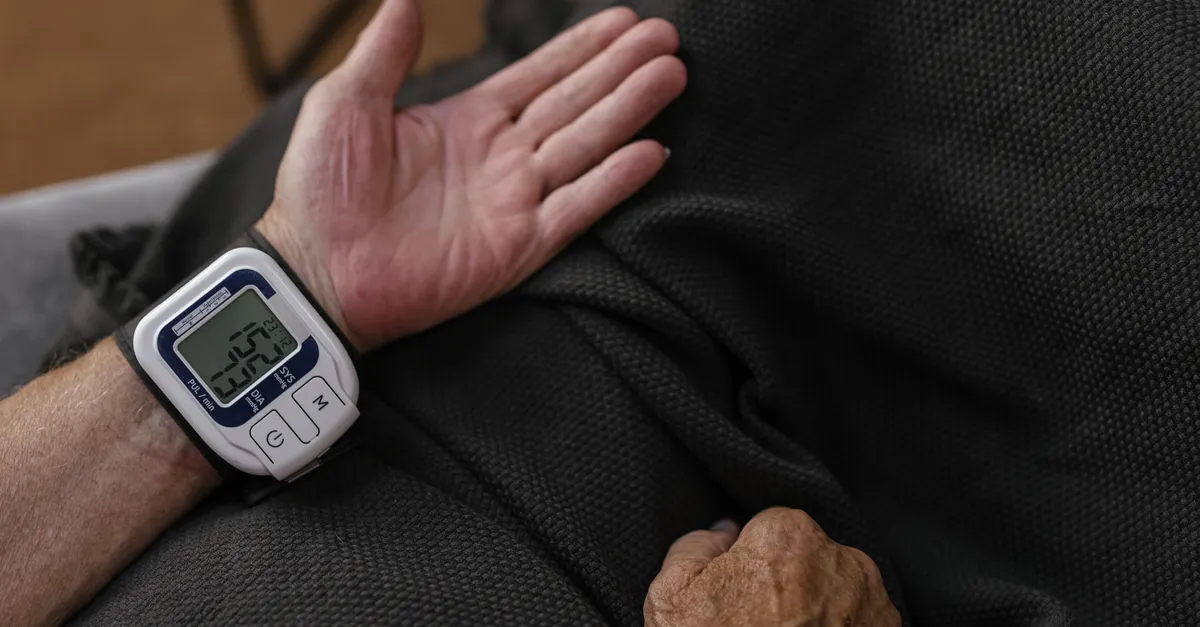
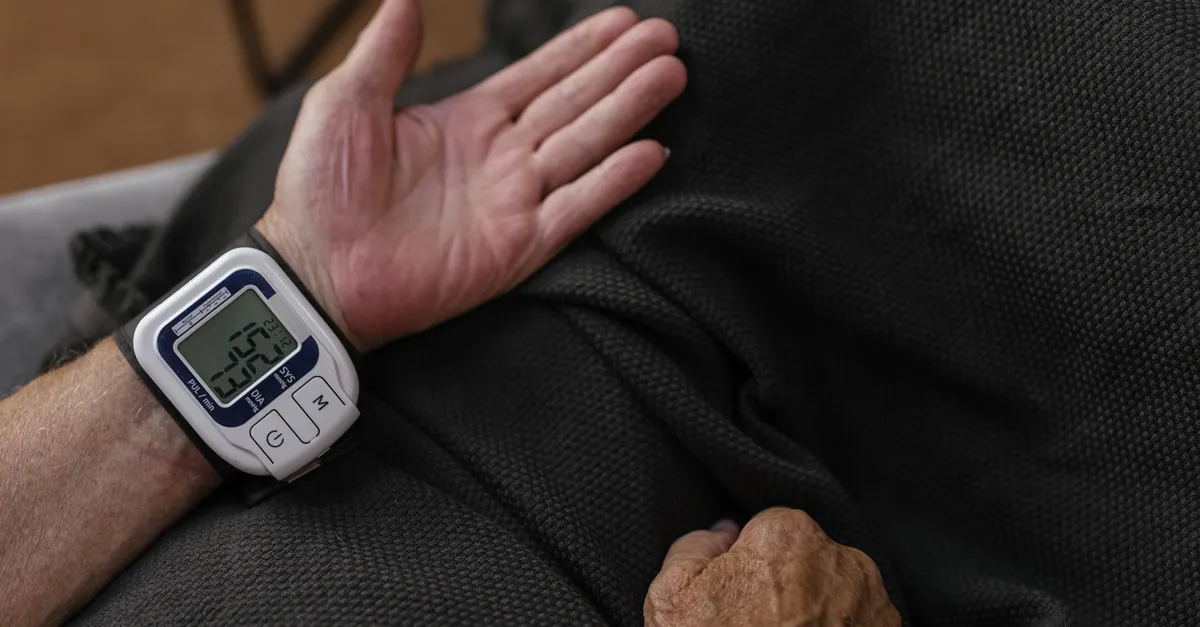
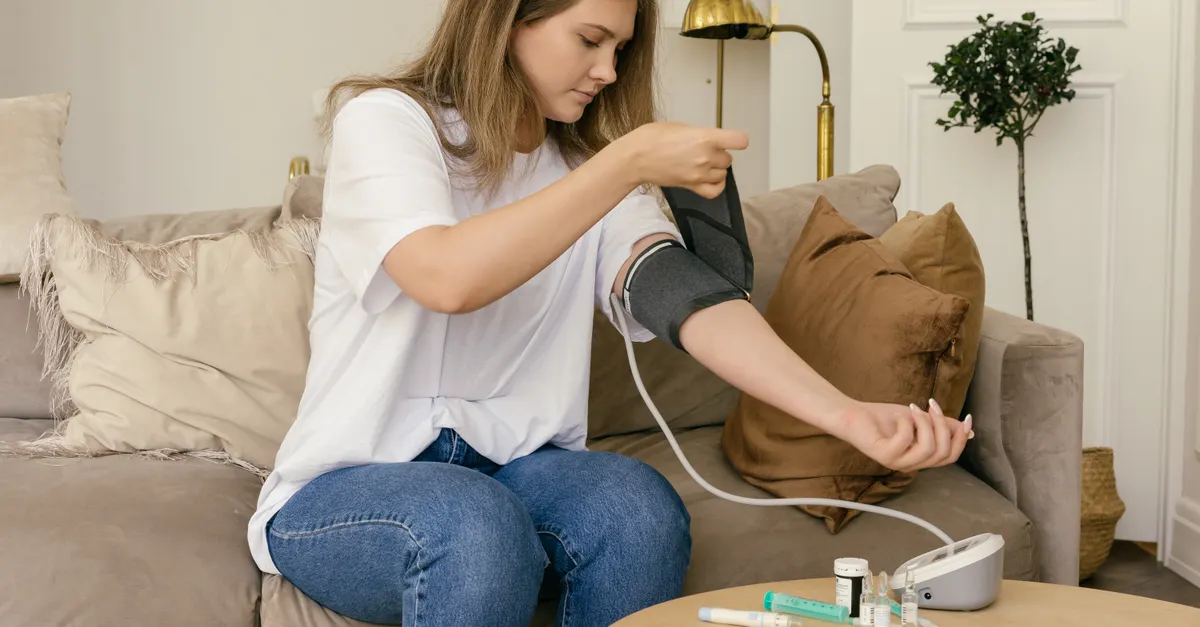
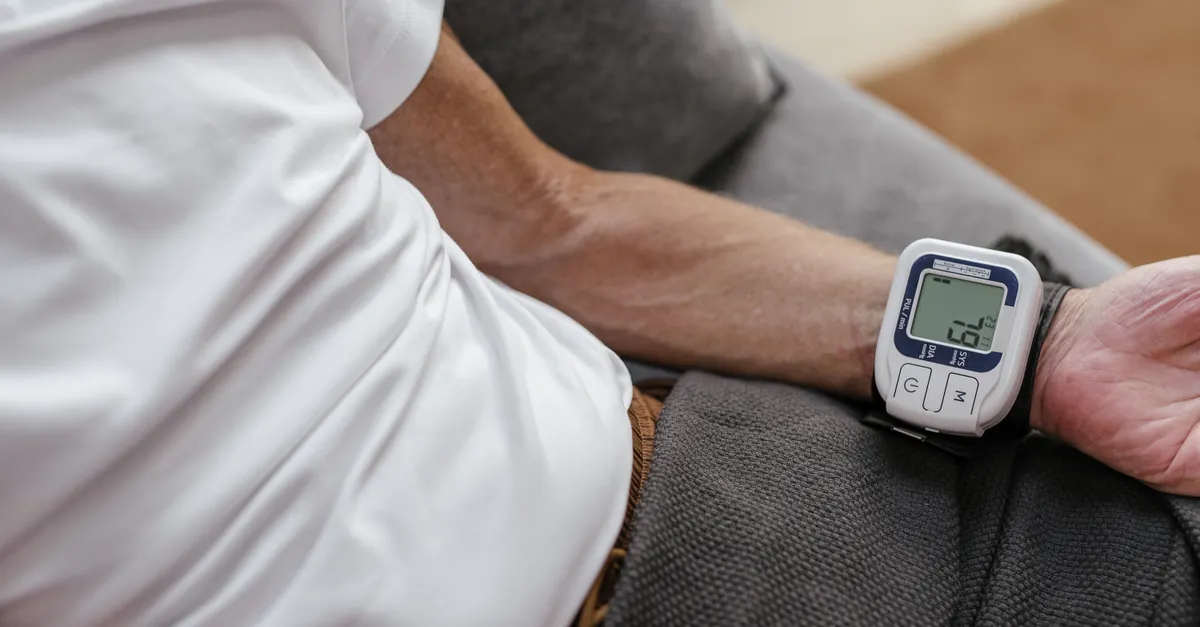
Remote health monitoring utilizes technology to track and analyze health data from a distance. This approach is particularly beneficial for seniors who prefer to stay in their own homes while managing chronic conditions. Devices like wearable sensors and mobile apps provide real-time data to healthcare providers, allowing for timely interventions and adjustments in care plans.
Pros
- Cost-effective by reducing the need for hospital visits
- Enhances quality of care with continuous monitoring
- Improves patient engagement and compliance
Cons
- Technical challenges and connectivity issues
- Privacy concerns regarding data security
In-Home Care
In-home care provides seniors with personalized assistance from caregivers who visit their homes. This model offers a more traditional approach to senior care, focusing on personal interaction and tailored support. It is ideal for seniors who require assistance with daily activities or those who benefit from regular human contact.
Pros
- Provides emotional support and companionship
- Customizable care plans to meet individual needs
- Ensures a safe and comfortable environment
Cons
- Higher costs due to labor-intensive services
- Potential challenges in finding qualified caregivers
Head-to-Head Comparison
When comparing remote health monitoring and in-home care, several factors come into play. In terms of performance, remote monitoring excels in providing real-time data and enhancing patient engagement. However, it requires a certain level of tech-savviness and compliance from seniors. In contrast, in-home care offers comprehensive support through direct human interaction, which can be crucial for seniors needing emotional and physical assistance.
Regarding features, remote monitoring is technology-driven, offering innovative solutions for chronic disease management. In-home care, on the other hand, focuses on personalized attention and flexibility. Build quality in remote devices can vary, while in-home care depends heavily on the skills and reliability of caregivers.
Pricing is another critical consideration. Remote health monitoring is generally more affordable, as it reduces the need for frequent hospital visits. In-home care tends to be more expensive due to its labor-intensive nature. Durability and longevity of care are also factors; remote monitoring can be a long-term solution for tech-savvy seniors, while in-home care is best for those needing ongoing supervision.
Which One Should You Choose?
The choice between remote health monitoring and in-home care largely depends on individual needs and circumstances. If you are looking for a cost-effective solution that leverages technology for chronic condition management, remote health monitoring might be the best fit. It is particularly suitable for seniors who are comfortable with technology and prefer to maintain independence.
Conversely, if personalized attention and companionship are priorities, in-home care is the ideal choice. It provides a more traditional care model that ensures safety and emotional support, making it suitable for seniors who require daily assistance or those who thrive on social interaction.
Frequently Asked Questions
What are the benefits of remote health monitoring for seniors?
Remote health monitoring offers cost savings, real-time health data access, and improved care quality, making it ideal for managing chronic conditions at home.
How does in-home care benefit seniors?
In-home care provides personalized attention, emotional support, and a safe environment, making it suitable for seniors needing daily assistance and companionship.
What are the privacy concerns with remote health monitoring?
Privacy concerns include data security and unauthorized access to sensitive health information, which require robust security measures to address.
How do costs compare between remote health monitoring and in-home care?
Remote health monitoring is generally more affordable due to reduced hospital visits, while in-home care is costlier due to its labor-intensive nature.
What technologies are used in remote health monitoring?
Technologies include wearable sensors, mobile apps, and telehealth platforms that provide continuous health data monitoring and communication with healthcare providers.