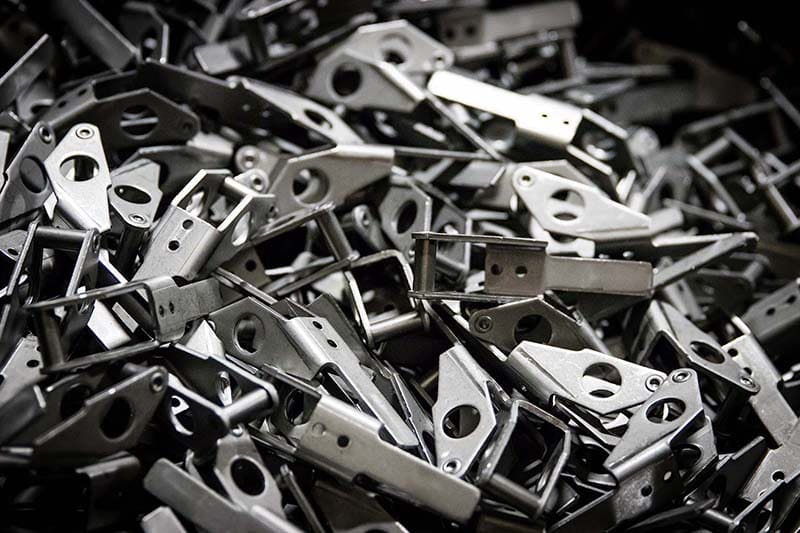
Achieving consistently clean parts in steel stamping operations is essential for quality, performance, and downstream processing. The right steel stamping wash system requirements ensure contaminants are removed, surfaces are properly prepared, and production lines run efficiently. Whether you’re supplying automotive, appliance, or industrial markets, understanding the fundamentals of wash system design and operation can make a significant difference in part quality and process reliability.
In this article, we’ll break down the key factors that define an effective cleaning process for stamped steel components. You’ll learn about the types of contaminants typically encountered, the main system configurations, and the critical parameters that must be controlled. We’ll also highlight best practices for integrating wash systems into stamping lines, and provide practical tips for compliance, maintenance, and quality assurance.
For those looking to optimize their stamping operations further, you may also find value in exploring how to reduce tool wear in heavy gauge stamping to enhance both cleaning and tooling longevity.
Why Cleanliness Matters in Steel Stamping
Cleanliness is not just a cosmetic concern in metal stamping. Residual oils, lubricants, metal fines, and particulate matter can compromise welding, coating, painting, and assembly processes. Inadequate cleaning may lead to:
- Poor adhesion of paints and coatings
- Welding defects due to surface contamination
- Accelerated tool wear and maintenance issues
- Increased risk of corrosion and part failure
Meeting stringent steel stamping wash system requirements is therefore a non-negotiable aspect of modern manufacturing, especially for industries with tight tolerances and high reliability standards.
Common Contaminants in Stamped Steel Parts
Understanding the types of contaminants present is the first step in selecting or designing an appropriate wash system. Typical residues include:
- Forming lubricants: Oils and greases used during stamping to reduce friction and tool wear
- Metal fines and burrs: Tiny particles and sharp edges left from cutting and forming
- Coolants: Water-based or synthetic fluids used in some stamping operations
- Dust and debris: Environmental particles or byproducts from adjacent processes
Each of these contaminants may require different cleaning chemistries, temperatures, and mechanical actions to ensure complete removal.

Core Elements of a Steel Stamping Wash System
Effective cleaning solutions for stamped steel parts typically combine several core elements. The most important aspects include:
- Mechanical agitation: Spray nozzles, ultrasonic waves, or rotary drums to dislodge stubborn soils
- Appropriate cleaning chemistry: Alkaline, neutral, or acidic detergents formulated for specific contaminants
- Temperature control: Heated solutions to improve detergent action and speed up cleaning cycles
- Rinse stages: Multiple rinses to remove detergent residues and prevent spotting or corrosion
- Drying systems: Air knives, blowers, or heated tunnels to ensure parts are dry before further processing
Each of these elements must be tailored to the type of steel, the nature of the contaminants, and the cleanliness standards required by the end-use application.
Key Wash System Requirements for Steel Stamping Operations
When specifying or upgrading a cleaning process, several technical and operational requirements must be addressed:
1. Throughput and Cycle Time
The system must match the production speed of the stamping line. Batch and inline systems have different advantages, but both must deliver complete cleaning within the available cycle time.
2. Consistency and Repeatability
Automated controls for temperature, chemistry concentration, and spray pressure are essential for consistent results. Sensors and feedback loops help maintain process stability.
3. Chemical Compatibility
Cleaning agents must be compatible with the steel alloy, coatings, and any downstream processes. Residual chemicals can interfere with welding or painting if not properly rinsed.
4. Environmental and Safety Compliance
Modern systems must comply with regulations on effluent discharge, chemical handling, and worker safety. Closed-loop water recycling and proper ventilation are increasingly common requirements.
5. Maintenance and Accessibility
Easy access for cleaning tanks, replacing filters, and servicing pumps reduces downtime and extends equipment life. Modular designs can simplify maintenance and upgrades.

Best Practices for Integrating Wash Systems in Stamping Lines
Integrating a cleaning stage into a stamping line requires careful planning. Here are some proven strategies:
- Position the wash system immediately after stamping to prevent contaminants from drying or hardening.
- Use conveyors or automated transfer systems to minimize manual handling and reduce contamination risk.
- Implement regular inspection and testing of cleaned parts, using methods such as white glove tests or surface tension measurements.
- Schedule preventive maintenance for pumps, filters, and nozzles to avoid unexpected downtime.
- Train operators on chemical handling, safety protocols, and troubleshooting common issues.
For more insights on quality control, see how to inspect stamped steel parts for quality to ensure your cleaning process supports your overall quality objectives.
Quality Assurance and Documentation
Documenting your cleaning process is vital for traceability and compliance. Maintain records of:
- Cleaning parameters (temperature, chemistry, cycle time)
- Inspection results and corrective actions
- Maintenance and calibration logs
- Training records for operators and maintenance staff
Regular audits and process reviews help identify opportunities for improvement and ensure ongoing compliance with customer and regulatory requirements.
Industry Standards and Resources
Many industries have established standards for cleanliness, such as automotive OEM requirements or ISO specifications. Staying informed about industry best practices and emerging technologies is essential. For a broader look at the metal stamping field, the metal stamping process overview provides additional context and safety considerations.
Frequently Asked Questions
What are the most common cleaning methods for stamped steel parts?
The most widely used methods include spray washing, immersion cleaning, ultrasonic cleaning, and vapor degreasing. The choice depends on part geometry, contaminant type, and required cleanliness level.
How often should wash system maintenance be performed?
Maintenance frequency depends on system usage, water quality, and contaminant load. Most facilities schedule weekly inspections and monthly deep cleaning, with filter changes as needed based on pressure or flow indicators.
Can wash systems be retrofitted to existing stamping lines?
Yes, many wash systems are designed for modular installation and can be integrated into existing lines. Key considerations include available floor space, part flow, and utilities such as water, power, and ventilation.
Conclusion
Defining and meeting steel stamping wash system requirements is a cornerstone of producing high-quality, contamination-free steel parts. By understanding contaminants, system components, and operational best practices, manufacturers can ensure their cleaning processes support both product quality and operational efficiency. With proper integration, maintenance, and documentation, a robust wash system becomes an asset that drives reliability and customer satisfaction in every stamped part.