Achieving consistent, high-quality results is a central goal in any steel stamping operation—especially when working at high speeds. Repeatability refers to the ability to produce identical parts, cycle after cycle, with minimal variation. For manufacturers, this means fewer defects, less downtime, and greater customer satisfaction. However, maintaining this level of precision in high-speed environments presents unique challenges, from tool wear to material inconsistencies and equipment limitations.
This article explores practical strategies and proven techniques for how to improve repeatability in steel stamping. We’ll cover process control, tooling maintenance, material handling, and inspection methods that can help boost consistency and reduce costly errors. For those interested in related topics, you may also want to learn about how to reduce tool wear in heavy gauge stamping, which is closely linked to maintaining repeatable results.
Understanding the Factors That Affect Consistency
To enhance repeatability in high-speed steel stamping, it’s essential to first identify the main sources of variation. Several factors can influence the outcome of each stamped part:
- Tool and Die Condition: Worn or misaligned tooling can cause dimensional drift and inconsistent part quality.
- Material Properties: Variations in steel thickness, hardness, or surface finish can affect how the material responds to the stamping process.
- Press Performance: Fluctuations in press speed, force, or alignment can introduce errors, especially at higher production rates.
- Lubrication and Cooling: Inadequate lubrication leads to increased friction and heat, accelerating tool wear and impacting part geometry.
- Operator Skill and Training: Human factors, such as setup accuracy and process monitoring, play a significant role in maintaining consistency.
By addressing these areas, manufacturers can significantly improve the repeatability of their stamping operations.
Tooling Maintenance and Die Care for Improved Results
One of the most effective ways to enhance repeatability is through proactive tooling maintenance. Regular inspection and timely repair of dies and punches help prevent unexpected failures and dimensional inconsistencies. Here are some best practices:
- Implement a scheduled maintenance program that includes cleaning, sharpening, and alignment checks.
- Use precision measuring equipment to monitor tool wear and replace components before they exceed tolerance limits.
- Document all maintenance activities to track tool life and identify recurring issues.
- Consider investing in high-quality tool steels and coatings that resist wear and galling.
For a deeper dive into die care, see this comprehensive guide to stamping die repair and maintenance.
Process Controls to Enhance Repeatability in Steel Stamping
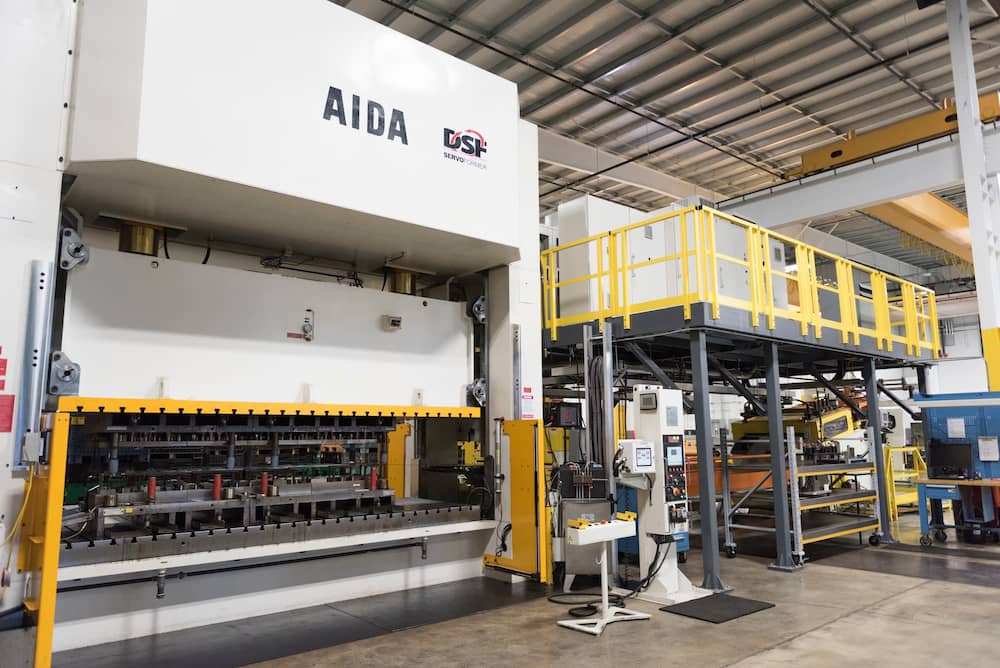
Process control is fundamental for minimizing variation and ensuring each part meets specifications. Here are several strategies to strengthen process consistency:
- Standardize Setup Procedures: Develop detailed setup instructions and use checklists to ensure every run starts with the correct parameters.
- Monitor Key Variables: Track press speed, stroke length, and force using sensors and data acquisition systems. Set alarms for deviations.
- Automate Where Possible: Automation reduces human error and maintains tight control over repetitive tasks such as feeding, positioning, and ejection.
- Use Statistical Process Control (SPC): Regularly collect and analyze production data to identify trends and address issues before they escalate.
Integrating these controls into daily operations helps ensure that every stamped part is as close to the intended design as possible.
Material Handling and Preparation for Consistent Output
Material inconsistencies are a common source of variation in stamping. To mitigate this, focus on:
- Supplier Quality: Work closely with steel suppliers to ensure material meets required specifications for thickness, hardness, and surface finish.
- Proper Storage: Store coils and blanks in controlled environments to prevent rust, contamination, or deformation.
- Accurate Feeding: Use precision coil feeders and straighteners to deliver material smoothly and consistently to the die.
- Pre-Process Inspection: Inspect incoming material for defects or inconsistencies before it enters the press line.
For more on safe and efficient material handling, see our article on how to handle coil stock for stamping.
Inspection and Quality Assurance for Reliable Stamping
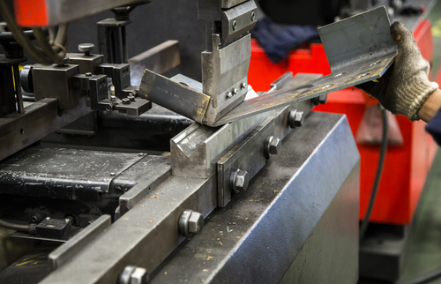
Even with robust process controls, ongoing inspection is vital to catch issues early and maintain high repeatability. Consider these approaches:
- In-Process Inspection: Use automated vision systems or manual gauges to check critical dimensions during production.
- First-Article Inspection: Thoroughly inspect the first part from each run to verify setup accuracy and tool condition.
- End-of-Line Testing: Perform final checks on finished parts to ensure they meet customer requirements.
- Root Cause Analysis: When defects are found, investigate and address the underlying cause to prevent recurrence.
For more tips on quality control, review our guide on how to inspect stamped steel parts for quality.
Reducing Tool Wear and Minimizing Burrs
Tool wear is a leading cause of reduced repeatability in high-speed stamping. To minimize its impact:
- Apply proper lubrication to reduce friction and heat buildup.
- Use wear-resistant coatings on dies and punches.
- Monitor for burr formation and adjust clearances as needed.
- Schedule regular tool inspections and replace worn components promptly.
For additional advice, see our article on how to minimize burrs in stamped parts.
Operator Training and Continuous Improvement
Well-trained operators are essential for maintaining high repeatability. Invest in ongoing training programs that cover:
- Proper setup and adjustment of stamping equipment.
- Routine inspection and maintenance procedures.
- Recognition of common defects and troubleshooting techniques.
- Understanding the importance of process documentation and data collection.
Encourage a culture of continuous improvement, where employees are empowered to suggest process enhancements and report potential issues before they affect production.
Frequently Asked Questions
What is the most common cause of poor repeatability in steel stamping?
The most frequent culprit is tool and die wear, which leads to dimensional drift and inconsistent part quality. Regular maintenance and timely replacement of worn components are critical for maintaining consistency.
How can automation help improve repeatability?
Automation reduces human error and ensures precise, repeatable actions such as material feeding, part positioning, and inspection. Automated systems can also monitor process variables in real time, allowing for rapid adjustments when deviations occur.
Why is material quality important for consistent stamping results?
Variations in material thickness, hardness, or surface finish can cause parts to form differently, even with identical tooling and press settings. Working with reliable suppliers and inspecting incoming material helps ensure each batch meets required specifications.
Conclusion
Improving repeatability in high-speed steel stamping requires a holistic approach that addresses tooling, process control, material handling, inspection, and operator training. By implementing these strategies, manufacturers can achieve greater consistency, reduce waste, and deliver higher quality products to their customers. For those looking to further optimize their operations, exploring the differences between hydraulic and mechanical stamping presses can provide valuable insights into equipment selection and process optimization.