Precision and safety are top priorities in metal fabrication, especially when it comes to steel stamping deburring methods. Burrs—those sharp, unwanted edges left after the stamping process—can compromise part quality, assembly fit, and even worker safety. Selecting the right approach for removing burrs is essential for manufacturers aiming to deliver reliable, high-quality components. This article explores the most effective deburring techniques, their advantages, and how to choose the best method for your application.
Understanding how burrs form and the available solutions for edge finishing can help you optimize production, reduce rework, and maintain compliance with industry standards. For those interested in broader process improvements, you may also want to learn about how to reduce tool wear in heavy gauge stamping for longer-lasting equipment and better part consistency.
Why Burrs Occur in Steel Stamping
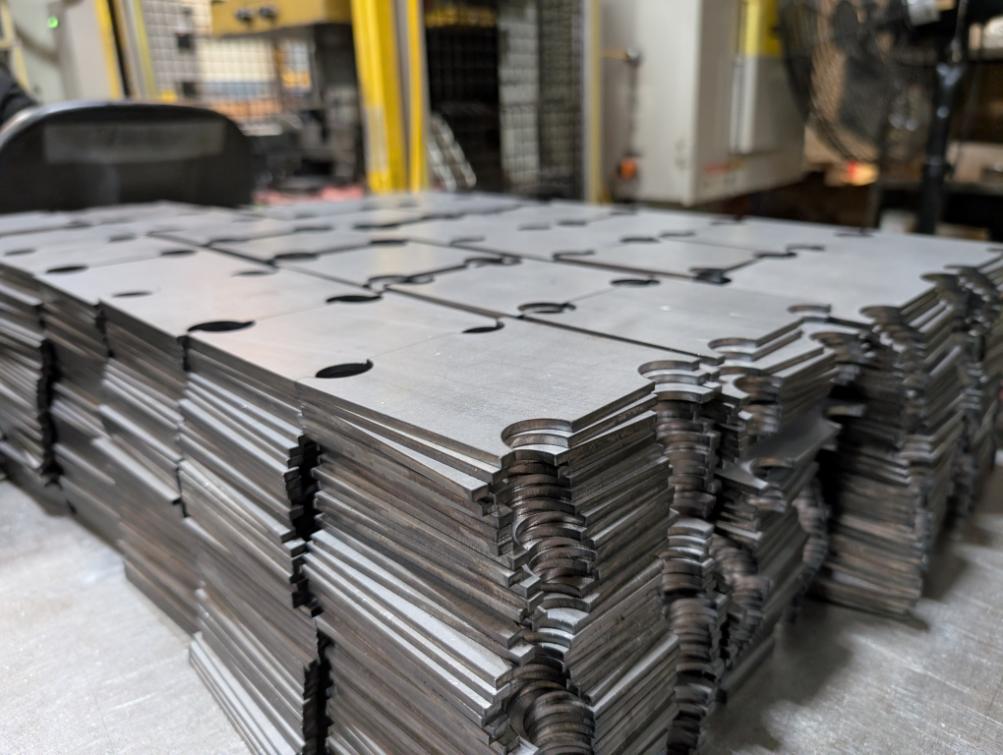
Burrs are raised edges or small pieces of material that remain attached to a workpiece after a modification process. In steel stamping, they typically form when the cutting or shearing action of the die leaves behind excess material. Factors contributing to burr formation include:
- Poor die alignment or wear
- Incorrect clearance between punch and die
- Material hardness and thickness
- High-speed or high-volume production runs
Unchecked burrs can cause assembly issues, increase the risk of injury, and lead to premature wear of mating parts. Addressing them early in the production process is crucial for both safety and product quality.
Overview of Steel Stamping Deburring Methods
There are several deburring methods for steel stamping, each with unique benefits and limitations. The right choice depends on part geometry, production volume, and required edge quality. Below, we outline the most common techniques used in the industry.
Manual Deburring Techniques
Manual deburring involves using handheld tools such as files, scrapers, abrasive pads, or rotary brushes. This approach is best suited for low-volume production, prototypes, or parts with complex geometries that are difficult to automate. While manual methods offer flexibility, they are labor-intensive and can introduce variability in edge quality.
- Advantages: Low initial investment, adaptable to various part shapes
- Limitations: Time-consuming, inconsistent results, higher labor costs
Mechanical Deburring Processes
Mechanical deburring uses machines to automate the removal of burrs. Popular options include:
- Tumbling: Parts are placed in a rotating barrel with abrasive media, which smooths edges through friction.
- Vibratory Finishing: Similar to tumbling, but uses vibration to move parts and media, offering gentler action for delicate components.
- Brush Deburring: Rotary brushes or abrasive belts are used to sweep away burrs from flat or contoured surfaces.
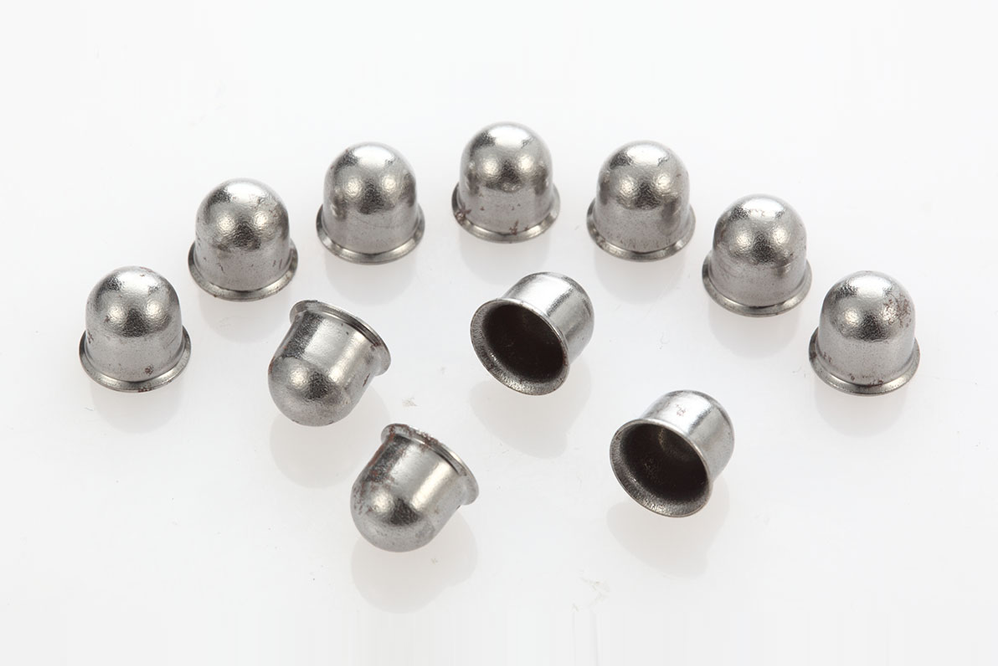
Mechanical methods are ideal for medium to high-volume production and deliver consistent, repeatable results.
Thermal and Electrochemical Deburring
For intricate or hard-to-reach areas, advanced deburring methods are sometimes necessary:
- Thermal Energy Method (TEM): Uses a controlled explosion of combustible gas to instantly vaporize burrs. Suitable for small, complex parts but requires specialized equipment.
- Electrochemical Deburring (ECD): Employs an electrolytic solution and electrical current to dissolve burrs selectively. Ideal for precision components and internal features.
These techniques offer high precision but are generally reserved for specialized applications due to higher costs and process complexity.
Deburring by Grinding and Sanding
Grinding wheels, belt sanders, and abrasive discs are commonly used for removing larger burrs or smoothing edges on thicker steel parts. Automated grinding stations can handle high volumes and deliver uniform edge quality. However, care must be taken to avoid overheating or distorting the workpiece.
Choosing the Right Deburring Method for Steel Stamping
Several factors influence the selection of a deburring process for stamped steel:
- Part geometry: Simple shapes may be suited to mechanical or manual methods, while complex forms may require thermal or electrochemical solutions.
- Production volume: High-volume runs benefit from automated deburring for efficiency and consistency.
- Edge quality requirements: Critical applications, such as medical or aerospace, demand burr-free, precisely finished edges.
- Material properties: Harder steels may need more aggressive deburring techniques.
- Cost constraints: Manual methods are less expensive upfront, while automation reduces labor costs over time.
In some cases, a combination of methods may be used to achieve optimal results. For example, mechanical deburring can be followed by manual touch-ups for tight tolerances or cosmetic finishes.
Quality Control and Inspection After Deburring
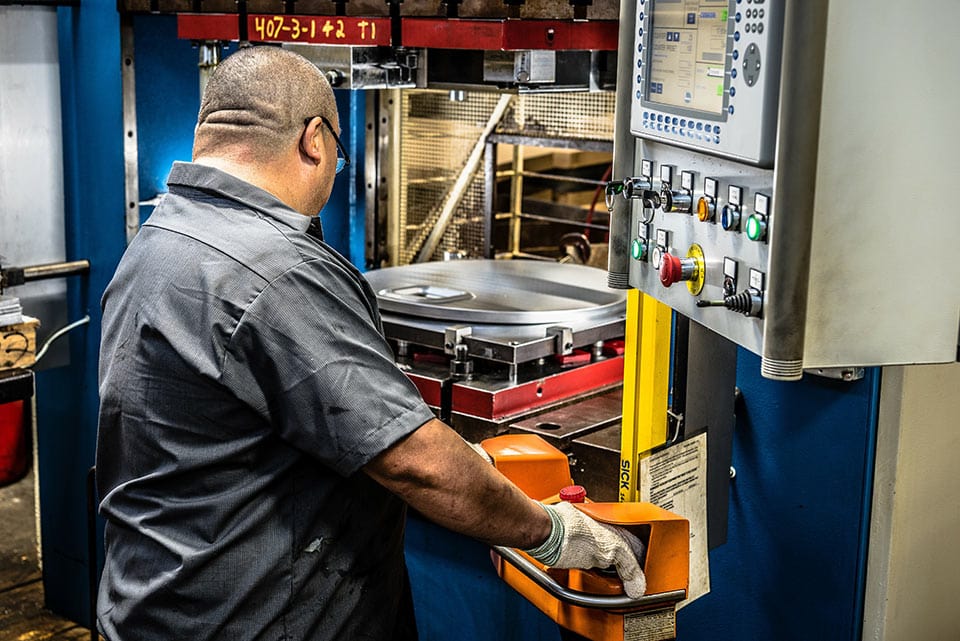
Ensuring that all burrs have been removed is essential for both safety and performance. Inspection techniques may include visual checks, tactile testing, or the use of specialized gauges. For a deeper dive into inspection best practices, see this guide on how to inspect stamped steel parts for quality.
Documenting inspection results and maintaining process controls can help manufacturers meet customer requirements and industry regulations.
Best Practices for Safe and Efficient Deburring
Implementing effective deburring strategies not only improves product quality but also enhances workplace safety. Key recommendations include:
- Regularly maintain and calibrate deburring equipment
- Train operators on safe handling and proper technique
- Monitor burr formation trends to identify upstream process issues
- Use personal protective equipment (PPE) when handling sharp-edged parts
For more on safety protocols in metal stamping, review these safe practices for precision metal stamping from industry experts.
Reducing Burr Formation at the Source
While deburring is essential, minimizing burrs during the stamping process itself can save time and resources. Strategies include:
- Optimizing die design and maintenance
- Adjusting punch-to-die clearance
- Selecting appropriate material grades
- Controlling stamping speed and force
For actionable advice on this topic, check out tips on how to minimize burrs in stamped parts and improve edge quality from the start.
Frequently Asked Questions
What is the most cost-effective deburring method for small production runs?
For low-volume or prototype work, manual deburring with files, scrapers, or abrasive pads is typically the most economical. It requires minimal equipment investment and offers flexibility for various part shapes. However, it may not be suitable for high-volume production due to labor costs and potential inconsistencies.
How can I ensure consistent edge quality across large batches?
Automated mechanical deburring methods, such as tumbling or vibratory finishing, are best for achieving uniform results in large production runs. Regular equipment maintenance, process monitoring, and operator training also contribute to consistent edge finishes.
Are there ways to reduce the need for deburring in steel stamping?
Yes, optimizing die design, maintaining proper punch-to-die clearance, and using high-quality materials can significantly reduce burr formation. Additionally, monitoring stamping parameters and performing regular tool maintenance help minimize the occurrence of burrs, reducing the overall need for secondary deburring operations.