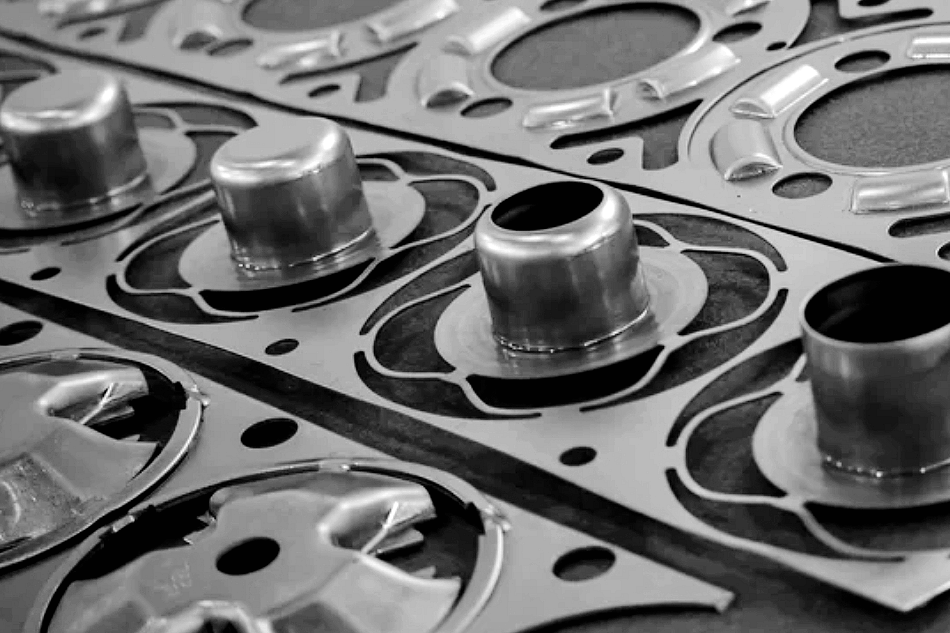
Steel stamping operations often face the persistent challenge of slug pulling, where the punched slug adheres to the punch face and is pulled back into the die during withdrawal. This can lead to die damage, part defects, and costly downtime. Implementing effective steel stamping slug pulling prevention tips is essential for maintaining productivity, tool longevity, and part quality in any metal stamping shop.
In this guide, you’ll find practical advice and proven shop techniques for minimizing slug pulling in steel stamping processes. We’ll cover the causes of slug pulling, actionable prevention strategies, and how to optimize your tooling and processes for consistent results. For those looking to further improve their stamping operations, you may also benefit from learning how to reduce tool wear in heavy gauge stamping to extend die life and reduce maintenance costs.
Understanding Slug Pulling in Steel Stamping
Slug pulling occurs when the punched-out slug remains attached to the punch face as it retracts from the die, rather than falling freely through the die opening. This issue is particularly common in high-speed or progressive stamping operations and can result in slugs being redeposited onto the workpiece or die surface, causing jams, tool chipping, or part defects.
Several factors contribute to slug pulling, including punch-to-die clearance, punch face condition, material properties, lubrication, and improper die design. Recognizing these causes is the first step toward implementing effective slug pulling prevention techniques in your shop.
Key Steel Stamping Slug Pulling Prevention Tips
Addressing slug pulling requires a combination of tool design, maintenance, and operational best practices. Below are proven methods to reduce or eliminate this issue in your stamping processes:
- Optimize Punch-to-Die Clearance: Ensure the clearance between the punch and die is appropriate for the material thickness and type. Too little clearance increases the risk of slugs sticking to the punch, while too much can cause excessive burrs. Refer to material-specific clearance charts for guidance.
- Use Shear Angles or Shear Flats: Adding a slight shear angle or flat to the punch face helps break the vacuum effect and encourages the slug to separate from the punch more easily.
- Apply High-Quality Lubrication: Proper lubrication reduces friction and helps prevent slugs from adhering to the punch. Use lubricants formulated for metal stamping and apply them consistently to both the punch and die.
- Install Slug Retainers: Slug retainers or ejector pins can be integrated into the die to physically hold or push the slug away from the punch during withdrawal.
- Maintain Sharp Tooling: Dull punches and dies increase the likelihood of slug pulling. Regularly inspect and resharpen tooling to maintain crisp edges and optimal performance.
- Use Coated Punches: Punches with specialized coatings (such as TiN or TiCN) can reduce adhesion and wear, further minimizing the risk of slug pulling.
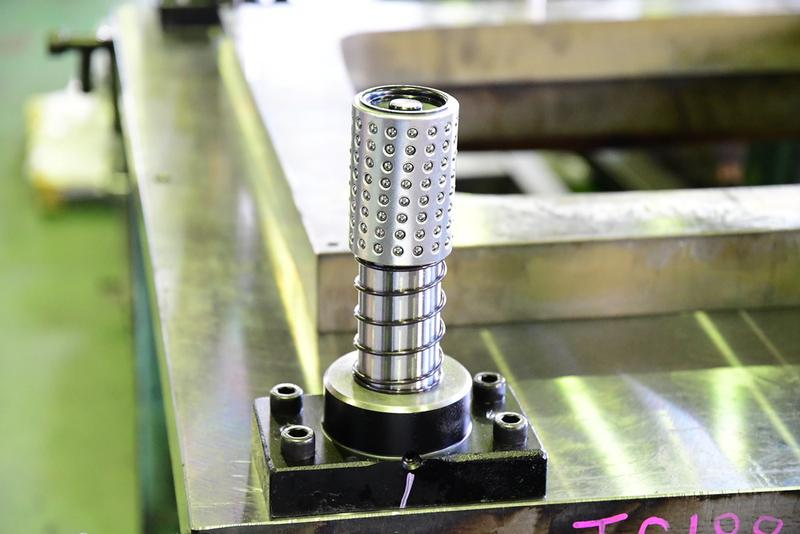
Tooling Design and Maintenance for Slug Control
The design and upkeep of your tooling play a critical role in preventing slug pulling in steel stamping. Here are some additional shop-proven strategies:
- Incorporate Ball-Lock or Spring-Loaded Punches: These punch types can help eject slugs more effectively by providing a mechanical force to separate the slug from the punch.
- Polish Punch Faces: A smooth, polished punch face reduces the chance of slugs sticking due to surface roughness or micro-welding.
- Check for Punch Wear and Galling: Inspect punches for signs of galling or micro-welding, which can increase adhesion. Address these issues promptly to maintain consistent part quality.
- Monitor Die Alignment: Misalignment between punch and die can cause uneven shearing and increase the risk of slug pulling. Regularly check and adjust die alignment as part of your maintenance routine.
For additional advice on maintaining quality and accuracy in your stamped parts, see our guide on how to inspect stamped steel parts for quality.
Process Adjustments and Operator Best Practices
Beyond tooling, process parameters and operator habits can influence slug pulling. Consider the following adjustments:
- Adjust Press Speed: Slower press speeds may allow slugs to fall away more easily, especially in thick or sticky materials.
- Use Air Blasts or Vacuum Systems: Directing an air blast or using a vacuum system at the die opening can help remove slugs quickly and prevent them from being pulled back up.
- Train Operators on Slug Monitoring: Encourage operators to watch for signs of slug pulling, such as double hits, part jams, or visible slugs on the die surface, and to stop the press for inspection when needed.
- Keep Work Area Clean: Regularly remove slugs and debris from the die area to prevent buildup that can contribute to slug pulling and tool damage.
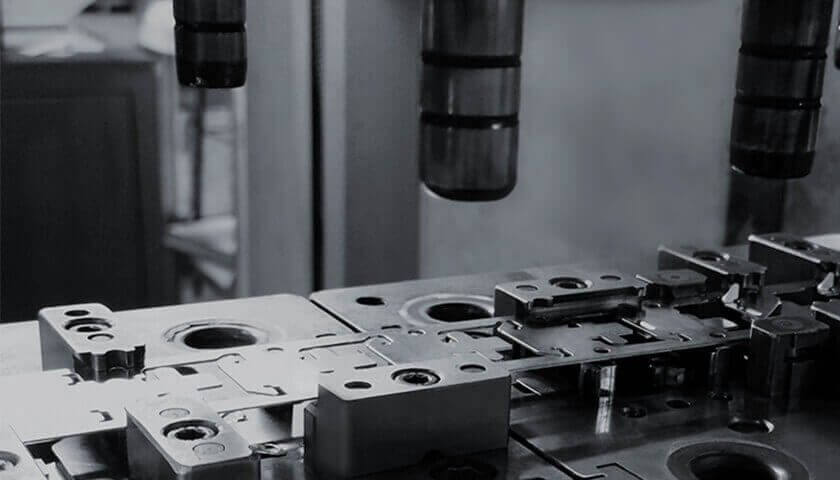
Safety Considerations in Slug Management
Effective slug control not only improves part quality but also enhances shop safety. Loose slugs can become dangerous projectiles or cause jams that require manual intervention. For a comprehensive overview of safe die operations, consult resources like sheet metal forming die operations safety guidelines.
Always follow lockout/tagout procedures before clearing jams or performing die maintenance. Use appropriate personal protective equipment (PPE) and ensure all operators are trained in safe stamping practices.
Integrating Slug Pulling Prevention with Other Stamping Improvements
Slug control is just one aspect of optimizing steel stamping operations. By combining slug pulling prevention tips with other process improvements, such as minimizing burrs and handling coil stock efficiently, shops can achieve higher throughput and lower defect rates. For more on edge quality, see our article on how to minimize burrs in stamped parts.
Additionally, understanding the differences between hydraulic and mechanical stamping presses can help you select the right equipment for your slug management needs.
Frequently Asked Questions
What causes slug pulling in steel stamping?
Slug pulling is typically caused by inadequate punch-to-die clearance, dull or rough punch faces, insufficient lubrication, or improper die design. Material properties and press speed can also contribute to this issue.
How can I tell if slug pulling is happening in my stamping operation?
Common signs include slugs sticking to the punch, double hits, part jams, or visible slugs on the die surface after cycling. Regular inspection and monitoring can help detect slug pulling early.
Are there specific punch coatings that help reduce slug pulling?
Yes, punch coatings such as titanium nitride (TiN) or titanium carbonitride (TiCN) can reduce adhesion and wear, making it less likely for slugs to stick to the punch face.
Is slug pulling more common with certain materials?
Materials with high ductility or stickiness, such as stainless steel or certain coated steels, are more prone to slug pulling. Adjusting clearances and using appropriate lubricants can help mitigate this risk.
Can process automation help with slug management?
Automated air blast or vacuum systems can be integrated into stamping lines to remove slugs efficiently, reducing manual intervention and improving overall process reliability.
By applying these shop-proven methods, regularly maintaining your tooling, and staying informed on best practices, you can significantly reduce the risk of slug pulling and keep your steel stamping operations running smoothly.