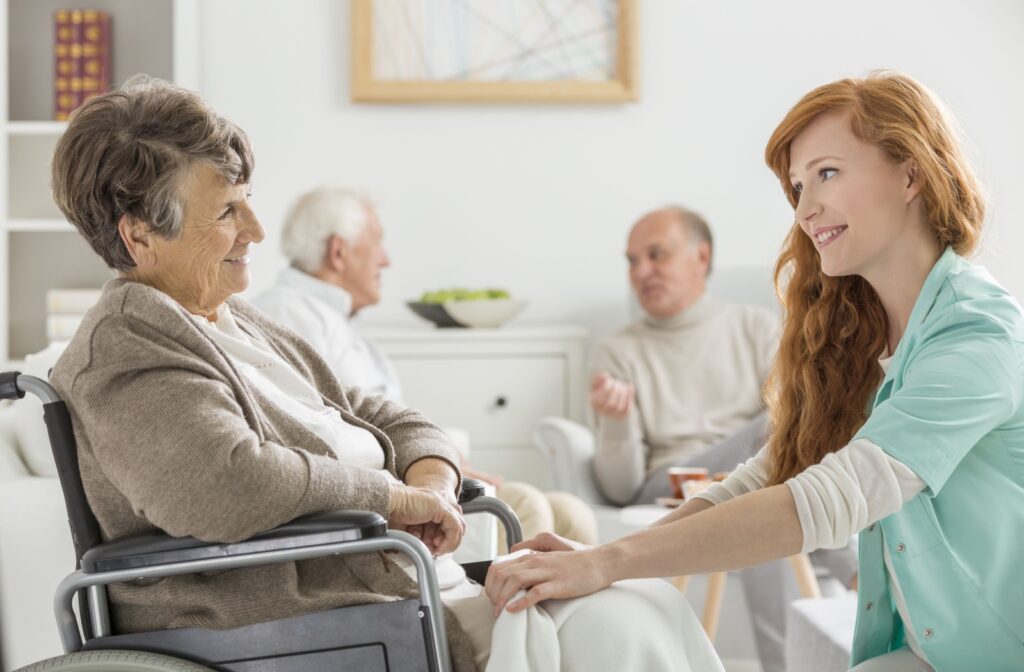
Living independently brings a sense of freedom, but it also means being solely responsible for your own well-being, especially during emergencies. When it comes to natural disaster safety living alone, preparation and awareness are crucial. Whether you’re a senior, a young adult, or anyone residing on your own, knowing how to respond to unexpected events like earthquakes, floods, hurricanes, or wildfires can make a significant difference. This guide provides practical steps to help you stay safe and confident, even when you’re the only one at home.
For those seeking a broader perspective on home safety, you may also find value in this independent living hazard awareness resource, which covers everyday risks and prevention strategies.
Understanding Your Local Risks
The first step in preparing for emergencies is to understand which types of disasters are most likely in your area. Research local hazards such as tornadoes, hurricanes, earthquakes, floods, or wildfires. Local government websites and community centers often provide risk maps and preparedness guides. Knowing what you’re up against allows you to focus your efforts and resources where they matter most.
Building a Personal Emergency Plan
Having a clear, actionable plan is essential for anyone living alone. Start by identifying safe spots in your home for different disasters (such as under sturdy tables for earthquakes or interior rooms for tornadoes). Make sure you know all exit routes and have a designated meeting point outside your home in case you need to evacuate.
- Emergency contacts: Keep a list of family, friends, and neighbors who can be reached quickly. Store these numbers both in your phone and on paper.
- Communication plan: Decide how you’ll notify loved ones if you’re safe or need help. Consider text messages, as they often go through when calls do not.
- Medical information: Keep a record of medications, allergies, and important health information in an accessible place.
Essential Supplies for Solo Residents
Stocking up on the right supplies is a cornerstone of natural disaster safety living alone. When you’re the only one at home, you can’t rely on someone else to bring what you need. Create a kit that’s easy to access and contains the following:
- Water: At least one gallon per person per day for three days.
- Non-perishable food: Enough for at least three days, including easy-to-open cans or ready-to-eat meals.
- Flashlight and batteries: Power outages are common during disasters.
- First aid kit: Include bandages, antiseptics, pain relievers, and any prescription medications.
- Portable phone charger: A fully charged power bank can be a lifesaver.
- Important documents: Store copies of IDs, insurance, and medical records in a waterproof bag.
- Personal hygiene items: Wet wipes, hand sanitizer, and basic toiletries.
Staying Informed and Connected
Information is power during emergencies. Invest in a battery-powered or hand-crank radio to receive updates if the internet or electricity fails. Sign up for local emergency alerts on your phone and follow trusted news sources. If you have neighbors nearby, establish a check-in system—agree to call or text each other after a disaster to confirm everyone’s safety.
For more comprehensive advice on maintaining a secure lifestyle, consider reading this independent living safety tips article, which offers additional strategies for solo dwellers.
Home Preparation for Disaster Resilience
Strengthening your home can reduce the impact of many natural hazards. Secure heavy furniture to walls, anchor bookshelves, and ensure that large appliances won’t tip over. Install smoke detectors, carbon monoxide alarms, and fire extinguishers in key locations. If you live in a flood-prone area, keep sandbags or water barriers on hand.
Regularly inspect your home for hazards such as loose wiring, blocked exits, or items that could fall during an earthquake. Simple upgrades, like installing storm shutters or reinforcing doors, can provide extra protection.
Practical Safety Steps for Everyday Preparedness
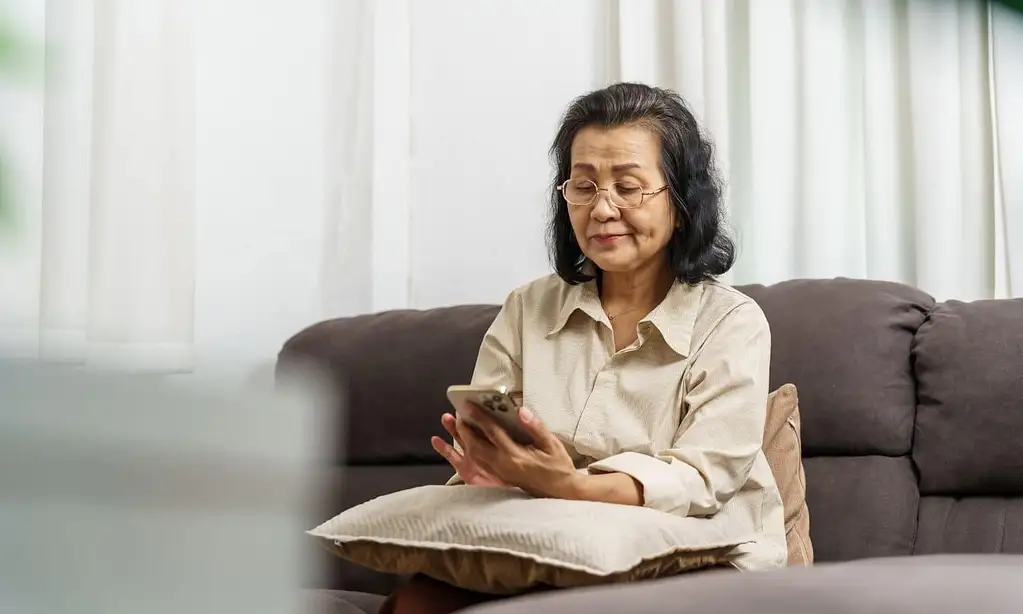
Routine habits can make a big difference in your ability to respond quickly. Keep your phone charged and within reach at all times. Make a habit of locking doors and windows, especially during severe weather warnings. Practice evacuation drills so you know exactly what to do if you need to leave in a hurry.
If you have mobility challenges or special medical needs, plan for how you’ll evacuate or shelter in place. Inform local emergency services of your situation if possible, so they can check on you during widespread disasters.
Leveraging Community Resources and Technology
Even when living alone, you’re not isolated from support. Many communities offer emergency preparedness workshops, neighborhood watch programs, and volunteer networks. Take advantage of these resources to build connections and learn new skills.
Technology can also enhance your safety. Consider installing smart home devices that alert you to smoke, carbon monoxide, or water leaks. Medical alert systems can provide peace of mind, especially for seniors or those with health concerns.
For more guidance on risk prevention, the independent living risk prevention guide offers actionable tips tailored to solo residents.
Additional Resources for Solo Residents
There are many reputable organizations offering advice on home safety and disaster preparedness. The National Institute on Aging provides a helpful overview of home safety tips for older adults, which can be adapted for anyone living independently.
Staying proactive and informed is the best way to protect yourself. Regularly review your emergency plan, update your supplies, and stay connected with your community.
Frequently Asked Questions
What should I do first if a natural disaster warning is issued while I’m home alone?
Stay calm and follow your emergency plan. Move to your designated safe area, gather your emergency kit, and monitor official updates. Notify a trusted contact of your status if possible.
How can I prepare for disasters if I have limited mobility?
Create an evacuation plan that accounts for your needs, such as arranging transportation or identifying accessible shelters. Inform local emergency services about your situation and keep assistive devices and medications easily accessible.
What are the most important supplies to keep on hand when living alone?
Focus on water, non-perishable food, a flashlight, batteries, a first aid kit, medications, important documents, and a portable phone charger. Tailor your kit to your personal needs and update it regularly.