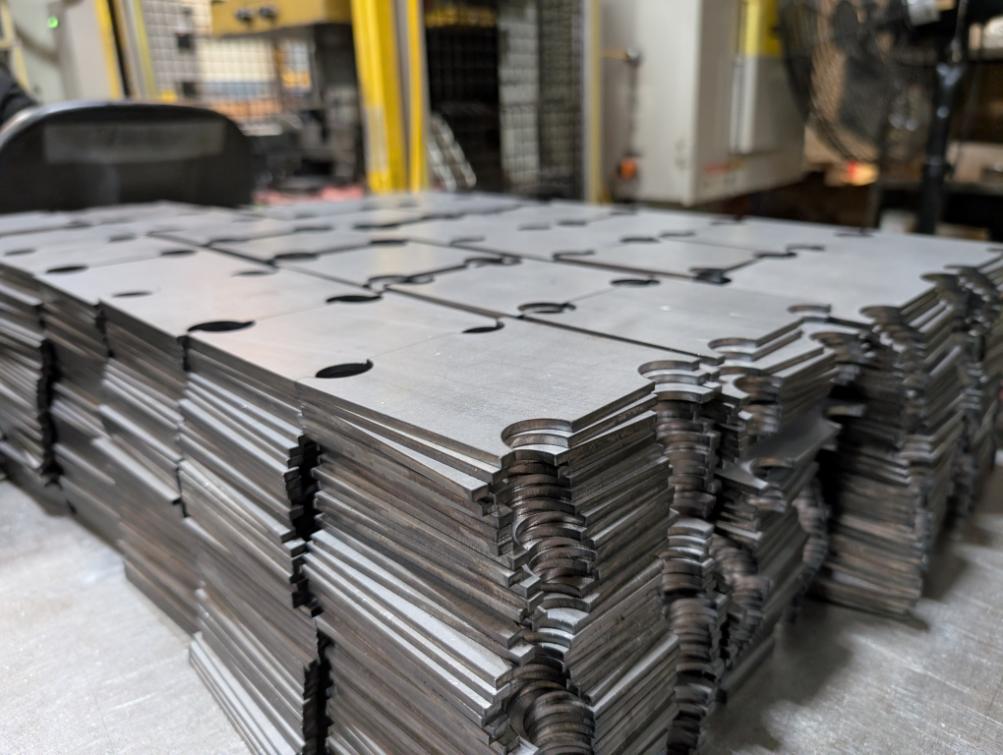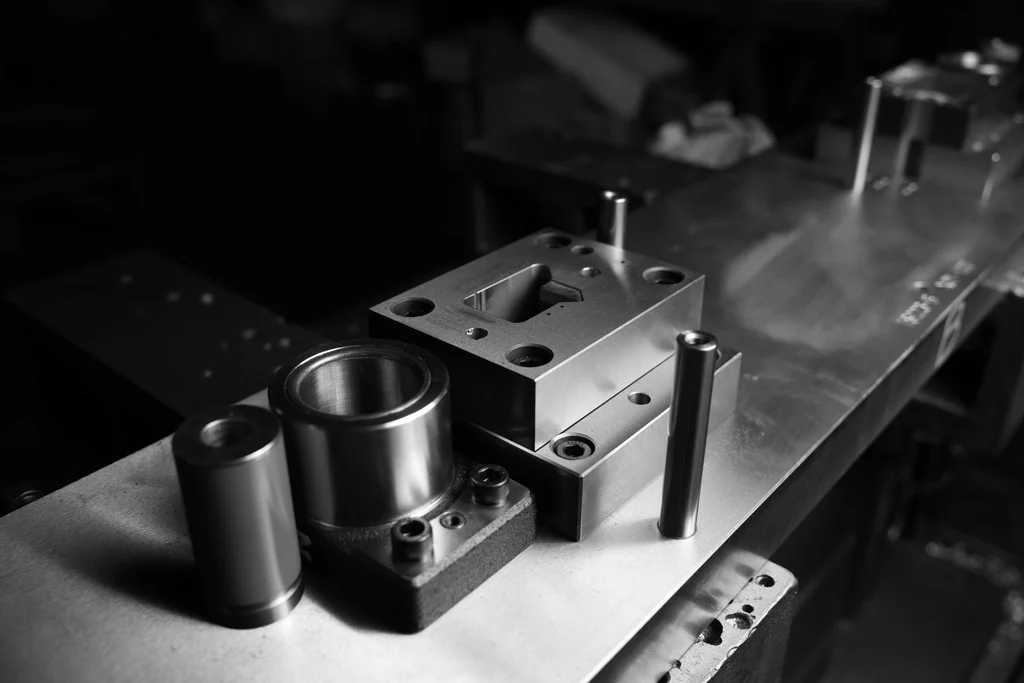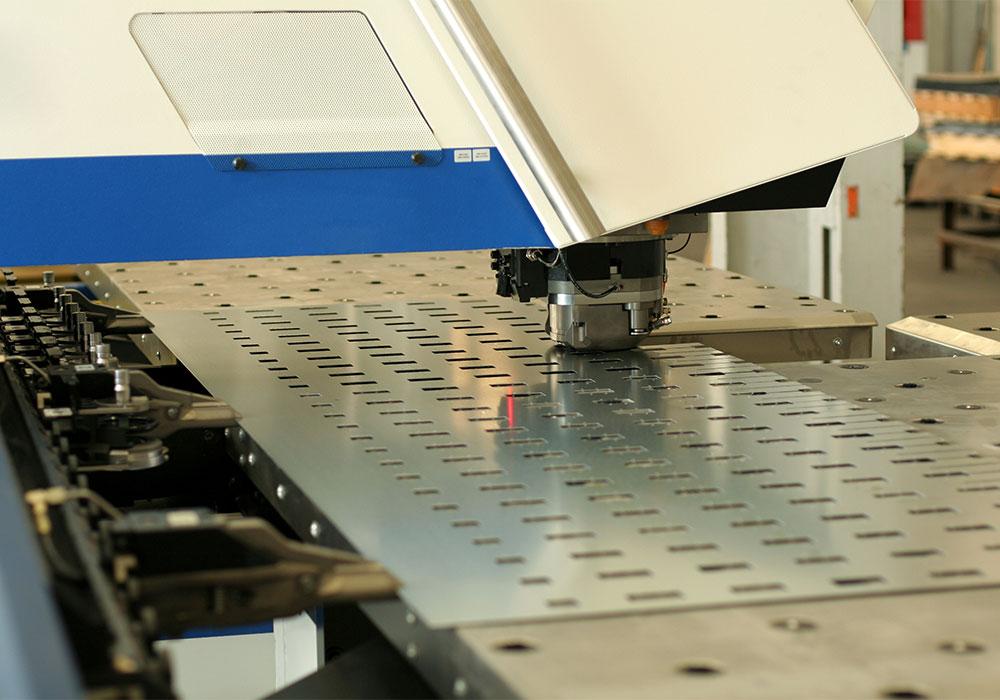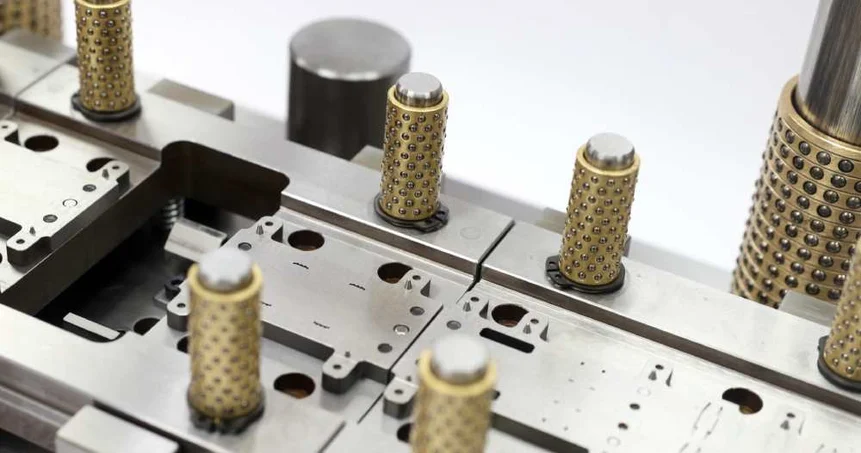
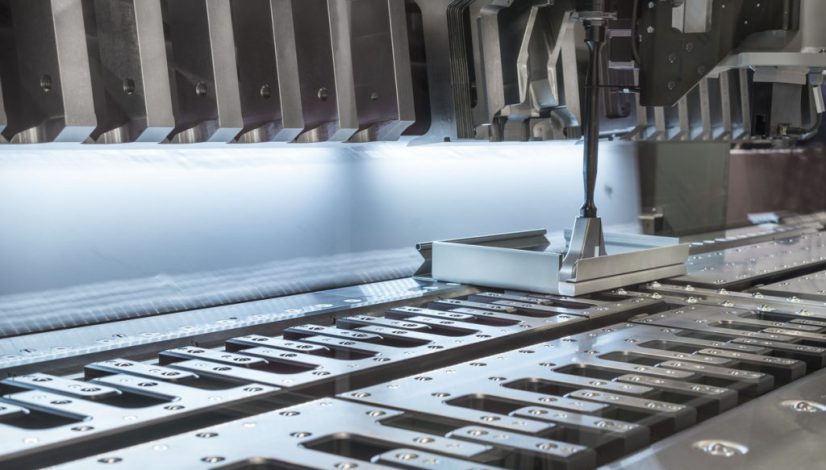
When it comes to manufacturing high-quality steel components, understanding the steel stamping secondary operation considerations is crucial. These additional processes—performed after the initial stamping—play a significant role in achieving the required part precision, surface finish, and functional features. Whether you are a manufacturer, engineer, or procurement specialist, knowing what to look for in secondary operations can help you optimize production, maintain quality, and control costs.
Secondary operations in steel stamping may include processes such as deburring, tapping, welding, plating, heat treating, and assembly. Each of these steps must be carefully planned and executed to ensure the final product meets both design and performance requirements. Early attention to these details can also help avoid costly rework or delays.
For those looking to further enhance their knowledge on related topics, it’s beneficial to explore how to inspect stamped steel parts for quality and accuracy. This resource provides practical guidance on ensuring your components meet the highest standards before and after secondary operations.
Understanding the Role of Secondary Operations in Steel Stamping
After the primary stamping process, many steel parts require further modification to achieve their final form. These follow-up procedures are not just optional add-ons—they are often essential for meeting strict tolerances, improving surface quality, or adding features that cannot be produced during initial stamping.
Common secondary operations include:
- Deburring and edge finishing to remove sharp edges or burrs left from stamping.
- Tapping and threading for creating screw holes or threaded features.
- Welding or joining for assembling multiple stamped components.
- Plating, painting, or coating to enhance corrosion resistance or appearance.
- Heat treating to improve mechanical properties.
- Forming or bending for additional shaping not possible in the main die.
Each of these steps introduces its own set of technical and logistical challenges. Addressing steel stamping secondary operation considerations early in the design and quoting phases can help prevent bottlenecks and ensure a smooth workflow.
Key Factors to Evaluate for Secondary Processes
When planning for additional operations after stamping, several factors should be carefully evaluated:
- Material compatibility: Not all steels respond the same way to secondary treatments. For example, certain coatings or heat treatments may affect hardness or ductility.
- Dimensional tolerances: Each additional process can impact the final dimensions of the part. It’s important to account for potential changes in thickness, flatness, or hole size.
- Surface finish requirements: Some applications demand a specific surface texture or appearance. Processes like grinding, polishing, or plating should be selected accordingly.
- Production volume: High-volume runs may justify automation, while low-volume jobs might be better suited for manual or semi-automated operations.
- Cost implications: Every added step increases labor, equipment, and material costs. Balancing quality with budget is a central part of effective planning.
For a deeper dive into optimizing your stamping process, consider reviewing the how to reduce tool wear in heavy gauge stamping guide, which discusses strategies for extending tool life and maintaining part quality throughout production.
Deburring and Edge Quality: A Critical Secondary Operation
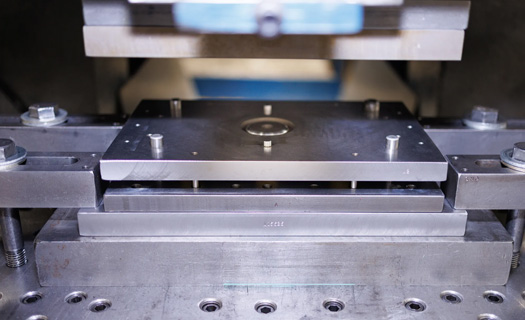
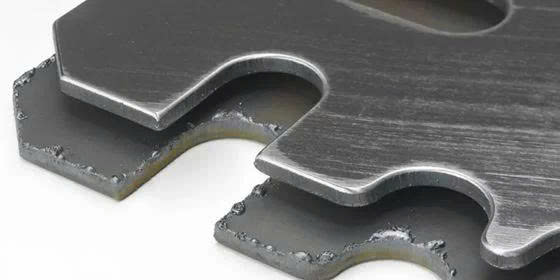
One of the most common and important follow-up steps in steel stamping is deburring. Burrs—small, unwanted pieces of material left on the edges of stamped parts—can cause safety hazards, interfere with assembly, or lead to premature wear in mating components.
Effective deburring not only improves the safety and usability of the part but also enhances its appearance and fit. Techniques for deburring include mechanical tumbling, grinding, sanding, and even laser or thermal methods. The choice depends on the part geometry, material, and required finish.
For manufacturers aiming to produce parts with superior edge quality, it’s worth exploring how to minimize burrs in stamped parts. This resource offers practical tips for reducing burr formation during both primary and secondary operations.
Integrating Quality Control into Secondary Operations
Maintaining quality throughout all phases of production is essential. Secondary operations can introduce new variables that affect part consistency, such as tool wear, operator skill, or process variation. To address these challenges, manufacturers should implement robust inspection and measurement protocols at each stage.
Key quality control steps include:
- In-process inspections to catch defects early
- Final dimensional checks after all secondary operations
- Surface finish measurements and visual inspections
- Documentation of process parameters for traceability
For more information on maintaining high standards, the article on how to inspect stamped steel parts for quality provides a comprehensive overview of inspection techniques and best practices.
Logistics and Workflow Optimization
Efficient handling of parts between stamping and secondary operations is vital for productivity. Poor workflow can lead to increased handling, part damage, or delays. Considerations include:
- Designing work cells to minimize movement and handling
- Using appropriate containers or racks to prevent scratches or deformation
- Scheduling secondary operations to align with stamping output and avoid bottlenecks
- Implementing clear labeling and tracking systems for work-in-progress parts
For those interested in safe and efficient material handling, the guide on how to handle coil stock for stamping offers valuable insights into best practices for moving and storing steel materials throughout the production process.
Choosing the Right Equipment and Partners
Not all stamping facilities are equipped to handle every type of secondary operation. When selecting a supplier or planning in-house capabilities, consider:
- Available machinery for deburring, tapping, welding, or coating
- Experience with similar part geometries and materials
- Quality certifications and process controls
- Capacity to handle your required volumes and lead times
In some cases, it may be beneficial to partner with specialized vendors for certain secondary processes. Open communication and clear documentation of requirements are essential for successful collaboration.
For a broader perspective on the stamping industry and its processes, the comprehensive overview of metal stamping provides an in-depth look at industry trends, safety, and technology advancements.
FAQ: Steel Stamping Secondary Operations
What are the most common secondary operations after steel stamping?
Typical follow-up processes include deburring, tapping, welding, plating, heat treating, and assembly. The choice depends on the part’s function, required finish, and application.
How do secondary operations affect overall production costs?
Each additional step adds labor, equipment, and material expenses. Early planning and process optimization can help balance quality needs with budget constraints.
Can secondary operations impact part tolerances and quality?
Yes, processes like deburring or heat treating can alter dimensions or surface finish. It’s important to specify tolerances that account for all operations and to implement thorough inspection protocols.
Is it better to perform secondary operations in-house or outsource them?
This depends on your facility’s capabilities, volume requirements, and quality standards. Some operations may require specialized equipment or expertise best provided by external partners.
Conclusion
Paying close attention to steel stamping secondary operation considerations is essential for producing high-quality, reliable steel components. By understanding the technical requirements, planning for quality control, and optimizing workflow, manufacturers can ensure their parts meet both functional and aesthetic standards. Leveraging the right resources and partners further enhances the efficiency and effectiveness of these critical post-stamping processes.