In the world of metal fabrication, efficient material handling is critical for productivity, safety, and cost control. When it comes to steel stamping, every step—from receiving raw coil or blanks to moving finished parts—impacts throughput, tool life, and product quality. Adopting steel stamping material handling best practices can lead to fewer bottlenecks, reduced waste, and a safer workplace.
This guide explores practical strategies for optimizing the movement, storage, and processing of steel in stamping operations. Whether you’re running a high-volume press shop or a smaller custom stamping line, applying these principles can help you achieve consistent results and maintain a competitive edge.
For those interested in minimizing tool wear during heavy gauge projects, see our detailed advice on how to reduce tool wear in heavy gauge stamping. Understanding the interplay between material handling and tool longevity is essential for any stamping operation.
Key Principles for Streamlined Steel Movement
Efficient material flow is the backbone of any stamping facility. The following principles help ensure that steel moves smoothly from receiving to shipping:
- Minimize manual handling to reduce injury risk and product damage.
- Use dedicated pathways for raw and finished materials to avoid cross-contamination.
- Implement lean manufacturing techniques, such as just-in-time delivery and point-of-use storage, to cut down on excess movement.
- Regularly train staff on safe lifting and transport procedures.
- Maintain clear signage and floor markings for traffic flow and storage zones.
Material Handling Equipment for Steel Stamping Facilities
The right equipment can dramatically improve both efficiency and safety. Here are some commonly used solutions in steel stamping environments:
- Conveyors: Ideal for moving blanks, coils, or finished parts between workstations with minimal manual intervention.
- Overhead cranes and hoists: Essential for heavy or awkward loads, especially large coils or die sets.
- Pallet jacks and forklifts: Useful for transporting skids of steel sheets or finished goods to and from storage.
- Automated guided vehicles (AGVs): Increasingly popular for high-volume operations seeking to automate repetitive transport tasks.
- Custom racks and carts: Designed to fit specific part geometries, reducing the risk of damage and streamlining movement.
Optimizing Coil and Sheet Handling for Productivity
Proper handling of steel coils and sheets is crucial for both safety and process efficiency. Mishandling can lead to material defects, equipment damage, or even serious injuries. For detailed guidance, review our article on how to handle coil stock for stamping.
Best practices include:
- Inspecting all incoming coils and sheets for damage before processing.
- Storing coils on cradles or racks designed to prevent rolling or shifting.
- Using coil upenders and tippers to safely orient heavy rolls for feeding into presses.
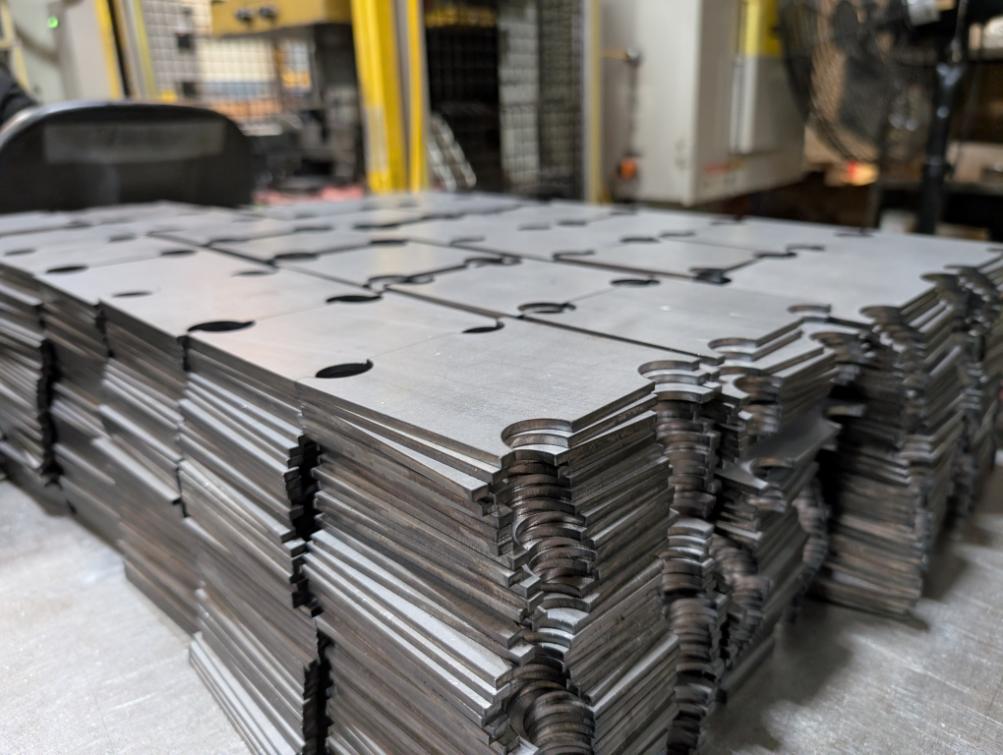
- Ensuring sheet stacks are banded and protected from moisture or contaminants.
- Implementing automated feeders to maintain consistent press input and reduce manual labor.
Reducing Waste and Improving Quality Through Handling
Every unnecessary touch or movement increases the risk of scratches, dents, or contamination. By focusing on steel stamping material handling best practices, you can minimize defects and maximize yield:
- Use non-marring surfaces on carts, racks, and conveyors to protect finished surfaces.
- Separate finished parts from scrap immediately to avoid mix-ups.
- Implement visual management systems (such as color-coded bins) for quick identification of materials and parts.
- Schedule regular cleaning of handling equipment to prevent buildup of debris or lubricants.
For those looking to further improve edge quality and minimize burrs, our resource on how to minimize burrs in stamped parts offers actionable tips.
Integrating Safety and Ergonomics Into Material Handling
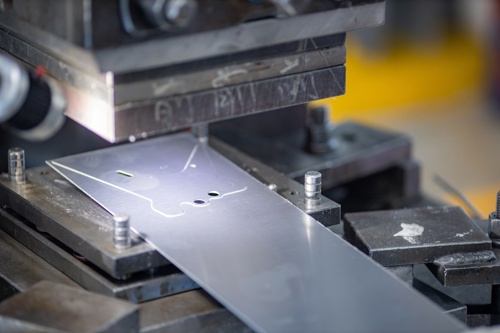
A safe workplace is a productive one. Integrating safety and ergonomics into your handling routines not only protects workers but also supports consistent output. Key recommendations include:
- Provide mechanical aids for lifting and moving heavy or awkward items.
- Train staff on proper lifting techniques and the use of personal protective equipment (PPE).
- Design workstations to minimize bending, reaching, or twisting.
- Conduct regular safety audits and encourage reporting of near-misses or hazards.
- Stay updated on industry safety standards. For more, see this comprehensive guide to die operations safety.
Quality Control and Inspection in Material Handling
Quality assurance should be built into every stage of the handling process. Early detection of defects or inconsistencies prevents costly rework and ensures customer satisfaction. Consider the following steps:
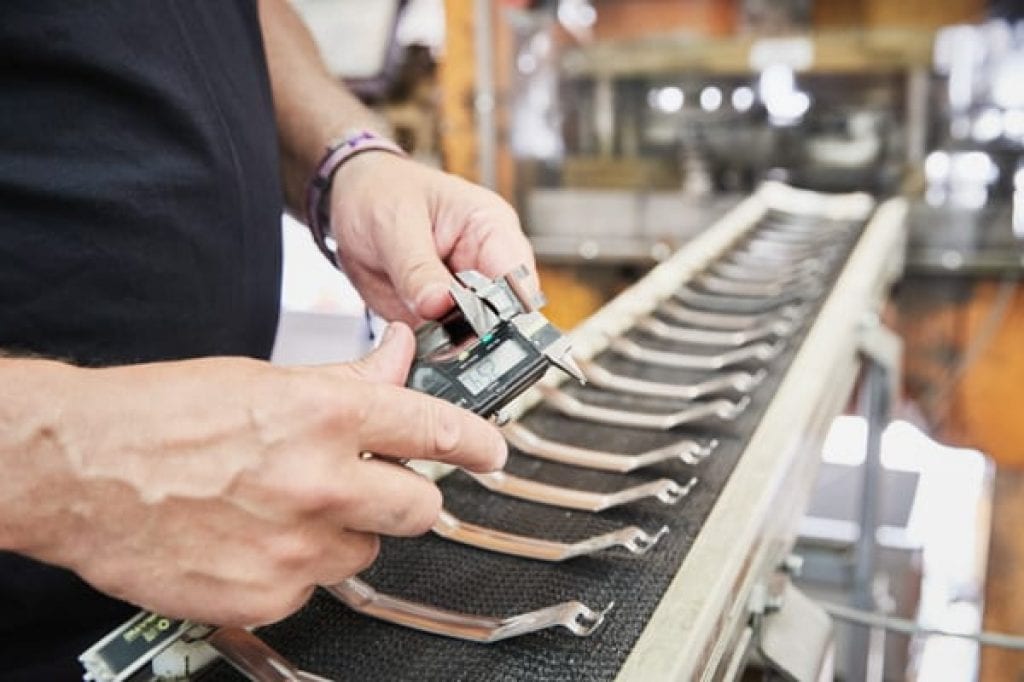
- Inspect incoming materials for flatness, thickness, and surface finish.
- Check in-process parts for alignment and dimensional accuracy.
- Document and track defects to identify recurring issues in handling or storage.
- Use go/no-go gauges and other quick-check tools at key points in the workflow.
- For a deeper dive, refer to our article on how to inspect stamped steel parts for quality.
Choosing Between Hydraulic and Mechanical Presses for Handling Needs
The type of press used in your operation can influence your approach to material handling. Hydraulic presses often require slower, more controlled feeding, while mechanical presses may benefit from high-speed automation. Understanding the differences between hydraulic and mechanical stamping presses can help you select the right handling equipment and procedures for your setup.
FAQ: Steel Stamping Material Handling
What are the most common causes of material damage during steel stamping?
The most frequent causes include improper lifting, inadequate storage, and excessive manual handling. Using the correct equipment and training staff on best practices can greatly reduce these risks.
How can automation improve efficiency in steel stamping plants?
Automation reduces manual labor, increases consistency, and minimizes handling errors. Automated conveyors, feeders, and guided vehicles streamline the movement of materials, leading to higher throughput and fewer defects.
What safety measures should be prioritized in steel stamping material handling?
Key safety measures include providing mechanical aids for heavy lifting, enforcing the use of PPE, maintaining clear walkways, and conducting regular safety training. Ergonomic workstation design also plays a significant role in preventing injuries.