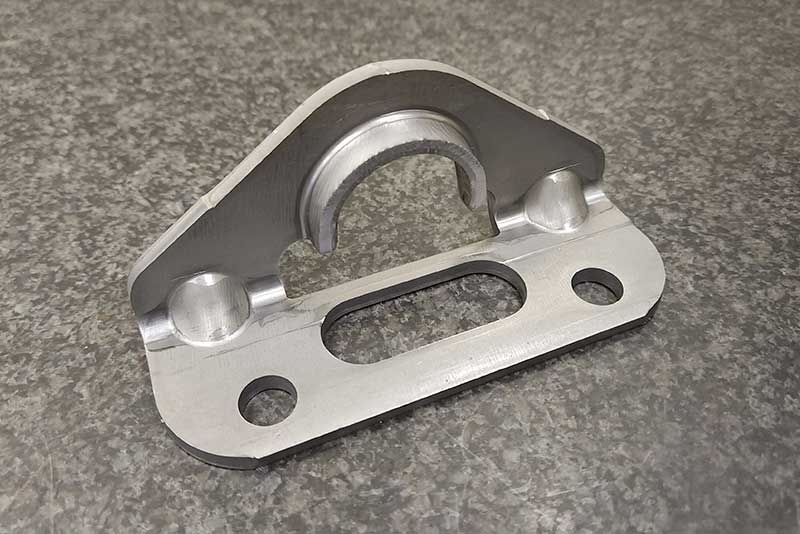
Achieving tight tolerances in metal components is a critical requirement for industries such as automotive, aerospace, electronics, and medical device manufacturing. Precision steel stamping techniques play a vital role in producing consistent, high-quality parts that meet exacting specifications. This article explores the core methods, tooling, and quality practices that enable manufacturers to deliver reliable, repeatable results in steel stamping operations.
Whether you are new to metal forming or looking to refine your process, understanding the fundamentals and advancements in this field can help you optimize production and reduce costly errors. For a broader overview of the process, you may want to read the what is steel stamping process guide, which covers the basics and common applications.
Understanding High-Precision Steel Stamping
High-precision stamping involves shaping flat steel sheets into intricate forms using specialized dies and presses. The goal is to achieve minimal dimensional variation—often within microns—across large production runs. This level of accuracy is essential for parts that must fit together seamlessly or perform reliably in demanding environments.
Several factors influence the outcome of a stamping operation:
- Material selection: The grade, thickness, and properties of steel affect formability and final tolerances.
- Die design: Precision tooling ensures consistent part geometry and surface finish.
- Press control: Modern presses offer programmable force, speed, and stroke for repeatable results.
- Process monitoring: Sensors and feedback systems detect deviations early, minimizing scrap.
Key Steel Stamping Methods for Tight Tolerances
Several advanced methods are used to enhance accuracy and repeatability in steel stamping. Here are some of the most effective approaches:
Progressive Die Stamping for Consistency
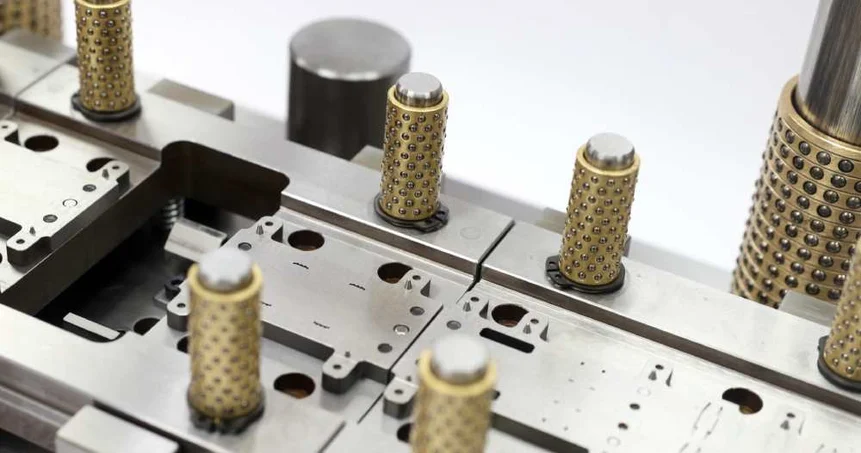
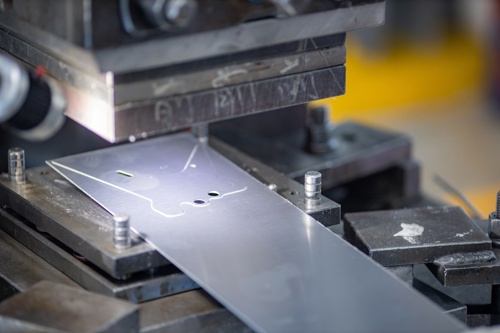
Progressive die stamping is a widely used method for producing complex parts with multiple features in a single, continuous process. The steel strip moves through a series of stations, each performing a specific operation—such as punching, bending, or coining—until the finished part is separated from the strip.
This approach minimizes handling and maintains tight control over part dimensions, making it ideal for high-volume production where uniformity is critical.
Fineblanking for Superior Edge Quality
Fineblanking is a specialized precision steel stamping technique that delivers exceptionally smooth and accurate edges, with minimal burrs or deformation. It uses a triple-action press and tightly controlled clearances between the die and punch, resulting in parts that require little or no secondary finishing.
Fineblanking is particularly valuable for components that must meet strict flatness and edge quality requirements, such as gears, levers, and safety-critical hardware.
Deep Drawing for Complex Geometries
Deep drawing is used to form steel sheets into cup-shaped or hollow parts with significant depth. This process requires careful control of material flow and die lubrication to avoid wrinkles, cracks, or thinning. By optimizing blank holder force and draw ratios, manufacturers can achieve precise wall thickness and dimensional accuracy, even in challenging shapes.
Tooling and Die Maintenance for Precision
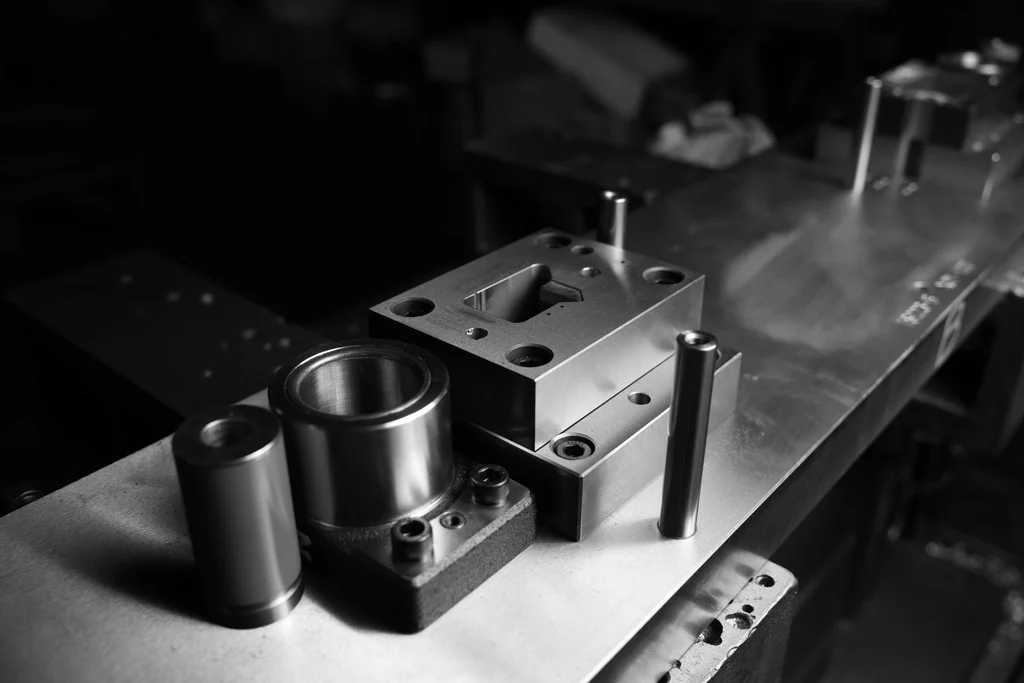
The quality of tooling directly impacts the accuracy and longevity of stamping operations. Precision-ground dies, hardened inserts, and tight clearances are essential for producing high-tolerance parts. Regular inspection and maintenance prevent wear-related defects and ensure consistent output.
For a detailed look at best practices, refer to the steel stamping die maintenance guide, which covers cleaning, alignment, and troubleshooting tips to extend tool life.
Quality Assurance in Steel Stamping
Rigorous quality control is a hallmark of successful precision steel stamping operations. Manufacturers employ a combination of in-process monitoring, statistical process control (SPC), and post-production inspection to verify that parts meet all dimensional and functional requirements.
- In-line sensors detect force, position, and part presence in real time.
- Vision systems inspect surface finish, hole placement, and feature integrity.
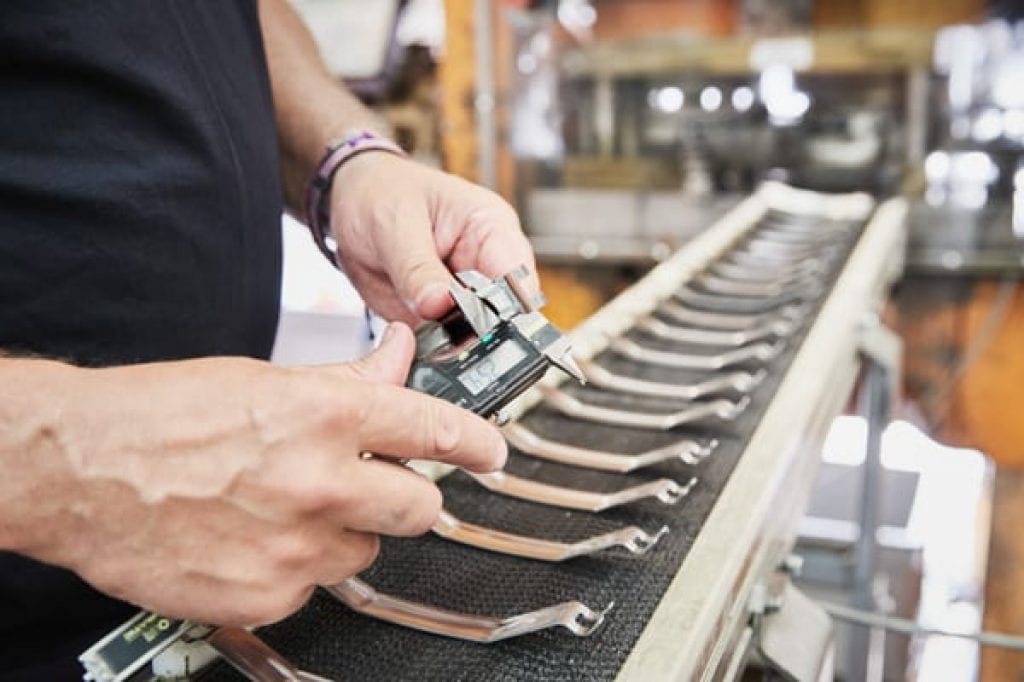
- Coordinate measuring machines (CMMs) provide high-accuracy dimensional checks.
Documenting and analyzing process data helps identify trends and root causes of variation, enabling continuous improvement and reduced defect rates.
Common Challenges and Solutions in High-Accuracy Stamping
Even with advanced methods, manufacturers face several challenges when aiming for ultra-tight tolerances:
- Material variability: Inconsistent steel properties can lead to dimensional drift. Sourcing from reputable suppliers and verifying material certificates is essential.
- Tool wear: Progressive wear can cause gradual loss of precision. Scheduled maintenance and timely replacement of critical die components help maintain quality.
- Press misalignment: Regular calibration and alignment checks ensure that forces are applied evenly, preventing off-center deformation.
- Operator error: Comprehensive training and clear work instructions minimize human-induced variation.
For more information on troubleshooting and correcting issues, see the common defects in steel stamping and how to fix them resource.
Safety and Best Practices in Steel Stamping Operations
Safety is paramount in any stamping environment. Operators must be trained in proper machine use, lockout/tagout procedures, and personal protective equipment (PPE) requirements. Regular safety audits and risk assessments help prevent accidents and ensure compliance with industry standards.
For a comprehensive overview of safe practices, refer to this guide to sheet metal forming die operations safety, which covers hazard identification, machine guarding, and emergency response protocols.
Frequently Asked Questions
What are the main benefits of using advanced steel stamping methods?
Advanced methods such as progressive die stamping and fineblanking offer improved dimensional accuracy, higher production speeds, and reduced need for secondary finishing. These benefits lead to lower costs, better part consistency, and greater design flexibility.
How often should stamping dies be maintained for optimal precision?
Maintenance frequency depends on production volume, material hardness, and part complexity. However, regular inspection and preventive maintenance—such as cleaning, lubrication, and alignment checks—are recommended to ensure consistent quality and extend tool life.
Can precision steel stamping be used for small batch or prototype production?
While high-precision stamping is most cost-effective for large runs, it can be adapted for small batches or prototypes using modular tooling and quick-change dies. This allows manufacturers to validate designs and processes before scaling up to full production.
Conclusion
Mastering precision steel stamping techniques is essential for manufacturers seeking to deliver high-tolerance parts at scale. By leveraging advanced methods, investing in quality tooling, and maintaining rigorous process control, it is possible to achieve exceptional accuracy and reliability. Staying informed about best practices and ongoing developments ensures continued success in this demanding field.