
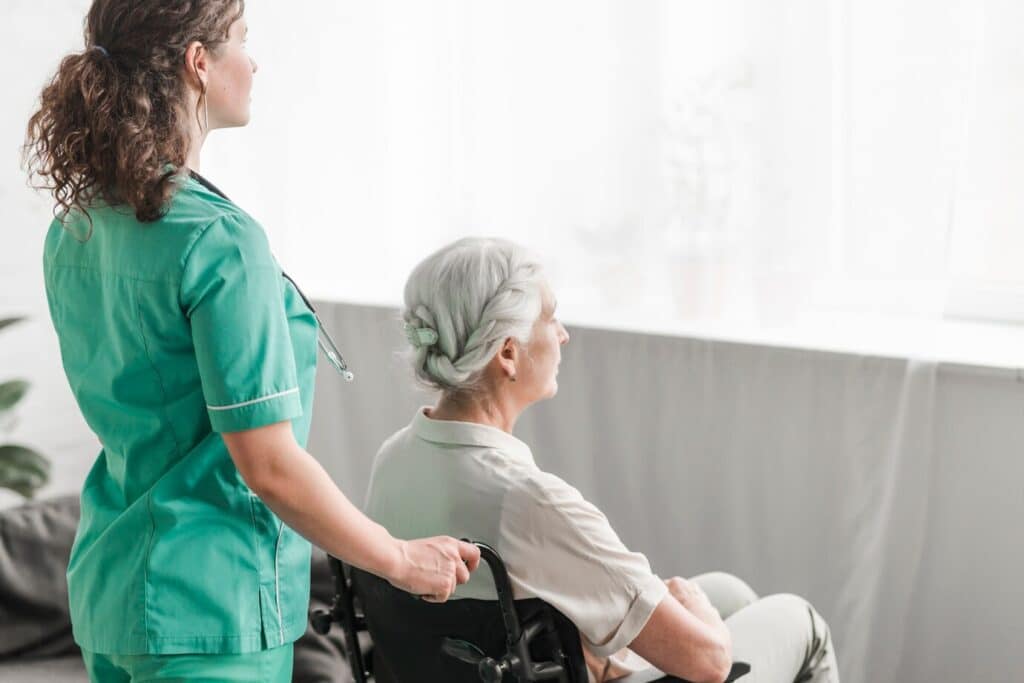
As more older adults choose to live independently, ensuring their well-being becomes a shared responsibility among families, communities, and neighbors. Neighbor check in programs have emerged as a practical approach to support senior safety, offering regular contact and peace of mind for those living alone. These initiatives encourage neighbors to look out for one another, fostering a sense of community while providing an extra layer of security for vulnerable residents.
Whether organized formally by local organizations or informally among residents, these check-in systems can make a significant difference in emergency response times, social connection, and overall quality of life for older adults. For those interested in broader strategies to support well-being, exploring independent living social safety can provide additional guidance on creating a safer environment.
Understanding Community-Based Senior Safety Initiatives
At their core, neighbor check in programs are designed to ensure that seniors living alone are regularly contacted by someone nearby. This could be a daily phone call, a quick knock on the door, or a simple visual check from across the street. The goal is to confirm that the individual is safe and to respond quickly if something seems amiss.
These programs can be especially valuable for older adults who may not have family close by or who prefer to maintain their independence. By establishing a routine, neighbors can quickly notice changes in behavior, missed appointments, or other signs that may indicate a problem.

Key Benefits of Neighbor-Led Check-In Systems
There are several advantages to implementing local check-in routines for older adults:
- Faster Emergency Response: If a senior experiences a fall, medical issue, or other emergency, a missed check-in can prompt immediate action from neighbors or emergency services.
- Reduced Isolation: Regular contact helps combat loneliness and social isolation, which are common concerns for those living alone.
- Peace of Mind: Both seniors and their families gain reassurance knowing that someone is watching out for their well-being.
- Community Engagement: These programs strengthen neighborhood ties and foster a culture of mutual support.
In addition to these benefits, such initiatives can complement other safety measures, including scam prevention for independent living seniors and identity theft prevention tips for seniors.
How Neighbor Check In Programs Work
The structure of these programs can vary depending on the needs of the community and the preferences of participants. Here are some common approaches:
- Buddy Systems: Pairs or small groups of neighbors agree to check in on each other at set times, either in person or via phone.
- Community Networks: Local organizations, neighborhood associations, or faith groups coordinate volunteers to monitor and support seniors in the area.
- Technology-Assisted Check-Ins: Some programs use phone trees, text message alerts, or dedicated apps to facilitate daily or weekly contact.
- Visual Cues: Seniors may place a sign or object in a window each morning to indicate they are okay, and neighbors know to check if the signal is missing.
Regardless of the format, the most successful systems are those that are consistent, easy to maintain, and tailored to the unique needs of the community.

Getting Started: Steps to Launch a Local Check-In Program
Starting a neighborhood-based safety initiative does not require extensive resources, but it does benefit from thoughtful planning. Here’s how to begin:
- Assess Community Interest: Talk to neighbors, local leaders, and senior residents to gauge interest and identify potential participants.
- Define Roles and Responsibilities: Decide who will be responsible for daily or weekly check-ins and how to handle missed contacts.
- Establish Communication Channels: Choose the best way to stay in touch, whether through phone calls, text messages, or in-person visits.
- Set Clear Guidelines: Agree on what to do if a check-in is missed, including when to escalate concerns to family members or emergency services.
- Promote Participation: Use flyers, community meetings, or social media to raise awareness and encourage more neighbors to get involved.
For communities considering more comprehensive solutions, resources like the ultimate guide to independent living can provide additional ideas and best practices.
Challenges and Considerations for Neighborhood Safety Programs
While these initiatives offer many benefits, there are also challenges to address:
- Privacy Concerns: Some seniors may be hesitant to share personal information or participate in regular check-ins.
- Consistency: Maintaining regular contact requires commitment from all participants. It’s important to establish backup plans in case a primary checker is unavailable.
- Boundaries: Respecting the independence and preferences of older adults is essential. Participation should always be voluntary and tailored to individual comfort levels.
- Training: Volunteers may benefit from basic training on recognizing signs of distress, medical emergencies, or scams targeting seniors.
Addressing these issues up front helps build trust and ensures that the program remains supportive rather than intrusive.
Complementary Safety Strategies for Independent Seniors
In addition to neighbor-led check-ins, there are other ways to enhance security and well-being for older adults living alone:
- Financial safety for independent living households to help prevent fraud and exploitation.
- Driving safety for seniors living alone independently to support mobility and reduce accident risks.
- Home modifications such as grab bars, improved lighting, and accessible entryways to reduce fall hazards.
- Emergency alert systems and wearable devices for immediate assistance if needed.
Combining these strategies with regular neighborly contact creates a robust support network for seniors who value their independence.
FAQ: Neighbor Check-In and Senior Safety
How often should neighbors check in on older adults living alone?
The frequency depends on the individual’s health, preferences, and risk factors. Many programs recommend daily contact, but some may opt for every other day or weekly check-ins. Consistency is key, and it’s important to adjust the schedule as needs change.
What should I do if a senior does not respond to a scheduled check-in?
If a neighbor misses a check-in, follow the agreed-upon protocol. This may include trying alternative contact methods, reaching out to family members, or, if there are signs of distress or concern, contacting emergency services for a wellness check.
Are there privacy concerns with neighborhood check-in programs?
Yes, privacy is an important consideration. Participation should always be voluntary, and personal information should be shared only with trusted individuals. Clear communication about boundaries and expectations helps ensure that seniors feel comfortable and respected.