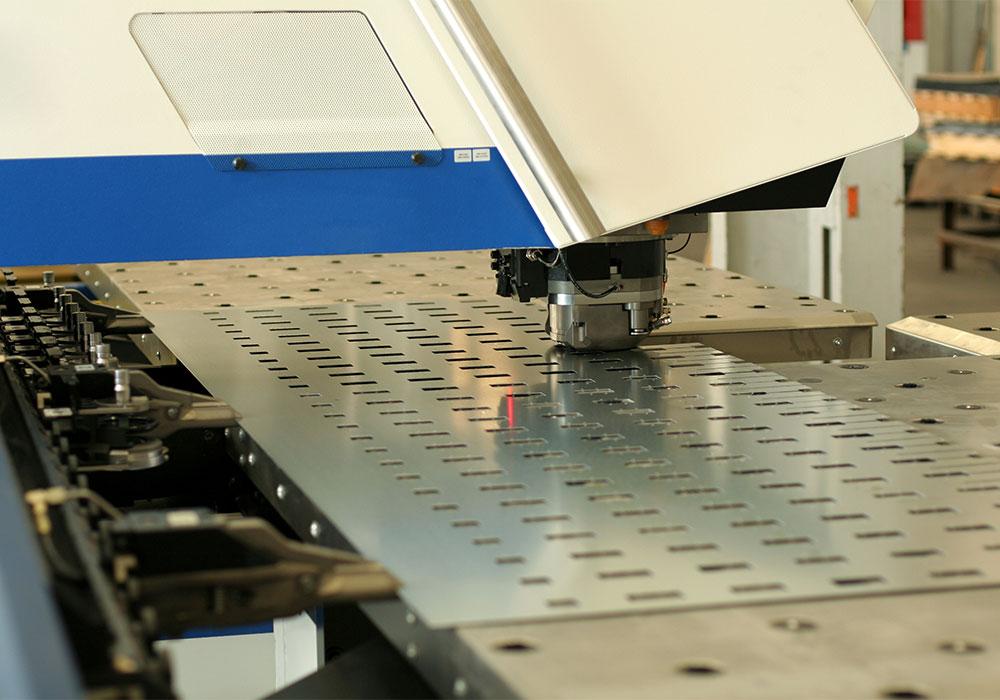
Galling is a persistent challenge in metal forming, especially when working with steel stamping operations. This wear phenomenon leads to material transfer between surfaces, causing tool damage, poor part quality, and costly downtime. Understanding how to prevent galling in steel stamping is essential for manufacturers aiming to maintain productivity and extend tool life.
This article explores practical strategies for minimizing galling, focusing on the use of coatings and lubricants. We’ll also touch on related process improvements, safety considerations, and how these solutions fit into a broader approach to quality and efficiency in stamping environments. For those interested in further optimizing their stamping operations, resources like how to reduce tool wear in heavy gauge stamping offer additional insights.
Understanding Galling in Metal Stamping
Galling occurs when two metal surfaces slide against each other under pressure, causing adhesion and material transfer. In steel stamping, this typically happens between the workpiece and the die or punch. The result is rough, damaged surfaces on both the tool and the stamped part.
Key factors that contribute to galling include:
- High contact pressure between tool and workpiece
- Insufficient lubrication or improper lubricant selection
- Material compatibility issues (e.g., similar hardness or chemical affinity)
- Surface roughness or tool wear
- Elevated temperatures during stamping
Why Galling Matters in Steel Stamping Operations
The effects of galling go beyond cosmetic defects. Severe cases can cause:
- Tool damage and shortened die life
- Production stoppages for maintenance or tool replacement
- Increased scrap rates and inconsistent part quality
- Higher operational costs due to frequent repairs
Addressing galling is not just about protecting tools—it’s also about ensuring consistent, high-quality output and maintaining a safe, efficient workplace. For more on safety in metal forming, see this comprehensive guide to safety in the metal stamping industry.
Coatings: A Key Solution for Minimizing Galling
One of the most effective ways to reduce galling is by applying specialized coatings to stamping tools. These coatings create a barrier between the tool and the workpiece, reducing friction and adhesion.
Types of Tool Coatings for Steel Stamping
- Physical Vapor Deposition (PVD) Coatings: Titanium nitride (TiN), titanium carbonitride (TiCN), and chromium nitride (CrN) are popular for their hardness and low friction properties.
- Chemical Vapor Deposition (CVD) Coatings: These coatings offer excellent wear resistance and are suitable for high-volume production.
- Diamond-Like Carbon (DLC) Coatings: DLC provides superior hardness and a very low coefficient of friction, making it ideal for severe forming applications.
- Nitriding and Carburizing: Surface hardening treatments that enhance wear resistance and reduce the likelihood of galling.
Selecting the right coating depends on factors such as material type, stamping speed, and production volume. Coatings should be applied by experienced providers to ensure uniform coverage and optimal performance.
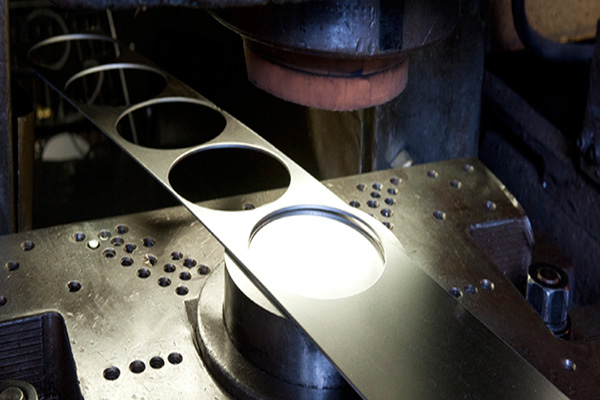
Lubricants: Essential for Preventing Adhesion and Wear
The strategic use of lubricants is another cornerstone in the fight against galling. Lubricants form a protective film that separates the tool and workpiece, reducing friction and heat.
Choosing the Right Lubricant for Steel Stamping
- Oil-Based Lubricants: Widely used for their ability to provide a thick, durable film. Suitable for heavy-duty applications.
- Water-Based Lubricants: Offer easier cleanup and are often preferred for environmental reasons. Best for lighter stamping operations.
- Dry Film Lubricants: Contain solid lubricating particles such as graphite or molybdenum disulfide. Useful for applications where oil residues are undesirable.
- Specialty Lubricants: Formulated for high-temperature or high-pressure environments, these can include synthetic or semi-synthetic blends.
To maximize effectiveness, apply lubricants consistently and monitor their condition throughout production. Automated lubrication systems can help maintain optimal coverage, especially in high-volume settings.
Additional Strategies to Reduce Galling in Steel Stamping
While coatings and lubricants are primary defenses, several other process adjustments can further minimize galling:
- Tool Material Selection: Using tool steels with high hardness and toughness can reduce susceptibility to galling.
- Surface Finish Optimization: Polishing tool surfaces to a fine finish decreases friction and material transfer.
- Stamping Speed and Pressure Control: Lowering forming speeds or adjusting pressure can reduce the heat and force that contribute to galling.
- Regular Tool Maintenance: Routine inspection and reconditioning of dies and punches prevent wear buildup and surface damage.
- Material Pairing: Avoiding combinations of similar metals (e.g., stamping stainless steel with stainless steel tools) can help reduce adhesion.
For a comprehensive approach to quality, consider integrating inspection protocols. Learn more about how to inspect stamped steel parts for quality to catch galling-related defects early.
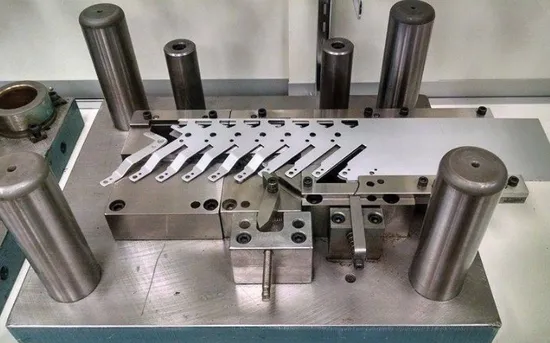
Integrating Galling Prevention Into Your Stamping Workflow
Preventing galling is not a one-time fix but an ongoing process. It requires a combination of the right tool materials, surface treatments, lubrication strategies, and process controls. Training operators to recognize early signs of galling and respond promptly is also vital.
Consider reviewing your current workflow and identifying areas where improvements can be made. For example, if you’re experiencing frequent tool wear, it may be time to evaluate your lubrication system or upgrade to advanced coatings. If part quality is inconsistent, inspect your die surfaces and ensure proper maintenance schedules are in place.
For those handling coil stock or working with different press types, related topics such as how to handle coil stock for stamping and differences between hydraulic and mechanical stamping presses can provide additional context for optimizing your operation.
Frequently Asked Questions
What causes galling during steel stamping?
Galling is primarily caused by high friction and adhesion between the stamping tool and the steel workpiece. Factors such as inadequate lubrication, incompatible tool and workpiece materials, rough tool surfaces, and excessive pressure contribute to the problem.
How do coatings help prevent galling?
Tool coatings act as a barrier, reducing direct metal-to-metal contact and lowering friction. This minimizes the risk of material transfer and adhesion, which are the main mechanisms behind galling. Popular coatings like TiN, TiCN, and DLC are especially effective in demanding applications.
Can changing lubricants reduce galling in stamping?
Yes, selecting the right lubricant and ensuring consistent application can significantly reduce galling. The lubricant forms a protective film that separates the tool and workpiece, decreasing friction and heat generation. It’s important to match the lubricant type to your specific stamping process and material.
Are there other ways to minimize galling besides coatings and lubricants?
Absolutely. Optimizing tool material, improving surface finish, adjusting stamping parameters, and maintaining tools regularly all contribute to reducing galling. Combining these strategies with coatings and lubricants yields the best results.
Conclusion
Effectively controlling galling in steel stamping operations requires a multi-faceted approach. By leveraging advanced tool coatings, selecting the right lubricants, and implementing sound process controls, manufacturers can protect their tools, improve part quality, and reduce downtime. Regular training, inspection, and maintenance further reinforce these efforts, ensuring long-term success in metal forming environments.
For more tips on improving edge quality and minimizing burrs in stamped parts, see how to minimize burrs in stamped parts.