When it comes to ensuring the safety and well-being of seniors, choosing between medical alert systems and home security systems can be a daunting task. Both systems offer unique benefits tailored to different needs, but understanding their differences is crucial for making an informed decision. This comparison is particularly important for caregivers and family members who want to provide the best protection for their elderly loved ones. By examining the features, costs, and specific advantages of each system, you can determine which option aligns best with the needs of seniors. For more insights on how these systems work, you can explore how medical alert devices work.
Quick Comparison
| Feature | Medical Alert Systems | Home Security Systems |
|---|---|---|
| Primary Function | Personal medical emergencies | Property protection |
| Typical Cost | $20.00–$50.00/mo | $10.00–$65.00/mo |
| Best For | Seniors needing medical assistance | General home security needs |
| Pros |
|
|
| Cons |
|
|
For more information on enhancing home security, you might find how AI improves home security systems insightful.
Medical Alert Systems
Medical alert systems are designed specifically to assist seniors during personal medical emergencies. These systems typically include wearable devices that can be activated to alert emergency services or designated contacts. They are particularly beneficial for seniors who live alone or have health conditions that require immediate attention.
Key Features
- Wearable devices with emergency buttons
- 24/7 monitoring services
- Integration with health monitoring devices
- GPS tracking for location services
Pros
- Provides peace of mind for seniors and families
- Quick response times in emergencies
- Can be integrated with other health monitoring systems
Cons
- Monthly subscription costs
- Limited to medical emergencies
Home Security Systems
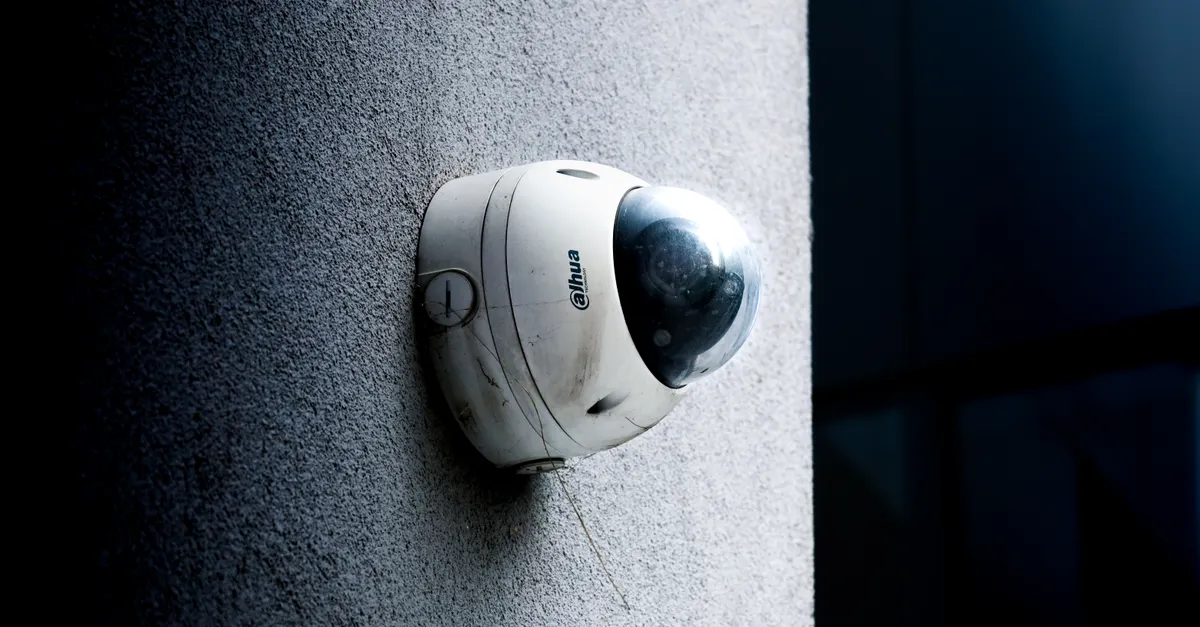
Home security systems are primarily focused on protecting property from intrusions and other threats. These systems often include a combination of cameras, motion detectors, and alarms that can be monitored remotely. While they are excellent for securing a home, they may not offer the same level of personal emergency response as medical alert systems.
Key Features
- Surveillance cameras and motion sensors
- Remote monitoring via smartphones
- Integration with smart home devices
- Alarm systems to deter intruders
Pros
- Comprehensive protection for the home
- Deters potential intruders
- Can be integrated with smart home technology
Cons
- May not address personal medical emergencies
- Installation can be complex and costly
Head-to-Head Comparison
When comparing medical alert systems and home security systems, several factors come into play. In terms of performance, medical alert systems excel in providing quick responses to personal emergencies, making them ideal for seniors who may need immediate medical assistance. Home security systems, on the other hand, are more focused on preventing property crimes and can offer peace of mind regarding home safety.
Feature-wise, medical alert systems often include health monitoring capabilities and GPS tracking, which are crucial for seniors. Home security systems boast advanced surveillance features and can integrate with other smart home devices, offering a comprehensive security solution.
In terms of build quality, both systems are designed to be durable and reliable. However, the complexity of home security systems can sometimes pose a challenge during installation. Pricing varies, with medical alert systems generally having a lower starting cost but potentially higher monthly fees due to monitoring services. Home security systems can be more affordable monthly, but initial setup costs can be higher.
Ultimately, the best choice depends on the specific needs of the senior. Those who prioritize health and personal safety may find medical alert systems more beneficial, while those concerned about property security might prefer home security systems.
Which One Should You Choose?
Choosing between a medical alert system and a home security system depends largely on the individual needs of the senior. If the primary concern is personal health and the ability to quickly respond to medical emergencies, a medical alert system is the better choice. These systems offer features like fall detection and GPS tracking, which are invaluable for seniors living alone or with health conditions.
Conversely, if the focus is on protecting the home from intrusions and ensuring overall property safety, a home security system might be more appropriate. These systems provide robust security features and can be integrated with other smart home technologies for enhanced protection.
For seniors who require both types of protection, exploring options that combine elements of both systems could be beneficial. Ultimately, the decision should be based on the specific lifestyle and safety needs of the senior in question.
Frequently Asked Questions
What are the primary functions of medical alert systems?
Medical alert systems are designed to provide immediate assistance during personal medical emergencies. They typically include wearable devices with emergency buttons that connect to monitoring centers for rapid response.
How do home security systems differ from medical alert systems?
While medical alert systems focus on personal health emergencies, home security systems are geared towards protecting property from intrusions and other threats. They often include cameras, alarms, and remote monitoring capabilities.
What features should seniors look for in a medical alert system?
Seniors should look for features such as fall detection, GPS tracking, 24/7 monitoring, and easy-to-use wearable devices in a medical alert system.
Are there any combined systems that offer both medical alert and security features?
Yes, some systems offer combined features that integrate both medical alert and home security functions, providing comprehensive protection for seniors.
What are the limitations of home security systems for senior care?
Home security systems may not adequately address personal medical emergencies, as they are primarily focused on property protection rather than individual health needs.