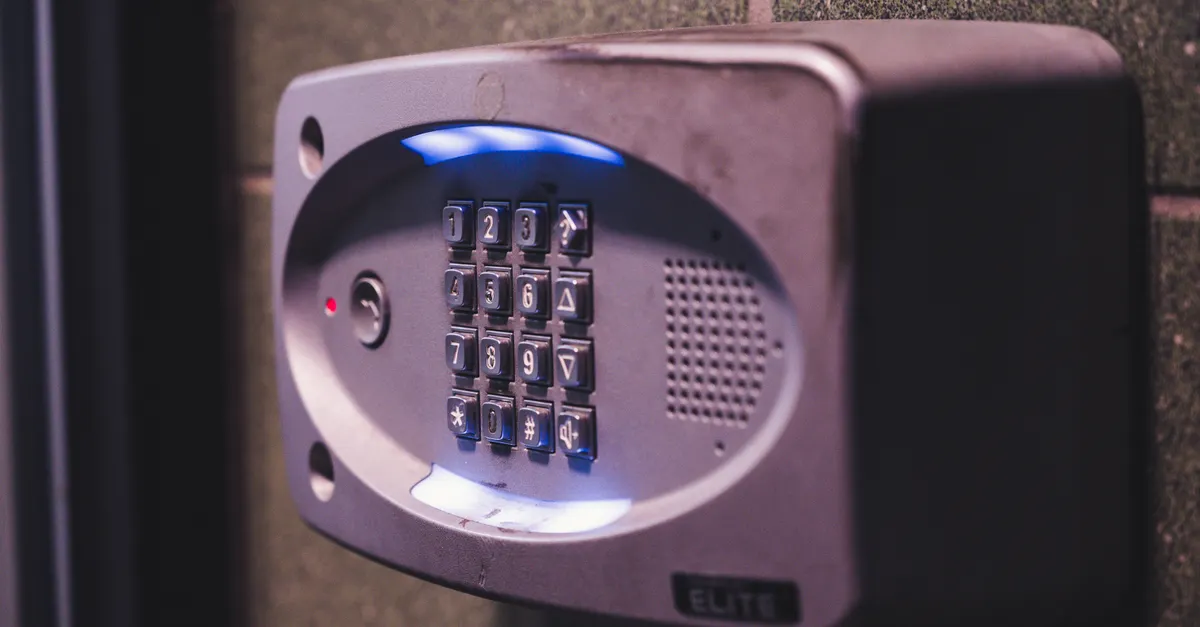
Feeling safe at home is essential, especially for older adults who may face unique challenges. Modern home security systems offer peace of mind, but not all are created equal for seniors. Choosing the right system means looking beyond basic alarms to features that truly support safety, independence, and ease of use. This guide explores the most suitable options, highlights key features, and explains what to consider before making a decision.
Why Security Systems Matter for Older Adults
For many seniors, living independently is a priority. However, concerns about break-ins, medical emergencies, or even simple accidents can make staying at home stressful. Home security systems provide more than just protection from intruders—they can also include features like emergency response, smoke detection, and remote monitoring. These systems help seniors feel secure, allow family members to check in, and can even connect to medical alert services for added reassurance.
Having a reliable security setup can reduce anxiety, support aging in place, and ensure help is available when needed. The right system can be a valuable tool for both seniors and their loved ones.
Top Picks: Home Security Solutions for Seniors
When searching for the best home security systems for seniors, several brands stand out for their senior-friendly features and dependable service. Here’s a closer look at three leading options:
ADT
ADT is a well-known name in home security, offering professional installation and 24/7 monitoring. Their systems can be customized with features like medical emergency monitoring, smoke detectors, and easy-to-use keypads. ADT’s reputation for reliability and their responsive customer support make them a strong choice for seniors who value hands-off management and quick emergency response.
SimpliSafe
SimpliSafe is popular for its straightforward setup and flexible packages. The system is wireless, which means installation is typically simple and doesn’t require drilling or complex wiring. Seniors can benefit from features like panic buttons, voice prompts, and optional professional monitoring. SimpliSafe’s mobile app is also intuitive, making it easier for users to arm or disarm the system and receive alerts.
Vivint
Vivint is known for its smart home integration and advanced technology. Seniors who are comfortable with smart devices may appreciate Vivint’s voice control options and seamless connection with devices like smart locks and cameras. Professional installation is included, and the system can be tailored to include medical alerts and environmental sensors.
Essential Senior-Friendly Features
Not all security systems are equally suitable for older adults. The most effective options include features designed to address common needs and limitations. Here are some of the most important senior-friendly features to look for:
- Simple Controls: Large buttons, clear displays, and voice guidance make systems easier to operate for those with vision or dexterity challenges.
- Medical Emergency Monitoring: Some systems offer wearable panic buttons or wall-mounted emergency buttons that connect directly to monitoring centers, ensuring help is just a push away.
- Voice Control: Integration with voice assistants allows seniors to control their system hands-free, which is especially useful for those with mobility issues.
- Remote Access: Mobile apps enable family members to check in, receive alerts, and help manage the system remotely.
- Professional Monitoring: 24/7 monitoring ensures that emergencies are addressed quickly, whether it’s a break-in, fire, or medical issue.
- Wireless Setup: Wireless systems are generally easier to install and don’t require modifications to the home, which is ideal for renters or those who want a less intrusive solution.
For more ideas on how technology can make home security more accessible, consider exploring senior-friendly apps for home security that further simplify daily safety routines.
Comparing Costs and Discounts
Budget is an important consideration for many seniors. The price of a home security system can vary based on equipment, monitoring services, and installation. While some systems require an upfront investment in devices, others offer monthly payment plans or leasing options. It’s important to compare not only the initial cost but also ongoing fees for monitoring and maintenance.
Many providers recognize the needs of older adults and may offer AARP discounts or other special pricing for seniors. Always ask about available offers, as these can make a significant difference in affordability. Some systems also allow you to select only the features you need, which can help keep costs manageable.
- Pros:
- Discounts can lower monthly or upfront costs
- Flexible packages allow for customization
- Some systems offer no-contract options
- Cons:
- Premium features may increase costs
- Professional installation can add to the initial expense
- Some discounts require membership in specific organizations
It’s wise to compare several systems and ask for a detailed breakdown of all fees before committing. Consider what services are included in the base price and which require additional payment.
Installation and Ease of Use: What Seniors Should Know
One of the biggest concerns for older adults is how easy a security system is to set up and operate. The installation process varies widely between brands and models, and understanding these differences can help seniors make an informed choice.
Professional Installation vs. DIY
Some systems, like ADT and Vivint, offer or require professional installation. This can be a relief for seniors who are not comfortable with technology or physical setup. Professional installers handle everything, from mounting sensors to connecting the system to monitoring centers. This option reduces the risk of improper setup and ensures all components work as intended.
DIY systems, such as SimpliSafe, are designed for easy self-installation. They typically use adhesive strips or simple mounting hardware, and setup can often be completed in under an hour. However, even with DIY systems, it’s important to read instructions carefully and avoid attempting any electrical work or complex wiring. If any step feels unsafe or confusing, it’s best to seek help from a professional or a trusted family member.
Usability Considerations
For seniors, ease of use is just as important as installation. Look for systems with:
- Clear, readable displays
- Audible alerts and voice prompts
- Accessible emergency buttons
- Simple mobile apps or remote controls
Some systems also integrate with voice assistants, allowing users to arm or disarm the system using simple spoken commands. This can be a big upgrade for those with limited mobility or vision.
Before choosing a system, seniors should consider their comfort with technology and whether they have support from family or caregivers. If in doubt, opt for professional installation and ask for a demonstration of how to use the system’s main features.
For a deeper dive into how technology is making these systems even more accessible, you can read about how AI improves home security systems for families and seniors alike.
Medical Emergency Support and Additional Benefits
Many modern security systems go beyond traditional alarms by offering support for medical emergencies. This can include:
- Wearable panic buttons that connect to monitoring centers
- Wall-mounted emergency buttons in key areas like bedrooms and bathrooms
- Integration with medical alert systems for automatic dispatch of emergency services
These features are particularly valuable for seniors living alone or those with health concerns. When evaluating a system, check whether medical monitoring is included and if there are additional fees for this service. Some providers offer bundled packages that combine security and health monitoring for a more comprehensive solution.
For those interested in understanding the differences between these options, comparing medical alert systems vs home security systems can help clarify which setup best meets your needs.
Conclusion: Making the Right Choice for Senior Safety
Choosing a home security system as a senior means balancing safety, ease of use, and affordability. Focus on systems that offer senior-friendly features, straightforward installation, and responsive customer support. Whenever possible, take advantage of discounts and professional installation services to ensure everything is set up safely and works as intended.
Before making a final decision, list your priorities—whether it’s medical monitoring, simple controls, or smart home integration. Consult with family members or caregivers, and don’t hesitate to reach out to providers with questions. The right system can provide peace of mind and help seniors remain independent and secure in their own homes.
Frequently Asked Questions
What features should seniors prioritize in a home security system?
Seniors should look for systems with easy-to-use controls, emergency buttons, voice control, and professional monitoring. Medical emergency support and wireless installation are also important for convenience and safety.
Are there discounts available for seniors on home security systems?
Yes, many providers offer special pricing or AARP discounts for seniors. Always ask about available offers and compare packages to find the most cost-effective option for your needs.
Should seniors attempt to install security systems themselves?
While some systems are designed for easy DIY installation, seniors should avoid any steps involving electrical work or complex setup. Professional installation is often safer and ensures the system works correctly. If unsure, seek help from a trusted person or a qualified technician.