Maintaining autonomy as we age is a priority for many adults and seniors. With the right strategies and resources, individuals can confidently manage their well-being while living independently. Independent living health monitoring involves a combination of proactive habits, smart technology, and support systems that help people stay safe, healthy, and connected. This guide explores practical approaches and essential tools that empower individuals to thrive in their own homes, while also providing peace of mind for families and caregivers.
For those interested in a broader approach to safety, the independent living hazard awareness guide offers valuable insights on reducing risks at home.

Why Proactive Health Monitoring Matters for Independent Adults
Staying on top of health changes is crucial for those who wish to live independently. Early detection of issues—such as changes in mobility, medication side effects, or chronic condition flare-ups—can prevent complications and hospitalizations. Regular health monitoring for independent living supports better decision-making and helps individuals maintain their routines with confidence.
Proactive monitoring also reassures family members and caregivers, reducing anxiety about a loved one’s safety. By using reliable systems and establishing healthy habits, older adults can enjoy a higher quality of life and retain their independence for longer.
Essential Daily Health Checks and Habits
Consistency is key when it comes to managing personal well-being. Here are some daily practices that support effective independent living health monitoring:
- Medication Management: Use pill organizers or reminder apps to ensure medications are taken as prescribed. Missed doses or accidental double-dosing can have serious consequences.
- Vital Signs Tracking: Monitoring blood pressure, heart rate, and blood sugar (if needed) helps identify changes before they become emergencies.
- Hydration and Nutrition: Keeping a food and water intake log can help spot patterns that impact energy, mood, or health.
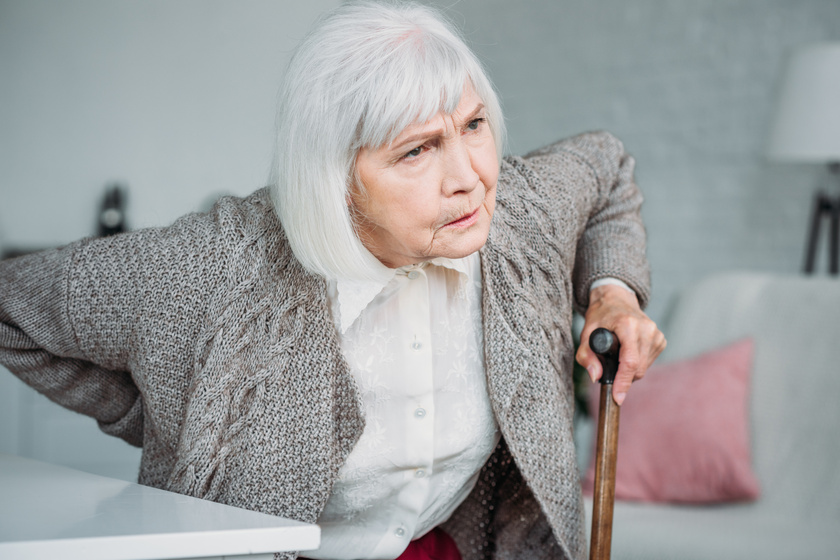
- Mobility and Balance: Take note of any new difficulties with walking, standing, or balance. Early intervention can prevent falls.
- Sleep Quality: Maintain a regular sleep schedule and note any changes in sleep patterns, which can signal health concerns.
Top Tools and Devices for At-Home Wellness Tracking
Advances in technology have made it easier than ever to monitor health from the comfort of home. Here are some of the most effective tools for supporting independent adults:
- Wearable Health Trackers: Devices like smartwatches and fitness bands can monitor heart rate, steps, sleep, and even detect falls.
- Smart Scales and Blood Pressure Monitors: Bluetooth-enabled devices sync with apps, making it simple to track trends and share data with healthcare providers.
- Medical Alert Systems: These devices offer emergency assistance at the push of a button and often include fall detection and GPS tracking for added security.
- Medication Dispensers: Automated pill dispensers reduce the risk of missed or incorrect doses, especially for those managing multiple prescriptions.
- Remote Health Monitoring Apps: Many apps allow users to log symptoms, vital signs, and communicate with care teams or family members in real time.
Choosing the right combination of tools depends on individual needs and preferences. It’s important to select devices that are easy to use and integrate seamlessly into daily routines.
Creating a Supportive Environment for Self-Monitoring
Beyond gadgets and apps, the environment plays a significant role in successful health monitoring for independent living. Here are some ways to foster a supportive atmosphere:
- Clear Communication: Share health goals and monitoring routines with family, friends, or caregivers to build a network of support.
- Accessible Spaces: Arrange furniture and living areas to minimize fall risks and make health devices easily reachable.
- Routine Check-Ins: Schedule regular calls or visits with loved ones to discuss any changes or concerns.
- Education: Stay informed about new monitoring technologies and best practices for managing chronic conditions.
Safety Considerations and Preventive Strategies
While monitoring health is essential, it’s equally important to address safety risks in the home. Simple modifications and awareness can prevent accidents and support ongoing independence. For more detailed advice, the independent living safety tips article provides actionable steps for creating a secure environment.
- Install grab bars in bathrooms and non-slip mats in high-risk areas.
- Ensure adequate lighting in hallways and staircases.
- Keep emergency contact information easily accessible.
- Test smoke detectors and carbon monoxide alarms regularly.
- Review and update emergency plans with family or caregivers.
These measures, combined with regular independent living health monitoring, create a holistic approach to well-being.
Staying Connected: The Role of Community and Technology
Social engagement is a vital aspect of healthy independent living. Technology can bridge the gap for those who may have limited mobility or live far from loved ones. Video calls, online support groups, and community resources help individuals stay connected and informed.
For a comprehensive overview of risk prevention, the independent living risk prevention guide offers strategies tailored to adults and seniors.
Additionally, resources like these senior living safety tips provide further guidance on maintaining a safe and healthy lifestyle.
Frequently Asked Questions
What are the most important health metrics to track for independent adults?
Key metrics include blood pressure, heart rate, blood sugar (for those with diabetes), weight, and medication adherence. Monitoring these regularly can help detect changes early and support timely medical intervention.
How can technology help with independent living health monitoring?
Technology offers a range of solutions, from wearable devices that track vital signs to apps that remind users to take medications. Medical alert systems and remote monitoring tools also provide added safety and convenience.
What should I do if I notice a sudden change in my health?
If you experience sudden symptoms such as chest pain, severe shortness of breath, confusion, or loss of consciousness, seek emergency medical attention immediately. For less urgent changes, contact your healthcare provider to discuss next steps.
Are there resources for making my home safer while living independently?
Yes, there are many resources available, including guides on independent living safety and hazard prevention. These resources offer practical tips for reducing risks and creating a secure environment.
By combining daily habits, the right tools, and a supportive environment, individuals can successfully manage their health and enjoy the benefits of independent living for years to come.