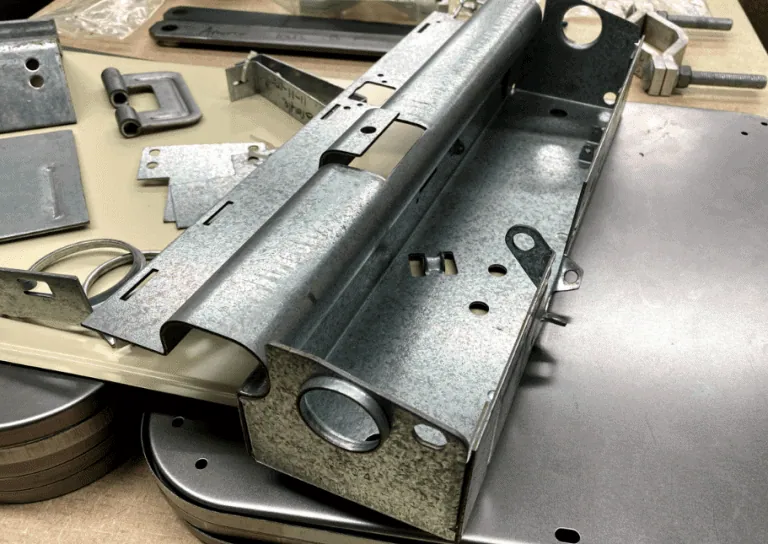
Understanding the impact of press bed size on production flexibility is essential for manufacturers aiming to optimize their stamping operations. The dimensions of a press bed directly influence the types of dies that can be accommodated, the range of part sizes that can be produced, and the overall adaptability of a stamping line to changing production needs. As market demands shift toward shorter runs, increased product variety, and faster changeovers, the ability to quickly adapt stamping equipment becomes a competitive advantage.
Choosing the right press bed size is not just a matter of fitting the largest possible die. It involves balancing floor space, equipment cost, energy consumption, and the need for versatility. Manufacturers must weigh these factors alongside considerations like die handling, safety, and maintenance. For those working with heavy gauge materials or complex progressive dies, the press bed’s dimensions can be a limiting or enabling factor in both efficiency and quality.
For those seeking to extend tool life and reduce downtime, exploring how to reduce tool wear in heavy gauge stamping offers practical strategies that complement decisions about press bed sizing.
Why Press Bed Size Matters in Modern Stamping
The physical size of a stamping press bed determines the maximum die footprint that can be installed. This, in turn, affects the largest part that can be stamped in a single operation and the complexity of progressive or transfer dies that can be used. A larger bed enables the use of bigger or multiple dies, supporting higher throughput and more complex part geometries.
However, a larger press bed also means a bigger machine footprint, higher initial investment, and potentially increased maintenance requirements. For manufacturers producing a wide range of parts, a more generous bed size can provide the flexibility to switch between different dies and part sizes without extensive retooling.
Key Ways Bed Size Influences Production Flexibility
The impact of press bed size on production flexibility can be seen in several operational areas:
- Die Accommodation: Larger beds allow for more complex or multiple dies, enabling simultaneous production of multiple parts or features.
- Changeover Efficiency: Ample bed space simplifies die changes and setup, reducing downtime between production runs.
- Part Variety: A spacious bed supports a broader range of part sizes and shapes, making it easier to respond to custom orders or design changes.
- Material Handling: Larger beds can support wider coil stock or sheet material, improving throughput and reducing handling steps.
For operations where frequent part changes or short production runs are common, the flexibility provided by a larger press bed can outweigh the additional costs. Conversely, for high-volume, single-part production, a smaller, more specialized press may be more efficient.
Comparing Small and Large Press Beds for Flexibility
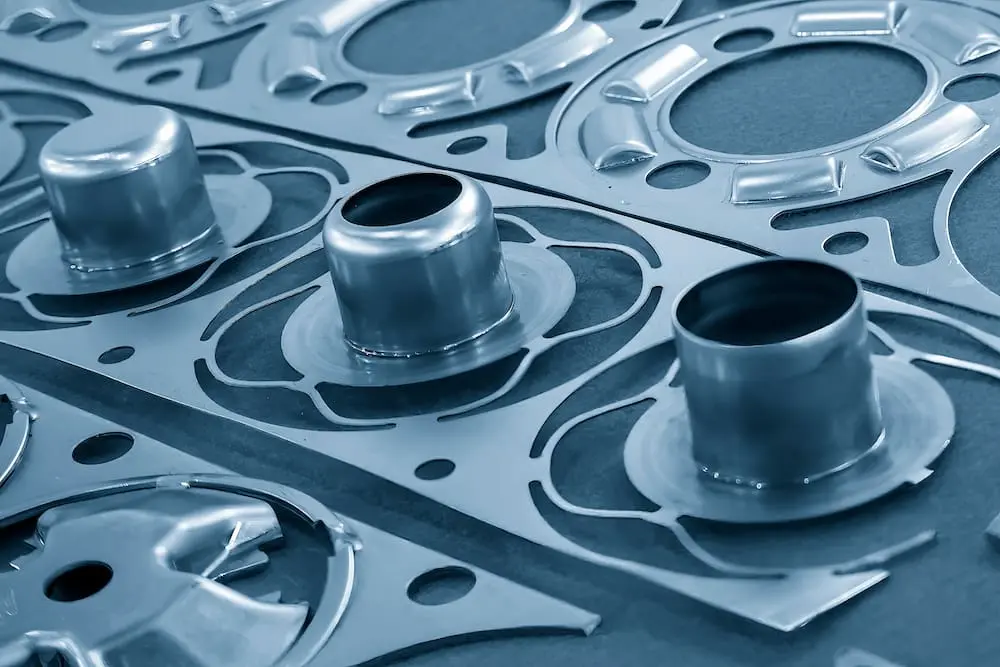
When evaluating stamping equipment, it’s important to compare the production flexibility offered by different bed sizes. Small press beds are typically more cost-effective, require less floor space, and are easier to maintain. They are ideal for dedicated, high-volume production of small parts where changeovers are infrequent.
In contrast, large press beds provide the adaptability needed for diverse product lines, complex assemblies, or progressive stamping operations. They allow for the integration of in-die processes such as tapping, welding, or assembly, which can streamline manufacturing and reduce secondary operations.
| Feature | Small Press Bed | Large Press Bed |
|---|---|---|
| Die Size Capacity | Limited | Extensive |
| Part Size Range | Small to Medium | Medium to Large |
| Changeover Time | Shorter for dedicated runs | Can be optimized with quick-change systems |
| Floor Space Required | Minimal | Significant |
| Initial Investment | Lower | Higher |
| Production Flexibility | Limited | High |
Optimizing Die Layout and Tooling with the Right Bed Size
The relationship between press bed size and die layout is critical for maximizing efficiency. A larger bed enables creative die layouts, such as tandem or multi-out dies, which can increase output per stroke. It also allows for the integration of sensors and automation equipment, further enhancing flexibility and safety.
Tooling designers must consider the available bed area when planning die sets. Insufficient bed space can lead to cramped layouts, increased risk of tool interference, and more challenging maintenance. On the other hand, excessive unused bed space may not justify the added cost and footprint.
For those interested in the technical differences between equipment types, reviewing the differences between hydraulic and mechanical stamping presses can help inform decisions about press selection and bed size requirements.
Safety, Maintenance, and Quality Considerations
A larger press bed can improve safety by providing more room for die handling and maintenance activities. It also allows for better placement of safety devices, guards, and light curtains. However, larger machines may require additional training and safety protocols due to their increased complexity and potential hazards.
Regular inspection and maintenance are crucial, regardless of bed size. Larger beds may require more extensive checks for alignment, flatness, and wear. For best practices on part inspection, see how to inspect stamped steel parts for quality.
Quality outcomes are also influenced by bed rigidity and flatness. A robust, well-maintained bed minimizes deflection during stamping, ensuring consistent part dimensions and reducing the risk of burrs or misalignment. For further tips on edge quality, consider reading about how to minimize burrs in stamped parts.
Material Handling and Workflow Efficiency
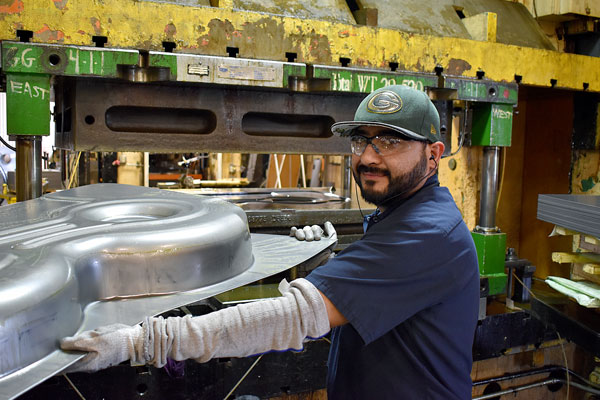
The size of the press bed also affects how material is loaded, positioned, and removed. Larger beds can accommodate wider coil stock or sheets, supporting higher throughput and reducing the frequency of material changes. They also provide more space for automated feeders, conveyors, and stacking systems, which can streamline workflow and reduce manual handling.
For operations handling coil stock, following best practices for how to handle coil stock for stamping can further enhance efficiency and safety.
Workflow efficiency is not just about speed; it’s also about reducing errors and minimizing unplanned downtime. A well-sized press bed, combined with thoughtful material handling, can help achieve these goals.
Industry Trends and Future Considerations
As manufacturing moves toward greater customization and shorter product life cycles, the demand for flexible stamping solutions is increasing. Presses with modular bed extensions, quick-change tooling systems, and integrated automation are becoming more common. These innovations allow manufacturers to adapt to new part designs and production requirements without major equipment overhauls.
Safety remains a top priority in the industry. For more on maintaining a safe work environment, see this comprehensive guide to safety in the metal stamping industry.
FAQs
What Is the Main Advantage of a Larger Press Bed in Stamping?
A larger press bed increases production flexibility by allowing the use of bigger or multiple dies, supporting a wider range of part sizes, and enabling faster changeovers. This adaptability is especially valuable for manufacturers producing diverse product lines or frequently changing part designs.
How Does Press Bed Size Affect Die Maintenance and Safety?
A spacious bed provides more room for safe die handling, inspection, and maintenance. It also allows for better placement of safety devices and guards, reducing the risk of accidents during setup and operation.
Can a Small Press Bed Be Efficient for High-Mix, Low-Volume Production?
While small press beds are efficient for dedicated, high-volume runs of small parts, they may limit flexibility for high-mix, low-volume production. In such cases, a larger bed or modular press system may offer greater adaptability and reduce changeover time.