Understanding the impact of eccentric loading on stamping presses is crucial for manufacturers, maintenance teams, and engineers aiming to maximize equipment lifespan and maintain consistent production quality. Eccentric loading occurs when the force applied during stamping is not centered on the press’s ram or bolster, causing uneven stress distribution. Over time, this can lead to premature wear, misalignment, and even catastrophic failure of critical press components.
This article explores how off-center forces affect press durability, the mechanical consequences of repeated uneven loading, and best practices for minimizing these risks. By addressing these issues, facilities can reduce downtime, control maintenance costs, and ensure safer, more reliable operations.
For those interested in related topics, learning about how to reduce tool wear in heavy gauge stamping can further extend the life of both tools and presses.
What Is Eccentric Loading in Stamping Operations?
Eccentric loading refers to any situation where the force exerted by the stamping die is not perfectly centered on the press’s ram or bolster plate. Instead of distributing the load evenly, the force is concentrated on one side, creating a moment arm that introduces bending and twisting stresses. This is common when:
- Parts are positioned off-center on the die set
- Progressive dies are not balanced
- Multiple parts are stamped simultaneously but not symmetrically arranged
- Die design or setup errors shift the center of force
While some degree of off-center loading is inevitable in complex stamping operations, excessive or chronic eccentricity can have significant mechanical consequences.
Mechanical Effects of Off-Center Loading on Press Components
The impact of eccentric loading on stamping presses is most evident in the accelerated wear and misalignment of key machine elements. Below are some of the most common issues:
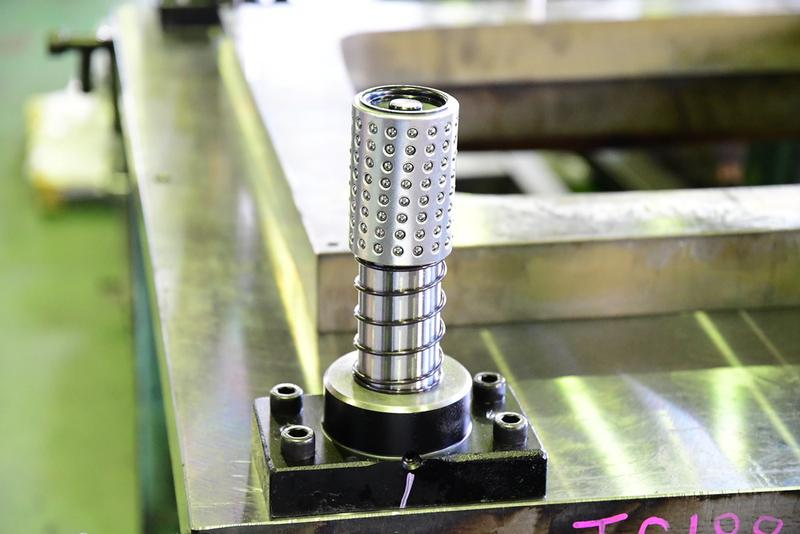
- Ram and Slide Wear: Off-center forces cause uneven wear on the ram guides and gibs, leading to increased clearances, loss of parallelism, and eventual binding or jamming.
- Frame Distortion: The press frame may flex or twist under repeated eccentric loads, resulting in permanent deformation or cracks.
- Bearing and Bushing Damage: Side loads increase friction and stress on bearings and bushings, reducing their service life.
- Bolster Plate Fatigue: Concentrated forces can cause the bolster plate to bend, crack, or develop surface fatigue, especially in high-tonnage applications.
- Misalignment of Tooling: Persistent off-center loading can shift die alignment, leading to poor part quality and increased scrap rates.
These effects not only reduce the operational lifespan of the press but also compromise product quality and workplace safety.
How Eccentric Loading Shortens Press Service Life
Repeated exposure to off-center forces accelerates the fatigue of structural and moving parts. Over time, this can lead to:
- Frequent need for guide and gib adjustments
- Increased downtime for repairs and part replacement
- Higher risk of catastrophic press failure
- Reduced resale value of equipment
In severe cases, press frames may develop cracks or lose their ability to maintain proper alignment, rendering the machine unsafe or unusable. Even minor misalignments can result in costly tool damage and increased scrap rates, further eroding profitability.
For a deeper understanding of how different press types respond to these stresses, see the differences between hydraulic and mechanical stamping presses.
Best Practices to Minimize Eccentric Loading
To extend the life of stamping presses and maintain consistent output, it is essential to minimize off-center loading whenever possible. Here are proven strategies:
- Balanced Die Design: Work with toolmakers to ensure the center of force aligns with the press ram. Symmetrical layouts and balanced progressive dies help reduce uneven loading.
- Proper Setup and Maintenance: Regularly inspect and adjust die alignment, bolster flatness, and ram parallelism. Use shims and spacers as needed to correct minor misalignments.
- Load Monitoring: Install load monitoring systems to detect and alert operators to excessive eccentricity during operation.
- Operator Training: Ensure operators understand the importance of centering loads and following setup procedures precisely.
- Routine Inspections: Schedule frequent checks for wear on guides, gibs, and bushings, and address issues before they escalate.
Implementing these practices can significantly reduce the negative impact of eccentric loading on stamping presses and help maintain equipment reliability.
Quality Control and Safety Considerations
Maintaining press alignment and minimizing eccentric loads is not just about equipment longevity—it is also vital for part quality and operator safety. Misaligned presses can produce parts with inconsistent dimensions, burrs, or cracks. In severe cases, excessive side loading can cause sudden machine failures, posing risks to personnel.
For guidance on safe material handling, review the article on how to handle coil stock for stamping. Additionally, sheet metal forming die operations safety practices can help reinforce safe press operation and maintenance procedures.
Monitoring and Diagnosing Eccentric Loading Issues
Early detection of off-center loading is key to preventing long-term damage. Signs of chronic eccentricity include:
- Uneven wear patterns on guides and gibs
- Frequent die misalignment or tool breakage
- Visible frame distortion or cracks
- Increased vibration or noise during operation
Modern presses may include sensors or monitoring systems that track load distribution in real time. For older equipment, regular manual inspections and maintenance logs are essential. Addressing issues promptly can prevent small problems from escalating into major failures.
To ensure finished parts meet specifications, consult the guide on how to inspect stamped steel parts for quality. Consistent inspection routines can help identify issues related to press misalignment or die wear.
FAQ
How does eccentric loading affect stamping press maintenance costs?
Off-center forces accelerate wear on critical components such as ram guides, gibs, and bearings. This leads to more frequent repairs, increased downtime, and higher replacement part expenses. By minimizing eccentric loading, facilities can control maintenance costs and extend equipment service intervals.
Can all types of stamping presses be affected by eccentric loading?
Yes, both mechanical and hydraulic presses are susceptible to the negative effects of off-center loading. However, the degree of impact may vary based on press design, frame rigidity, and load capacity. Regular monitoring and balanced die setups are important for all press types.
What are the best ways to detect and correct eccentric loading?
Routine inspections, load monitoring systems, and careful die alignment during setup are effective ways to detect and address eccentric loading. Operators should be trained to recognize early warning signs, such as uneven wear or increased vibration, and take corrective action promptly.
Does minimizing eccentric loading improve stamped part quality?
Absolutely. Reducing off-center forces helps maintain die alignment and press parallelism, resulting in more consistent part dimensions, fewer defects, and lower scrap rates.
Conclusion
The impact of eccentric loading on stamping presses is a critical factor in determining equipment longevity, maintenance costs, and product quality. By understanding the causes and consequences of off-center loading, and implementing best practices for die design, setup, and monitoring, manufacturers can significantly extend the life of their presses and ensure safer, more efficient operations. Regular training, inspections, and adherence to safety protocols further reinforce these benefits, supporting both productivity and workplace safety.
For additional tips on improving edge quality and reducing defects, see the resource on how to minimize burrs in stamped parts.