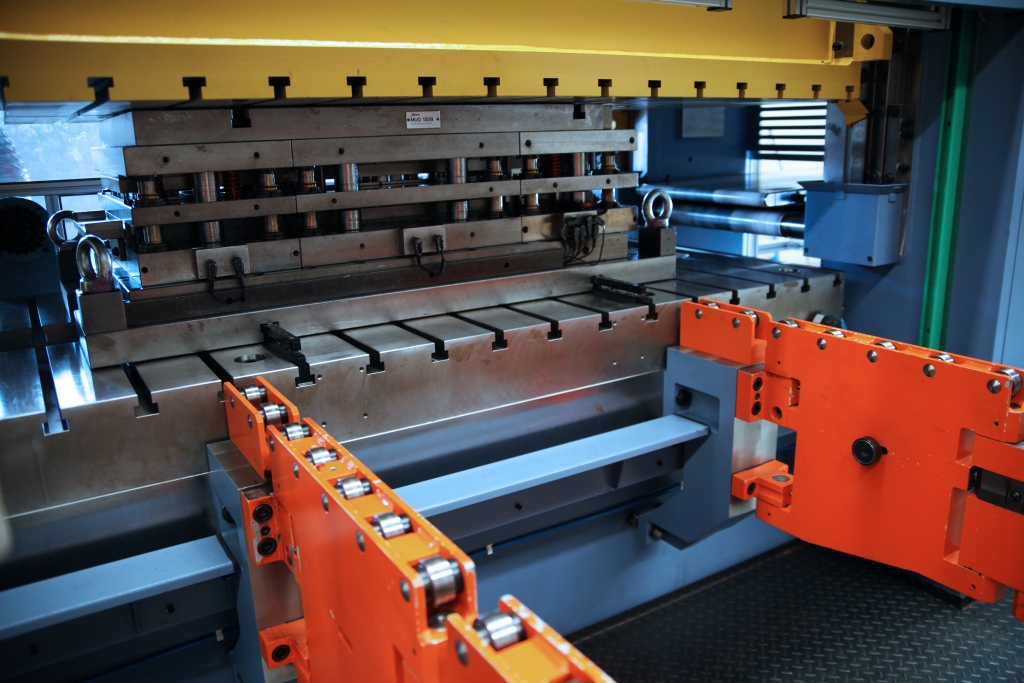
Ensuring steel stamping safety is a critical priority in any metalworking facility. Properly trained operators not only protect themselves and their coworkers but also help maintain productivity and avoid costly incidents. Developing a robust training program is essential for meeting regulatory requirements and fostering a culture of safety on the shop floor.
This article provides a comprehensive guide to how to train operators for steel stamping safety, covering essential topics such as hazard recognition, hands-on instruction, compliance standards, and ongoing evaluation. By following these best practices, manufacturers can reduce risks and ensure their teams are equipped to handle the demands of modern stamping operations.
For those interested in related topics, understanding how to reduce tool wear in heavy gauge stamping can further improve operational efficiency and safety.
Key Elements of Operator Safety Training in Steel Stamping
Effective training programs for stamping operators should be comprehensive, practical, and tailored to the specific risks of the workplace. Here are the fundamental components to include:
- Hazard Identification: Operators must learn to recognize the unique dangers associated with stamping presses, including pinch points, moving dies, and high-pressure systems.
- Machine Operation Procedures: Step-by-step instructions on starting, running, and shutting down presses safely, with emphasis on lockout/tagout (LOTO) protocols.
- Personal Protective Equipment (PPE): Guidance on selecting and using safety gear such as gloves, safety glasses, hearing protection, and steel-toed boots.
- Emergency Response: Training on how to react to equipment malfunctions, injuries, or other emergencies, including the use of emergency stop devices.
- Compliance with Standards: Familiarity with OSHA regulations and company-specific safety policies.
Developing a Structured Training Program
To achieve steel stamping safety compliance, companies should design a structured training program that addresses both new hires and experienced operators. The following steps can help ensure a thorough approach:
- Needs Assessment: Evaluate the specific hazards present in your facility and identify knowledge gaps among staff.
- Curriculum Development: Create training materials that cover all aspects of safe stamping operations, including interactive modules, demonstrations, and written tests.
- Hands-On Instruction: Provide supervised, practical training on actual equipment to reinforce safe practices and build operator confidence.
- Documentation: Keep detailed records of all training sessions, attendance, and assessment results for compliance purposes.
- Periodic Refresher Courses: Schedule regular updates to address new technologies, changes in regulations, or observed safety issues.
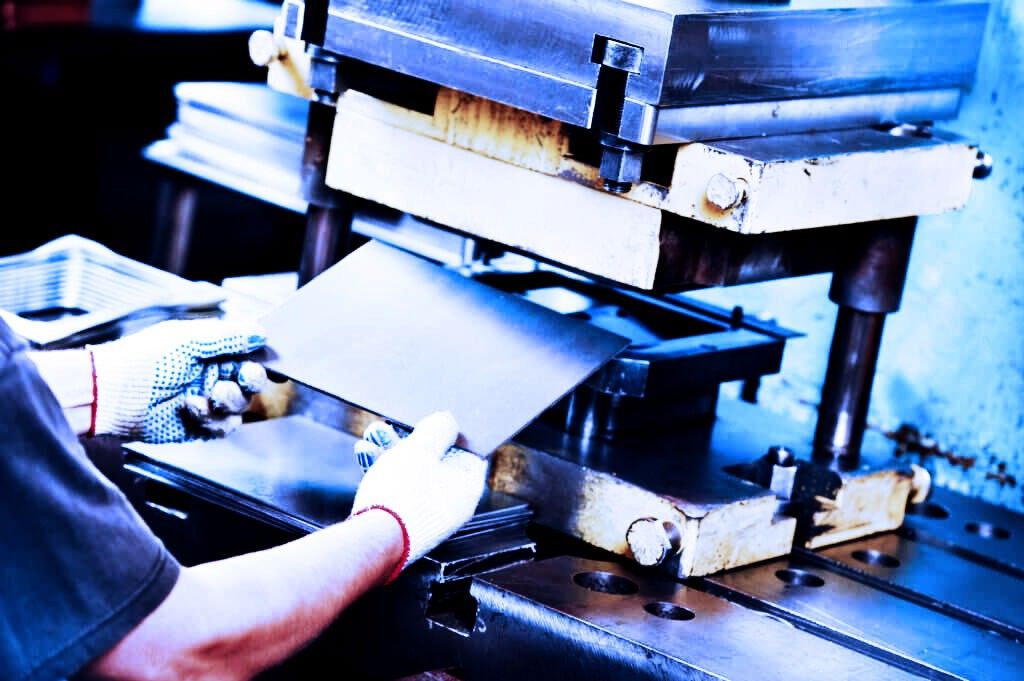
Best Practices for Teaching Steel Stamping Safety Procedures
When instructing operators, it’s important to use a variety of teaching methods to accommodate different learning styles. Here are some best practices:
- Visual Demonstrations: Show proper techniques and highlight common mistakes using real equipment.
- Interactive Learning: Encourage questions, group discussions, and scenario-based exercises to reinforce understanding.
- Mentorship: Pair new operators with experienced staff for on-the-job guidance and feedback.
- Clear Communication: Use simple language and visual aids to explain complex concepts, ensuring everyone understands the expectations.
- Assessment: Test operator knowledge with quizzes or hands-on evaluations before allowing independent machine operation.
Common Hazards in Steel Stamping and How to Address Them
Steel stamping environments present several risks that must be addressed through training:
- Pinch Points and Crush Hazards: Operators must be taught to keep hands clear of dies and moving parts, and to use tools for material positioning whenever possible.
- Flying Debris: Emphasize the importance of wearing eye protection and inspecting dies and materials for defects.
- Noise Exposure: Provide hearing protection and educate workers about the risks of prolonged noise exposure.
- Slips, Trips, and Falls: Maintain clean workspaces and train staff to recognize and report hazards.
- Material Handling: Teach safe lifting techniques and the use of mechanical aids to prevent musculoskeletal injuries.
For more information on safe material handling, see how to handle coil stock for stamping.

Maintaining Compliance and Continuous Improvement
Compliance is not a one-time event but an ongoing process. Companies must stay updated on regulatory changes and continuously evaluate their training effectiveness. Here’s how to keep your program current:
- Regular Audits: Conduct internal reviews of safety practices and documentation.
- Incident Analysis: Investigate all incidents and near-misses to identify root causes and update training accordingly.
- Employee Feedback: Encourage operators to provide input on training content and suggest improvements.
- Stay Informed: Monitor updates from OSHA and industry groups to ensure your program reflects the latest standards.
For a deeper dive into industry standards, review this comprehensive guide to metal stamping safety.
Integrating Quality Control with Safety Training
Quality and safety go hand in hand in stamping operations. Training should include instruction on inspecting finished parts for defects, as poor-quality output can signal unsafe machine conditions or improper setup. Operators should be familiar with inspection techniques, such as those described in how to inspect stamped steel parts for quality, to ensure both product integrity and safe operation.
Additionally, minimizing burrs and sharp edges is crucial for preventing injuries. Operators can benefit from learning about how to minimize burrs in stamped parts to further enhance workplace safety.
Choosing the Right Equipment and Tools
Operator safety is also influenced by the selection and maintenance of equipment. Training should cover:
- Proper Use of Stamping Presses: Understanding the differences between hydraulic and mechanical presses, as outlined in differences between hydraulic and mechanical stamping presses.
- Tool Maintenance: Regular inspection and maintenance of dies, punches, and safety devices to prevent malfunctions.
- Safe Tool Change Procedures: Step-by-step instructions for changing dies and tools without exposing operators to unnecessary risks.
Frequently Asked Questions
- What topics should be included in a steel stamping safety training program?
- Essential topics include hazard identification, machine operation procedures, personal protective equipment, emergency response, and compliance with OSHA and company policies. Hands-on instruction and regular refresher courses are also important.
- How often should operators receive safety training updates?
- Operators should receive refresher training at least annually, or whenever new equipment is introduced, procedures change, or after any incident. Ongoing evaluation and feedback help keep training relevant and effective.
- What are the most common injuries in steel stamping, and how can they be prevented?
- Common injuries include hand and finger injuries from pinch points, eye injuries from flying debris, and hearing loss from noise exposure. Prevention involves proper training, use of PPE, machine guarding, and adherence to safe work practices.