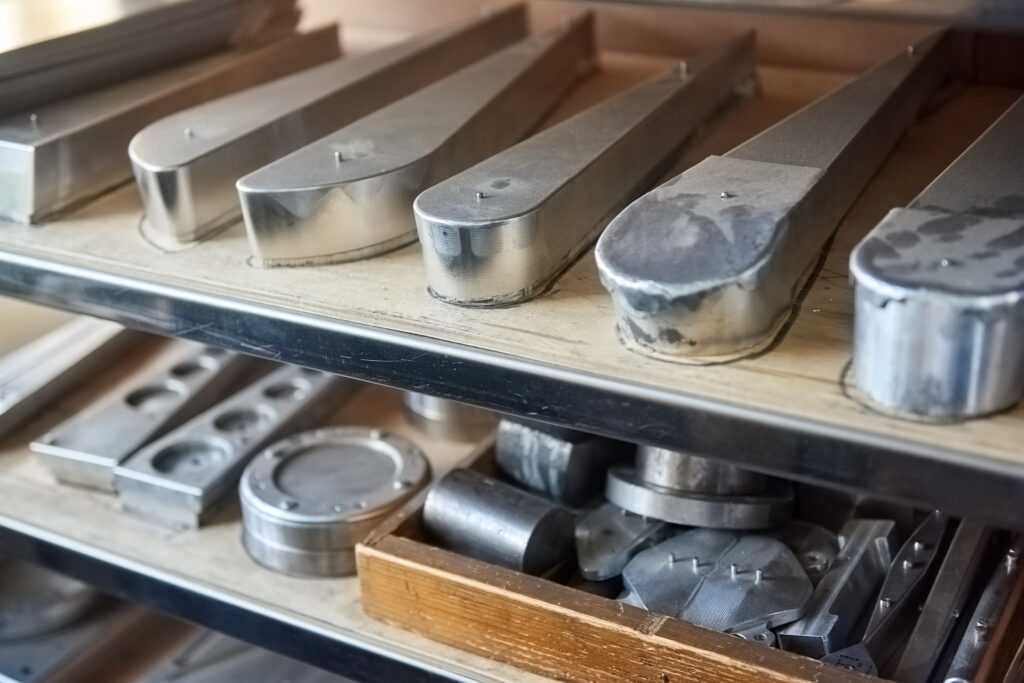
Proper storage of stamping dies is essential for maintaining their precision, extending their lifespan, and ensuring consistent part quality. Whether you manage a large metal stamping operation or a small fabrication shop, understanding how to store stamping dies properly can help prevent costly damage and downtime. This article provides practical steps, expert tips, and key considerations for safeguarding your tooling investment.
In addition to storage best practices, we’ll touch on related topics such as how to reduce tool wear in heavy gauge stamping and highlight resources for further reading. By following these guidelines, you can minimize risks like corrosion, accidental impacts, and misplacement, ensuring your dies are always ready for production.
Why Proper Storage of Stamping Dies Matters
Stamping dies are precision tools that shape, cut, or form metal parts. Even minor damage or contamination can lead to defects, increased wear, or costly repairs. Improper storage exposes dies to risks such as:
- Corrosion from moisture or humidity
- Physical damage from accidental drops or impacts
- Contamination by dust, debris, or oils
- Misplacement or loss of critical components
By implementing a structured storage system, you can protect your dies, streamline workflow, and reduce maintenance costs.
Key Principles for Storing Metal Stamping Dies
To ensure your dies remain in optimal condition, follow these foundational principles:
- Clean Before Storage: Always clean dies thoroughly after use. Remove metal shavings, lubricants, and debris to prevent corrosion and contamination.
- Apply Protective Coatings: Use rust inhibitors or light machine oil on metal surfaces to shield against moisture and oxidation.
- Label and Document: Clearly label each die with identification numbers and maintain a logbook or digital record for easy tracking.
- Use Appropriate Racks or Shelving: Store dies on sturdy, purpose-built racks that support their weight and prevent shifting or falling.
- Control the Environment: Keep storage areas dry, well-ventilated, and at a stable temperature to minimize humidity and condensation.
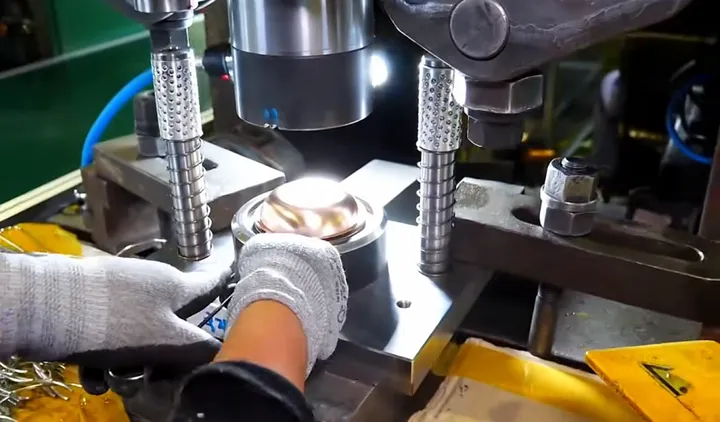
Best Practices for Die Storage and Handling
Implementing a systematic approach to die storage not only prevents damage but also improves efficiency. Here are some actionable tips:
Designate a Dedicated Storage Area
Allocate a specific, secure area for die storage, away from high-traffic zones and sources of vibration. This reduces the risk of accidental impacts and keeps dies organized.
Use Specialized Racks and Supports
Invest in heavy-duty racks or shelving designed to support the weight and shape of your dies. Adjustable shelves, padded supports, and die cradles can help distribute weight evenly and prevent warping.
Maintain a Controlled Environment
Humidity and temperature fluctuations can accelerate corrosion. Use dehumidifiers, climate control, or silica gel packs to keep moisture levels low. Regularly inspect the area for leaks or condensation.
Implement a Clear Labeling and Tracking System
Each die should be labeled with a unique identifier. Use barcodes or RFID tags for digital tracking, and maintain a log of usage, maintenance, and storage location. This helps prevent loss and streamlines retrieval.
Train Staff on Proper Handling
Ensure all personnel are trained in safe lifting, handling, and storage procedures. Use lifting equipment for heavy dies and avoid stacking dies directly on top of each other.
Preventing Common Damage During Storage
Even with proper organization, stamping dies can be vulnerable to specific types of damage. Here’s how to address the most common risks:
- Corrosion: Apply rust-preventive coatings and store dies in a dry environment. Inspect regularly for signs of oxidation.
- Physical Impact: Use padded supports and avoid overcrowding shelves. Never stack dies unless designed for it.
- Contamination: Store dies in covered racks or use dust covers. Clean dies before and after storage.
- Loss of Small Components: Store fasteners, springs, and inserts in labeled containers or attach them securely to the die.
For more on maintaining die quality, see our guide on how to inspect stamped steel parts for quality.

Advanced Storage Solutions for Stamping Dies
For facilities with large inventories or high-value tooling, consider advanced storage options:
- Automated Storage Systems: Vertical lift modules and automated retrieval systems can maximize space and reduce manual handling.
- Climate-Controlled Cabinets: Enclosed cabinets with humidity and temperature controls offer superior protection for sensitive dies.
- Digital Inventory Management: Software solutions can track die location, maintenance history, and usage, reducing the risk of loss or misplacement.
For a deeper dive into die care, the article on best practices for die maintenance and storage provides additional expert insights.
Integrating Storage with Maintenance and Production
Effective die storage is closely linked to maintenance and production planning. By coordinating storage with regular inspections and preventive maintenance, you can identify issues early and avoid unexpected failures. Consider integrating storage protocols with your maintenance schedule, ensuring that every die is cleaned, inspected, and lubricated before being returned to storage.
For those handling coil stock or operating different types of stamping presses, related resources such as how to handle coil stock for stamping and differences between hydraulic and mechanical stamping presses can further enhance your shop’s efficiency and safety.
Frequently Asked Questions
What is the best environment for storing stamping dies?
The ideal environment is dry, clean, and temperature-controlled. Humidity should be kept low to prevent corrosion, and the area should be free from dust and contaminants. Using dehumidifiers or silica gel packs can help maintain optimal conditions.
How often should stamping dies be inspected during storage?
It’s recommended to inspect dies at least once a month while in storage. Check for signs of rust, physical damage, or missing components. Regular inspections help catch issues early and ensure dies are ready for use.
Can stamping dies be stacked during storage?
Dies should generally not be stacked unless specifically designed for it. Stacking can lead to deformation or accidental damage. Always use racks or shelves that support each die individually.
What should be done before returning a die to storage?
Clean the die thoroughly, inspect for wear or damage, apply a protective coating, and update the storage log. Proper preparation before storage extends the die’s lifespan and ensures consistent performance.
Conclusion
Adopting a systematic approach to storing stamping dies is crucial for preventing damage, reducing downtime, and maximizing tool life. By following the best practices outlined above—cleaning, labeling, using proper racks, and maintaining a controlled environment—you can protect your investment and keep your stamping operations running smoothly. For more tips on minimizing defects, see our article on how to minimize burrs in stamped parts.