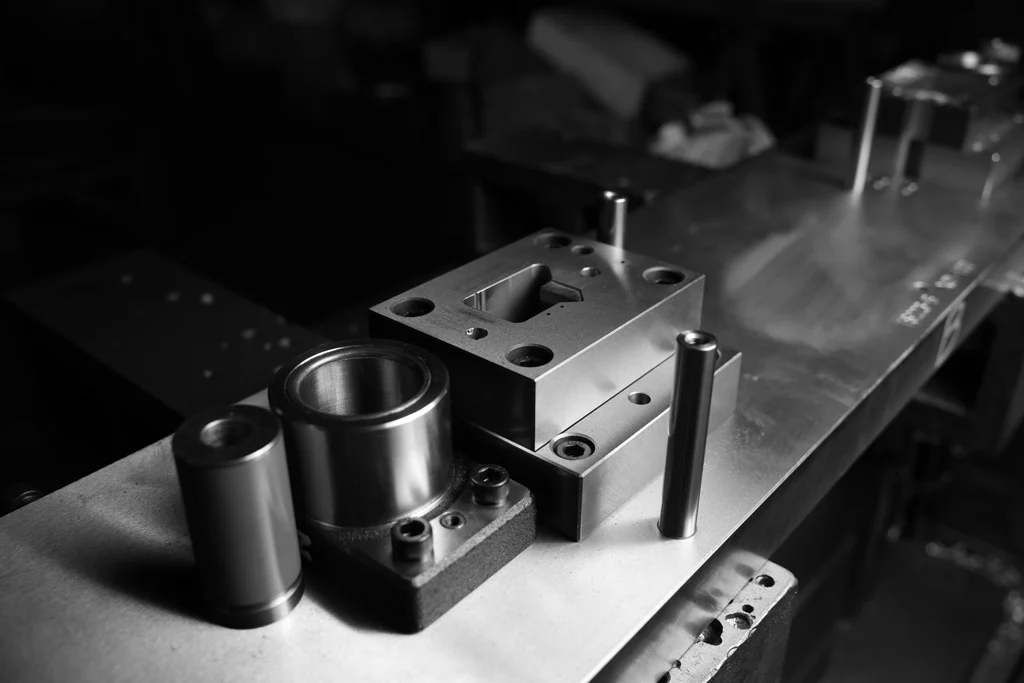
As sustainability becomes a central focus in manufacturing, engineers and designers are seeking ways to make metal stamping processes more environmentally responsible. One of the most effective strategies is to optimize stamping die design for improved recyclability. By considering material selection, part geometry, and downstream recycling processes from the earliest stages, manufacturers can reduce waste, simplify disassembly, and support a circular economy.
This article explores practical approaches and best practices for how to design stamping dies for recyclability. We’ll cover key design principles, material choices, and process adjustments that can make a significant difference in the recyclability of stamped components. Whether you’re developing automotive parts, electronics enclosures, or industrial hardware, these guidelines can help you meet sustainability goals without sacrificing quality or performance.
For those interested in minimizing tool wear while maintaining recyclability, you may also want to review strategies on how to reduce tool wear in heavy gauge stamping. This can help you balance longevity and sustainable practices in your die design process.
Key Principles for Eco-Friendly Stamping Die Design
When developing dies with recycling in mind, a few foundational principles stand out:
- Material purity: Use single-material or easily separable material combinations to simplify recycling.
- Minimized contamination: Avoid coatings, adhesives, or fasteners that complicate material recovery.
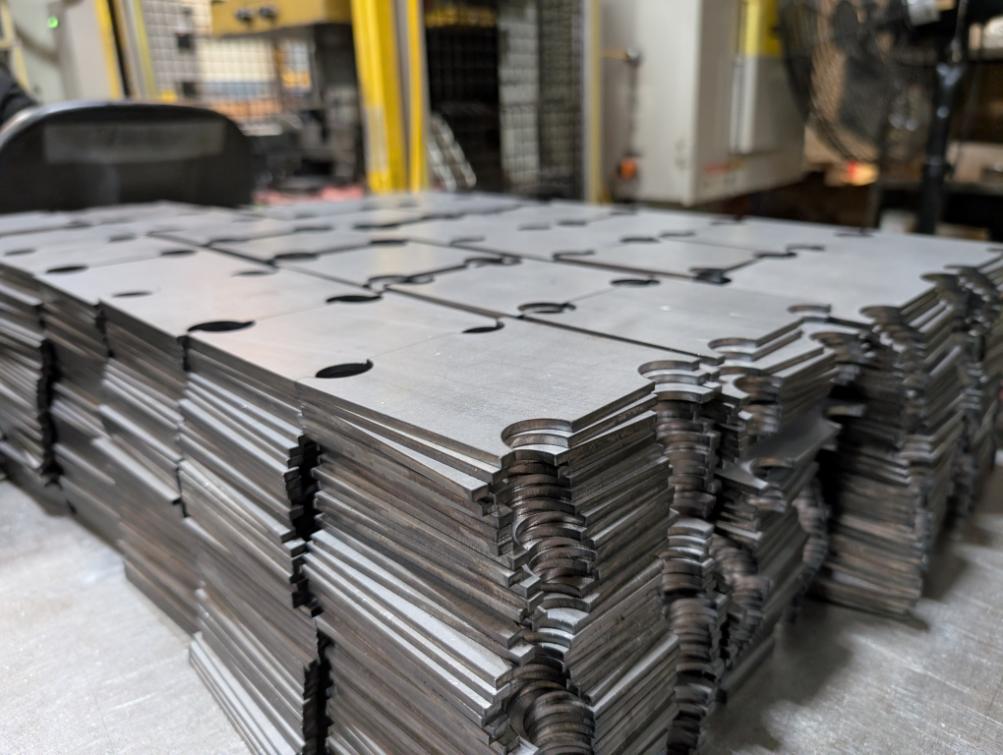
- Efficient scrap management: Design dies to minimize scrap and facilitate easy collection of offcuts for recycling.
- Disassembly and sorting: Enable straightforward separation of components at end-of-life.
By integrating these principles into your process, you can improve the environmental profile of your stamped products and support industry efforts toward closed-loop manufacturing.
Material Selection and Its Impact on Recyclability
Choosing the right materials is a critical step in how to design stamping dies for recyclability. Metals such as steel and aluminum are widely recycled, but their recyclability can be affected by alloying elements, coatings, and contamination. Here are some guidelines:
- Favor widely recycled metals: Standard grades of steel and aluminum are preferred for their high recycling rates.
- Limit mixed materials: Avoid combining metals with plastics, rubber, or other non-metallic inserts unless they can be easily separated.
- Choose recyclable coatings: If surface protection is necessary, opt for coatings that do not hinder recycling, such as water-based paints or easily strippable finishes.
- Document material choices: Clearly specify materials and any treatments on part drawings to aid recyclers.
Material selection not only influences the ease of recycling but can also affect the performance and durability of the stamped part. Balancing these factors is essential for sustainable design.
Optimizing Part Geometry for Recycling
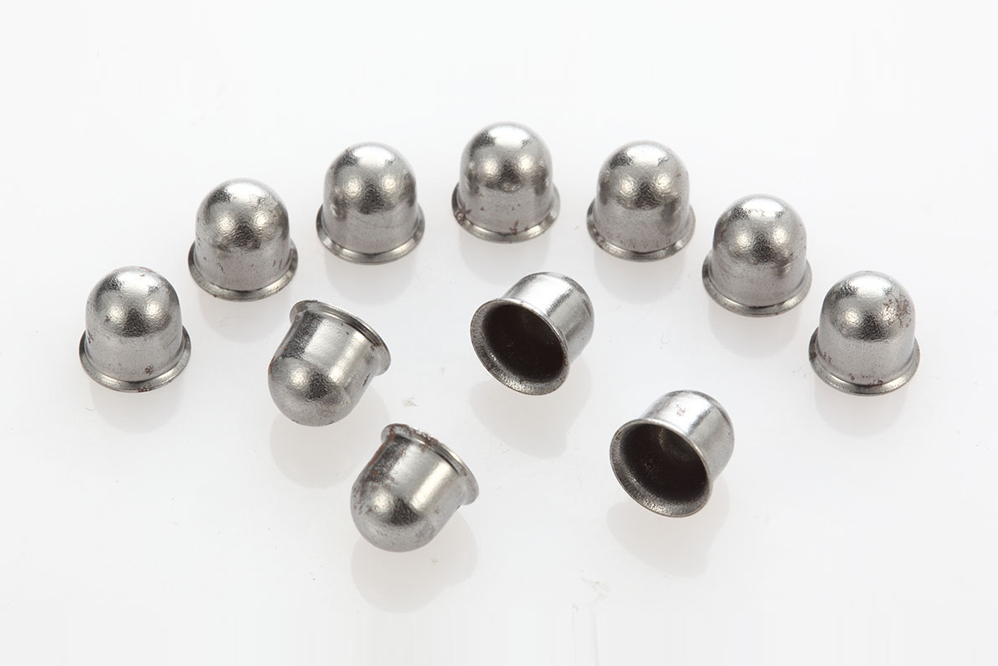
The geometry of a stamped part can significantly influence its recyclability. Here are practical tips for die designers:
- Simplify shapes: Avoid complex bends, deep draws, or features that trap contaminants or make separation difficult.
- Design for easy separation: If multiple materials are required, use mechanical fasteners or snap fits instead of permanent adhesives or welds.
- Minimize small, loose features: Small tabs or intricate cutouts can become mixed with scrap and reduce recycling efficiency.
- Standardize hole patterns and notches: This can facilitate automated sorting and disassembly at end-of-life.
By considering these aspects early in the design process, you can create parts that are both functional and easy to recycle, reducing environmental impact over the product’s lifecycle.
Die Construction Techniques That Support Sustainability
Beyond the part itself, the construction of the die plays a role in sustainable manufacturing. Consider these approaches:
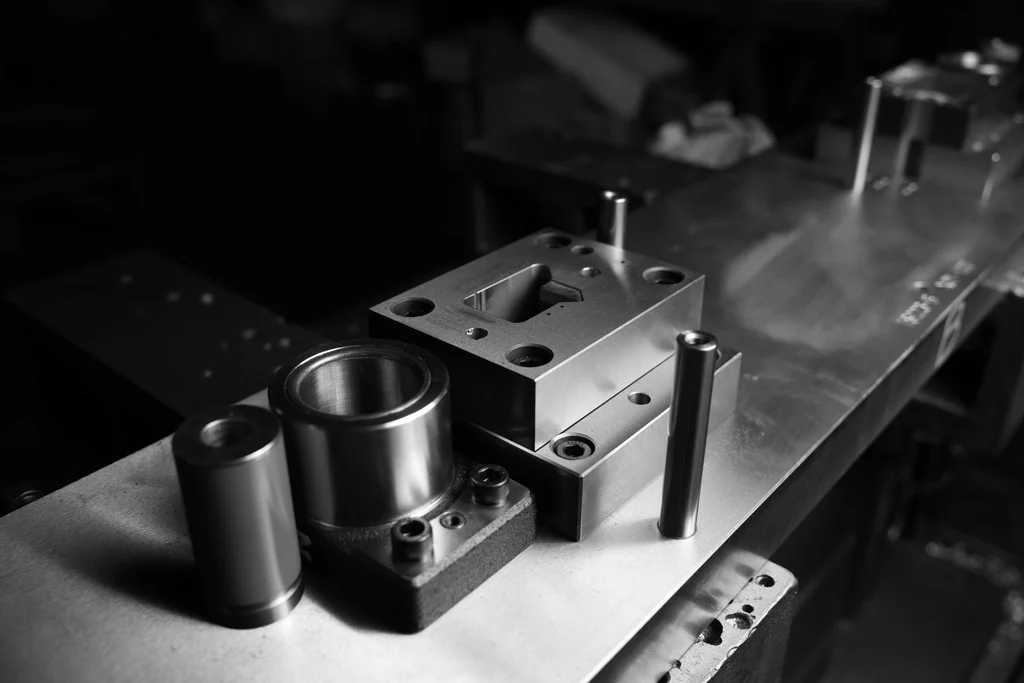
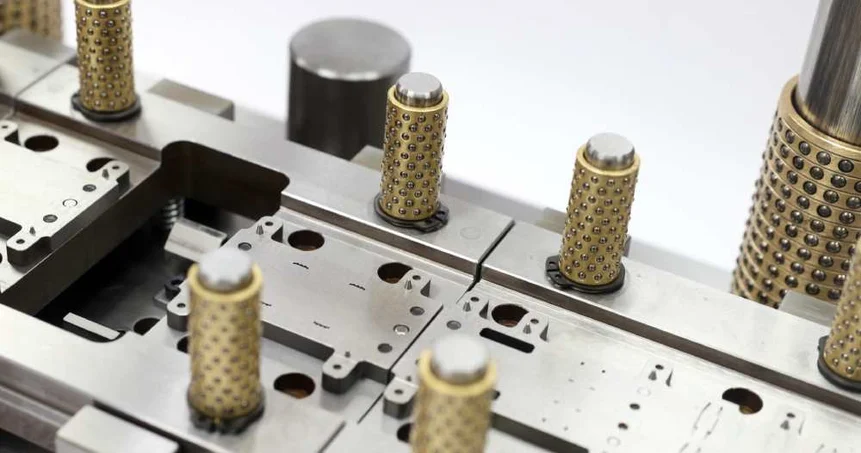
- Modular die components: Use replaceable inserts and standardized components to extend die life and reduce waste.
- Precision alignment: Accurate die alignment minimizes burrs and offcuts, improving both part quality and scrap recyclability. For more on this, see our guide on how to minimize burrs in stamped parts.
- Efficient scrap ejection: Design dies with channels or chutes that direct scrap away from the work area for easy collection and recycling.
- Tool steel selection: Choose durable, recyclable tool steels for die components to further support sustainability goals.
These construction strategies not only improve recyclability but can also lower maintenance costs and downtime over the life of the die.
Process Adjustments for Improved Recycling Outcomes
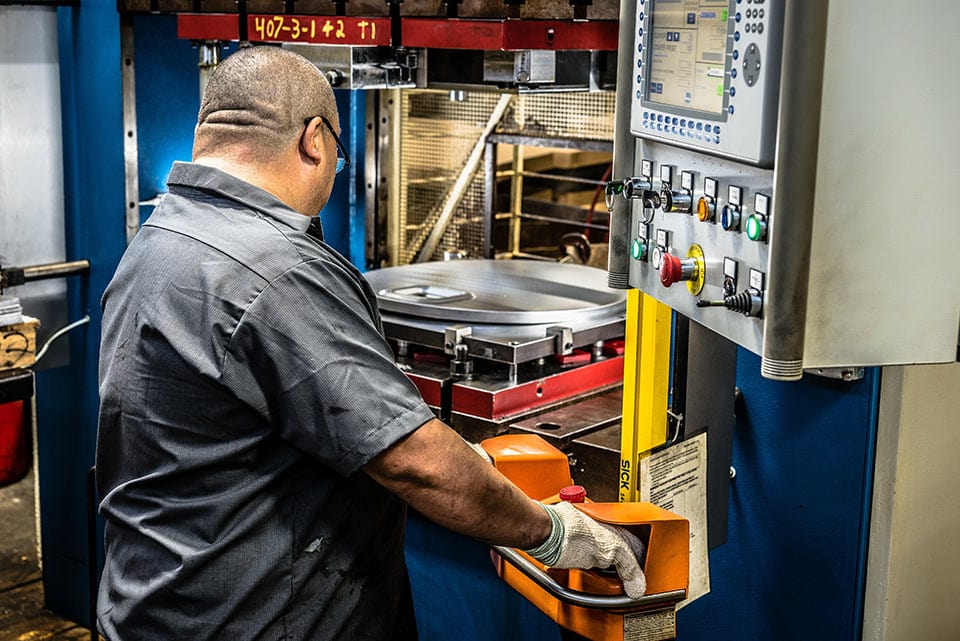
In addition to design and material choices, process adjustments can further enhance recyclability:
- Separate scrap streams: Use die features that segregate different types of scrap for easier recycling.
- Monitor lubrication: Choose environmentally friendly lubricants and apply them sparingly to avoid contaminating scrap.
- Regular maintenance: Keep dies clean and well-maintained to prevent cross-contamination from wear particles or old lubricants.
- Document process parameters: Maintain clear records of materials, coatings, and process steps to assist recyclers and downstream users.
Process optimization not only supports recycling but can also improve overall efficiency and part quality. For more on safe and efficient practices, see these safe practices of a precision metal stamper.
Design Documentation and Communication
Clear documentation is vital for ensuring that recyclability goals are met throughout the product lifecycle. Consider these best practices:
- Include recycling instructions: Add notes on drawings or part documentation that specify disassembly steps or recycling guidelines.
- Label materials: Where possible, mark parts with material codes to aid in sorting and recycling.
- Collaborate with recyclers: Engage with downstream recyclers during the design phase to understand their requirements and constraints.
Effective communication between designers, manufacturers, and recyclers ensures that sustainability objectives are achieved and that valuable materials are recovered efficiently.
Frequently Asked Questions
What materials are easiest to recycle in stamping applications?
Metals such as steel and aluminum are the most commonly recycled materials in stamping. Using single-material parts or alloys with minimal additives simplifies the recycling process. Avoiding coatings or adhesives that are difficult to remove also helps maximize recyclability.
How can die design reduce waste during stamping?
Efficient die design minimizes scrap by optimizing part layout, using nesting strategies, and incorporating features that direct offcuts for easy collection. Modular die components and precision alignment can also extend tool life and reduce the need for frequent replacements.
Does designing for recyclability increase manufacturing costs?
While there may be some initial investment in optimizing designs and processes for recyclability, these changes often lead to long-term savings. Reduced waste disposal costs, improved material recovery, and enhanced brand reputation can offset upfront expenses.
Conclusion
Integrating how to design stamping dies for recyclability into your workflow is a practical way to support sustainability in manufacturing. By focusing on material selection, part geometry, die construction, and process optimization, you can create stamped products that are easier to recycle and better aligned with environmental goals. Clear documentation and collaboration with recyclers further enhance these efforts, ensuring that valuable materials are recovered and reused efficiently. As industry standards evolve, staying proactive in sustainable die design will position your operations for long-term success.