
Maintaining daily safety habits is essential for anyone striving to live independently, especially older adults or those managing health conditions. Building a routine that prioritizes personal safety not only supports confidence but also helps prevent accidents and emergencies. By incorporating simple, effective practices into everyday life, individuals can enjoy greater peace of mind and autonomy.
This article explores practical steps and routines that foster a secure environment at home and in the community. From fall prevention to digital security, these strategies are designed to empower those living on their own. For additional insights on social wellbeing and protective measures, consider reviewing independent living social safety resources.
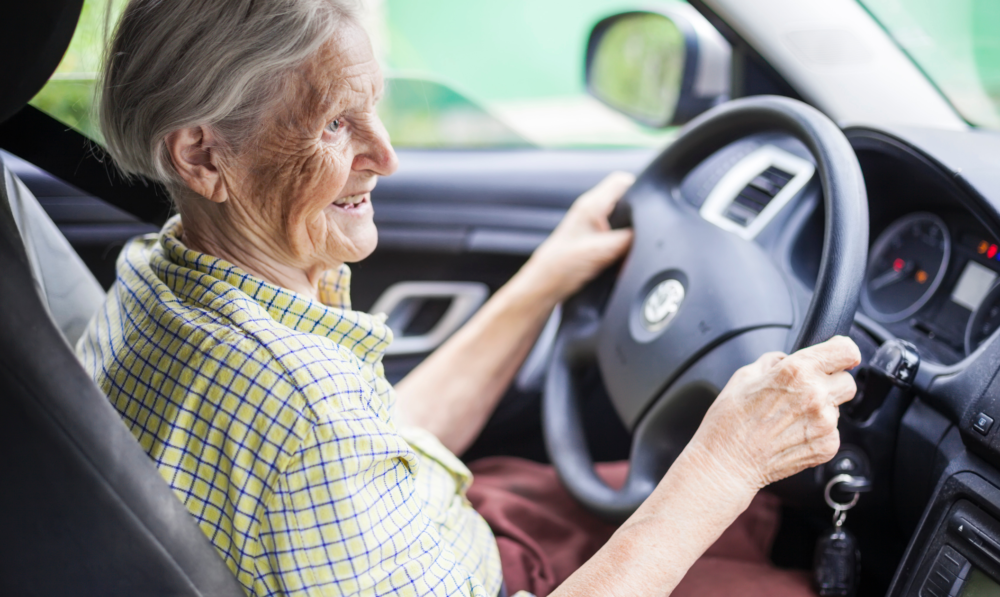
Establishing a Safe Home Environment
Creating a secure living space is the foundation of daily safety habits for those who value independence. Small adjustments can make a significant difference in reducing risks and promoting comfort.
- Clear Walkways: Remove clutter, loose rugs, and electrical cords from pathways to minimize tripping hazards.
- Proper Lighting: Ensure all areas—especially hallways, stairs, and entrances—are well-lit. Consider motion-sensor night lights for nighttime navigation.
- Accessible Essentials: Store frequently used items within easy reach to avoid unnecessary stretching or climbing.
- Secure Bathrooms: Install grab bars in showers and near toilets, and use non-slip mats to prevent falls.
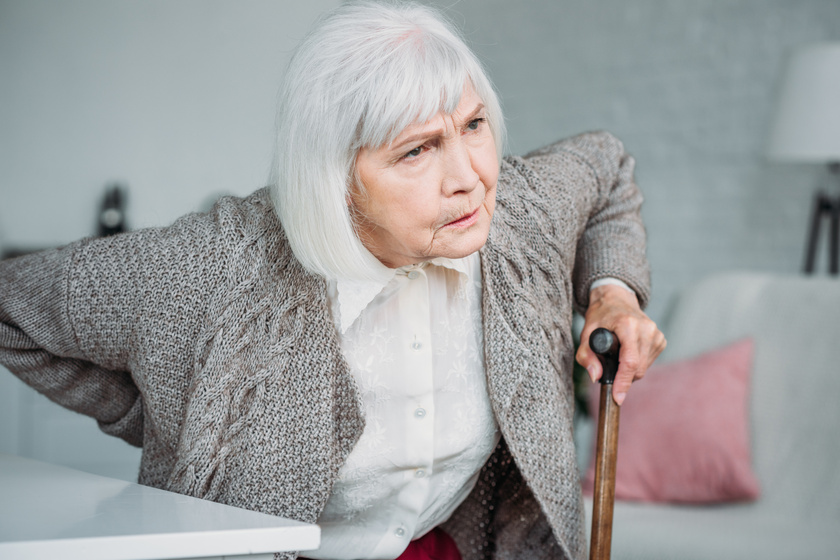
Daily Routines That Promote Safety and Independence
Consistent routines help reinforce independent living safety. By making certain actions habitual, individuals can reduce the likelihood of accidents and respond more effectively to unexpected situations.
- Morning and Evening Checks: Begin and end each day by checking that doors and windows are locked, appliances are turned off, and emergency numbers are easily accessible.
- Medication Management: Use pill organizers or set reminders to take medications as prescribed, and review dosages regularly with a healthcare provider.
- Hydration and Nutrition: Prepare balanced meals and keep water within reach to support overall health and alertness.
- Regular Movement: Incorporate gentle exercises or stretching into the day to maintain mobility and balance.
Fall Prevention Strategies for Everyday Life
Falls are a leading cause of injury among those living alone. Integrating fall prevention into daily habits is a proactive way to stay safe.
- Wear Supportive Footwear: Choose shoes with non-slip soles and avoid walking in socks on smooth floors.
- Use Mobility Aids: Don’t hesitate to use canes, walkers, or handrails as needed.
- Stay Active: Engage in balance and strength exercises, such as tai chi or chair yoga, to improve stability.
- Schedule Vision Checks: Regular eye exams help ensure that vision changes don’t increase fall risk.
Community and Social Safety Practices
Staying connected with neighbors, friends, and local organizations can enhance both safety and quality of life. Establishing a network of support is a key aspect of thriving while living independently.
- Share Schedules: Let a trusted friend or family member know about daily routines or travel plans.
- Participate in Community Programs: Many areas offer check-in services, transportation assistance, or group activities that foster both safety and social engagement. For more on this, see community support independent living.
- Know Emergency Procedures: Familiarize yourself with local emergency contacts and evacuation routes.
Digital and Financial Security for Independent Adults
In today’s world, daily safety habits also extend to protecting personal information and finances. Being vigilant online and with financial transactions is crucial for maintaining independence.
- Use Strong Passwords: Create unique, complex passwords for online accounts and update them regularly.
- Be Cautious with Personal Information: Never share sensitive details over the phone or internet unless you are certain of the recipient’s identity.
- Monitor Accounts: Check bank and credit card statements for unauthorized transactions.
- Stay Informed: Learn about common scams targeting independent adults by reviewing scam prevention independent living resources.
Emergency Preparedness as a Daily Habit
Being ready for emergencies is a vital part of daily safety habits independent living. Preparation reduces anxiety and ensures a swift response if something unexpected happens.
- Keep Emergency Supplies: Maintain a kit with water, non-perishable food, medications, flashlights, and batteries.
- Post Important Numbers: Place emergency contacts, doctor’s numbers, and poison control information in visible locations.
- Practice Drills: Regularly review and practice what to do in case of fire, severe weather, or medical emergencies.
- Wear Medical Alert Devices: Consider wearing a medical alert bracelet or pendant, especially if you have health conditions that may require urgent attention.
Staying Informed and Adapting Safety Routines
Safety routines should evolve as needs and environments change. Staying up to date on best practices and community resources ensures that your approach remains effective.
- Review Habits Regularly: Set aside time each month to assess your routines and make adjustments as necessary.
- Seek Professional Advice: Consult with occupational therapists, healthcare providers, or local agencies for personalized recommendations.
- Educate Yourself: Explore articles and guides, such as these safety tips for senior living, to stay informed about new strategies and technologies.
- Protect Against Identity Theft: Learn more about safeguarding your information by reading identity theft prevention seniors.
FAQ: Building Safe and Independent Routines
What are the most important daily habits for independent living safety?
Key habits include keeping walkways clear, using proper lighting, managing medications, locking doors and windows, and staying connected with trusted contacts. Regularly reviewing these routines helps maintain a secure environment.
How can I prevent falls while living on my own?
Wear supportive shoes, remove tripping hazards, use mobility aids as needed, and schedule regular vision checks. Incorporating balance and strength exercises can also help reduce the risk of falls.
What steps should I take to protect my finances and personal information?
Use strong, unique passwords for online accounts, monitor your financial statements, and be cautious about sharing personal details. Stay informed about common scams and consider reviewing financial safety independent living tips for more guidance.