High-strength low-alloy (HSLA) steels are widely used in automotive, construction, and heavy equipment industries due to their excellent strength-to-weight ratio and enhanced mechanical properties. However, working with these advanced materials presents unique challenges during metal forming operations. Understanding the best practices for stamping high-strength low-alloy steel is essential for manufacturers aiming to achieve consistent quality, minimize tool wear, and maintain production efficiency.
This article explores practical strategies for optimizing stamping processes with HSLA steels. By focusing on material selection, die design, lubrication, and quality control, manufacturers can overcome common obstacles and produce reliable components. For those interested in minimizing tool wear, you may also find value in our resource on how to reduce tool wear in heavy gauge stamping.
Understanding HSLA Steel and Its Forming Challenges
HSLA steels are engineered to provide superior strength while maintaining good ductility and weldability. Their microstructure is carefully controlled through alloying elements such as niobium, vanadium, and titanium. While these properties make HSLA steels attractive for lightweight, high-performance applications, they also increase the material’s resistance to deformation during stamping.
Compared to conventional carbon steels, HSLA grades exhibit higher yield and tensile strengths, which can lead to increased springback, greater tool wear, and a higher risk of defects like cracking or edge burrs. To address these issues, manufacturers must adapt their processes and tooling to the specific requirements of HSLA materials.
Material Preparation and Handling for Optimal Results
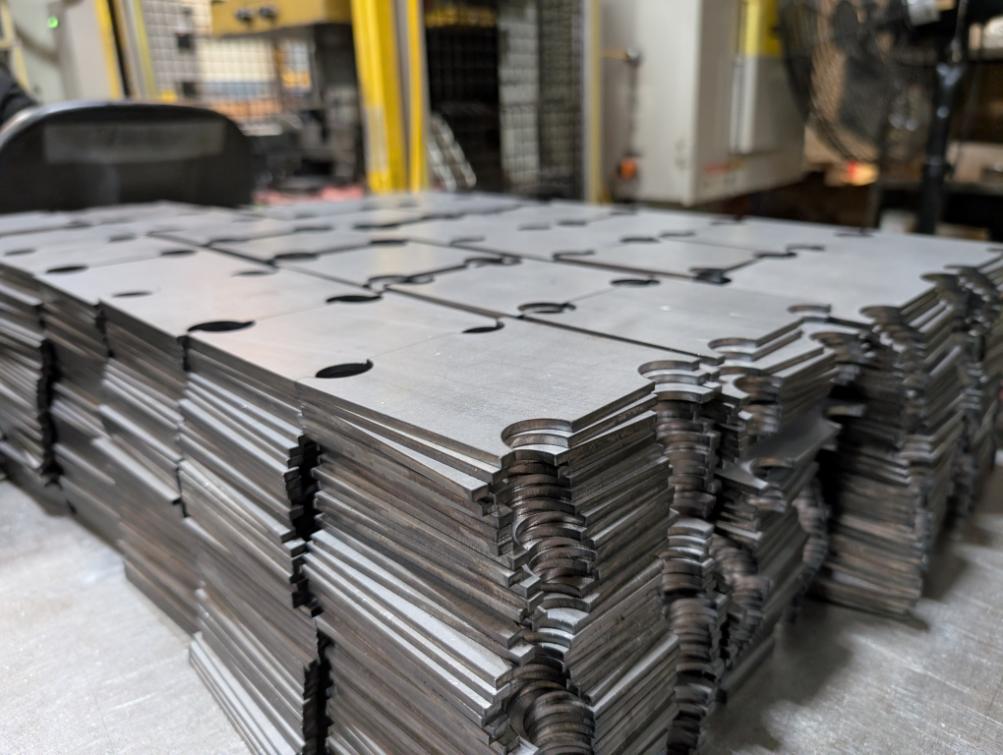
Proper preparation of HSLA steel is a foundational step in achieving high-quality stamped parts. Material cleanliness, flatness, and consistent thickness are critical factors. Any surface contamination or irregularity can cause premature tool wear or defects in the finished product.
- Material Certification: Always verify that incoming coils or sheets meet the specified mechanical properties and chemical composition.
- Surface Treatment: Remove mill scale, rust, and oils before stamping to prevent die damage and ensure uniform forming.
- Flatness Control: Use leveling equipment to minimize coil set and waviness, which can affect dimensional accuracy.
For more on safe and efficient handling, refer to our article on how to handle coil stock for stamping.
Die Design Strategies for HSLA Stamping
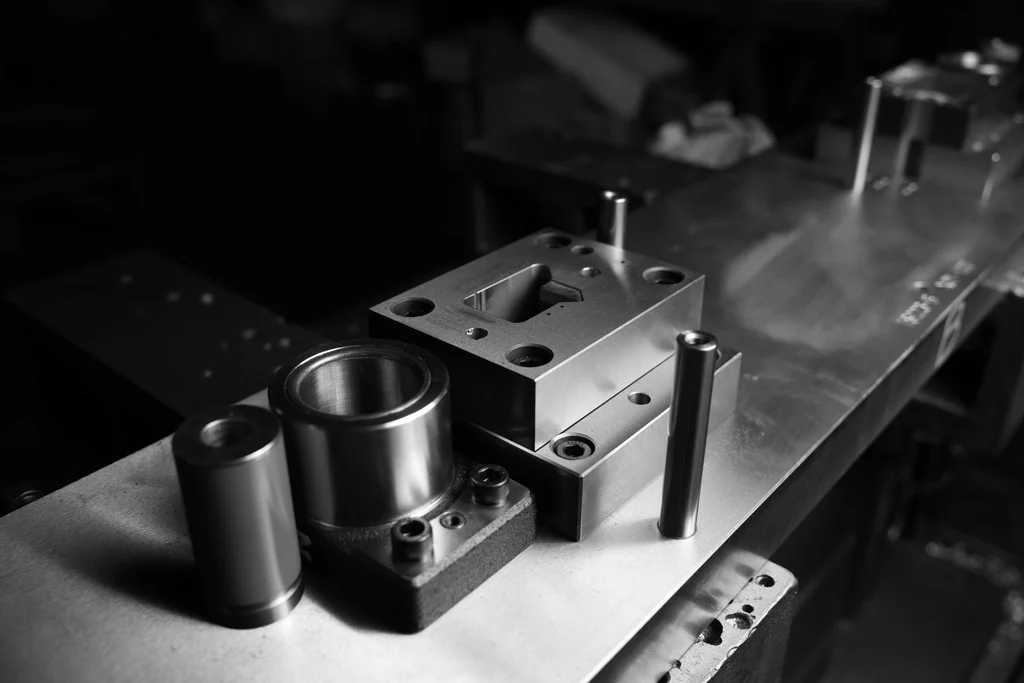
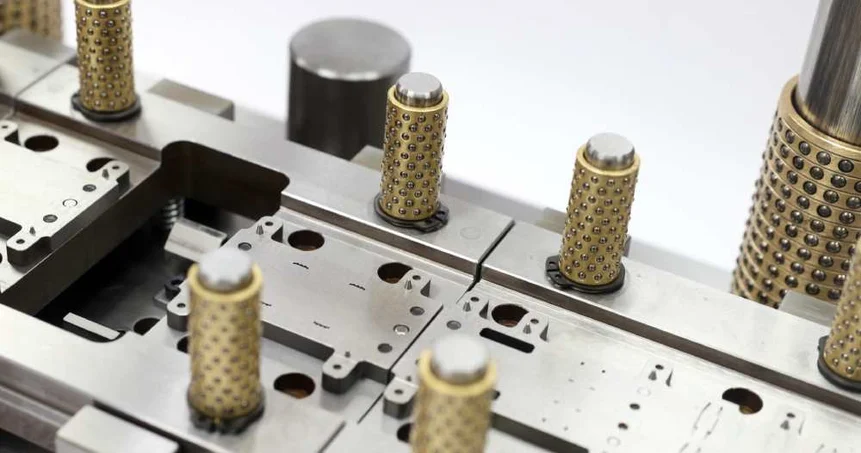
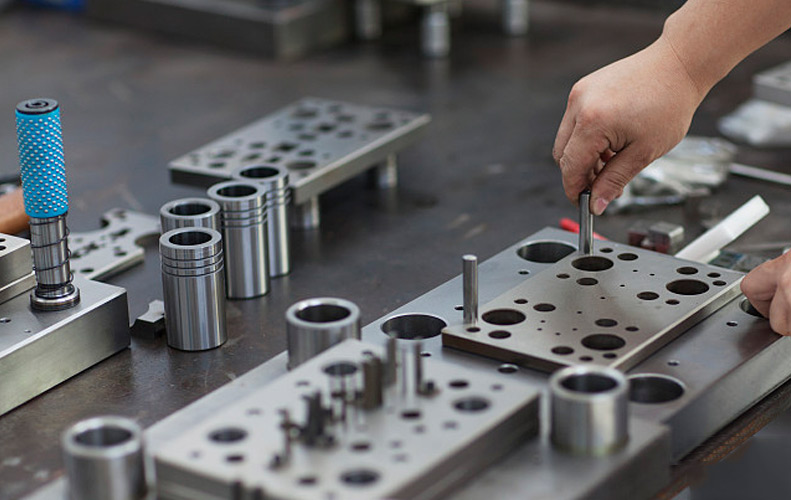
Tooling plays a pivotal role in the successful forming of HSLA steels. The increased strength of these materials demands robust die design and careful attention to detail. Here are some key considerations:
- Die Material Selection: Opt for high-quality tool steels with superior wear resistance, such as D2 or powdered metal alloys.
- Die Geometry: Incorporate generous radii and smooth transitions to reduce localized stress and prevent cracking.
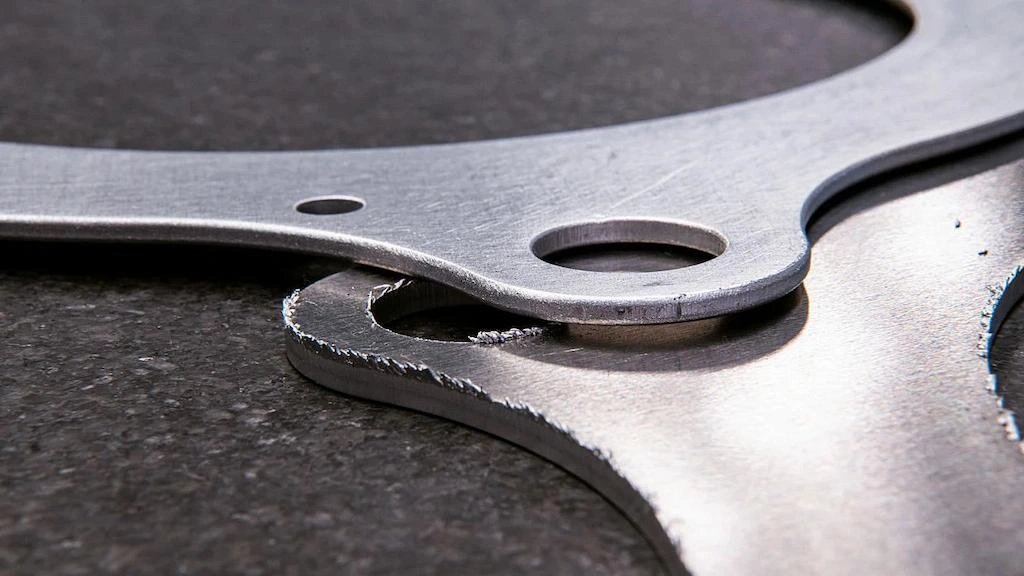
- Clearance Optimization: Adjust punch-to-die clearances to accommodate the higher springback and prevent excessive burr formation.
- Coatings and Surface Treatments: Apply PVD or CVD coatings to reduce friction and extend tool life.
Proper die maintenance and regular inspection are also crucial for maintaining part quality and minimizing downtime.
Process Adjustments and Press Setup
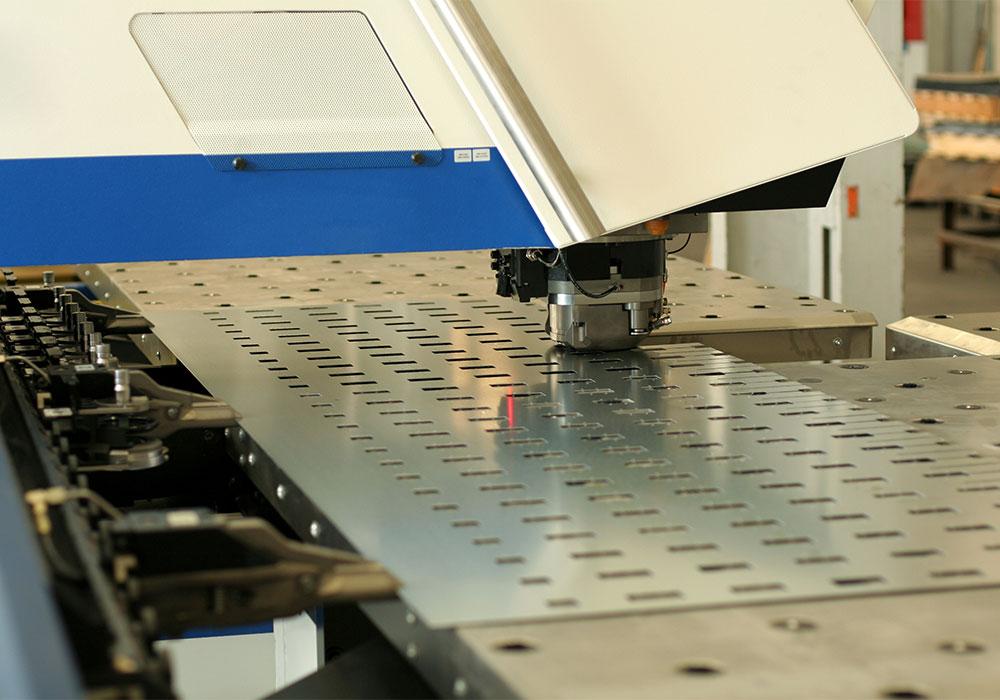
Adapting the stamping process for HSLA steels involves more than just robust tooling. Press selection, stroke speed, and lubrication all influence the outcome:
- Press Selection: Hydraulic presses offer better control over forming speed and force, which can be advantageous when working with high-strength materials. For a deeper comparison, see our guide on the differences between hydraulic and mechanical stamping presses.
- Lubrication: Use high-performance lubricants specifically formulated for HSLA steels to reduce friction, prevent galling, and improve part ejection.
- Stroke Speed: Slower forming speeds can help reduce the risk of cracking and improve dimensional accuracy.
- Blank Holder Force: Adjust blank holder pressure to balance material flow and avoid wrinkling or tearing.
Regularly monitor and adjust process parameters to account for material lot variations and tool wear.
Quality Control and Defect Prevention
Maintaining high standards of quality is essential when stamping HSLA components. Common defects include burrs, cracks, dimensional inaccuracies, and surface imperfections. Implementing robust inspection protocols and preventive measures can help minimize scrap rates and rework.
- Edge Quality: Optimize cutting clearances and use sharp tooling to minimize burr formation. For more tips, see our article on how to minimize burrs in stamped parts.
- Dimensional Inspection: Use coordinate measuring machines (CMM) or optical scanners to verify part geometry.
- Surface Inspection: Check for cracks, scratches, and other surface defects that may compromise part performance.
Consistent documentation and root cause analysis of defects enable continuous improvement in the stamping process. For a comprehensive approach to quality, review our guide on how to inspect stamped steel parts for quality.
Operator Training and Safety Considerations
Working with HSLA steels requires a skilled workforce familiar with the nuances of advanced stamping operations. Comprehensive training should cover:
- Material properties and their impact on forming behavior
- Proper die setup and maintenance procedures
- Safe handling of heavy coils and stamped parts
- Recognition and reporting of defects
Safety is paramount in any stamping operation. For insights on maintaining a safe production environment, consult this guide to ensuring safety in steel stamping parts production.
Continuous Improvement and Process Optimization
Manufacturers should adopt a culture of continuous improvement to stay competitive and meet evolving customer demands. Regularly review process data, solicit feedback from operators, and invest in new technologies such as simulation software or advanced die materials. By staying proactive, it’s possible to further enhance efficiency, reduce costs, and maintain the highest standards of quality when working with HSLA steels.
Frequently Asked Questions
What are the main challenges when stamping HSLA steel?
HSLA steels are stronger and less ductile than traditional carbon steels, making them more prone to springback, tool wear, and defects like cracking or burrs. Addressing these challenges requires robust tooling, precise process control, and specialized lubricants.
How can tool life be extended when working with high-strength low-alloy materials?
To maximize tool life, use high-quality tool steels, apply wear-resistant coatings, maintain optimal die clearances, and ensure regular die maintenance. Proper lubrication and material preparation also play significant roles in reducing wear.
Why is lubrication important in HSLA stamping?
Lubrication minimizes friction between the die and the workpiece, reducing the risk of galling, tool wear, and part defects. Specialized lubricants designed for high-strength steels are recommended for best results.