
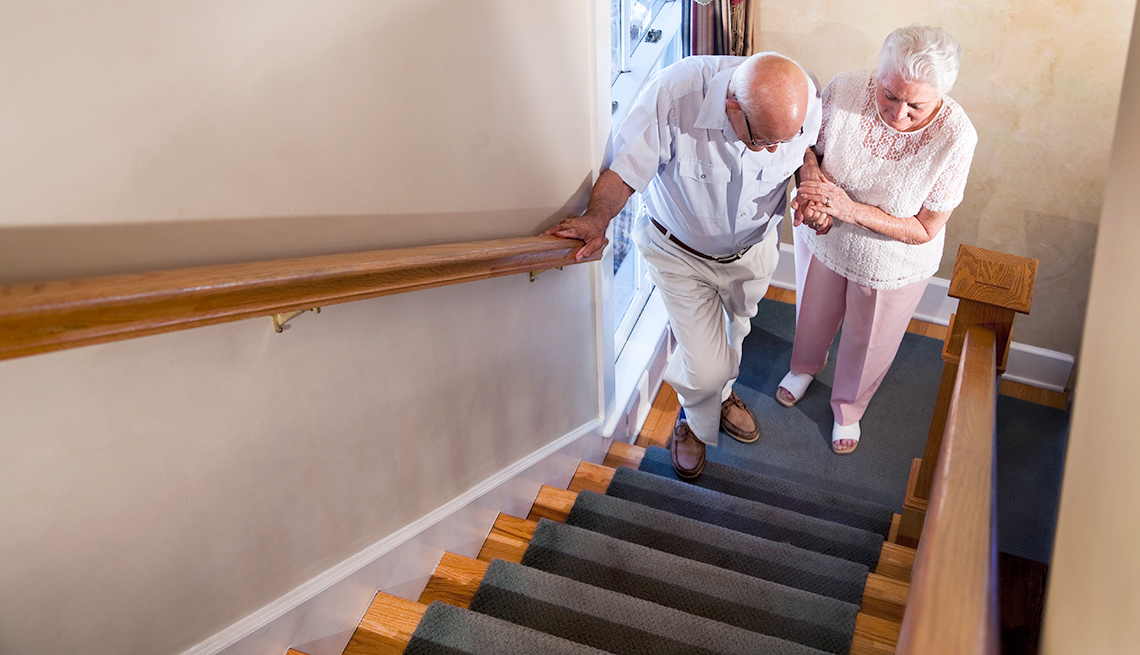
Ensuring the safety of elderly loved ones is a priority for every family caregiver. One crucial aspect of safety is having a well-thought-out fire escape plan for seniors. This plan is vital because seniors may face mobility challenges or health issues that make quick evacuation difficult. In this article, we will discuss how to create an effective escape plan tailored to seniors needs, ensuring their safety and peace of mind.

Why is a Fire Escape Plan Essential?
Creating a fire escape plan for seniors is essential because it provides a clear, structured response during a fire emergency. Seniors often have reduced mobility, slower reaction times, and may be more prone to confusion in stressful situations. A well-prepared plan can mitigate these challenges by offering clear instructions and ensuring everyone knows their role.
Understanding the Unique Needs of Seniors
Seniors may have specific needs that must be considered when crafting a fire escape plan. These may include mobility aids such as walkers or wheelchairs, hearing or visual impairments, and the need for regular medication. Understanding these needs is the first step in designing a plan that works.
Assessing Mobility and Health Requirements
Before creating a plan, assess the seniors mobility and health requirements. Determine if they need assistance or special equipment during evacuation. This assessment helps in tailoring the escape plan to their specific needs, making the process smoother and safer.
Communication is Key
Effective communication is crucial when implementing a fire escape plan for seniors. Make sure everyone, including the seniors, understands the plan. Regularly review and practice the plan with them to ensure they are familiar with the steps and feel confident in executing them during an emergency.
Creating a Comprehensive Fire Escape Plan
A comprehensive escape plan involves several key components, including identifying exits, practicing the plan, and ensuring safety measures are in place. Heres a detailed breakdown of each component:
Identify and Mark All Exits
Identify all possible exits in the home, including windows and doors. Clearly mark these exits and ensure they are easily accessible. In some cases, you might need to make home renovations to improve accessibility, such as installing ramps or widening doorways. For more tips, visit home renovation tips.
Designate a Meeting Place
Choose a safe meeting place outside the home where everyone can gather after evacuating. This helps ensure everyone is accounted for and safe. Make sure this location is accessible for seniors and doesnt require them to cross busy streets or navigate difficult terrain.
Practice Regularly
Regular practice is crucial for the success of any fire escape plan for seniors. Conduct fire drills at least twice a year to ensure everyone knows what to do and can evacuate quickly and safely. During these drills, simulate different scenarios to better prepare for any situation.
Install and Maintain Safety Equipment
Having the right safety equipment can save lives. Ensure smoke detectors are installed on every level of the home and are in working condition. Consider installing fire extinguishers and teaching everyone how to use them. For more on safety equipment, check out Alexa for elderly home safety.
Engaging Professional Help
Sometimes, it might be necessary to engage professional help to create a fire escape plan for seniors. Fire safety experts can provide valuable insights and recommendations to ensure the plan is comprehensive and effective. They can also help conduct safety audits to identify potential hazards in the home.
Local Fire Departments
Many local fire departments offer resources and support for creating fire escape plans. They might offer free home safety checks or host community workshops on fire safety. Engaging with these resources can enhance your plan and provide peace of mind.
Home Safety Services
Consider hiring home safety services to assess and upgrade the safety features of your home. They can install necessary equipment, provide training on its use, and ensure compliance with local safety regulations. Learn more about ensuring a safe home environment at this guide.
Incorporating Technology
Technology can play a crucial role in enhancing the effectiveness of a fire escape plan for seniors. From smoke detectors that send alerts to smartphones to voice-activated devices that can assist in emergencies, technology can provide an additional layer of safety.
Smart Home Devices
Smart home devices can assist in monitoring and responding to fire emergencies. Devices like smart smoke detectors and voice-activated systems can alert seniors and caregivers to potential dangers. For more on using technology, explore voice-activated devices for seniors.
Emergency Alert Systems
Consider installing emergency alert systems that seniors can use to notify caregivers or emergency services in case of a fire. These systems can be wearable or installed in the home, providing an easy way for seniors to call for help.
Conclusion
Creating a fire escape plan for seniors is a critical step in ensuring the safety and well-being of elderly loved ones. By understanding their unique needs, engaging professional help, and incorporating technology, you can create a plan that provides peace of mind and ensures quick, safe evacuations during emergencies. Remember, regular practice and communication are key to a successful plan. For additional tips on home safety, visit this resource.
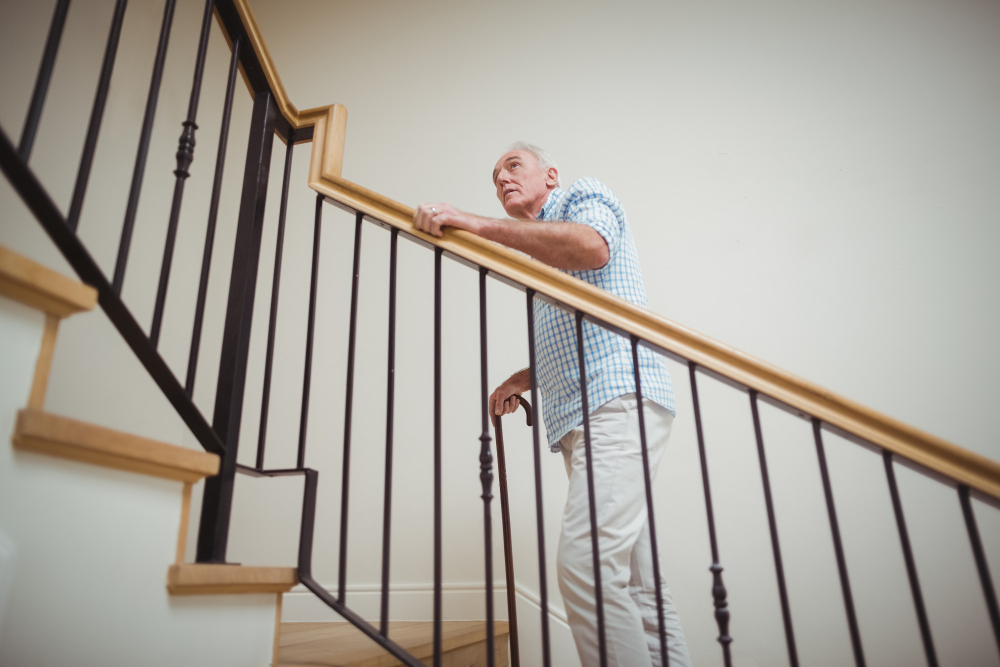
FAQ Section
What should be included in a fire escape plan for seniors?
A comprehensive fire escape plan for seniors should include clear exit routes, a designated meeting place, and instructions on using safety equipment. It should also consider the unique mobility and health needs of the seniors involved.
How often should fire drills be conducted?
Fire drills should be conducted at least twice a year to ensure everyone is familiar with the escape plan and can evacuate quickly and safely in an emergency.
What role does technology play in fire safety for seniors?
Technology can enhance fire safety by providing early alerts through smart devices, offering easy communication tools for emergencies, and assisting in monitoring home safety. These tools can be particularly beneficial for seniors with mobility or health challenges.
This article contains affiliate links. We may earn a commission at no extra cost to you.