Feeling safe at home is essential for everyone, but it becomes especially important as we age. For older adults, the right security system can bring peace of mind, help prevent break-ins, and even support medical emergencies. However, choosing and setting up a system can feel overwhelming. This guide explores what makes home security system installation for seniors unique, the features to look for, cost factors, and how to decide between professional and DIY options—all with a focus on safety and ease of use.

Key Features That Make Security Systems Senior-Friendly
Not all security systems are created equal, and some are much better suited to the needs of older adults. When considering a system, it’s important to look for features that enhance both safety and usability. According to expert reviews, providers like ADT, SimpliSafe, and Vivint offer options specifically designed for seniors.
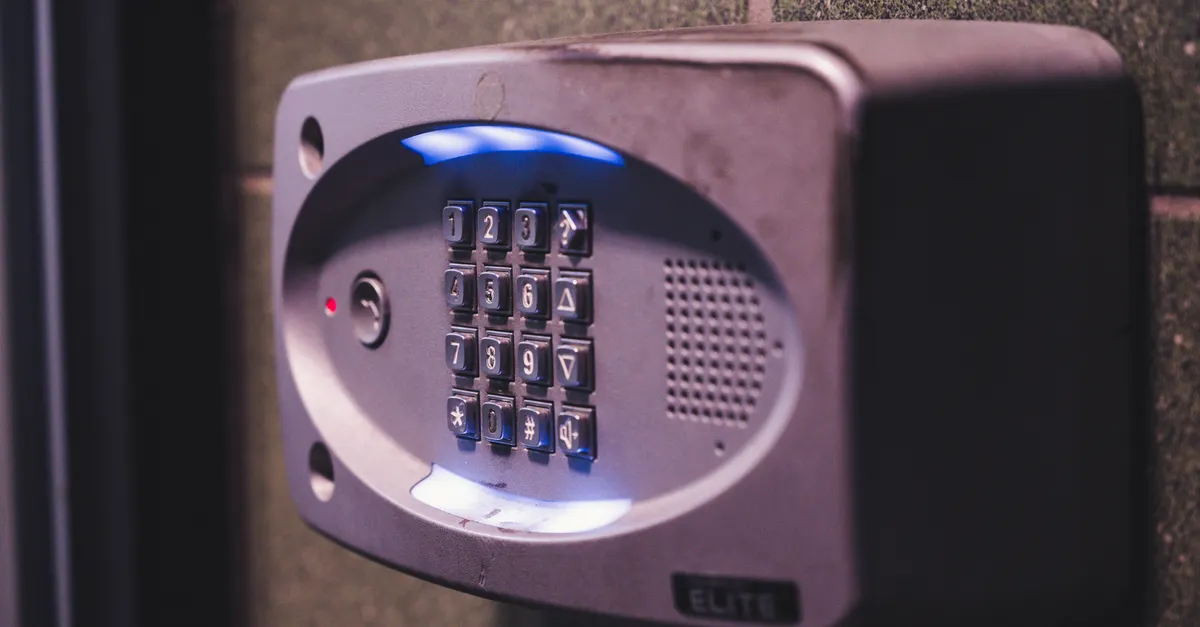
- Simple Controls: Large buttons, clear displays, and voice control make it easier for those with vision or dexterity challenges to operate the system. For example, ADT offers voice-activated controls that reduce the need for complex keypads.
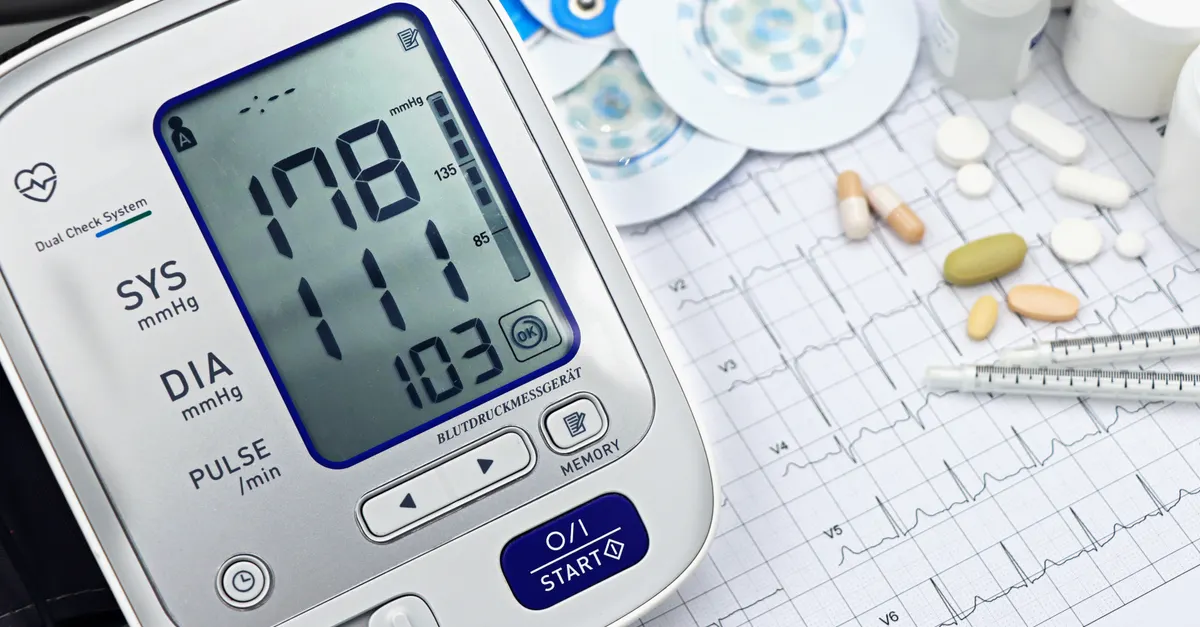
- Medical Alert Integration: Some systems include or can be paired with medical alert pendants or panic buttons. ADT, for instance, provides monitoring for medical emergencies, allowing seniors to get help quickly if needed.
- Professional Monitoring: 24/7 monitoring ensures that help is available at any hour, whether for a break-in, fire, or medical event.
- Easy-to-Use Mobile Apps: Many systems now offer smartphone apps with straightforward interfaces, so family members can check in or receive alerts remotely.
- Automatic Alerts: Systems that send notifications for doors or windows left open, or for unusual activity, can be especially helpful for those with memory concerns.
When evaluating options, look for providers that specifically mention senior-friendly features and support. For a deeper dive into specific brands and their offerings, you can check out best home security systems for seniors for detailed comparisons.
Understanding Costs and Discounts for Older Adults
Budget is a major consideration for many seniors. The cost of a security system can vary widely based on the type of equipment, level of monitoring, and installation method. While some systems require a larger upfront investment, others offer monthly payment plans or leasing options.
- Equipment Costs: These may include sensors, cameras, control panels, and optional accessories like smart locks or panic buttons.
- Installation Fees: Professional installation can add to the cost but may be worthwhile for those who prefer not to handle setup themselves.
- Monthly Monitoring: Ongoing monitoring services typically range from basic to premium, with prices reflecting the level of support and features.
There are also ways to save. For example, AARP members can access discounts on ADT home security packages, making professional options more affordable. Always ask providers about senior discounts or special offers, as these can significantly reduce the total cost.
Wireless vs. Wired Security Systems: Which Is Better for Seniors?
One of the biggest decisions is whether to choose a wireless security system or a traditional wired setup. Each has its own strengths and challenges, especially for older adults.
Wireless Systems
- Generally easier to install, often requiring little to no drilling or wiring.
- Portable—can be moved if you change residences.
- Battery-powered components mean fewer concerns about power outages, but batteries must be checked and replaced periodically.
- May rely on Wi-Fi, so a stable internet connection is important.
Wired Systems
- Typically more permanent and less susceptible to wireless interference.
- Installation is more complex, often requiring professional help and possibly drilling into walls.
- Usually powered by the home’s electrical system, so no batteries to replace, but may be affected by power outages unless there’s a backup.
For many seniors, wireless systems are preferable due to their ease of setup and flexibility. However, those living in areas with unreliable internet or who want a more permanent solution may still opt for a wired system. Consider your comfort with technology, physical abilities, and living situation when making this choice.
- Simple installation, often DIY-friendly
- Easy to expand or move
- No need for drilling or complex wiring
Cons of Wireless Systems:
- Requires battery maintenance
- May be vulnerable to Wi-Fi disruptions
Pros of Wired Systems:
- Stable connection, less interference
- No batteries to manage
Cons of Wired Systems:
- Professional installation often required
- Not easily moved or expanded
Professional Installation vs. DIY: What’s Safer for Seniors?
When it comes to home security system installation for seniors, safety and simplicity should be top priorities. While many modern systems advertise DIY setup, it’s important to weigh the risks and benefits before deciding.
Professional Installation
- Technicians handle all setup, ensuring devices are properly placed and connected.
- Reduces the risk of injury from climbing ladders, handling tools, or dealing with electrical components.
- Includes a walkthrough of system features and training on how to use them.
DIY Installation
- Can save money on installation fees.
- May be suitable for those comfortable with basic tools and technology.
- Risks include incorrect setup, missed steps, and potential physical strain.
For seniors with mobility or health concerns, professional installation is usually the safest choice. If you’re considering DIY, ask a trusted family member or friend to assist, and always follow the manufacturer’s safety guidelines. Never attempt tasks that require climbing, heavy lifting, or complex wiring if you’re not fully comfortable.
How to Choose and Safely Set Up a Security System
Selecting the right system involves several steps, but focusing on safety and support makes the process manageable. Here’s a practical approach for seniors:
- Assess Your Needs: Consider the size of your home, whether you live alone, and any specific health concerns. Do you need window sensors, cameras, or medical alert integration?
- Research Senior-Friendly Options: Look for systems with easy controls, clear instructions, and responsive customer support. Reviews from trusted sources can help narrow your choices.
- Compare Costs and Discounts: Request quotes from multiple providers. Ask about senior discounts, AARP offers, and any available promotions.
- Decide on Installation Method: If you have any doubts about your ability to install the system safely, opt for professional installation. Confirm that the provider’s technicians are experienced in working with older adults.
- Prepare for Installation: If you choose DIY, read all instructions thoroughly. Have a friend or family member assist, especially with tasks that involve ladders or electrical work. For professional installs, clear the areas where equipment will be placed and ask the technician to explain the system’s operation.
- Test the System: After installation, test all components—door sensors, alarms, cameras, and medical alert features. Make sure you understand how to arm/disarm the system and how to contact support.
- Maintain Your System: Regularly check batteries, update software, and review emergency contacts. Schedule periodic check-ins with your provider to ensure everything is working properly.
Remember, the goal is to enhance safety without adding stress. If you ever feel unsure, don’t hesitate to seek professional help.

Conclusion: Making Security Simple and Safe for Seniors
Choosing and installing a security system is a significant step toward maintaining independence and peace of mind. For older adults, the best systems combine user-friendly features, reliable monitoring, and strong support—without unnecessary complexity. Whether you select a wireless or wired system, prioritize safety during installation and ongoing use. Take advantage of available discounts, and don’t hesitate to ask for professional assistance if needed. With the right approach, home security can be both effective and easy to manage at any age.
Frequently Asked Questions
What are the main risks of installing a security system as a senior?
The main risks include physical injury from climbing or handling heavy equipment, electrical hazards, and the possibility of incorrect setup leading to system failure. To minimize these risks, consider professional installation or ask for help from someone you trust.
Can home security systems help in medical emergencies?
Yes, many systems offer medical alert integration, such as panic buttons or wearable pendants. These features connect directly to monitoring centers, ensuring help can be dispatched quickly in case of a fall or health emergency.
How can I make sure my security system is easy to use?
Choose a system with large, clearly labeled buttons, voice control, and simple mobile apps. Ask the provider for a demonstration, and practice using the system until you feel confident. Look for brands that offer dedicated support for seniors.