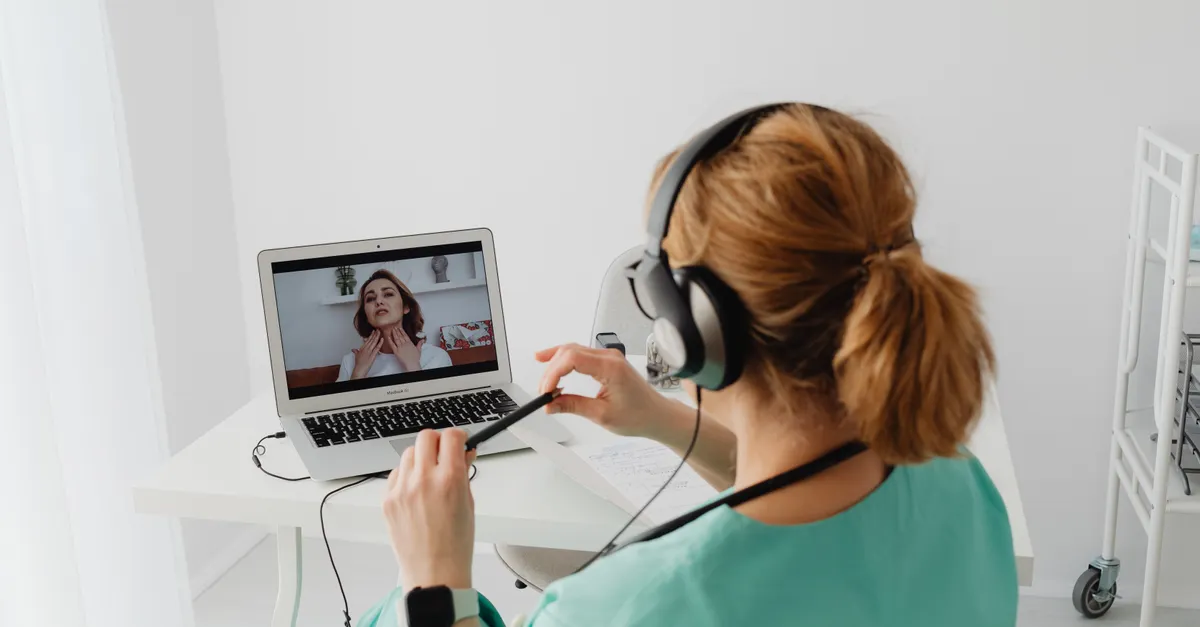
Remote health monitoring has rapidly evolved from a niche innovation to a mainstream solution in healthcare, transforming the way patients and providers interact. By leveraging digital tools and connected devices, this approach enables real-time tracking of health data, early intervention, and personalized care—all from the comfort of home. As healthcare systems worldwide adapt to new challenges, especially in the wake of the COVID-19 pandemic, the adoption of remote monitoring has grown significantly. This article explores remote health monitoring success stories, the technologies driving these changes, and the practical benefits and challenges experienced along the way.
Understanding Remote Health Monitoring and Its Importance
Remote health monitoring, often referred to as Remote Patient Monitoring (RPM), involves the use of digital technologies to collect health data from individuals in one location and electronically transmit it to healthcare providers in a different location. This data can include vital signs, blood glucose levels, heart rate, and more. The rise of telehealth and RPM has been driven by the need for continuous, proactive care—especially for those with chronic conditions or limited access to traditional healthcare facilities.
The importance of remote monitoring has become even more apparent during public health crises like COVID-19, where minimizing in-person visits is crucial. By enabling clinicians to track patient health remotely, RPM helps reduce hospital admissions, supports early intervention, and improves patient engagement.
Real-World Remote Health Monitoring Success Stories
Several healthcare organizations have demonstrated the transformative impact of remote monitoring through well-documented case studies. These stories highlight not only improved patient outcomes but also significant cost savings and operational efficiencies.
University of Michigan Health-West: COVID-19 Home Monitoring
During the height of the COVID-19 pandemic, University of Michigan Health-West launched a 24/7 home-monitoring program for patients diagnosed with the virus. This initiative allowed patients to recover at home while being closely monitored by healthcare professionals. According to the organization, the program saved over 300 hospital stays in its first month alone. This not only reduced the strain on hospital resources but also allowed patients to heal in a familiar environment, reducing stress and potential exposure to additional infections.
Frederick Health: Reducing Readmissions and Saving Costs
Frederick Health implemented a comprehensive RPM program using digital health platforms. The results were striking: the organization achieved $5.1 million in cost savings and saw an 83% reduction in hospital readmissions. By continuously monitoring patients with chronic illnesses, the care team could intervene early, preventing complications that would otherwise lead to hospital stays. These outcomes underscore the value of remote monitoring in both clinical and financial terms.
Penn Care at Home: Improving Recovery Rates
Penn Care at Home adopted RPM to support patients transitioning from hospital to home care. The program led to a 73% reduction in all-cause 30-day hospital readmissions. Patients benefited from regular check-ins, timely medication reminders, and the ability to report symptoms as they occurred. This proactive approach not only improved recovery rates but also enhanced patient satisfaction by providing a sense of security and ongoing support.
Technologies Powering Remote Health Monitoring
The success of these programs is closely tied to the technologies that make remote monitoring possible. A range of telehealth devices and digital tools are used to collect and transmit patient data securely and efficiently.
- Wearable Devices: Smartwatches and fitness trackers can monitor heart rate, physical activity, sleep patterns, and even detect falls. These devices send real-time data to healthcare providers for ongoing assessment.
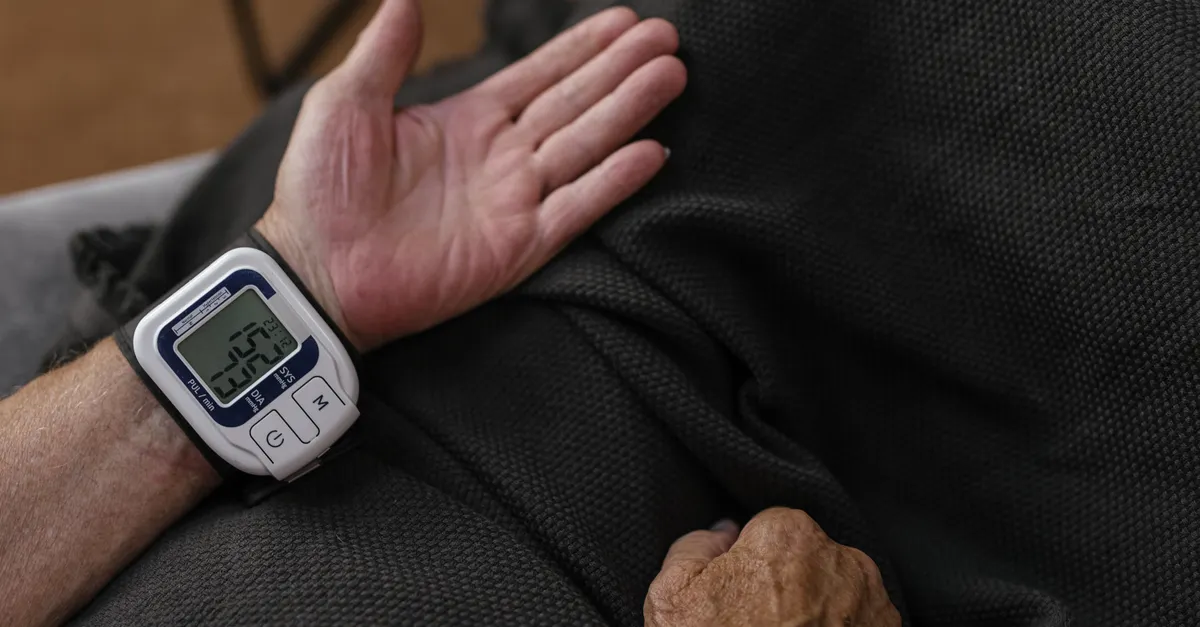
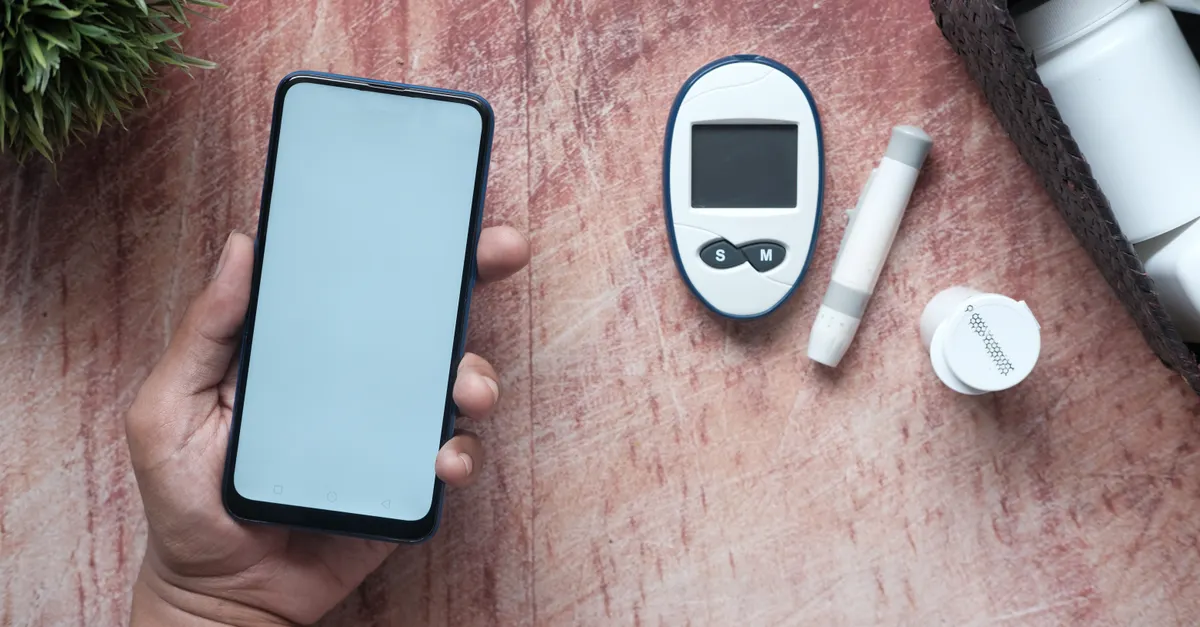
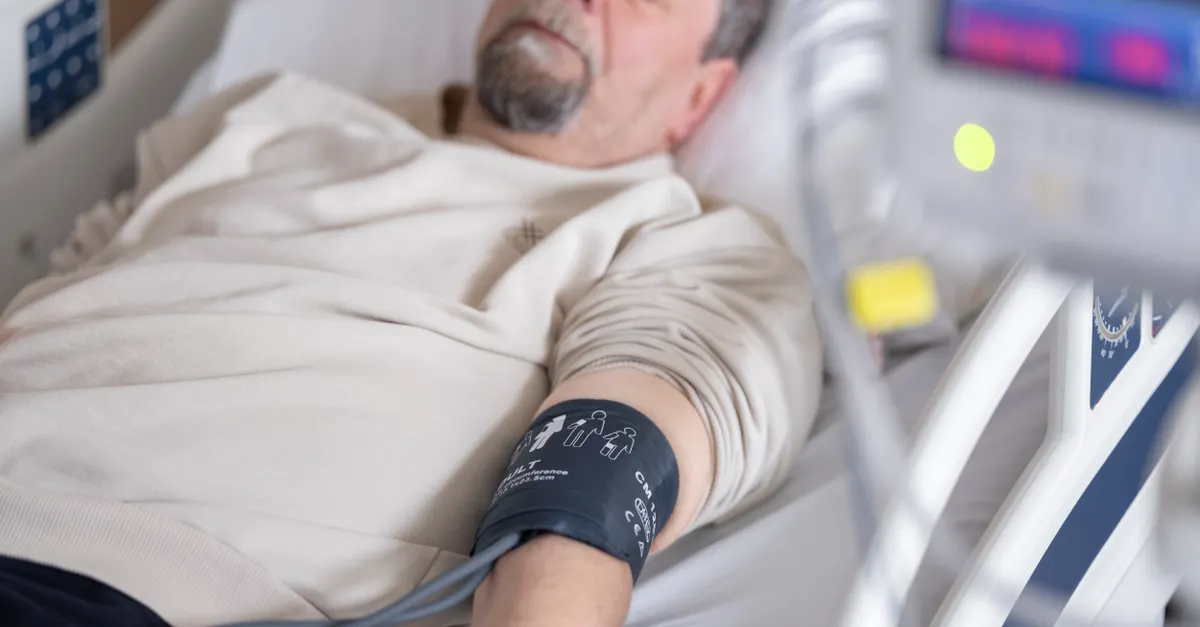
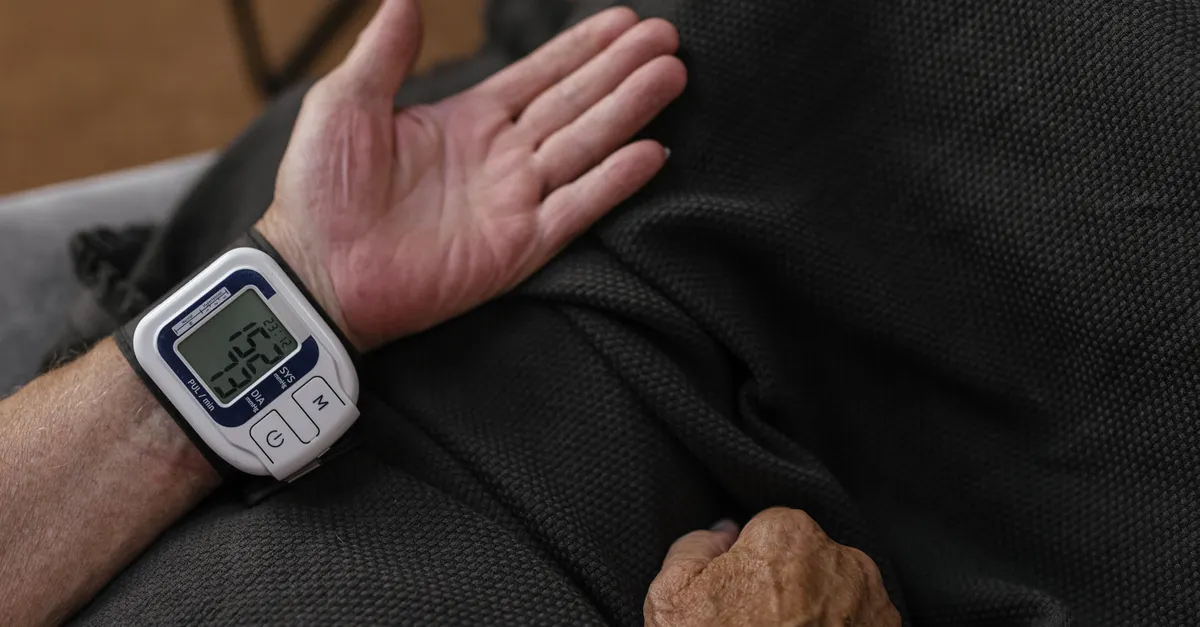
- Connected Medical Devices: Blood pressure cuffs, glucose meters, pulse oximeters, and digital thermometers are commonly used in RPM. These tools automatically upload readings to a central platform, reducing manual entry errors.
- Mobile Health Apps: Patients use smartphone applications to log symptoms, track medication adherence, and communicate with care teams. Some apps integrate with Bluetooth-enabled monitors for seamless data sharing.
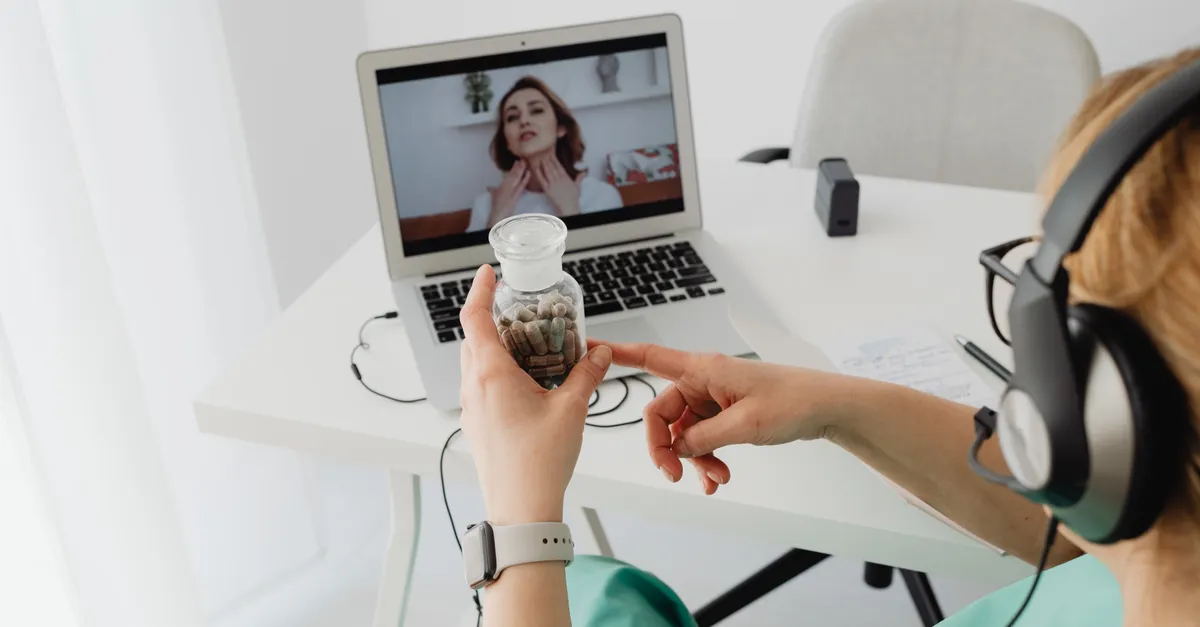
- Video Conferencing Platforms: Secure video calls allow for virtual consultations, follow-ups, and education sessions, making healthcare more accessible for those with mobility challenges.
- Centralized Data Dashboards: Healthcare providers use dashboards to visualize trends, set alerts for abnormal readings, and coordinate care across multidisciplinary teams.
By combining these technologies, remote monitoring programs can deliver timely, data-driven care. For example, a patient with diabetes might use a continuous glucose monitor that transmits readings directly to their care team, enabling rapid adjustments to treatment plans.
For seniors managing chronic conditions, there are specialized solutions tailored to their needs. Readers interested in more targeted use cases can explore how remote health monitoring for diabetes management supports older adults in maintaining stable blood sugar levels and reducing complications.
Benefits and Challenges of Remote Health Monitoring
The adoption of RPM brings a host of advantages, but it also presents certain challenges that healthcare providers must address.
Key Benefits
- Improved Patient Outcomes: Continuous monitoring enables early detection of health issues, leading to prompt intervention and better long-term results.
- Reduced Hospitalizations: As seen in the case studies above, RPM programs have significantly lowered hospital readmissions and unnecessary stays.
- Cost Savings: By preventing complications and reducing acute care utilization, organizations like Frederick Health have saved millions of dollars.
- Enhanced Patient Engagement: Patients are more involved in their own care, leading to higher satisfaction and adherence to treatment plans.
- Accessibility: Remote monitoring bridges gaps for patients in rural or underserved areas, bringing specialized care to those who might otherwise go without.
Common Challenges
- Technology Barriers: Not all patients are comfortable with digital devices or have reliable internet access, which can limit participation.
- Data Security and Privacy: Protecting sensitive health information is critical, requiring robust cybersecurity measures and compliance with regulations.
- Integration with Existing Systems: Healthcare providers may face difficulties integrating RPM platforms with electronic health records and other IT infrastructure.
- Reimbursement and Policy: Navigating insurance coverage and reimbursement for RPM services remains a challenge in some regions.
- Training and Support: Both patients and providers need adequate training to use new technologies effectively and confidently.
Despite these obstacles, many organizations have found that the benefits of RPM far outweigh the challenges, especially when thoughtful implementation strategies are in place.
Implementing Remote Health Monitoring: Practical Considerations
Healthcare providers looking to launch or expand RPM programs should consider several practical steps:
- Assess Patient Needs: Identify which patient populations will benefit most from remote monitoring, such as those with chronic diseases or recent hospitalizations.
- Select Appropriate Technologies: Choose devices and platforms that align with clinical goals and are user-friendly for the target population. Reviewing remote health monitoring devices reviews can help in making informed decisions.
- Ensure Data Security: Implement strong security protocols to protect patient information and comply with legal requirements.
- Provide Training and Support: Offer comprehensive training for both staff and patients to maximize engagement and minimize technical issues.
- Monitor and Evaluate Outcomes: Continuously track program performance, patient outcomes, and satisfaction to identify areas for improvement.
By following these steps, healthcare organizations can create sustainable RPM programs that deliver measurable benefits.
Looking Ahead: The Future of Remote Health Monitoring
The future of remote health monitoring is promising. As technology continues to advance, we can expect even more sophisticated devices, improved data analytics, and greater integration with other aspects of healthcare. Artificial intelligence and machine learning may soon play a larger role in predicting health events and personalizing care plans.
For healthcare providers, embracing RPM offers a path to more proactive, patient-centered care. By learning from the success stories and understanding both the opportunities and challenges, organizations can position themselves to deliver better outcomes and greater value in the years ahead.
Frequently Asked Questions
What are some successful case studies of remote health monitoring?
Notable examples include University of Michigan Health-West, which saved over 300 hospital stays in one month with a COVID-19 home monitoring program, Frederick Health, which achieved $5.1 million in cost savings and an 83% reduction in readmissions, and Penn Care at Home, which reduced 30-day readmissions by 73% using RPM.
How has remote health monitoring improved patient outcomes?
Remote monitoring enables early detection of health issues, timely interventions, and continuous support. This leads to fewer hospitalizations, better chronic disease management, and higher patient satisfaction.
What technologies are commonly used in remote health monitoring?
Common technologies include wearable fitness trackers, connected medical devices like blood pressure monitors, mobile health apps, and secure video conferencing platforms. These tools work together to collect, transmit, and analyze patient data for proactive care.