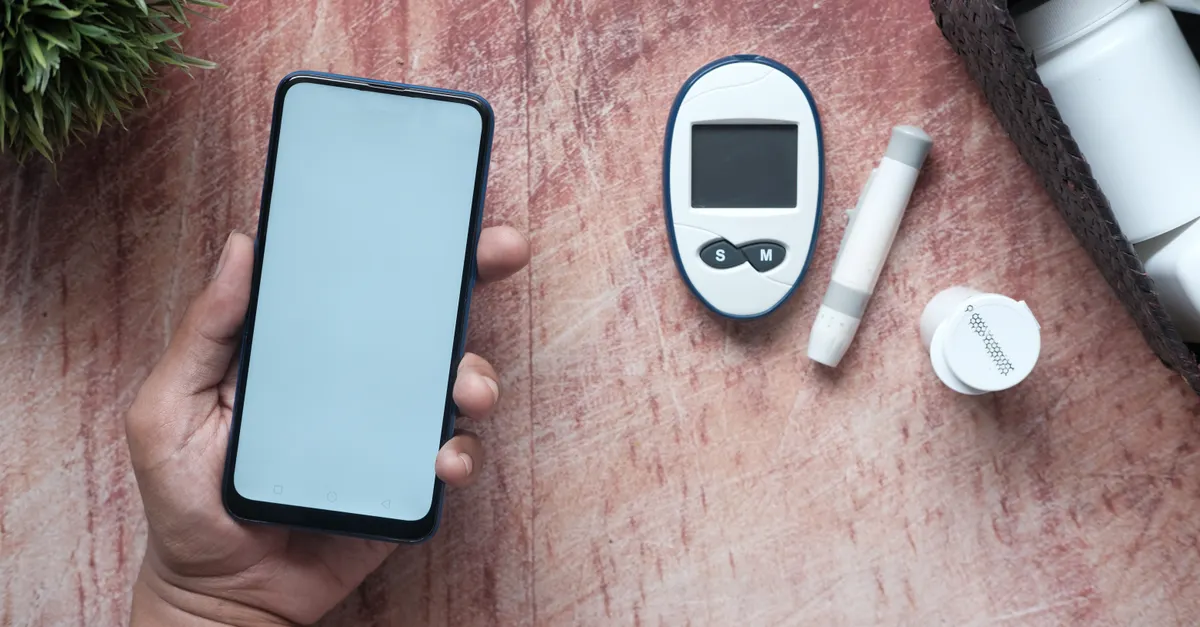
Remote health monitoring is transforming how seniors manage chronic conditions like diabetes. By leveraging digital tools and connected devices, older adults and their care teams can track health data, detect potential issues early, and make informed decisions without frequent in-person visits. As diabetes management becomes more complex with age, understanding how these technologies work and their unique benefits and challenges is essential for seniors, caregivers, and healthcare providers alike.
Understanding Remote Health Monitoring in Diabetes Care
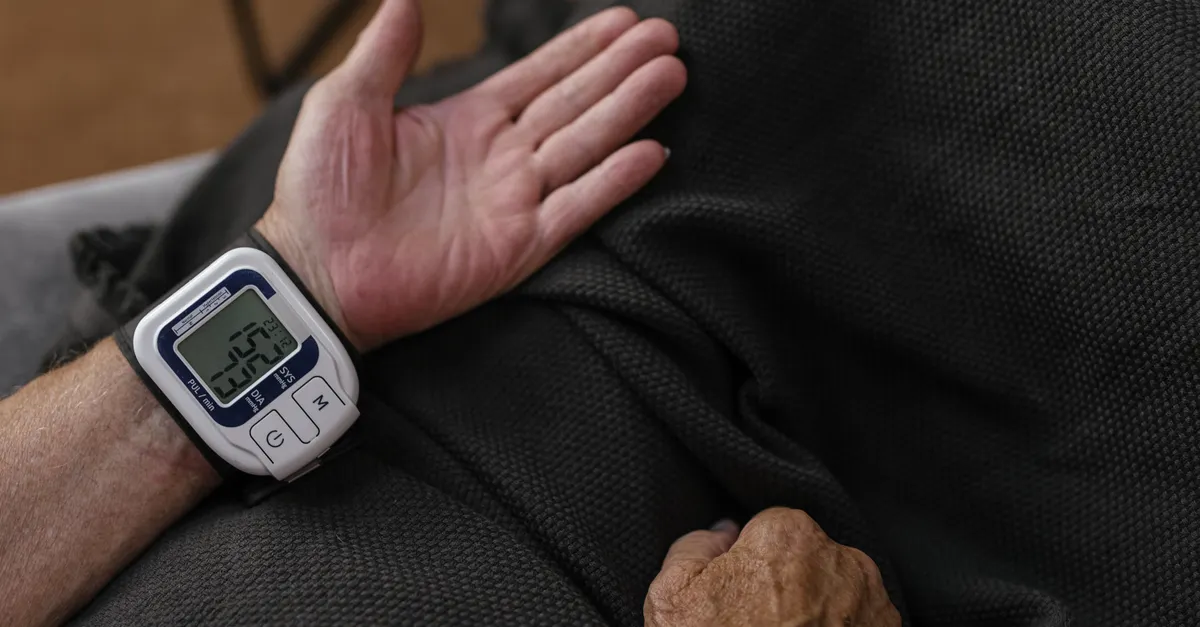
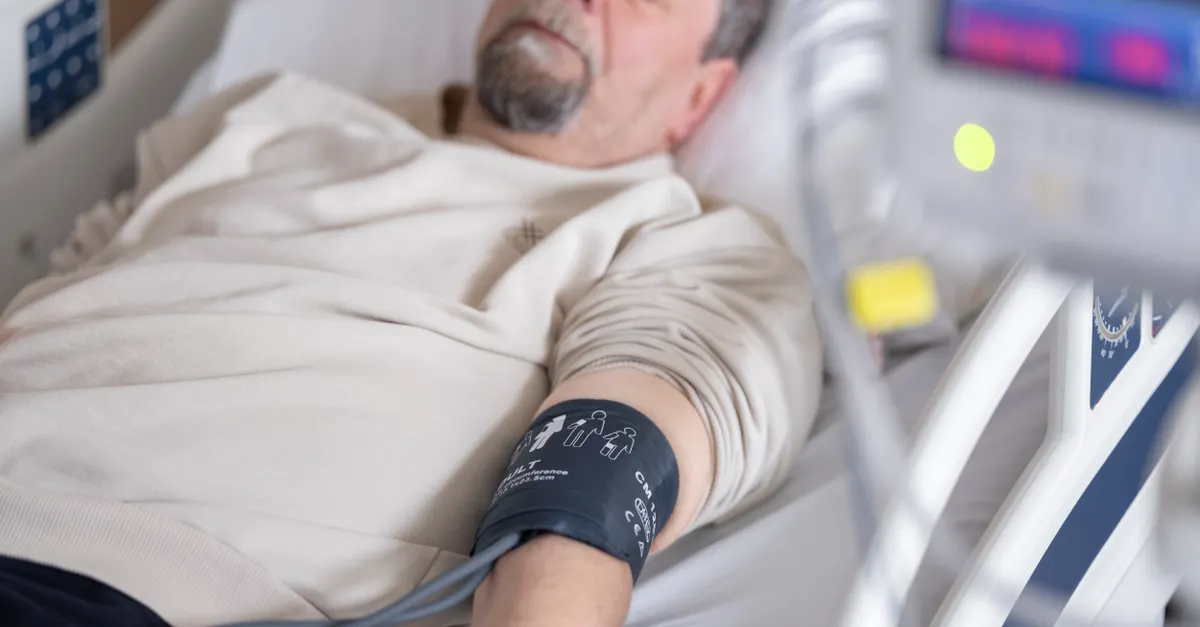
Remote health monitoring refers to the use of digital technologies to collect, transmit, and analyze health data from a patient’s home or community setting. For diabetes, this means tracking blood glucose levels, medication adherence, and other vital signs using connected devices. The information is securely shared with healthcare professionals, allowing for timely interventions and personalized care adjustments. For seniors, this approach offers the potential to maintain independence and reduce the burden of frequent clinic visits.
The importance of remote health monitoring in diabetes management lies in its ability to provide continuous, real-time insights into a person’s health status. This supports proactive care, helps prevent complications in diabetes management, and can ease the daily demands of managing a chronic condition.
Key Technologies in Remote Diabetes Monitoring
Several technologies form the backbone of remote health monitoring for diabetes management. According to research published in 2024, the most widely used tools include:
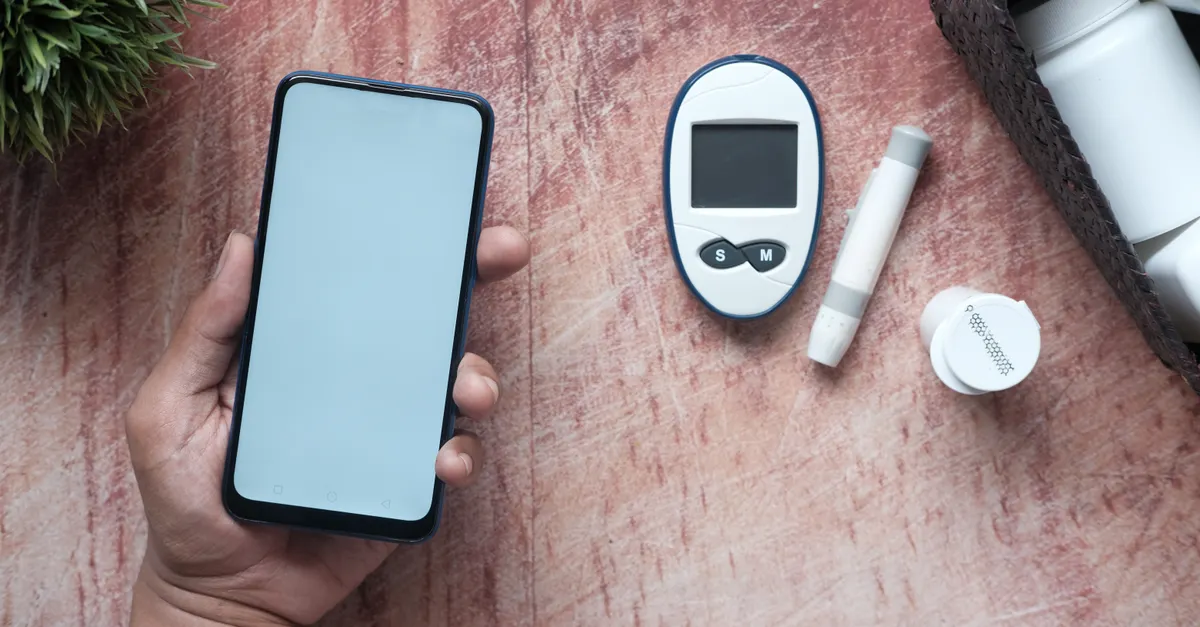
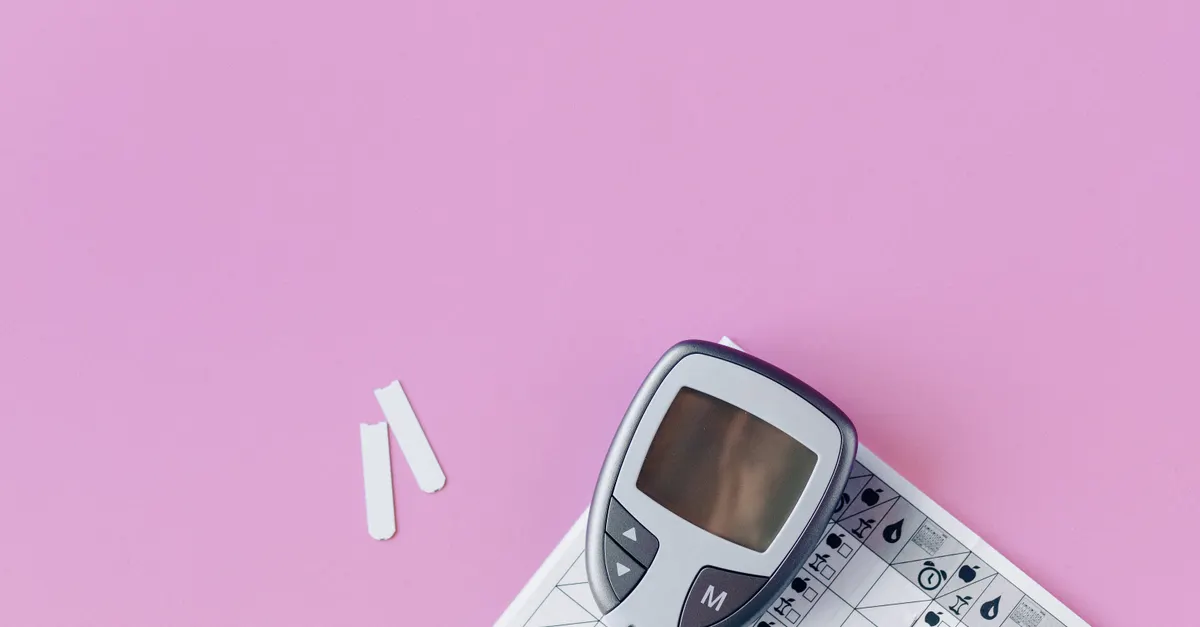
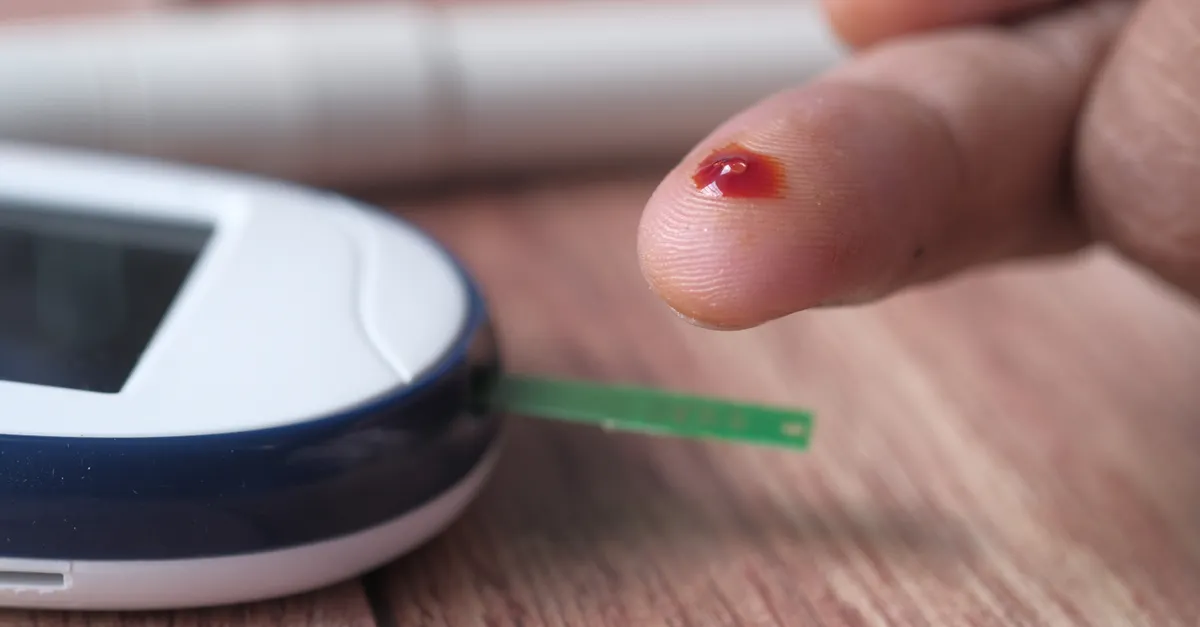
- Connected blood glucose meters: These devices measure blood sugar and automatically transmit readings to a secure platform, where both patients and providers can review trends over time.
- Continuous glucose monitoring (CGM) systems: Worn on the body, these sensors provide ongoing glucose readings, alerting users to highs and lows. Data from CGMs can be shared remotely, supporting timely adjustments to diet, activity, or medication.
- Insulin delivery systems: Smart insulin pens and pumps can track doses and send usage data to healthcare teams, helping ensure proper administration and adherence.
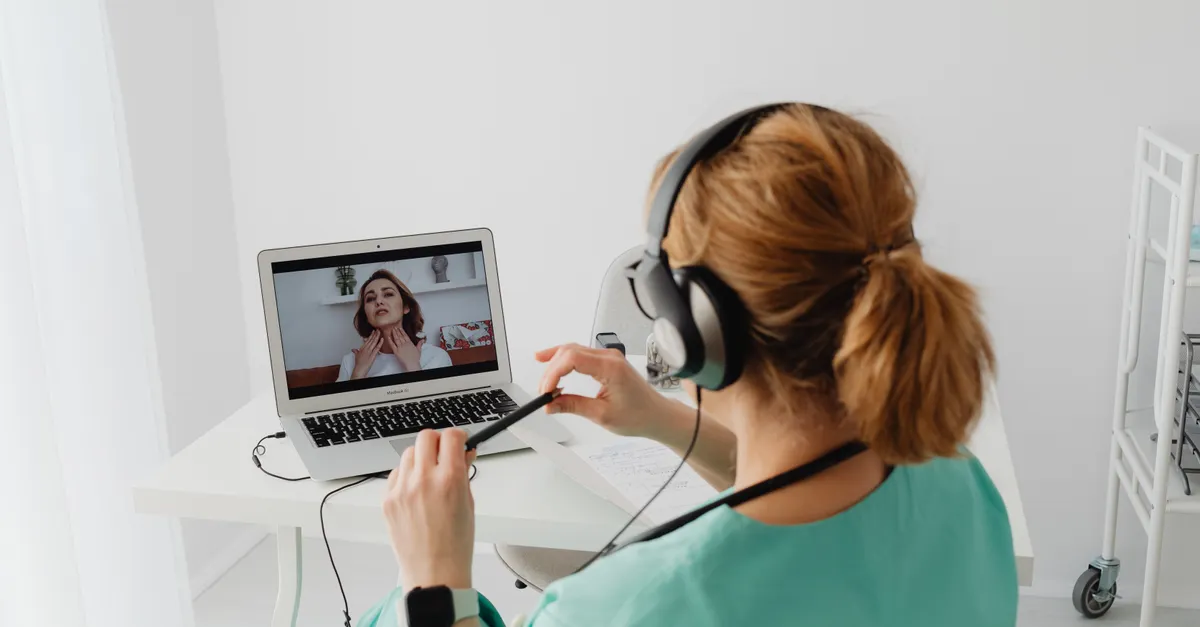
- Telehealth platforms: Video calls and secure messaging allow seniors to consult with their providers, discuss results, and receive guidance without leaving home.
These tools, when combined, create a comprehensive digital health ecosystem. For seniors, choosing devices with simple interfaces and clear instructions is crucial. Many platforms now integrate with connected glucometers or continuous glucose monitors to streamline data collection and sharing.
How Remote Monitoring Benefits Seniors with Diabetes
The advantages of remote health monitoring are particularly significant for older adults. Some of the most notable benefits include:
- Early detection of issues: Continuous data collection means that trends or sudden changes in blood glucose can be spotted quickly, allowing for prompt intervention and reducing the risk of serious complications.
- Convenience and reduced travel: Seniors often face mobility challenges or transportation barriers. Remote monitoring minimizes the need for frequent clinic visits, making diabetes care more accessible.
- Personalized feedback: Healthcare providers can tailor advice and treatment plans based on real-world data, improving the effectiveness of diabetes management.
- Empowerment and independence: With easy-to-use devices and clear feedback, seniors can take a more active role in their own care, boosting confidence and autonomy.
- Support for caregivers: Family members and caregivers can stay informed about a loved one’s health status, enabling better support and peace of mind.
For many seniors, the combination of convenience, safety, and improved communication with healthcare teams makes remote health monitoring a valuable addition to their diabetes care plan.
Challenges Seniors Face with Remote Diabetes Monitoring
Despite its promise, implementing remote health monitoring for diabetes in seniors comes with unique challenges. Research highlights several barriers that are especially relevant to older adults:
- Technological literacy: Not all seniors are comfortable with smartphones, apps, or digital devices. Learning to use new technology can be intimidating and may require additional support.
- Accessibility and usability: Physical limitations such as poor vision, reduced dexterity, or hearing loss can make device operation difficult. Devices with large displays, simple controls, and clear audio cues are essential.
- Connectivity issues: Reliable internet access is necessary for real-time data transmission. Seniors living in rural or underserved areas may face connectivity challenges.
- Privacy and data security: Concerns about who can access personal health information can deter some seniors from adopting remote monitoring solutions.
- Cost and insurance coverage: The price of devices and ongoing service fees may be a barrier, especially for those on fixed incomes.
To address these challenges, healthcare providers and caregivers should offer training, choose user-friendly devices, and ensure ongoing technical support. In some cases, community programs or local organizations can assist with device setup and troubleshooting. For a broader look at how these challenges compare to other chronic conditions, see this overview of remote health monitoring for arthritis management.
Real-World Examples: Remote Monitoring Programs for Seniors
Several remote patient monitoring (RPM) programs have demonstrated success in supporting seniors with diabetes. While many published examples focus on general adult populations, key lessons can be drawn for older adults:
- Integrated care teams: Programs that combine remote monitoring with regular telehealth check-ins and coordinated care between nurses, doctors, and diabetes educators have shown improved blood glucose control and reduced hospitalizations.
- Tailored onboarding: Successful initiatives often include hands-on device training and ongoing support, helping seniors build confidence in using new technologies.
- Flexible communication: Allowing participants to choose between phone calls, video visits, or in-person support increases engagement and satisfaction.
- Outcome improvements: According to the American Medical Association, RPM programs have led to better medication adherence, fewer emergency visits, and higher patient satisfaction among those with diabetes.
These examples highlight the importance of customizing remote monitoring programs to meet the specific needs of seniors. Involving family members, simplifying device interfaces, and providing regular feedback can all contribute to better outcomes.
Integrating Remote Monitoring into Diabetes Care Plans
For remote health monitoring to be effective, it must be thoughtfully integrated into a senior’s overall diabetes care plan. This involves collaboration between the patient, caregivers, and healthcare providers. Key steps include:
- Assessment of needs and preferences: Providers should evaluate each senior’s comfort with technology, physical abilities, and support network before recommending specific devices or platforms.
- Clear communication: Setting expectations about how data will be used, who will review it, and how often feedback will be provided helps build trust and engagement.
- Ongoing support: Regular check-ins, technical assistance, and education ensure that seniors continue to benefit from remote monitoring over time.
- Professional guidance: While remote monitoring empowers seniors, medical decisions—such as adjusting medication or responding to abnormal readings—should always be made in consultation with healthcare professionals.
Healthcare providers play a central role in interpreting data, adjusting care plans, and ensuring that remote monitoring enhances—rather than replaces—personalized, compassionate care. For those interested in learning more about device options, remote health monitoring devices reviews can help compare features and usability.
Frequently Asked Questions
What types of devices are used for remote diabetes monitoring?
Common devices include connected blood glucose meters, continuous glucose monitoring systems, and smart insulin delivery devices. These tools collect and transmit health data to healthcare providers, supporting more responsive diabetes management.
How does remote monitoring improve outcomes for seniors with diabetes?
Remote monitoring enables early detection of blood sugar fluctuations, supports medication adherence, and reduces the need for frequent clinic visits. This can lead to fewer complications, greater independence, and improved quality of life for seniors.
What challenges might seniors face when using remote monitoring technologies?
Seniors may encounter difficulties with technology use, device accessibility, internet connectivity, and concerns about privacy or cost. Addressing these barriers with training, support, and user-friendly devices is key to successful adoption.