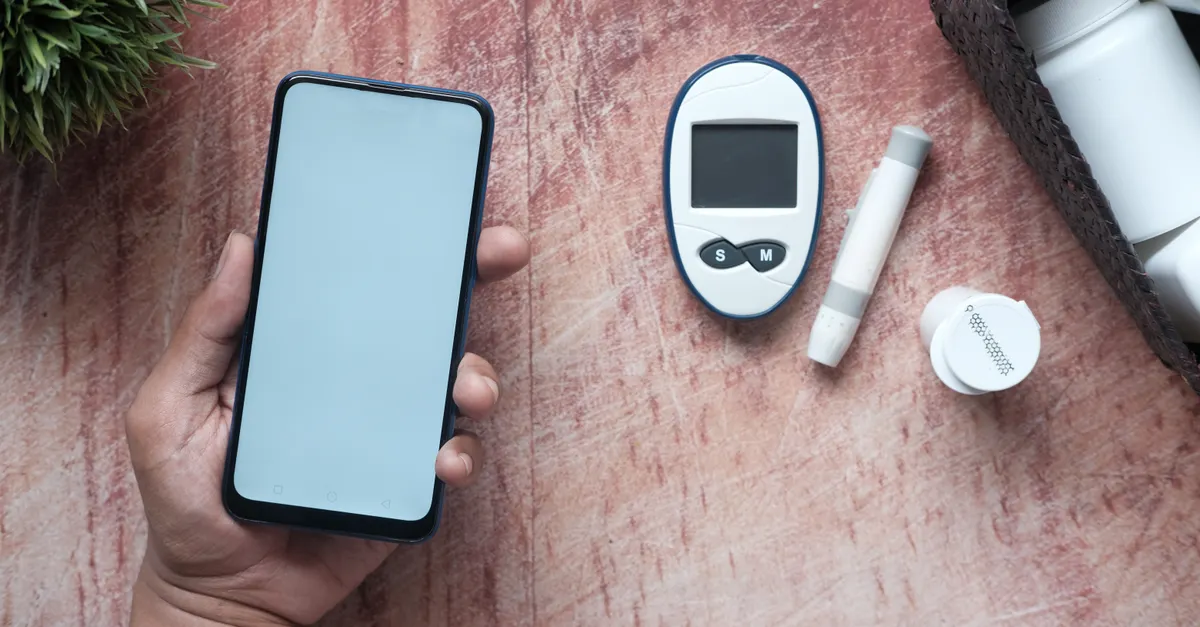
For seniors living with arthritis, managing symptoms and maintaining independence can be challenging. Advances in technology now offer new ways to support daily health, especially through remote health monitoring for arthritis management. This approach allows individuals and their care teams to track symptoms, medication, and activity from home, making it easier to manage chronic conditions like osteoarthritis and rheumatoid arthritis. In this guide, we’ll explore how remote monitoring works, the specific tools involved, its benefits, and what seniors and caregivers should consider when adopting these solutions.
Understanding Remote Health Monitoring in Arthritis Care
Remote health monitoring refers to the use of digital tools and connected devices to collect and share health data with healthcare providers from a distance. In the context of arthritis management, this means tracking joint pain, mobility, medication adherence, and other relevant health indicators without needing frequent in-person visits. Data is typically gathered through wearable sensors, mobile apps, or home-based devices, and then securely transmitted to clinicians who can review and respond between appointments.
This approach is especially valuable for seniors, who may face mobility challenges or live far from specialist care. By enabling ongoing monitoring and timely intervention, remote health solutions can help seniors maintain their quality of life and reduce the burden of managing a chronic condition.
Key Benefits for Seniors Managing Arthritis Remotely
There are several advantages to using remote health monitoring for arthritis management, particularly for older adults:
- Continuous Symptom Tracking: Tools like Remote Therapeutic Monitoring (RTM) allow for regular collection of patient-reported outcomes (PROMs), such as pain levels, stiffness, and fatigue. According to research published in 2024, RTM enables clinical staff to review electronic patient-reported outcomes (ePRO) and other data between visits, supporting more responsive care.
- Reduced Need for In-Person Visits: Seniors can avoid unnecessary travel and waiting times, as many issues can be addressed remotely based on up-to-date data.
- Improved Self-Management: Chronic care management (CCM) and remote patient monitoring (RPM) services help patients develop better self-management skills, which has been shown to decrease pain and improve activity levels for those with osteoarthritis and rheumatoid arthritis.
- Enhanced Communication: Real-time sharing of health data fosters better communication between patients, caregivers, and healthcare providers, leading to more personalized care plans.
- Early Detection of Flare-Ups: By monitoring trends in symptoms and activity, clinicians can identify potential flare-ups or complications early, allowing for prompt intervention.
For many seniors, these benefits translate into greater independence and peace of mind, knowing their condition is being closely monitored even outside the clinic. For those interested in learning about similar applications in other conditions, exploring remote health monitoring for stroke recovery can provide additional insights.
Technologies and Tools Used in Remote Arthritis Monitoring
One of the most significant advances in recent years is the development of specialized tools for remote health monitoring for arthritis management. While competitors often discuss the general concept, it’s important to understand which specific technologies are making a difference for seniors:
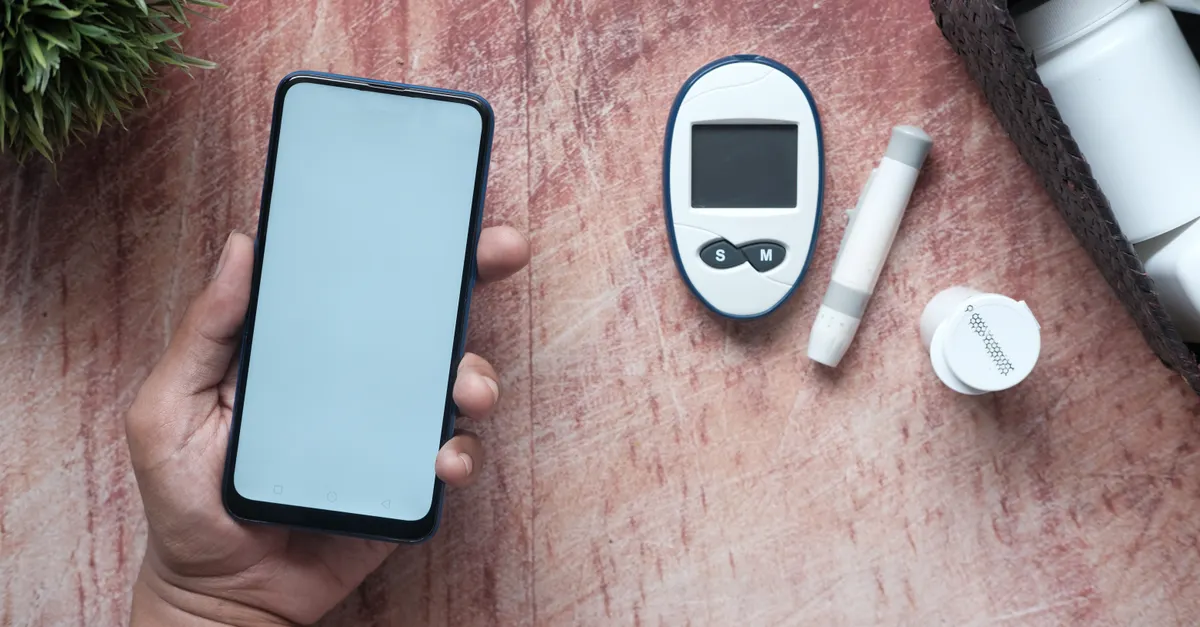
- Wearable Devices: Smartwatches and fitness trackers can monitor physical activity, sleep patterns, and heart rate. Some devices are equipped to track joint movement or detect changes in mobility, offering valuable data for arthritis care.
- Mobile Health Apps: Apps designed for arthritis management allow users to log symptoms, medication use, and daily activities. Many include reminders for taking medication or performing prescribed exercises, supporting adherence to treatment plans.
- Electronic Patient-Reported Outcomes (ePRO): Platforms like the ArthritisPower Research Registry enable patients to report their symptoms and quality of life directly to their care team. This data can be reviewed remotely and used to adjust treatment as needed.
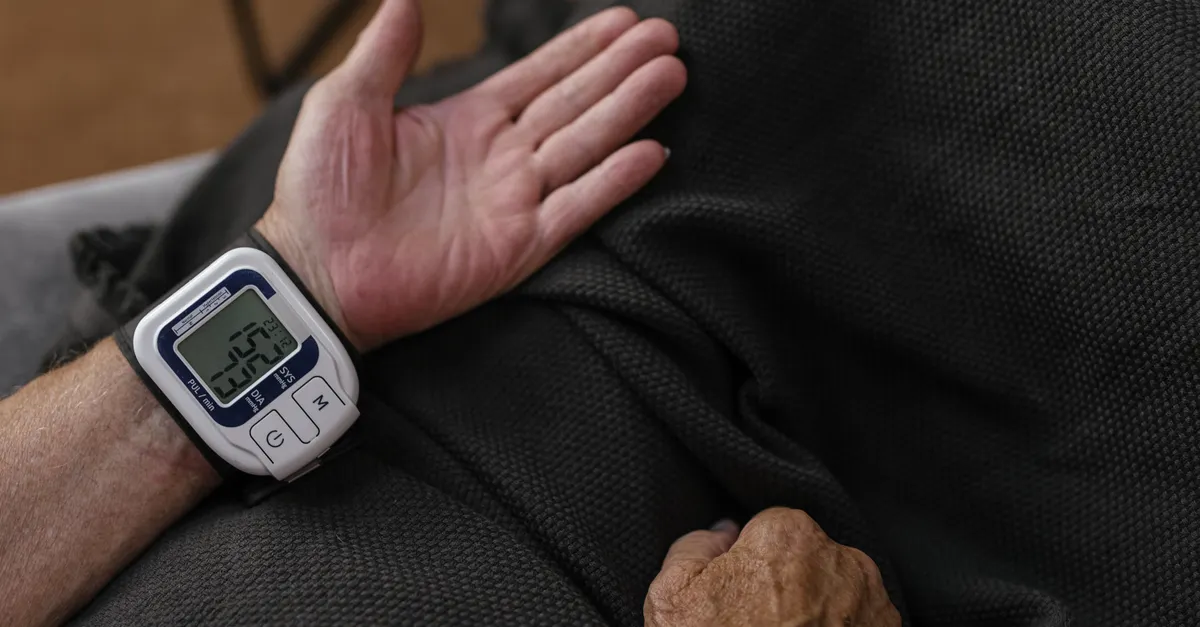
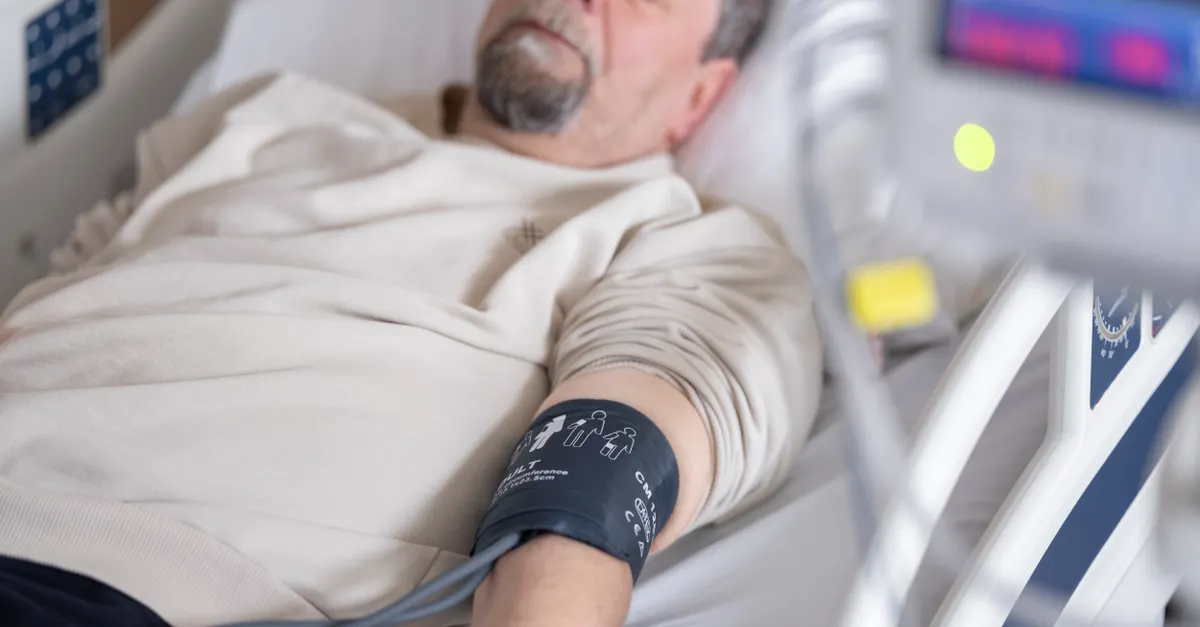
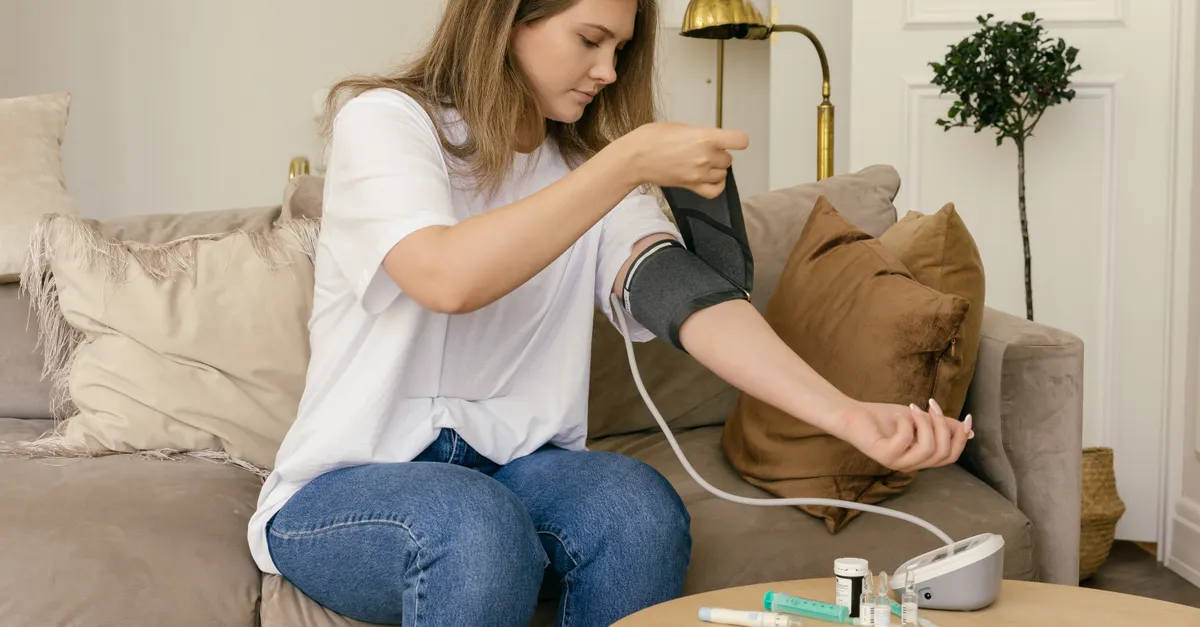
- Connected Home Devices: Tools such as digital thermometers, blood pressure monitors, and smart scales can be integrated into remote monitoring systems, providing additional health context for arthritis patients.
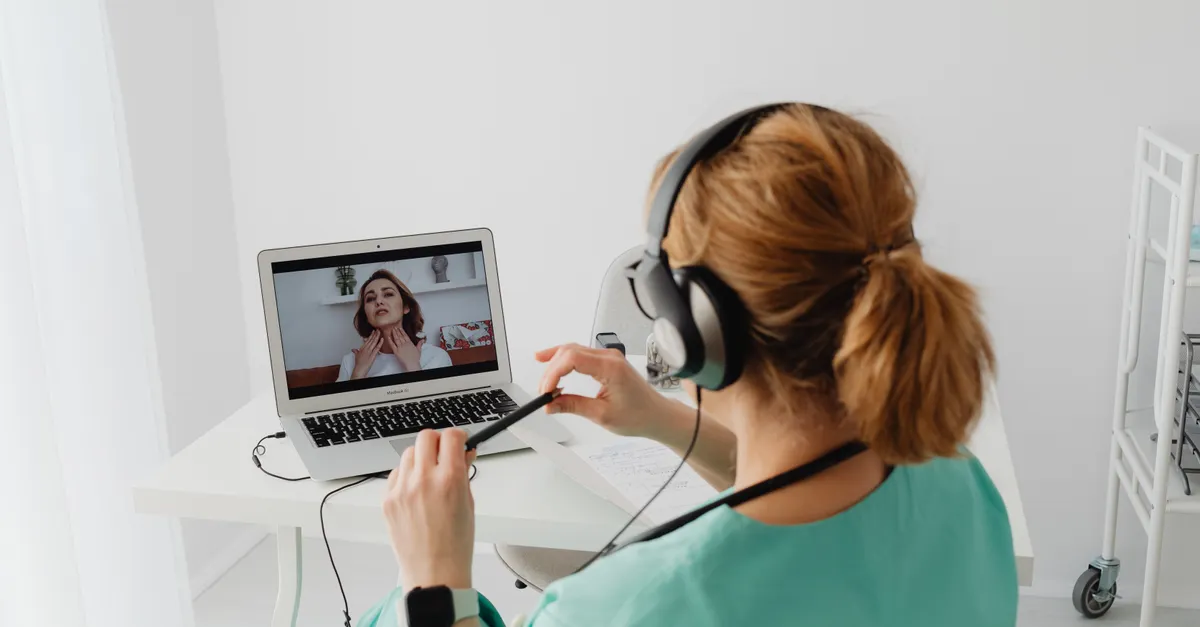
- Telehealth Platforms: Secure video or messaging platforms facilitate virtual consultations, allowing seniors to discuss their symptoms and progress with healthcare providers without leaving home.
- Specialized Sensors: Some advanced systems use sensors to monitor joint temperature, swelling, or range of motion, which can be particularly useful for tracking inflammatory arthritis.
These technologies work together to create a comprehensive picture of a patient’s health. For example, a senior might use a pair of arthritis gloves to support joint comfort, while also logging pain levels and activity in a mobile app. Their care team can then review this information and recommend adjustments to medication or therapy as needed.
As the field evolves, new tools like AI-driven analytics (e.g., MediSyncAI) are being explored to help interpret large volumes of patient data and identify patterns that may signal a need for intervention.
Challenges and Limitations in Remote Arthritis Management
While the benefits are clear, there are also important challenges to consider when implementing remote health monitoring for arthritis management:
- Technology Adoption: Some seniors may find it difficult to use new devices or apps, especially if they are not familiar with smartphones or computers. Training and ongoing support are essential to ensure successful adoption.
- Data Privacy and Security: Protecting sensitive health information is a top priority. All remote monitoring systems must comply with privacy regulations and use secure data transmission methods.
- Integration with Healthcare Systems: Not all healthcare providers have the infrastructure to receive and act on remote monitoring data. Seamless integration with electronic health records (EHRs) and care workflows is still a work in progress for many organizations.
- Access and Equity: Seniors in rural or underserved areas may lack reliable internet access or the financial means to purchase necessary devices. Programs that provide affordable or subsidized solutions can help bridge this gap.
- Reimbursement and Policy: While reimbursement for Remote Therapeutic Monitoring is available through many insurance programs in the U.S., coverage can vary, and navigating these policies may be complex for patients and providers alike.
Despite these challenges, ongoing advances in technology and healthcare policy are gradually addressing many of these barriers. Seniors and caregivers should work closely with their healthcare team to select solutions that fit their needs and abilities.
Integrating Remote Monitoring with Traditional Arthritis Care
For remote health monitoring to be most effective, it should complement—not replace—traditional arthritis care. This means working with rheumatologists, primary care providers, and other specialists to ensure that remote data is used to inform and enhance in-person treatment. Many clinics now offer hybrid care models, combining virtual check-ins with periodic office visits for physical exams and diagnostic tests.
Patient engagement is also critical. Seniors who actively participate in tracking their symptoms and sharing data with their care team are more likely to experience positive outcomes. Tools that are easy to use and tailored to the needs of older adults can make this process smoother and more effective.
For those interested in setting up a system at home, resources like a blood pressure monitor or a pill organizer can be valuable additions to a remote monitoring toolkit.
Looking Ahead: The Future of Remote Arthritis Management
The future of remote health monitoring for arthritis management looks promising. As technology continues to advance, we can expect even more sophisticated tools, such as AI-powered analytics, personalized care recommendations, and improved integration with healthcare systems. These innovations have the potential to further reduce the burden of arthritis, improve patient outcomes, and empower seniors to take a more active role in their health.
Ongoing research and collaboration between technology developers, healthcare providers, and patient advocacy groups will be essential to ensure that these solutions are accessible, effective, and user-friendly for all seniors living with arthritis.
Frequently Asked Questions
What is remote health monitoring and how does it work for arthritis?
Remote health monitoring involves using digital devices and apps to track health data—such as pain levels, mobility, and medication use—which is then shared with healthcare providers. For arthritis, this means seniors can report symptoms and progress from home, allowing clinicians to monitor their condition and adjust treatment as needed.
What technologies are commonly used in remote arthritis management?
Common technologies include wearable fitness trackers, mobile health apps, electronic patient-reported outcome platforms, connected home devices (like blood pressure monitors), and telehealth platforms for virtual visits. Some systems also use specialized sensors to monitor joint health.
Are there any drawbacks to remote health monitoring for arthritis?
While remote monitoring offers many benefits, challenges include technology adoption for some seniors, ensuring data privacy, integrating with healthcare systems, and potential costs. It’s important to choose user-friendly tools and work with healthcare providers to address these concerns.