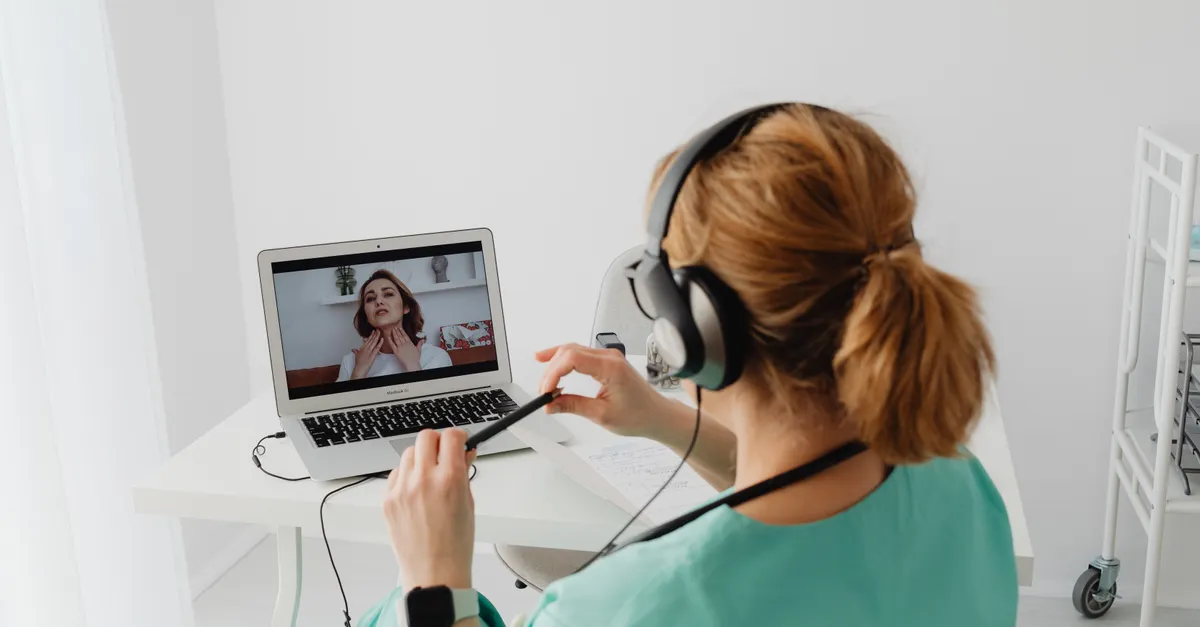
Remote health monitoring has become an increasingly important part of healthcare, especially for older adults who want to maintain independence while managing chronic conditions. By using technology to track health data from home, seniors and their families can stay connected with healthcare providers without frequent in-person visits. Understanding how does remote health monitoring work is key for anyone considering these solutions, as it involves a blend of devices, data management, and collaboration between patients and professionals. This guide explores the technologies, benefits, challenges, and privacy considerations that matter most for seniors.
Understanding Remote Health Monitoring for Seniors
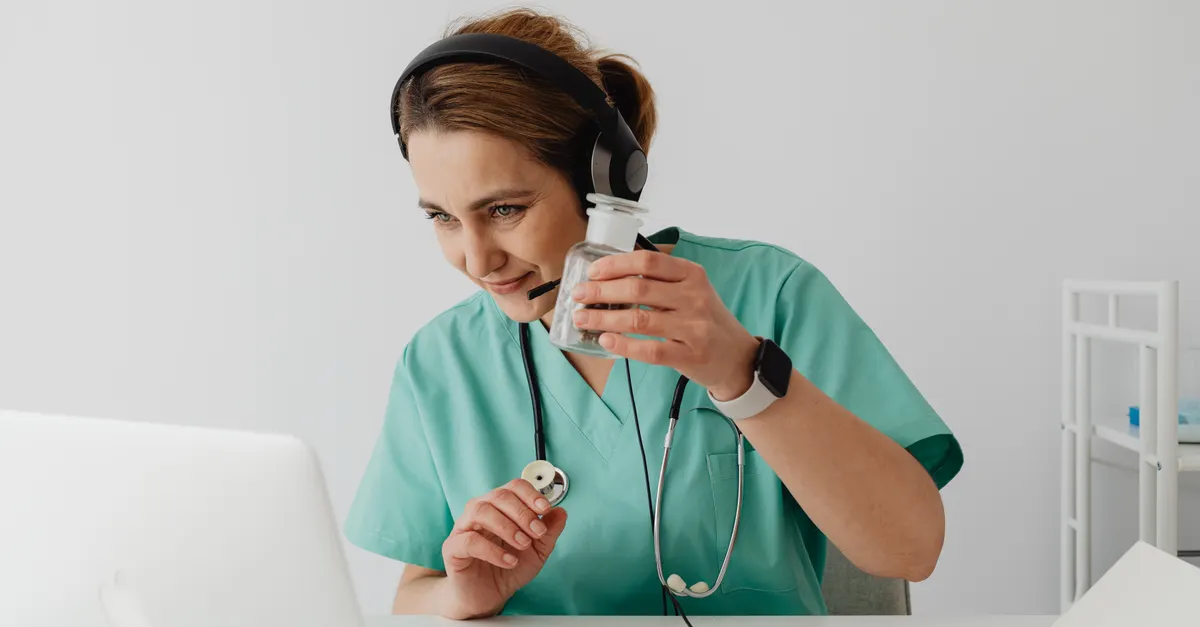
Remote health monitoring, often referred to as Remote Patient Monitoring (RPM), is a system where digital devices collect health information from individuals outside traditional clinical settings. For seniors, this means vital signs and other health metrics can be tracked at home, with data sent electronically to healthcare professionals. This approach is especially relevant for those managing chronic illnesses, recovering from surgery, or aiming to age in place with confidence.
RPM is closely related to telehealth, but while telehealth covers a broad range of virtual care services, remote monitoring specifically focuses on the continuous collection and sharing of health data. This distinction is important for seniors who may need ongoing observation rather than occasional virtual appointments.
Technologies and Devices in Remote Health Monitoring
A variety of digital medical devices make remote health monitoring possible. These devices are designed to be user-friendly, especially for seniors, and often connect to the internet or use Bluetooth to transmit data securely to healthcare providers. According to the Agency for Healthcare Research and Quality, RPM uses these technologies to monitor patients outside traditional care settings, allowing for proactive care management.
- Wearable sensors: Devices such as smartwatches or fitness trackers can monitor heart rate, physical activity, and sleep patterns.
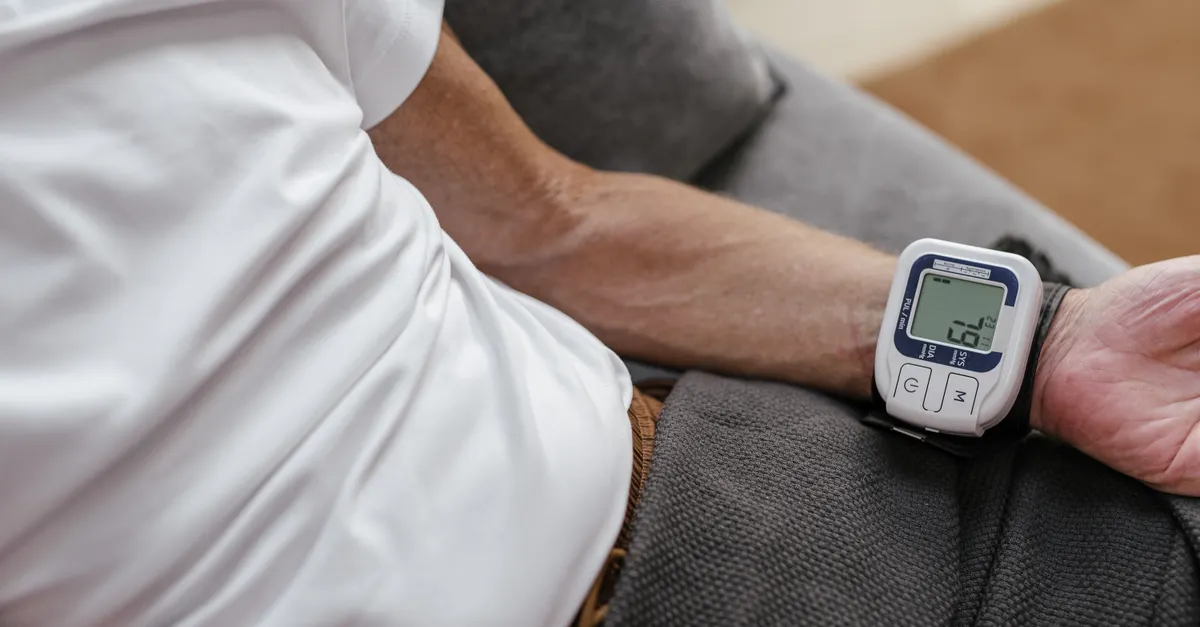
- Blood pressure monitors: These allow seniors to check their blood pressure at home, with results automatically sent to their care team.
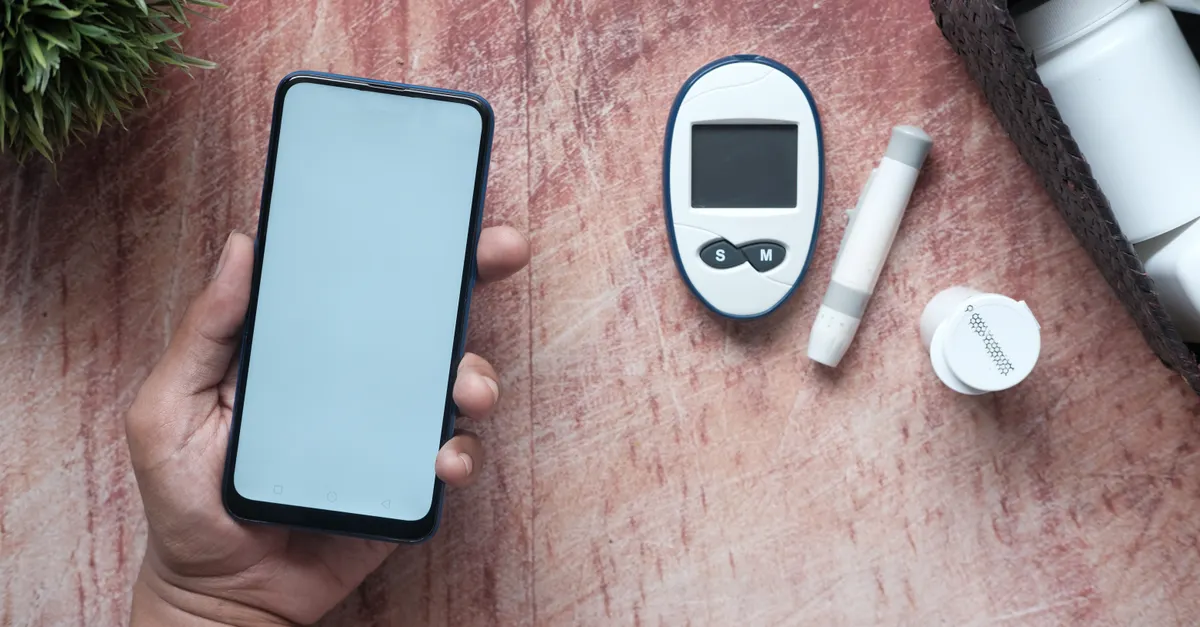
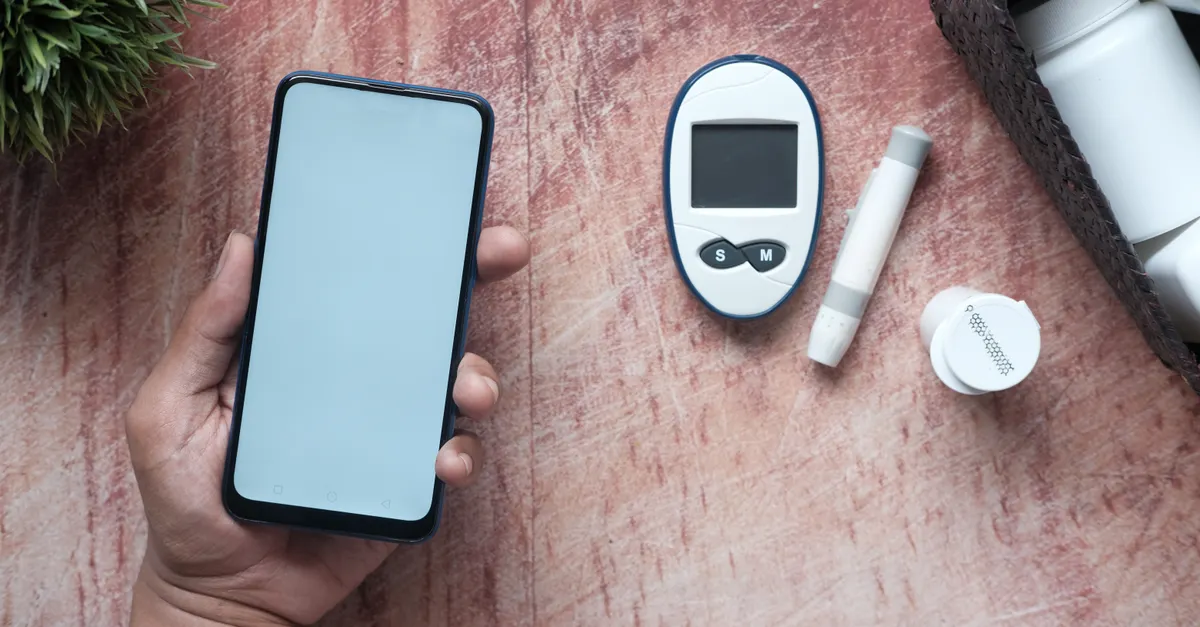
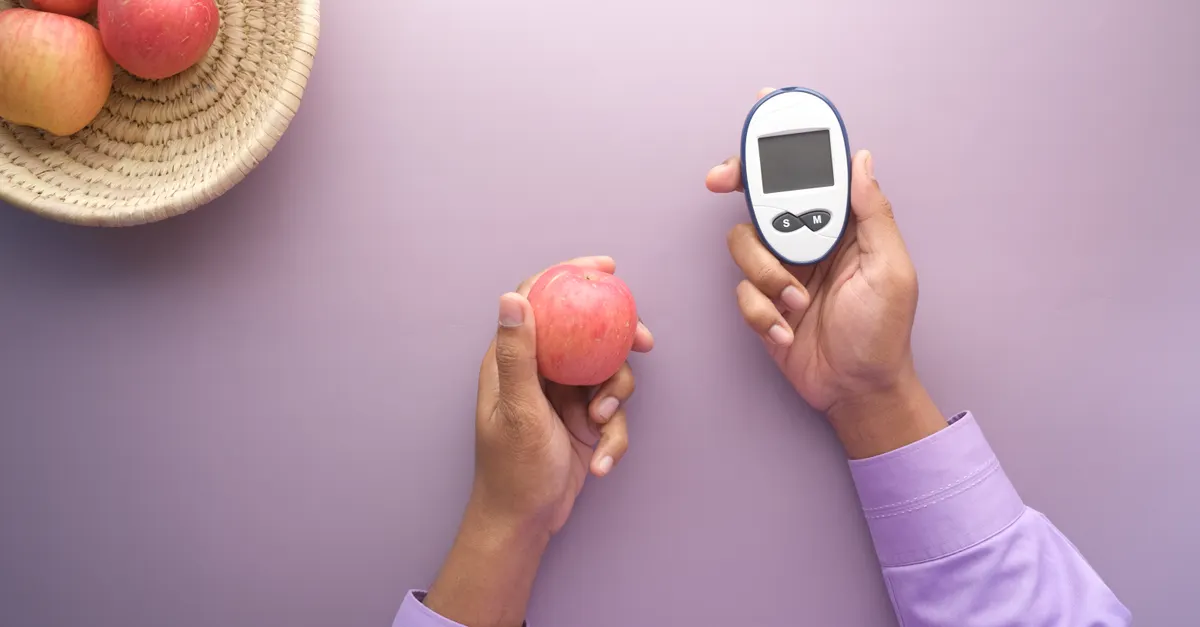
- Glucometers: For those with diabetes, digital glucometers can record and share blood sugar levels in real time.
- Pulse oximeters: These measure oxygen saturation and are particularly useful for seniors with respiratory conditions.
- Weight scales: Connected scales can help track weight changes, which is important for managing heart failure or kidney disease.
Most of these devices are designed to be simple to use, often requiring just a button press or automatic measurement. Data is transferred via secure connections to healthcare providers, who can review the information and intervene if necessary. Some systems also integrate with Electronic Health Records (EHRs), ensuring that all relevant data is available for comprehensive care.
For seniors interested in maintaining independence, combining these devices with independent living health monitoring strategies can further enhance safety and peace of mind.
How Does Remote Health Monitoring Work: The Process Explained
The core of remote health monitoring is the continuous collection and transmission of health data. Here’s how the process typically unfolds:
- Device Setup: Seniors receive the appropriate monitoring devices, which may be provided by their healthcare provider or purchased directly. These devices are configured to connect to a home Wi-Fi network or use Bluetooth to sync with a smartphone or tablet.
- Daily Use: The individual uses the device as instructed—this could mean wearing a sensor, stepping on a scale, or checking blood pressure at set times. Many devices are automated, reducing the need for manual input.
- Data Transmission: Collected data is sent electronically to a secure platform. This can be done in real time or at scheduled intervals, depending on the device and the care plan.
- Provider Review: Healthcare professionals access the data through a secure dashboard. If any readings fall outside of normal ranges, they can contact the patient, adjust medications, or recommend further action.
- Feedback and Intervention: Seniors may receive feedback via phone calls, secure messages, or virtual visits. This allows for timely intervention and reduces the need for emergency care or hospitalizations.
This process is designed to be as seamless as possible, minimizing disruption to daily life while maximizing health oversight. For families, it provides reassurance that a loved one’s health is being monitored even when they can’t be physically present.
Benefits of Remote Health Monitoring for Seniors
The advantages of remote health monitoring are especially significant for older adults. According to a systematic review published in 2024, RPM allows healthcare practitioners to remotely observe patient physiological parameters and intervene if abnormalities appear. Here’s how these benefits translate for seniors:
- Early detection of health issues: Continuous monitoring means that changes in vital signs or symptoms can be spotted early, allowing for prompt treatment.
- Reduced hospital visits: By managing conditions at home, seniors can avoid unnecessary trips to the doctor or emergency room.
- Greater independence: Seniors can remain in their homes longer, with the confidence that help is available if needed.
- Improved chronic disease management: Conditions like diabetes, hypertension, and heart failure can be monitored more closely, leading to better outcomes.
- Peace of mind for families: Family members can feel reassured knowing that their loved one’s health is being tracked by professionals.
Remote monitoring can also support fall detection with health data monitoring, which is a critical concern for many seniors living alone.
Challenges and Limitations for Older Adults
While the benefits are clear, there are also challenges that seniors and their families should consider. Some of the most common issues include:
- Technology barriers: Not all seniors are comfortable using digital devices or smartphones. Training and support are often needed to ensure successful adoption.
- Internet access: Reliable internet is essential for most remote monitoring systems, which can be a limitation in rural or underserved areas.
- Device accuracy: Consumer-grade devices may not always provide the same accuracy as clinical equipment, which can affect data quality.
- Alert fatigue: Frequent notifications or false alarms can lead to frustration or complacency, reducing the effectiveness of monitoring.
- Cost: While some devices are covered by insurance, others may require out-of-pocket expenses.
Addressing these challenges often requires collaboration between healthcare providers, seniors, and caregivers. Choosing devices with simple interfaces, providing training, and ensuring ongoing technical support can help overcome many of these barriers.
Privacy and Security: Protecting Seniors’ Health Data
A major concern for many older adults is the privacy and security of their health information. Remote health monitoring involves transmitting sensitive data over the internet, which raises questions about who can access this information and how it is protected.
Privacy and security risks include unauthorized access to health data, data breaches, and misuse of personal information. Seniors may be particularly vulnerable if they are unfamiliar with digital security practices or if they rely on others to manage their devices.
To address these concerns, most remote monitoring systems are designed to comply with HIPAA (Health Insurance Portability and Accountability Act) regulations, which set strict standards for protecting patient data. However, it’s important for seniors and their families to:
- Choose devices and services from reputable providers who prioritize data security.
- Understand what data is being collected, how it is used, and who has access to it.
- Use strong passwords and update them regularly.
- Be cautious about sharing login information or device access with others.
- Ask healthcare providers about their data protection policies and procedures.
By staying informed and proactive, seniors can enjoy the benefits of remote health monitoring while minimizing privacy risks.
Cost and Reimbursement Options
One of the most common questions about remote health monitoring is how much it costs and whether insurance will cover it. The answer depends on several factors, including the type of device, the healthcare provider, and the individual’s insurance plan.
According to industry sources, RPM enables daily monitoring of patient health data via Internet- or Bluetooth-enabled devices, with specific Centers for Medicare & Medicaid Services (CMS) reimbursement guidelines. In many cases, Medicare and some private insurers will cover the cost of remote monitoring for qualifying conditions, especially when prescribed by a healthcare provider.
Seniors should check with their insurance provider to determine eligibility and coverage details. Some programs may require a copay or limit the types of devices that are covered. For those paying out-of-pocket, comparing device features and costs is important to ensure value for money.
Conclusion: Looking Ahead for Senior Health Monitoring
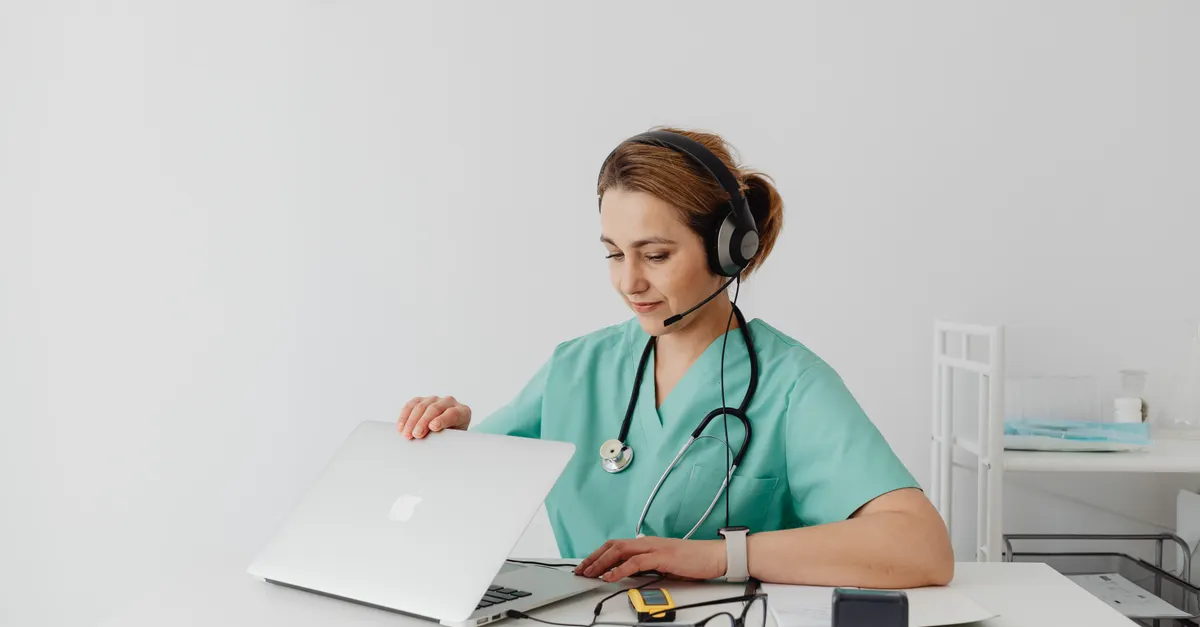
Remote health monitoring is transforming the way seniors manage their health, offering greater independence, improved outcomes, and peace of mind for families. As technology continues to advance, these systems are likely to become even more user-friendly and accessible, with enhanced features for safety, data integration, and personalized care.
Healthcare providers will play a crucial role in guiding seniors through device selection, setup, and ongoing support. By staying informed about privacy, security, and reimbursement options, older adults and their families can make confident decisions about incorporating remote monitoring into their daily lives.
Frequently Asked Questions
What technologies are commonly used in remote health monitoring for seniors?
Common technologies include wearable sensors, blood pressure monitors, glucometers, pulse oximeters, and connected weight scales. These devices often use Bluetooth or Wi-Fi to transmit health data to healthcare providers for review and intervention.
How is data from remote health monitoring devices used by healthcare providers?
Healthcare professionals review the transmitted data to track trends, identify potential health issues, and make timely decisions about treatment or intervention. This continuous oversight helps manage chronic conditions and can reduce hospitalizations.
Are there privacy risks with remote health monitoring, and how can seniors protect their data?
Yes, privacy and security are important considerations. Seniors can protect their data by choosing HIPAA-compliant devices, using strong passwords, and understanding who has access to their information. Asking healthcare providers about their data protection practices is also recommended.