Metal stamping is a cornerstone process in modern manufacturing, enabling the efficient production of precise components for industries ranging from automotive to electronics. A critical factor in successful stamping operations is shear strength—the material property that determines how much force a metal can withstand before it fails along a plane. Gaining a thorough grasp of this concept is essential for engineers, designers, and operators aiming to optimize production quality and tool longevity.
In this article, we’ll break down the fundamentals of shear strength as it relates to stamping, explore its impact on process decisions, and provide practical guidance for selecting materials and tooling. We’ll also highlight common challenges and offer resources for further learning, including tips on how to reduce tool wear in heavy gauge stamping for those working with demanding applications.
What Is Shear Strength and Why Does It Matter?
Shear strength is the maximum stress a material can endure before it shears or slides along a plane parallel to the force applied. In metal stamping, this property is vital because the process involves cutting or shaping sheet metal by applying concentrated force through a die. If the force exceeds the metal’s shear strength, the material will fracture cleanly; if not, it may deform, tear, or produce poor-quality edges.
Understanding this property allows manufacturers to:
- Choose the right material for the intended application
- Design dies that apply optimal force without causing excessive wear or part defects
- Predict and control the quality of stamped edges and features
Key Factors Influencing Shear Strength in Stamping Operations
Several variables affect how a metal responds to shearing forces during stamping. These include:
- Material Type: Different metals—such as steel, aluminum, copper, and brass—have distinct shear strengths. Alloy composition and heat treatment can further influence these values.
- Thickness: Thicker sheets require more force to shear, increasing the demands on both the press and the tooling.
- Grain Direction: The orientation of the metal’s grain structure can affect how easily it shears, especially in rolled materials.
- Tooling Condition: Dull or damaged dies increase the required force and may lead to uneven shearing or burr formation.
For those interested in minimizing edge defects, see our guide on how to minimize burrs in stamped parts.

Calculating Shear Force Requirements
To ensure clean cuts and prevent tool damage, it’s important to estimate the force needed to shear a given material. The basic formula for calculating shearing force in stamping is:
Shear Force = Shear Strength × Material Thickness × Length of Cut
For example, if you are stamping a steel sheet with a shear strength of 250 MPa, a thickness of 2 mm, and a cut length of 100 mm, the required force would be:
Shear Force = 250 × 2 × 100 = 50,000 N (Newtons)
Accurate calculations help in selecting the right press and designing tooling that can withstand repeated cycles without premature failure.
Material Selection and Its Impact on Stamping Performance
Choosing the right metal is a balancing act between strength, formability, cost, and end-use requirements. Materials with higher shear strength generally produce cleaner cuts but may require more robust equipment and tooling. Conversely, softer metals are easier to stamp but may be prone to deformation or excessive burrs.
When comparing metals, always consult material datasheets and consider the specific demands of your application. For industries that require tight tolerances and high repeatability, such as electronics or medical devices, even small differences in shear properties can have significant effects.
For more on evaluating part quality, see our resource on how to inspect stamped steel parts for quality.
Tooling Design and Press Selection Considerations
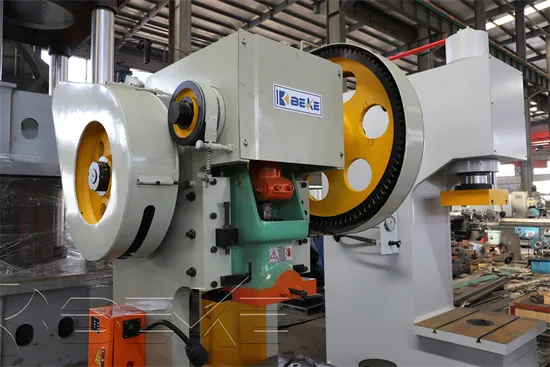
The choice of press—hydraulic or mechanical—can influence how shear forces are applied and managed. Hydraulic presses offer precise force control, making them ideal for thicker or tougher materials, while mechanical presses excel in high-speed production of thinner sheets. For a detailed comparison, refer to our article on the differences between hydraulic and mechanical stamping presses.
Tooling must be designed to distribute force evenly and minimize stress concentrations that could lead to premature wear or breakage. Key design elements include:
- Proper die clearance to accommodate material thickness and shear strength
- High-quality tool steels or coatings for extended life
- Regular maintenance to keep edges sharp and surfaces clean
For advice on safe material handling, see our guide on how to handle coil stock for stamping.
Common Challenges and Solutions in Shear Strength Management
Manufacturers often encounter issues such as excessive burrs, uneven cuts, or rapid tool wear when working with metals that have high or inconsistent shear strength. Addressing these challenges involves:
- Regularly inspecting and maintaining dies
- Optimizing press settings for each material batch
- Using lubricants to reduce friction and heat buildup
- Collaborating with material suppliers to ensure consistent quality
For further insights and troubleshooting, the comprehensive guide to die design and maintenance provides valuable tips from industry experts.
Frequently Asked Questions
How does shear strength differ from tensile strength in metal stamping?
Shear strength measures a material’s resistance to forces that cause sliding along a plane, while tensile strength refers to resistance against forces that pull the material apart. In stamping, shear strength is more directly relevant because the process involves cutting or shearing rather than stretching.
What happens if the stamping force is less than the required shear force?
If the applied force is insufficient, the metal may not shear cleanly. This can result in incomplete cuts, excessive burrs, or deformation of the part, all of which compromise quality and may damage tooling.
Can shear strength be improved through material treatment?
Yes, processes such as heat treatment, alloying, or work hardening can enhance a metal’s shear strength. However, these treatments may also affect other properties like ductility or machinability, so it’s important to balance all requirements for the intended application.
Conclusion
A solid understanding of shear strength is fundamental to achieving high-quality results in metal stamping. By considering material properties, tooling design, and press selection, manufacturers can optimize their processes for efficiency, durability, and precision. Staying informed about best practices and leveraging expert resources will help ensure consistent, reliable outcomes in even the most demanding stamping applications.