
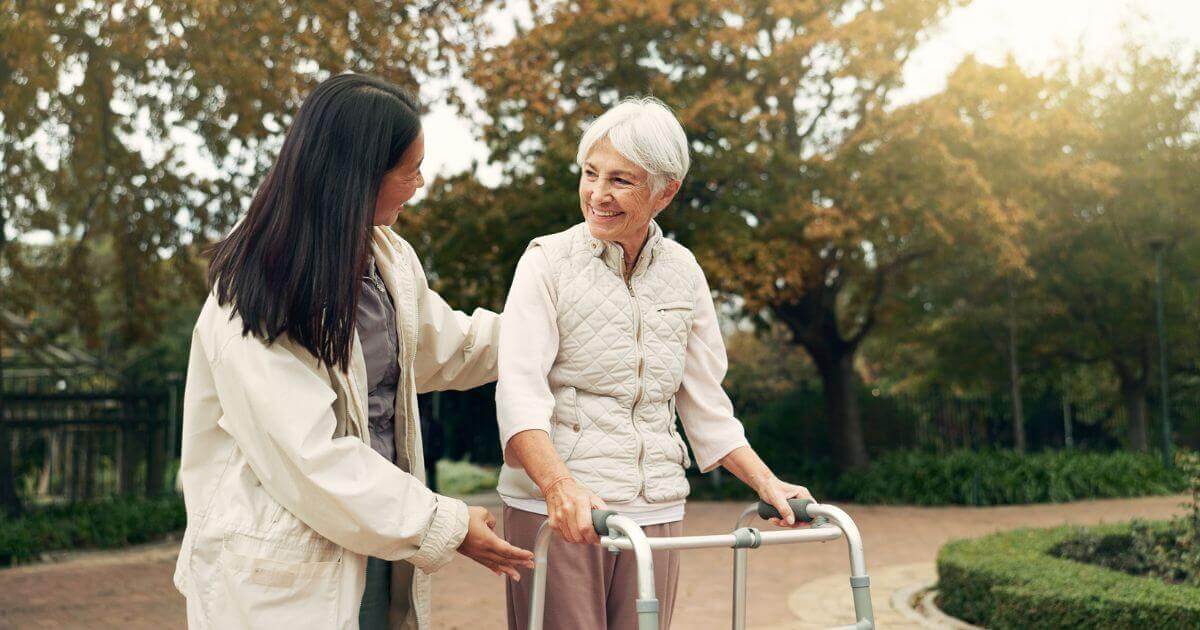
Staying active and maintaining independence is important for many older adults. Walking is a great way for seniors living on their own to support their health, socialize, and enjoy their community. However, navigating sidewalks, crosswalks, and public spaces can present unique challenges. Understanding pedestrian safety independent living strategies helps reduce risks and empowers seniors to move confidently and securely.
This article explores practical steps, environmental considerations, and helpful resources to support safe walking habits for those in independent living settings. Whether you are a senior, a family member, or a caregiver, these insights can make daily outings safer and more enjoyable.
For those interested in additional safety measures at home, consider reviewing transfer safety living alone tips to complement your overall well-being.
Understanding Risks for Seniors on Foot
Older adults often face increased risks when walking in public areas. Age-related changes such as reduced vision, slower reflexes, and balance issues can make it more difficult to react quickly to hazards. Uneven sidewalks, poor lighting, and busy intersections add to these challenges. Recognizing these factors is the first step in promoting pedestrian safety independent living for seniors.
- Reduced mobility can make it harder to step up curbs or avoid obstacles.
- Vision changes may affect depth perception and the ability to spot hazards.
- Hearing loss can make it difficult to detect approaching vehicles or bicycles.
- Cognitive changes may impact decision-making at crossings or in unfamiliar environments.
Key Strategies for Safer Walking in Independent Living
Adopting a few simple habits can greatly improve safety for seniors who walk regularly. Here are some essential tips:
- Plan your route: Choose well-maintained sidewalks and paths with good lighting. Avoid areas with heavy traffic or construction when possible.
- Wear appropriate footwear: Supportive, non-slip shoes reduce the risk of tripping or slipping.
- Use assistive devices: If you use a cane, walker, or rollator, ensure it is in good condition. For more on this, see our guide to walking aid safety independent living.
- Be visible: Wear bright or reflective clothing, especially in low-light conditions. Carry a flashlight at night.
- Stay alert: Avoid distractions like mobile phones or headphones while walking near traffic.
- Follow pedestrian signals: Wait for the walk sign and cross at designated crosswalks.

Environmental Factors and Community Design
The design of neighborhoods and senior living communities plays a significant role in supporting safe walking. Features that contribute to a safer environment include:
- Wide, even sidewalks free from cracks and obstructions
- Clearly marked crosswalks with pedestrian signals
- Accessible curb ramps for mobility devices
- Good lighting along walkways and at intersections
- Benches or resting areas for breaks
- Low-traffic streets or dedicated walking paths
If you notice hazards in your community, report them to local authorities or property management. Advocating for improvements benefits everyone, not just seniors.
Fall Prevention and Safe Navigation
Falls are a leading cause of injury among older adults. Taking steps to prevent falls while walking is crucial for those living independently. Here are some targeted suggestions:
- Scan your path: Watch for uneven pavement, loose gravel, or unexpected obstacles.
- Take your time: Move at a comfortable pace and avoid rushing, especially when crossing streets.
- Use handrails: When available, use railings on stairs or ramps for extra support.
- Consider weather conditions: Avoid walking outdoors during icy or wet conditions if possible.
For additional ideas on preventing falls, especially in the bathroom, explore our resource on independent living bathroom fall prevention.

Supporting Independence Through Community and Technology
Staying connected with neighbors, friends, and family can enhance confidence and safety. Walking with a companion or joining a walking group provides social benefits and an extra layer of security. In addition, technology offers helpful tools:
- Mobile phones: Carry a charged phone for emergencies or to stay in touch.
- Personal alert devices: Wearable alarms can quickly summon help if needed.
- Navigation apps: Some apps are designed for older adults and can help plan safe walking routes.
For more ideas on staying safe while enjoying outdoor activities, you may also be interested in garden safety independent living tips.
Additional Resources and Support
Family members and caregivers play a key role in supporting seniors’ mobility. Regularly checking in, discussing concerns, and encouraging safe habits can make a big difference. For those living alone, it’s helpful to review safety tips for elderly people living alone to further reduce risks at home and outdoors.
Installing supportive features such as grab bars for independent living can also enhance safety in and around the home, complementing safe walking practices.
Frequently Asked Questions
What are the most common hazards for seniors walking in their community?
The most frequent hazards include uneven sidewalks, poor lighting, high-traffic intersections, and obstacles like tree roots or debris. Weather conditions such as ice or rain can also increase the risk of slips and falls.
How can older adults make themselves more visible to drivers?
Wearing bright or reflective clothing, especially at dusk or dawn, helps drivers see pedestrians more easily. Carrying a flashlight or using reflective accessories can further improve visibility.
Are there specific walking aids recommended for independent seniors?
The best walking aid depends on individual needs. Canes, walkers, and rollators all provide stability, but it’s important to choose one that fits properly and is well-maintained. Consulting a healthcare professional can help determine the most suitable option.
What should I do if I notice unsafe conditions in my neighborhood?
Report issues like broken sidewalks, poor lighting, or missing crosswalks to local authorities or your property manager. Community advocacy can lead to improvements that benefit everyone.
How can technology help seniors stay safe while walking?
Mobile phones, personal alert devices, and navigation apps can provide assistance in emergencies, help plan safe routes, and keep seniors connected with loved ones.