

For individuals who value their independence, being able to move around safely is essential. Whether it’s running errands, attending appointments, or visiting friends, reliable and secure transportation plays a crucial role in maintaining autonomy. However, when living solo, there are unique challenges and risks to consider, from navigating public transit to ensuring personal safety while traveling. This article explores practical strategies and resources to help those living alone travel with greater confidence and security.
If you’re seeking more specialized advice on mobility aids, you might find the insights in walking aid safety independent living particularly helpful. These resources can complement the guidance in this article, supporting a safer and more independent lifestyle.
Understanding the Importance of Transportation Safety for Solo Residents
When living independently, transportation is not just about convenience—it’s about maintaining access to essential services and social connections. Transportation safety living alone involves more than just being cautious; it requires proactive planning and awareness of potential hazards. From unpredictable weather to unfamiliar routes, those who travel alone must be prepared for a range of scenarios.
For seniors or anyone with mobility challenges, the risks can be higher. According to safety experts, falls, getting lost, or encountering unsafe situations are more likely when traveling without a companion. That’s why it’s important to regularly review your transportation habits and update your safety strategies as needed.

Key Strategies for Safer Travel When Living Alone
There are several practical steps you can take to enhance your safety while traveling solo. These strategies apply whether you are driving, using public transportation, or relying on ride-sharing services.
- Plan Your Route in Advance: Before leaving home, map out your journey. Use navigation apps or printed maps, and consider alternate routes in case of unexpected detours.
- Share Your Itinerary: Let a trusted friend or family member know your plans, especially if you’re traveling to a new area or expect to be out for an extended period.
- Carry a Fully Charged Phone: Ensure your phone is charged and keep emergency contacts easily accessible. Consider carrying a portable charger for longer trips.
- Stay Visible and Alert: Wear bright or reflective clothing if walking or cycling, and avoid distractions like headphones when crossing streets or navigating busy areas.
- Know Your Transportation Options: Familiarize yourself with local transit schedules, ride-share apps, and taxi services. If you drive, keep your vehicle well-maintained and stocked with emergency supplies.
Public Transit and Ride-Share Safety for Independent Individuals
Using public transportation or ride-share services can be convenient, but it’s important to stay vigilant. Here are some tips to keep in mind:
- Wait in Well-Lit Areas: Choose bus stops or pick-up locations that are visible and populated, especially after dark.
- Verify Your Ride: Always check the driver’s details and vehicle information before getting into a ride-share car. Don’t hesitate to ask the driver to confirm your name.
- Keep Valuables Secure: Hold onto your bag and avoid displaying expensive items while in transit.
- Trust Your Instincts: If something feels off, don’t get in the vehicle or exit at the next safe stop.
For more targeted advice on driving, consider reading about driving safety seniors living alone, which offers additional tips for those who prefer to drive themselves.
Home Arrival and Entry Safety After Traveling Alone
Returning home safely is just as important as the journey itself. Take these precautions when arriving back at your residence:
- Have Keys Ready: Avoid fumbling at the door by preparing your keys in advance.
- Be Aware of Your Surroundings: Scan the area for anything unusual before approaching your entryway.
- Use Well-Lit Entrances: If possible, enter through doors that are illuminated and visible from the street.
- Lock Doors Immediately: Once inside, secure all locks and check that windows are closed.
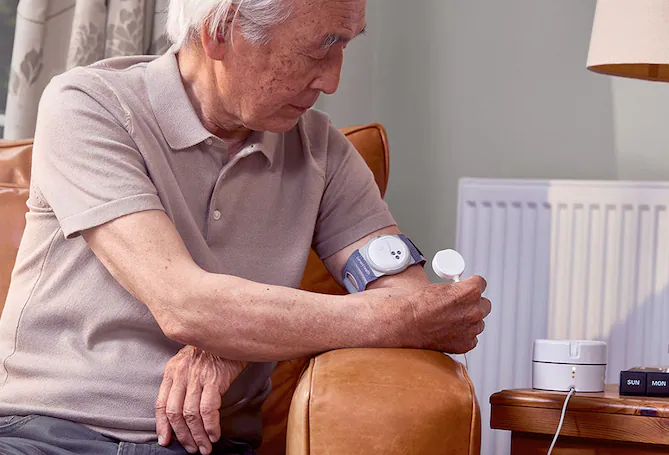
Emergency Preparedness and Support Systems
Emergencies can happen at any time, so it’s important to have a plan. Consider these steps to boost your preparedness:
- Carry Identification and Medical Info: Keep a card with your name, emergency contacts, and any medical conditions in your wallet or bag.
- Use Personal Safety Devices: Devices like medical alert pendants or smartphone safety apps can provide peace of mind and quick access to help if needed.
- Establish a Check-In Routine: Arrange regular check-ins with a friend, neighbor, or family member, especially after outings.
- Know Local Resources: Familiarize yourself with nearby hospitals, police stations, and community centers.
For additional safety tips tailored to independent living, the senior independent living safety checklist provides a comprehensive overview of best practices for staying secure while aging.
Adapting Your Environment for Safer Mobility
Creating a safe home environment is a key part of overall transportation safety. Simple modifications can make it easier to enter and exit your home, reducing the risk of falls or accidents. Consider installing grab bars, improving lighting, and keeping pathways clear of clutter.
If you’re interested in more ideas for preventing falls and improving bathroom safety, check out independent living bathroom fall prevention and grab bars for independent living for practical solutions.
Building Confidence and Independence Through Safe Travel
Maintaining independence while living alone is empowering, but it comes with responsibilities. By staying informed about transportation safety living alone and making use of available resources, you can reduce risks and enjoy greater freedom. Remember, safety is not about limiting your activities—it’s about enabling you to participate fully in your community with confidence.
For those who may need extra support with mobility or transfers, reviewing transfer safety living alone can provide valuable guidance for everyday situations.
Frequently Asked Questions
What are the most important transportation safety tips for someone living alone?
The most effective strategies include planning your route, sharing your travel plans with someone you trust, keeping your phone charged, and staying aware of your surroundings. Using well-lit transit stops and verifying ride-share drivers also enhance safety.
How can I make my home safer for returning after a trip?
Prepare your keys before arriving, use entrances that are well-lit, and lock doors immediately after entering. Consider installing motion-sensor lights and keeping pathways clear to reduce the risk of falls or accidents.
Are there specific resources for seniors to improve transportation safety?
Yes, there are many resources available, including community transportation services, safety checklists, and personal safety devices. Reviewing guides on driving safety, mobility aids, and emergency preparedness can also be very helpful.